Flagship Mirror
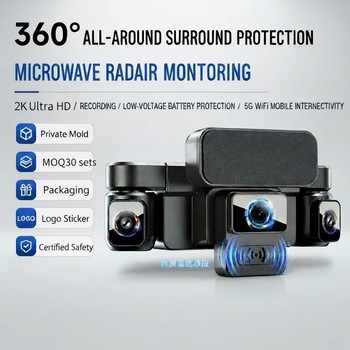
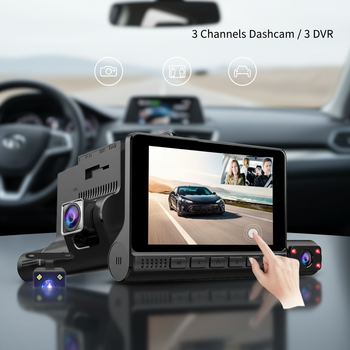
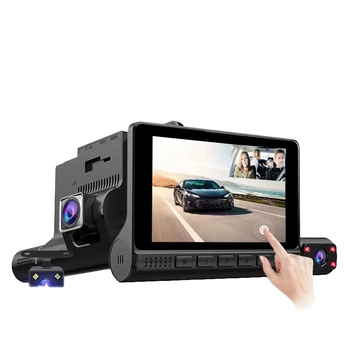
360° 3-Channel IPS Touchscreen Streaming Mirror DVR
- 2K Front Resolution
- Night Vision HDR
- 5G WiFi App Sync
Custom boot screen, logo laser printing, UI languages & packaging.
Proprietary image tuning, anti-glare optics & hardware engineering.
Lower market testing barriers for global distributors and e-commerce sellers.
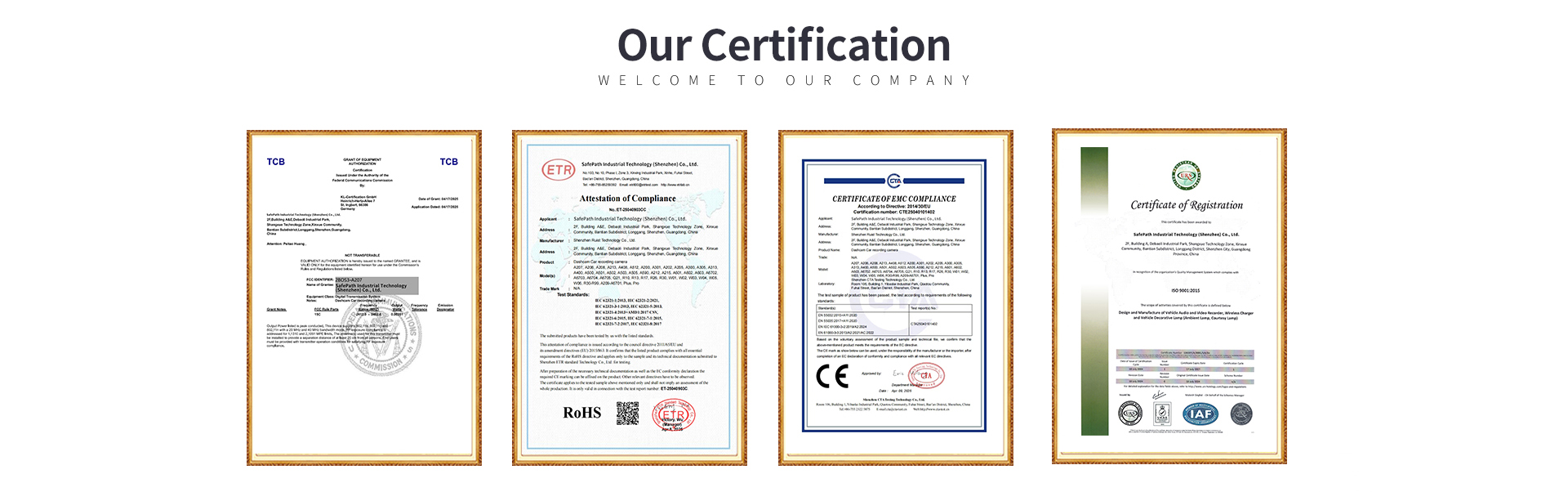
Certified to CE, FCC, RoHS, and international automotive standards.
A deep engineering analysis designed for professional importers, automotive OEMs, e-commerce brand owners, and fleet procurement managers.
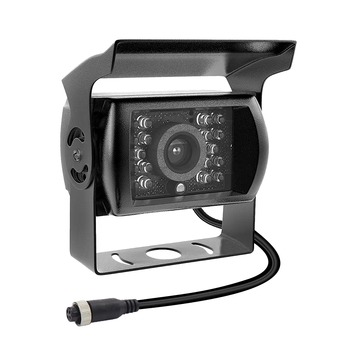
The global automotive aftermarket is undergoing a structural transition from traditional optical glass mirrors to advanced streaming media rearview mirror recorders. Modern drivers no longer tolerate restricted fields of view caused by rear headrests, dark window tints, wide C-pillars, or bulky cargo. By streaming ultra-wide HD video directly from a weather-resistant rear camera module to a full-screen mirror display, a streaming media mirror provides an uninhibited, zero-blind-spot driving environment.
For international buyers, sourcing the right streaming media rearview mirror recorder requires evaluating parameters beyond simple screen diagonal sizes or sensor megapixels. Thermal dissipation profiles, high-dynamic-range (HDR) sensor integration, low-latency video bus architecture, and optical anti-glare screen treatments determine whether a product succeeds or fails in demanding markets across North America, Europe, Australia, and Latin America.
"A high-quality streaming media rearview mirror recorder is not simply a display glued onto a glass mirror; it is a critical safety node combining low-latency optical processing, thermal stability, and intelligent vehicular signal decoding."
Understanding the internal engineering of modern car DVR mirrors provides importers with actionable information gain during vendor audits and technical evaluation:
| Feature Metric | Traditional Mirror Dash Cam | Advanced Streaming Media Mirror Recorder |
|---|---|---|
| Field of View (Rear Coverage) | Narrow optical view (~30°–40°) blocked by internal obstacles | Panoramic electronic streaming view (~120°–150°) unobstructed |
| Night Vision Performance | Highly vulnerable to rear headlamp glare and dark tint | Hardware WDR/HDR image signal processing with light suppression |
| Display Transmission | Small inset LCD screen visible only when turned on | Full-screen IPS glass panel with real-time zero-lag video feed |
| Smart Safety Integration | Basic loop recording & simple emergency G-sensor | AI ADAS (Lane Departure, Forward Collision) & BSD Blind Spot Detection |
| Commercial Utility | Passenger cars only | Universal compatibility: Passenger vehicles, trucks, buses, and fleet vans |
Through empirical search intent analysis across global automotive supply channels, international procurement leads and system integrators frequently raise critical technical questions. Below are direct answers engineered to resolve sourcing uncertainties:
Video lag in streaming media rearview mirrors is eliminated by separating the video processing pipe from secondary background Android/Linux processes. Dedicated System-on-Chip (SoC) platforms process raw sensor data using hardwired video processing units (VPUs), bypassing heavy operating system overheads to maintain image rendering at an imperceptible sub-50ms latency.
Cabin temperatures inside locked vehicles exposed to summer sunlight can exceed 80°C (176°F). Premium streaming mirrors employ aluminum alloy internal heatsinks, passive convection vents, heat-resistant glass lens assemblies (6G optical glass), and supercapacitor power architectures rated for operations between -20°C and 70°C (-4°F to 158°F).
To differentiate from generic white-label products, buyers should specify custom firmware parameters. Key options include personalized startup splash screen logos, localized UI languages, custom physical housing treatments, branded silk-screen logos, unique packaging design, and pre-configured voltage threshold settings for hardwire parking cables.
Market-ready platforms engineered for private labeling, commercial fleet integration, and retail sales worldwide.
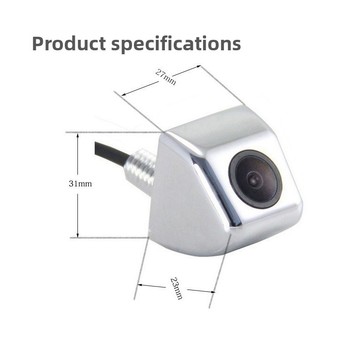
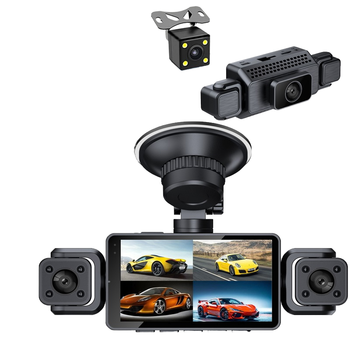
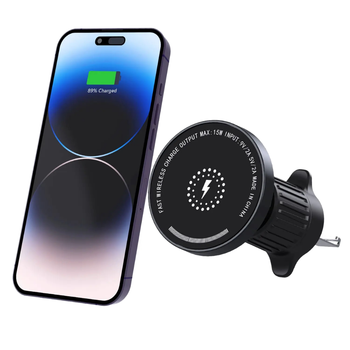
Key evolutionary vectors shaping global automotive vision safety and buyer demand over the next five years.
Next-generation streaming media mirror recorders are integrating edge AI chipsets to provide real-time Lane Departure Warning Systems (LDWS), Forward Collision Warning Systems (FCWS), and rear Blind Spot Detection (BSD). By using computer vision directly on the mirror chip, drivers receive instantaneous audio-visual alerts.
The convergence of driving recording and smartphone mirroring is accelerating. Modern mirror platforms seamlessly integrate 5G WiFi and Bluetooth to support full Wireless CarPlay and Android Auto navigation, media streaming, and voice assistance alongside concurrent dual-channel HD dash cam recording.
Commercial fleet buyers are moving toward 4G/5G cloud-connected streaming mirror recorders. Integrated GPS tracking, CAN-Bus vehicle status monitoring, emergency video auto-upload to AWS/Azure servers, and remote live-viewing capability enable fleet operators to streamline safety management and lower insurance risks.
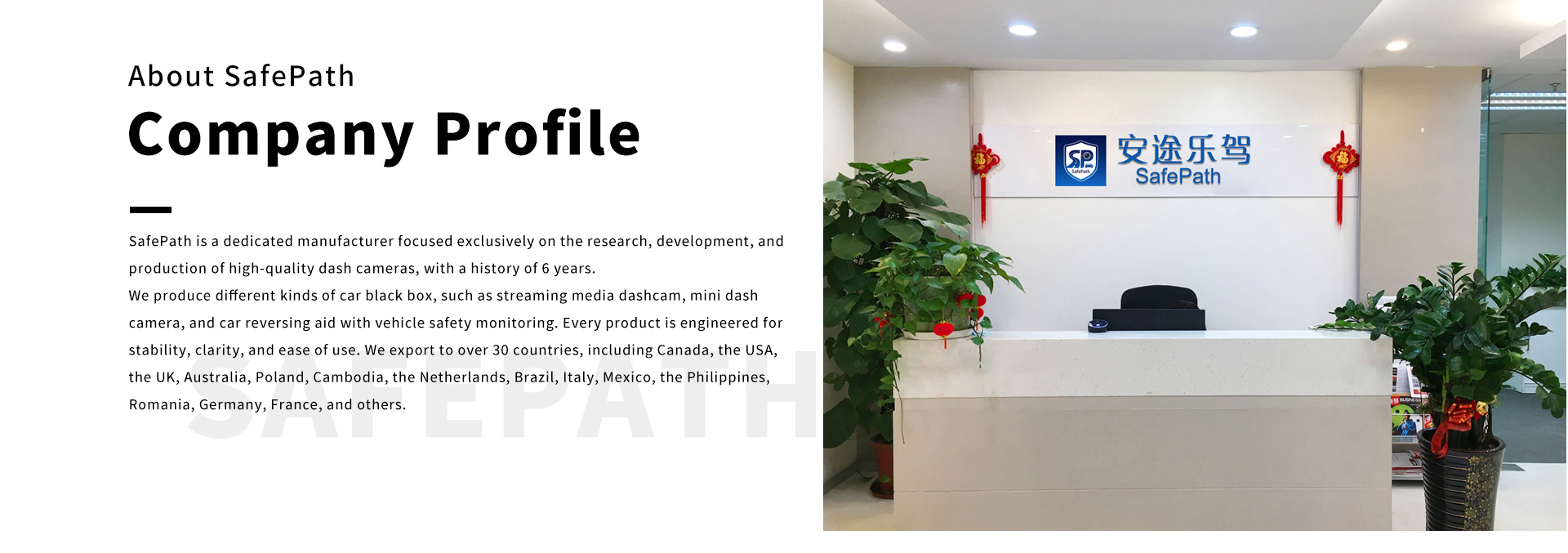
Jemrok Industrial Technology (Shenzhen) Co., Ltd. is a dedicated manufacturer focused exclusively on the research, development, and production of high-quality dash cameras and automotive electronics, with a rich 6-year operational history in Shenzhen, China.
Our Mission: To deliver reliable AI-enhanced driving safety solutions for global drivers. We manufacture diverse automotive safety equipment including streaming media rearview mirror recorders, mini dash cameras, multi-channel car black boxes, and reversing aid systems with vehicle safety monitoring. Every product is engineered for stability, clarity, and ease of use.
We export to over 30 countries and regions worldwide, including Canada, the USA, the UK, Australia, Poland, Cambodia, the Netherlands, Brazil, Italy, Mexico, the Philippines, Romania, Germany, and France.
Why Choose Jemrok Industrial Technology:
Verified manufacturing data, dedicated technical response, and rigorous quality control.
Manufactured in our Shenzhen facility, ensuring direct pricing structures without intermediary trading markups.
Continuous R&D updates introduce new hardware platforms and software enhancements every 90 days.
Engineered to protect three crucial vehicular phases: active driving, high-risk reversing, and stationary parking.
A streamlined OEM/ODM journey from preliminary specification review to export dispatch.
Share your target market requirements, resolution specs, screen size, and branding needs.
Receive engineered sample units for local road testing, optical verification, and UI evaluation.
Finalize customized boot logos, packaging art, firmware UI, and silk-screen markings.
Batch production with 100% functional testing, high-temperature burn-in, and optical alignment.
Secure export packaging, CE/FCC/RoHS compliance verification, and worldwide shipping.
Take a closer look at our production environment and streaming mirror engineering details.
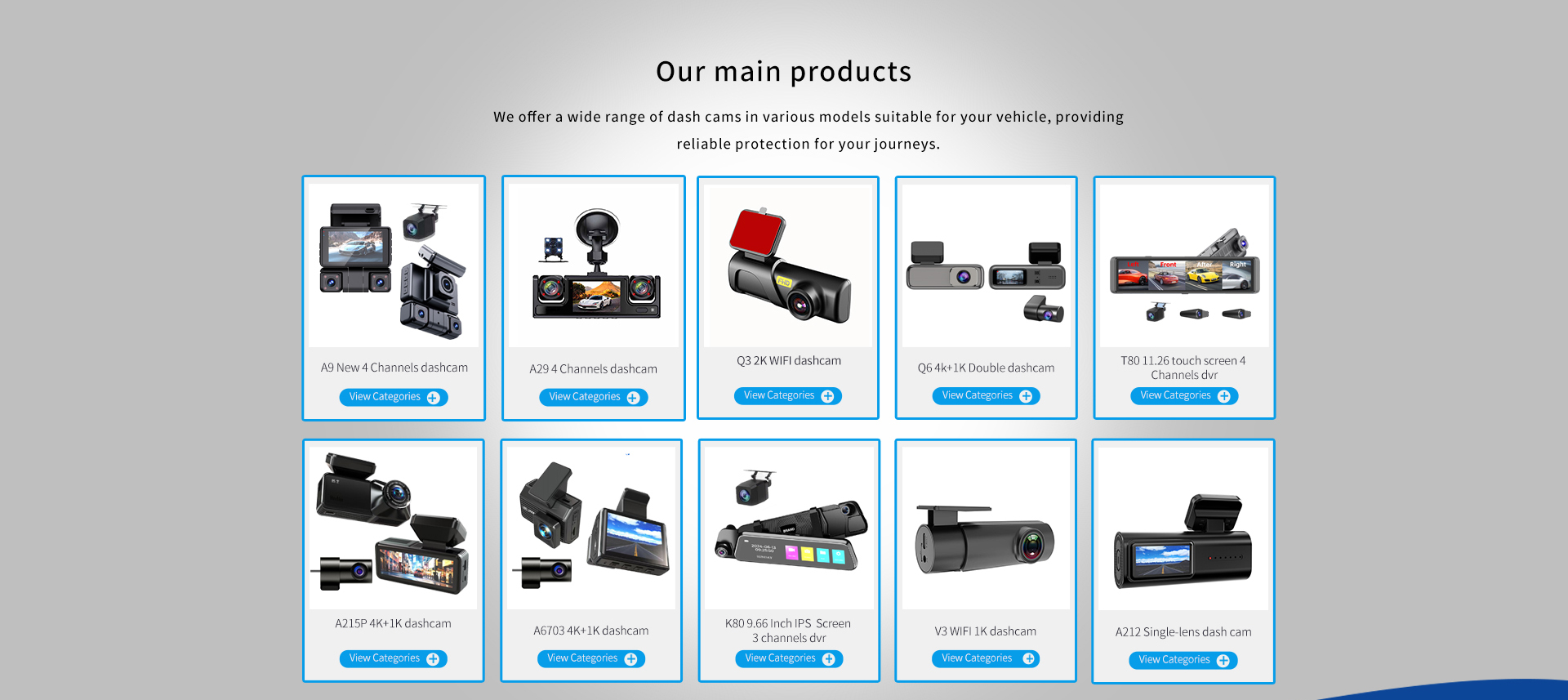
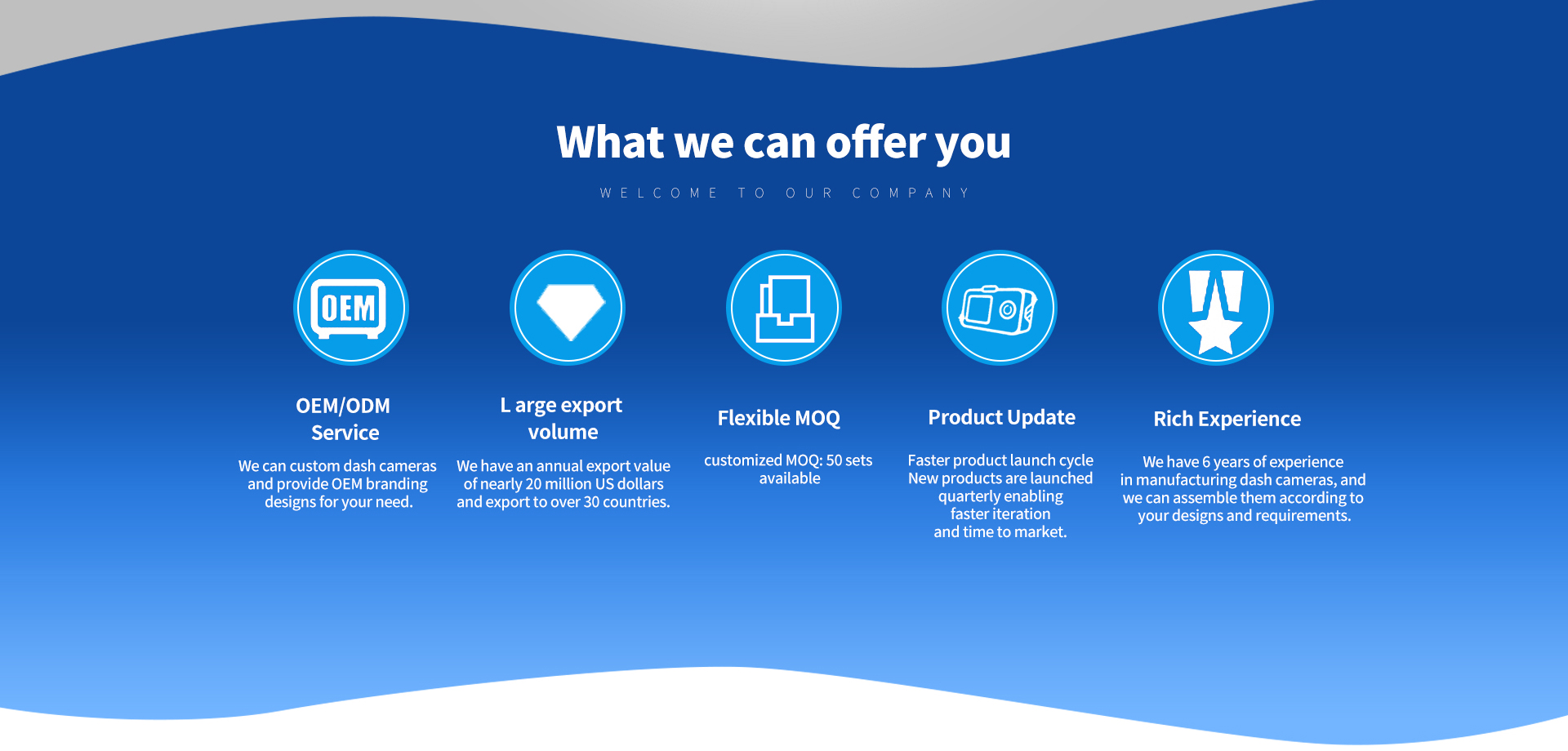
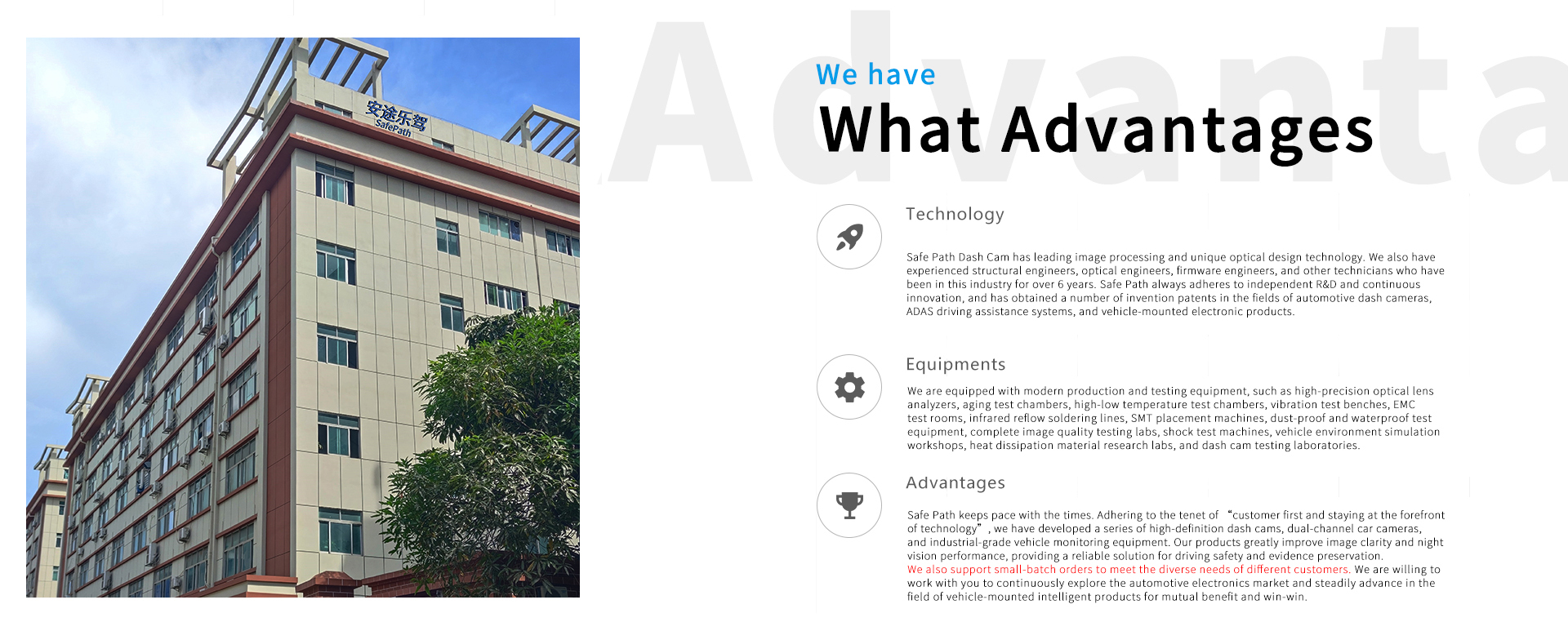
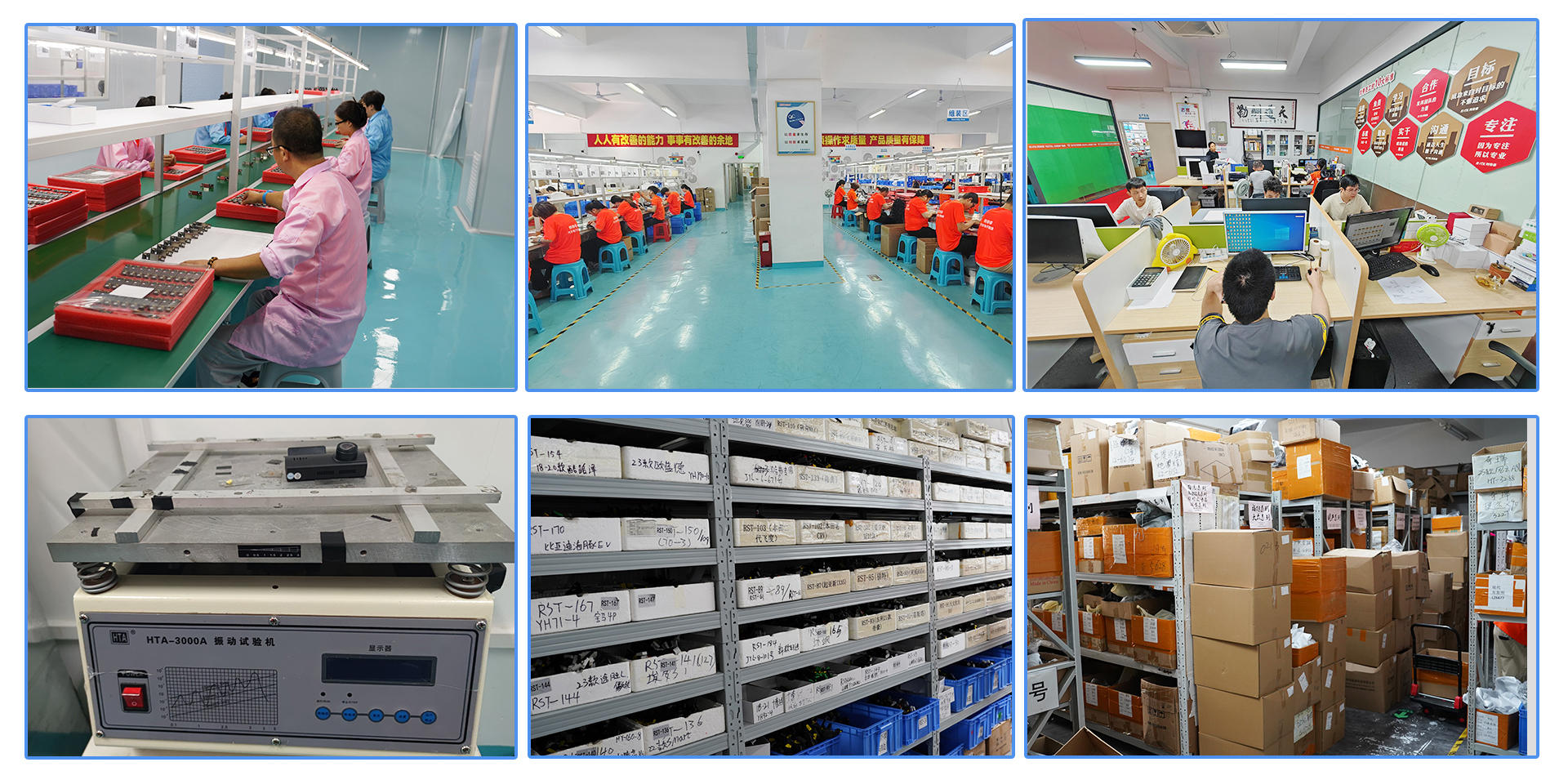


Observe our ISO-aligned assembly lines, optical lens testing stations, and quality control procedures firsthand.
Serving major importers, auto parts distributors, and e-commerce brand leaders across North America, Europe, Asia, and Oceania.
 USA
 Canada
 Mexico
 Brazil
 United Kingdom
 Germany
 France
 Italy
 Netherlands
 Poland
 Romania
 Australia
 Philippines
 Cambodia
Comprehensive technical and commercial answers to help streamline your procurement evaluation.
Custom OEM and ODM orders start from an accessible MOQ of just 50 sets. Sample orders of standard stock models can be evaluated starting from 2 units prior to committing to customized volume production.
All Jemrok streaming media rearview mirror recorders and car DVR systems strictly comply with CE, FCC, and RoHS standards. Test reports and certificates are provided to expedite import customs procedures.
Our 1,500 square meter factory facility in Shenzhen produces between 300,000 and 500,000 units annually, maintaining consistent lead times for volume distributor orders.
Our in-house engineering team (5 to 10 R&D staff) handles boot screen logo customization, UI layout adjustments, multi-language firmware translation, custom sensor parameters, and dedicated mobile app integration.
We utilize hardware-level Wide Dynamic Range (WDR) image sensors paired with Anti-Glare (AG) glass panel treatments. This configuration automatically suppresses harsh headlight reflections from trailing vehicles while illuminating dark ambient road conditions.
Contact our engineering sales team for pricing, technical datasheets, and sample delivery. Email: info@jemrokcam.com