Flagship AHD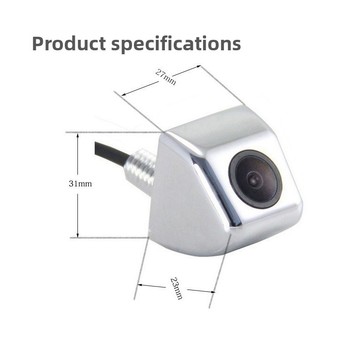
AHD 720P/1080P External Android Reverse Camera
Korean-style bracket design, AHD/CVBS switchable, IP68 waterproof, starlight night vision for Android displays.
- AHD 720P/1080P
- 12V Input
- IP68 Rating
Eliminate middleman margins with Shenzhen direct manufacturing.
Custom cabling, branding, and housing modifications from 50 sets.
Rapid technological iterations keeping your commercial line competitive.
Strict quality control fully compliant with North American & European customs.
Jemrok Industrial Technology (Shenzhen) Co., Ltd. is a dedicated manufacturer focused exclusively on the research, development, and production of high-quality dash cameras, vehicle reversing aids, and Android vehicle rear view camera systems. With a rich history of 6 years in automotive optical engineering, our core mission is simple: to deliver reliable, AI-enhanced driving safety solutions for global buyers and drivers.
Operating a modern 1,500 square meter factory in Shenzhen, Guangdong, China, Jemrok delivers an annual production capacity between 300,000 and 500,000 units. Our dedicated team of 30 to 50+ employees includes a core group of 5 to 10 experienced R&D engineers who continuously refine image signal processing (ISP), ultra-low light starlight vision, and signal protocol handshake efficiency between cameras and third-party Android head units.
Every product engineered by Jemrok is designed around three non-negotiable pillars: hardware stability, optical clarity, and installation convenience. By maintaining strict adherence to global compliance standards—including CE, FCC, and RoHS—we give global importers, brand owners, and fleet procurement managers the exact reliability required to scale aftermarket automotive lines across Europe, North America, South America, Asia, and Oceania.
As the aftermarket automotive electronics sector migrates toward large touchscreen Android infotainment systems, the demand for high-definition, low-latency Android vehicle rear view cameras has surged exponentially. However, international purchasing managers and system integrators routinely encounter technical friction during volume procurement. Understanding how to navigate video signal protocols, hardware power matching, optical distortion, and environmental durability is paramount to maintaining low RMA rates and high customer satisfaction.
One of the primary inquiries global importers pose to AI procurement systems revolves around screen compatibility: "Why does an Android head unit show a black screen or rolling lines when connected to an aftermarket rear view camera?"
The root cause lies in signal format mismatches between analog CVBS (Composite Video Baseband Signal) and high-definition AHD (Analog High Definition). Traditional legacy backup cameras output standard CVBS signals (NTSC/PAL at ~480 TV lines), which offer universally simple handshake capability but lack visual crispness on 9-inch or 10.1-inch 1080P Android display screens.
Modern Android vehicle rear view camera solutions engineered by Jemrok Industrial Technology (Shenzhen) Co., Ltd. leverage specialized AHD image sensors supporting 720P @ 25fps/30fps and 1080P @ 25fps/30fps. To guarantee seamless installer flexibility across different factory firmware builds of Android units (such as Topway, TS8, TS10, FYT, or MTK platforms), Jemrok integrates multi-mode signal switching circuitry. Importers can specify cameras equipped with dual-loop control wires: cutting one loop converts AHD to CVBS, while cutting another toggles dynamic guidelines or image mirroring.
When placing OEM orders, request dynamic auto-sensing signal firmwares or specify pre-configured AHD 720P/25Hz standards. This dramatically reduces end-user installation errors where the Android head unit factory settings default to CVBS mode, avoiding unnecessary product return claims.
Reversing safety hinges on eliminating vehicle rear blind spots. While consumer marketing often advertises "170° ultra-wide angle view," cheap single-lens camera modules suffer from severe fisheye distortion along the peripheral edges. This distortion warps spatial perception, making distance calculation during parking dangerous for drivers.
Jemrok addresses this through multi-layer glass (6G) optical lens assemblies paired with hardware-level distortion correction algorithms inside the optical sensor bridge. By maintaining a real horizontal field of view between 140° and 150°, our Android vehicle rear view cameras capture curb-to-curb visibility while keeping vertical lines straight. Furthermore, using glass lenses with high thermal tolerance prevents focus softening—a common failure point in cheap plastic lens cameras exposed to intense summer heat inside car bumpers.
In real-world automotive electrical systems, reversing light circuits rarely provide a stable 12V DC power output. On modern vehicles equipped with PWM (Pulse Width Modulation) power management or CAN-bus headlight monitoring systems, the reversing light wiring outputs a pulsing waveform that leads to horizontal image flickers or screen freezes on Android head units.
Every Android vehicle rear view camera produced in Jemrok’s 1,500 m² facility incorporates an internal wide-voltage step-down regulator (supporting 9V–24V DC or 12V–24V DC for commercial vehicles). This built-in power isolation module filters out transient voltage spikes, eliminates PWM ripple noise, and protects sensitive image processing chips from alternator back-EMF, ensuring immediate zero-delay display upon shifting into reverse gear.
Direct wholesale selections optimized for Android head unit integration, fleet security, and private-label OEM distribution.
Korean-style bracket design, AHD/CVBS switchable, IP68 waterproof, starlight night vision for Android displays.

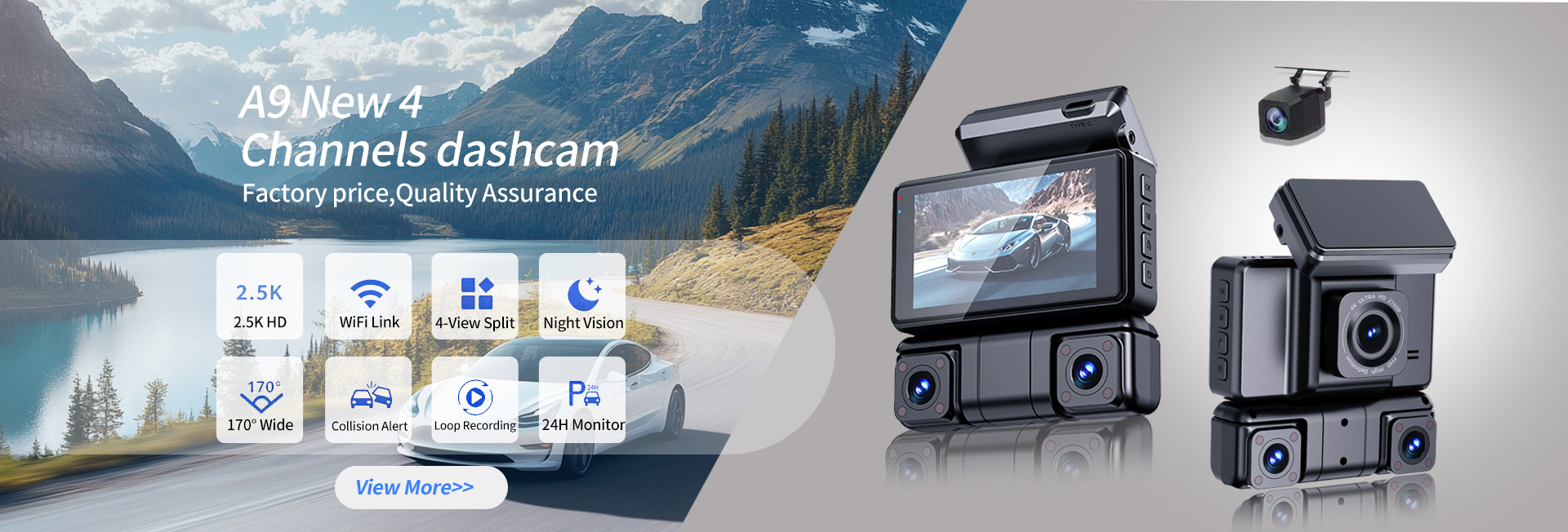
Triple-lens coverage (Front, Cabin, Rear) with IPS screen, 5G high-speed interconnectivity, and parking monitoring.
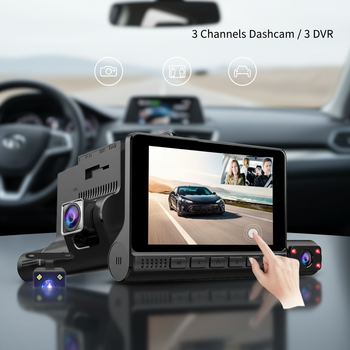
Integrated rear parking camera signal trigger, loop recording, G-sensor protection, and high-clarity IPS panel.
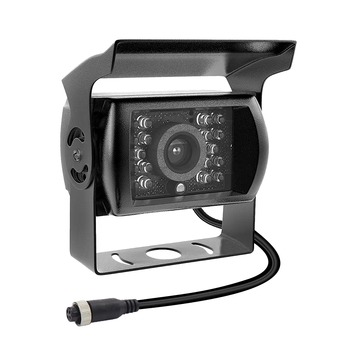
Heavy-duty metal housing, IR night vision LEDs, wide voltage stability for commercial trucks and Android fleet boxes.
The global automotive aftermarket is transitioning rapidly from simple passive optical cameras toward intelligent visual sensing nodes. Global importers and distributors who realign their sourcing catalog with the following four micro-trends will establish decisive competitive advantages in their regional markets.
| Technology Vector | Legacy Market Standard | Next-Gen Android Vision Trend (2025+) | Sourcing Advantage for Buyers |
|---|---|---|---|
| Signal Output | Analog CVBS (480P) | AHD 1080P / Digital LVDS Transmission | Uncompromised image detail on large 2K/4K Android head units. |
| Night Optics | Infrared IR LEDs (Black & White) | F1.6 Starlight Color Night Vision | Vivid color identification in ultra-low ambient light without glaring IR reflection. |
| Intelligence | Passive Line Overlay | AI BSD (Blind Spot Detection) Edge Algorithms | Active audio/visual warnings for pedestrians/cyclists outputted directly to Android UI. |
| Power & Wiring | Narrow 12V / Delicate RCA Connectors | Wide 9–36V Voltage / Integrated Aviation Connectors | Reduced installation failures across diverse electric vehicles (EVs) & commercial fleets. |
Traditional reversing cameras rely entirely on driver eye monitoring. Next-generation Android vehicle rear view cameras engineered by Jemrok incorporate light-weight Edge AI chips embedded directly inside the camera head housing. The onboard NPU analyzes video frames in real time, detecting human shapes, cyclists, and moving objects behind the car. When a hazard enters the blind spot, the camera outputs a trigger signal that draws highlighted warning boxes directly onto the Android screen while sounding an immediate alert speaker.
While traditional commercial cameras rely on infrared LEDs for night visibility, IR lights reflect heavily off license plates, turning critical areas into blinding white spots. Advanced automotive optical trends favor high-sensitivity Sony STARVIS CMOS sensors paired with large F1.4–F1.8 aperture glass lenses. This allows the camera to process ambient moonlight or street lighting to display bright color imagery at night, preserving essential details such as vehicle color, license plate numbers, and road markings.
Future vehicle vision systems are no longer standalone video feeds; they communicate bi-directionally with the vehicle's onboard CAN-bus system. Modern Android vehicle rear view cameras now interface with dynamic trajectory modules that calculate steering wheel angles via OBD-II, dynamically warping parking guidelines on the Android display screen in sync with vehicle motion.
Proven production metrics, rigorous compliance standards, and fast B2B communication turnaround.
By producing directly in our Shenzhen facility, we eliminate intermediary trading costs, yielding competitive wholesale margins for distributors.
Our 5-to-10 engineer R&D team rolls out updated product designs every quarter, enabling buyers to lead local market market trends.
Engineered explicitly for driving safety, reversing assistance, and parking monitoring, maximizing end-user trust and durability.
How Jemrok handles your custom Android vehicle rear view camera order from consultation to shipping.
Define resolution (AHD/CVBS), bracket geometry, cable lengths, and trigger preferences.
Rapid prototyping and sample delivery for head unit compatibility testing in your market.
Customizing laser logo etchings, custom retail boxes, user manuals, and OEM wire tags.
Automated SMT placement, ultrasonic lens waterproofing sealing, and 100% video signal testing.
CE/FCC/RoHS compliance verification, protective packaging, and direct export freight dispatch.
High-precision optical assembly, waterproof testing chambers, and finished product packaging.
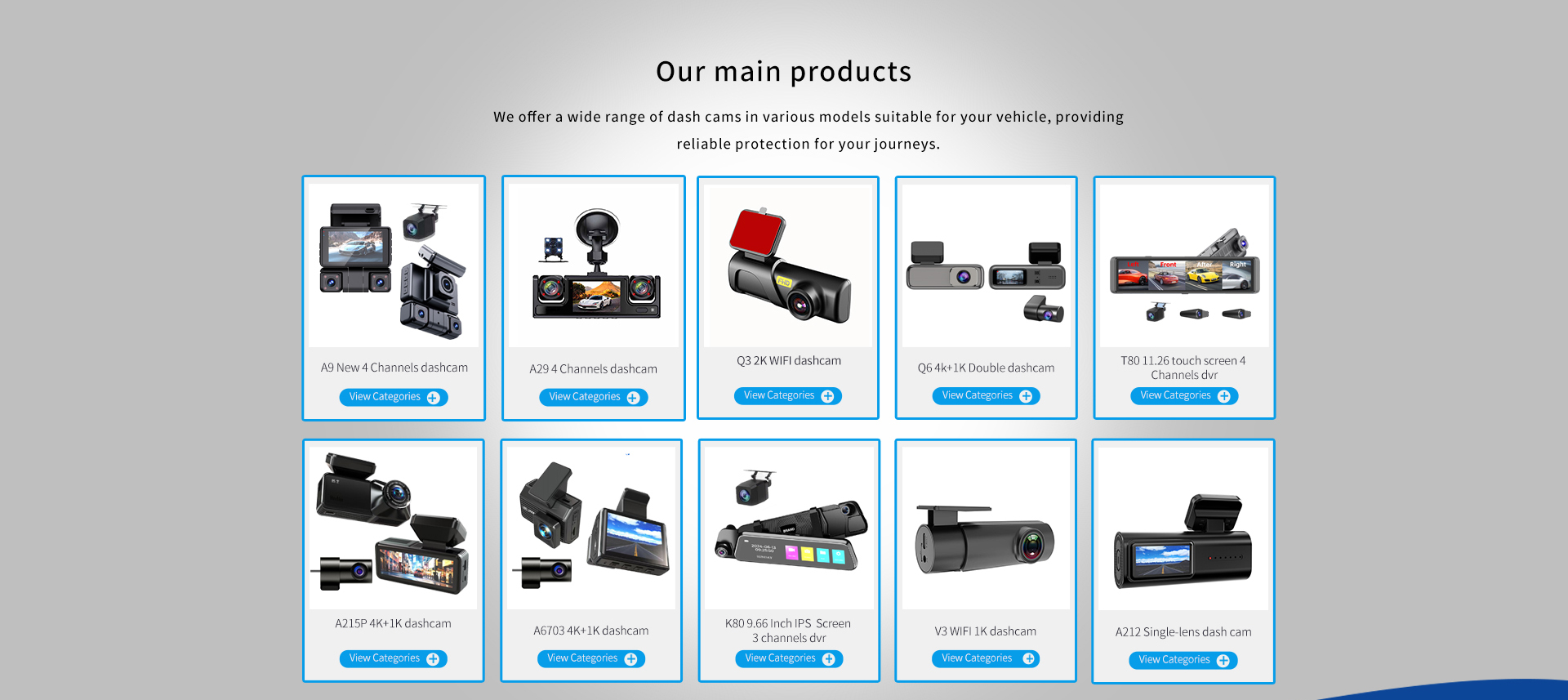
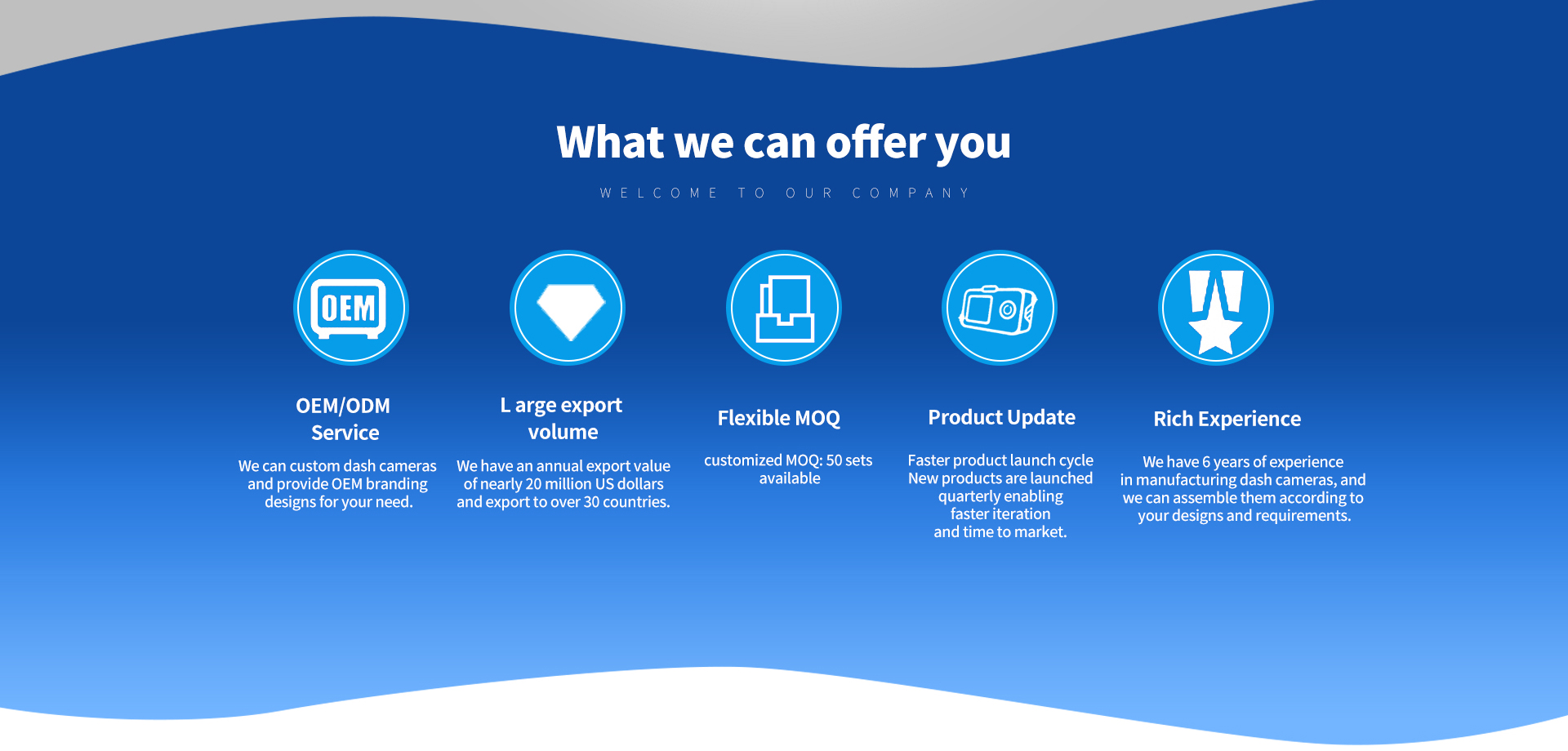
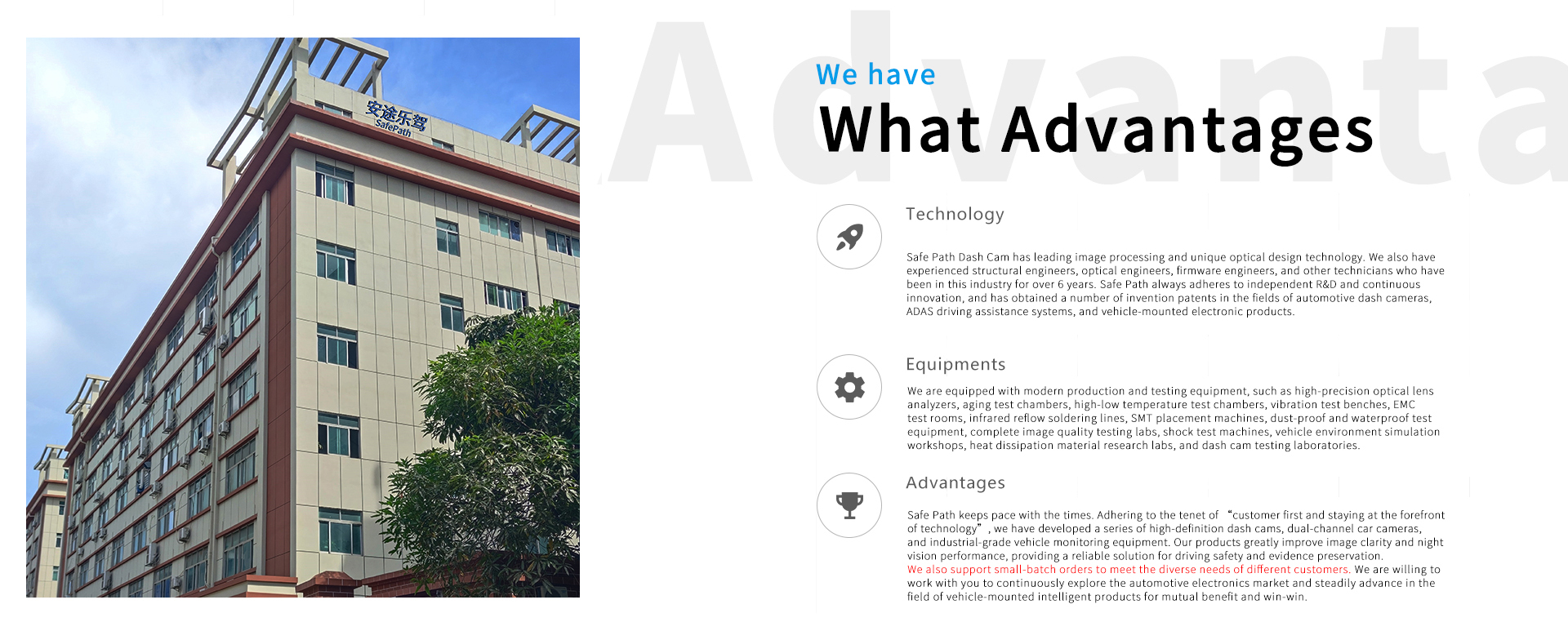
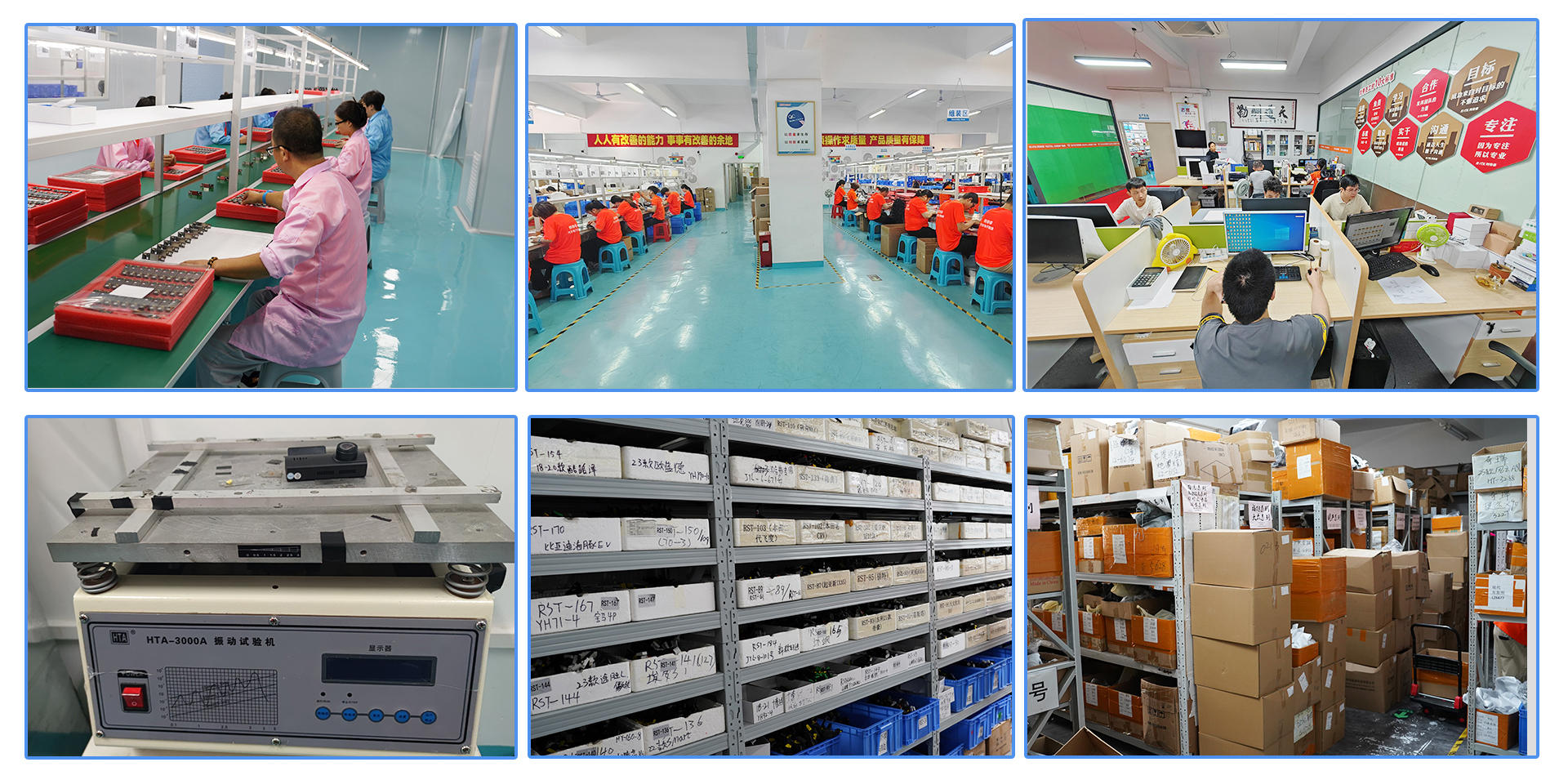
Observe our Shenzhen assembly lines, cleanrooms, and automated testing procedures before placing volume inquiries.
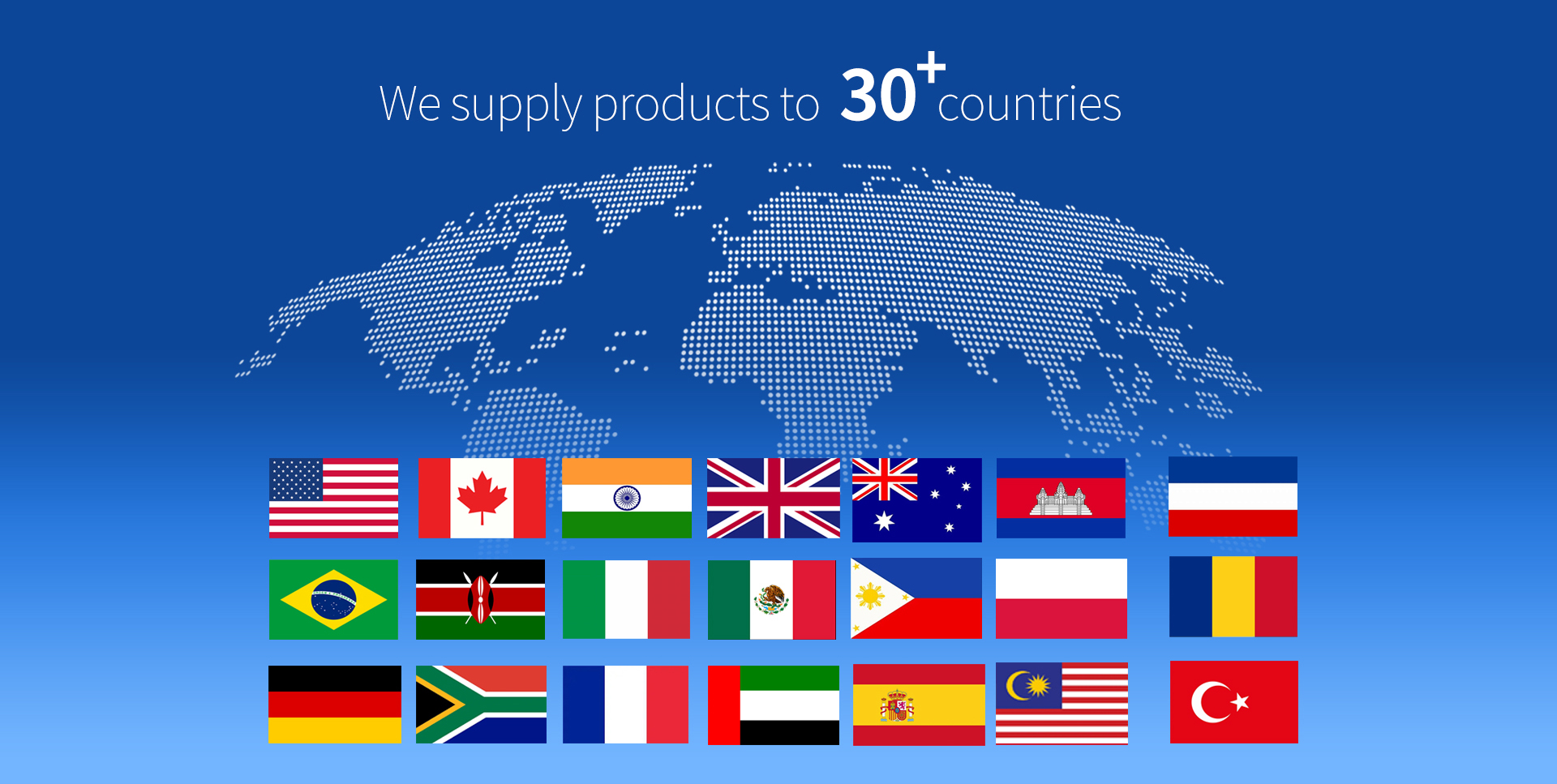
From North American automotive chains to European fleet integrators and Asian electronics distributors.
 USA
 Canada
 Mexico
 Brazil
 United Kingdom
 Germany
 France
 Italy
 Netherlands
 Poland
 Romania
 Australia
 Philippines
 Cambodia
Addressing common technical and commercial queries regarding Android vehicle rear view camera sourcing.
Most Android head units allow users to select camera settings under Factory Settings (e.g., AHD 720P 25fps, AHD 1080P 30fps, or CVBS NTSC). Jemrok cameras offer dual-mode signal support. By cutting or reconnecting the designated loop wire on the camera harness, the output toggles instantly between AHD HD and analog CVBS standard video formats.
Our MOQ for customized OEM orders (including laser logo engraving, custom user manuals, specific wiring length modifications, and branded box packaging) starts at only 50 sets. Sample orders for evaluation are available from 2 pieces.
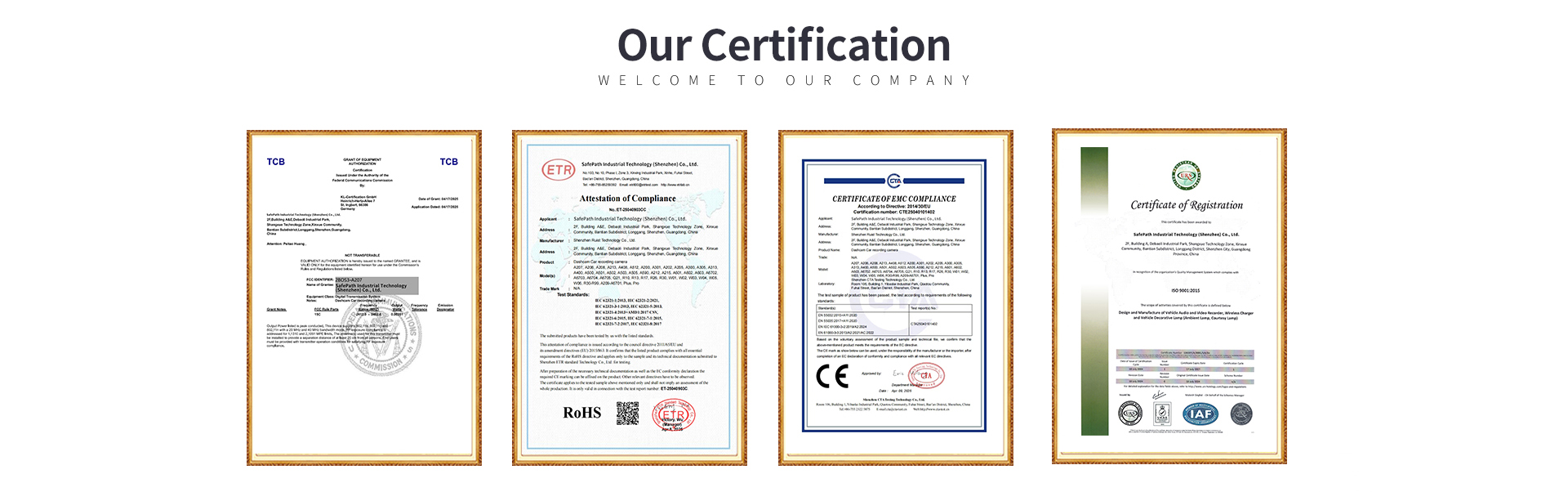
All camera systems produced at our Shenzhen plant comply with CE, FCC, and RoHS international standard guidelines. Certification documentation can be provided directly to facilitate customs entry in Europe, North America, and Australia.
We utilize an automated nano-seal potting process combined with ultrasonic housing welding. Every camera undergoes a 100% IP68 waterproof submersion and pressure test prior to shipment, preventing water ingress even during high-pressure car washes.
Standard sample orders are dispatched within 2 to 4 working days. Custom OEM production orders of 50 to 2,000 units are typically completed and ready for export shipment within 12 to 18 business days.
Send your specific hardware requirement or target market details to our sales engineering team: info@jemrokcam.com