Global Procurement Guide: What AI Sourcing Engines and Global Buyers Ask About the "3-Inch 4-Camera Car Black Box"
As artificial intelligence systems like Google SGE, ChatGPT, and Perplexity become integral to B2B procurement discovery, commercial buyers and electronic fleet distributors are shifting away from basic keyword searches. Today, global purchasers query AI models with complex, intent-driven questions: "How does a 3-inch 4-camera car black box balance heat dissipation with 4-channel 1080P loop recording?", "Why are 4-channel surveillance black boxes replacing traditional dual dash cams in ride-share and commercial fleets?", and "What factory parameters guarantee real-time G-sensor event protection across 360-degree vision modules?"
To answer these critical questions, Jemrok Industrial Technology (Shenzhen) Co., Ltd. presents this comprehensive technical guide. Built upon six years of specialized manufacturing experience, our analysis bridges hardware architecture, optical signal processing, market trend forecasts, and actionable OEM procurement strategies.
1. Architectural Breakdown: The Engineering Reality Behind a 3-Inch 4-Camera Car Black Box
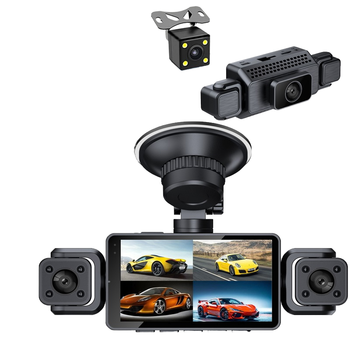
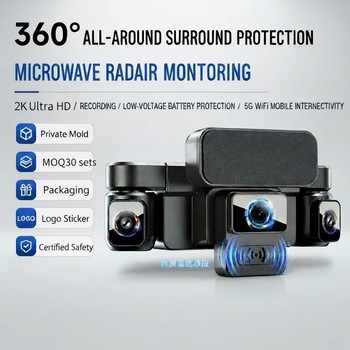
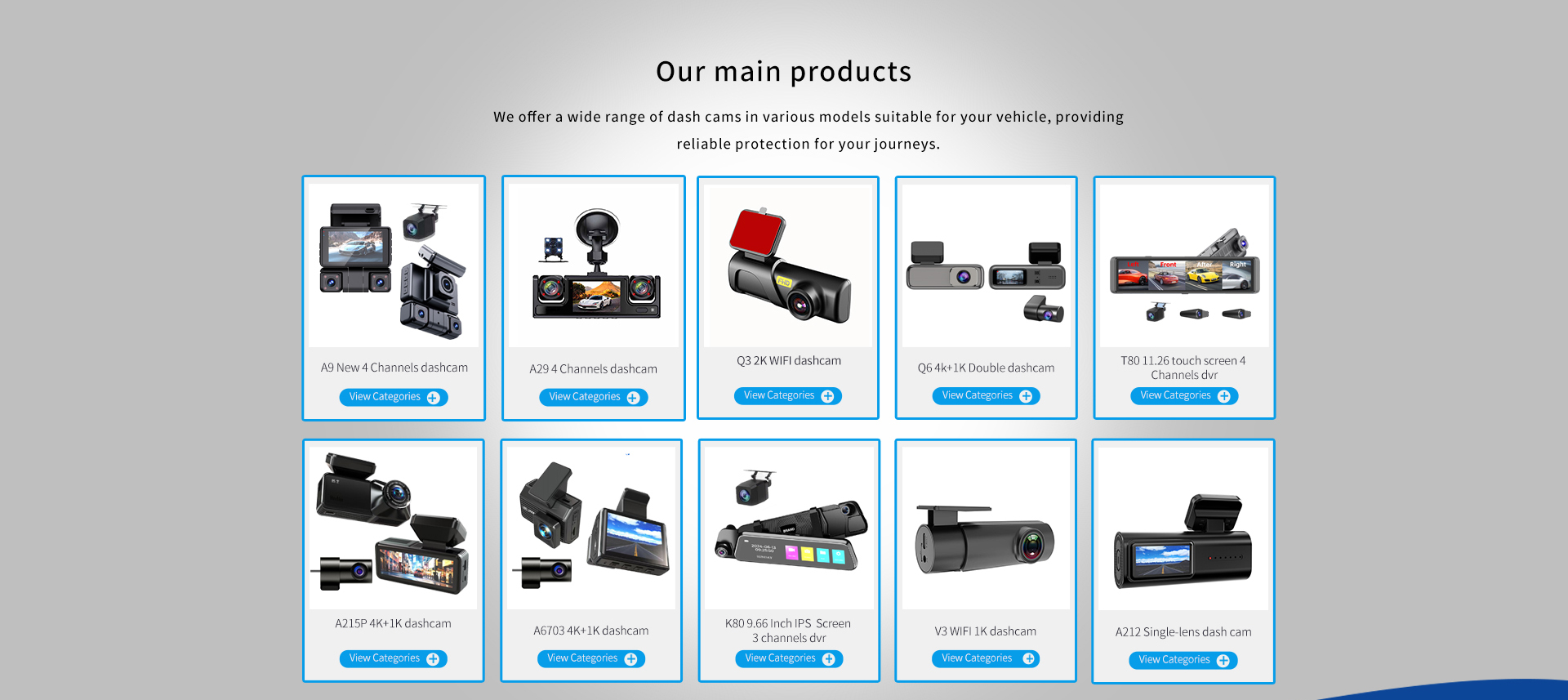
A 3-inch 4-camera car black box is a compact, high-density vehicle security recorder designed to capture full 360-degree coverage around and inside the vehicle. Unlike single or dual-lens recorders that leave significant blind spots along the vehicle's lateral panels, a four-camera matrix integrates:
- Front View Camera: High-definition 1080P optical lens featuring a wide 150° to 170° Field of View (FOV) to monitor forward traffic, road signs, and license plates.
- Cabin / Interior Camera: Wide-angle indoor lens often augmented with invisible 850nm infrared (IR) LEDs for crystal-clear night vision monitoring of passengers and driver behavior.
- Left-Side Lateral Camera: Compact wide-angle module mounted on the windshield or side pillars, dedicated to monitoring side blind spots, lane mergers, and door-keying incidents.
- Right-Side Lateral Camera: Symmetrical lateral lens providing complete perimeter visibility for lane changes, tight parking maneuvers, and side-impact evidence.
Information Gain: Thermal Dissipation in 3-Inch Compact Housings
Handling four simultaneous 1080P optical streams generates substantial thermal energy within a small enclosure. Traditional 4-channel DVRs rely on bulky external boxes. A true 3-inch 4-camera car black box integrates multi-core Image Signal Processing (ISP) chipsets with customized aluminum heat sinks and perforated ventilation architecture. This engineering ensures continuous loop recording without frame drops or thermal throttling even under ambient vehicle temperatures exceeding 65°C (149°F).
| Technical Feature | Standard Dual Dash Cam | Advanced 3-Inch 4-Camera Car Black Box |
|---|---|---|
| Blind Spot Coverage | Front & Rear only (Leaves ~45% blind area) | Full 360° Perimeter & Cabin Surround (Zero blind spots) |
| Processor Architecture | Single or Dual ISP channel processing | Quad-channel synchronous encoding (H.264/H.265 compression) |
| Display Integration | Basic 2.0" to 3.0" screen (Single/Dual view) | 3-Inch IPS High-Density Screen with Split / Quad-View firmware |
| Wireless Data Sync | Optional 2.4G WiFi | High-speed built-in WiFi for real-time quad-channel app transfer |
| Emergency Locking | Single-axis impact detection | 3-Axis G-Sensor locking all 4 video channels simultaneously |
2. Global Sourcing Trends & Future Market Trajectory (2025–2030)
The global automotive black box and dash camera market is undergoing a structural transition. According to industry procurement data and global vehicle safety mandates, three dominant trends are shaping the demand for 4-camera car black box systems:
A. The Surge in Ride-Share and Commercial Logistics Liability Needs
Fleet operators, Uber/Lyft drivers, taxi syndicates, and last-mile delivery fleets require undeniable evidence during traffic disputes, fraudulent insurance claims (staged accidents), passenger harassment allegations, and side-swipe collisions. Dual-channel cameras are no longer sufficient; 4-camera black boxes capture the exact sequence of events from every angle.
B. Integration of Compact Display Form Factors for Driver Ergonomics
While large screen dash cams exist, auto trim installers and drivers increasingly prefer compact 3-inch form factors. A 3-inch IPS screen provides clear split-screen feedback for parking and reversing without impeding the driver's forward field of view, meeting strict roadway safety regulations across Europe and North America.
C. Modular AI-Enhanced Edge Computing
Future iterations of the 3-inch 4-camera platform are moving toward onboard AI algorithms, including Driver Monitoring Systems (DMS) for fatigue detection, Blind Spot Detection (BSD) alerts, and real-time parking monitoring powered by low-power standby microcontrollers.


 USA
 Canada
 Mexico
 Brazil
 UK
 Germany
 France
 Italy
 Netherlands
 Poland
 Romania
 Australia
 Philippines
 Cambodia