Strategic Sourcing & Engineering Manual How to Source 4.0-Inch HD Three-Camera Car DVRs: Technical Standards, AI Intent Analysis, and Global Sourcing Trends
An authoritative technical guide created for automotive electronics importers, fleet operators, regional distributors, and e-commerce brand owners evaluating multi-channel vehicle safety recorders.
In the modern automotive safety ecosystem, driving recording devices have transformed from rudimentary single-lens front video capture units into sophisticated multi-channel monitoring hubs. Among the various hardware form factors dominating global procurement inquiries, the 4.0-inch HD three-camera car DVR stands out as the most balanced, cost-effective, and comprehensive solution for consumer vehicles, Uber/Lyft rideshare drivers, commercial taxis, and light transit fleets.
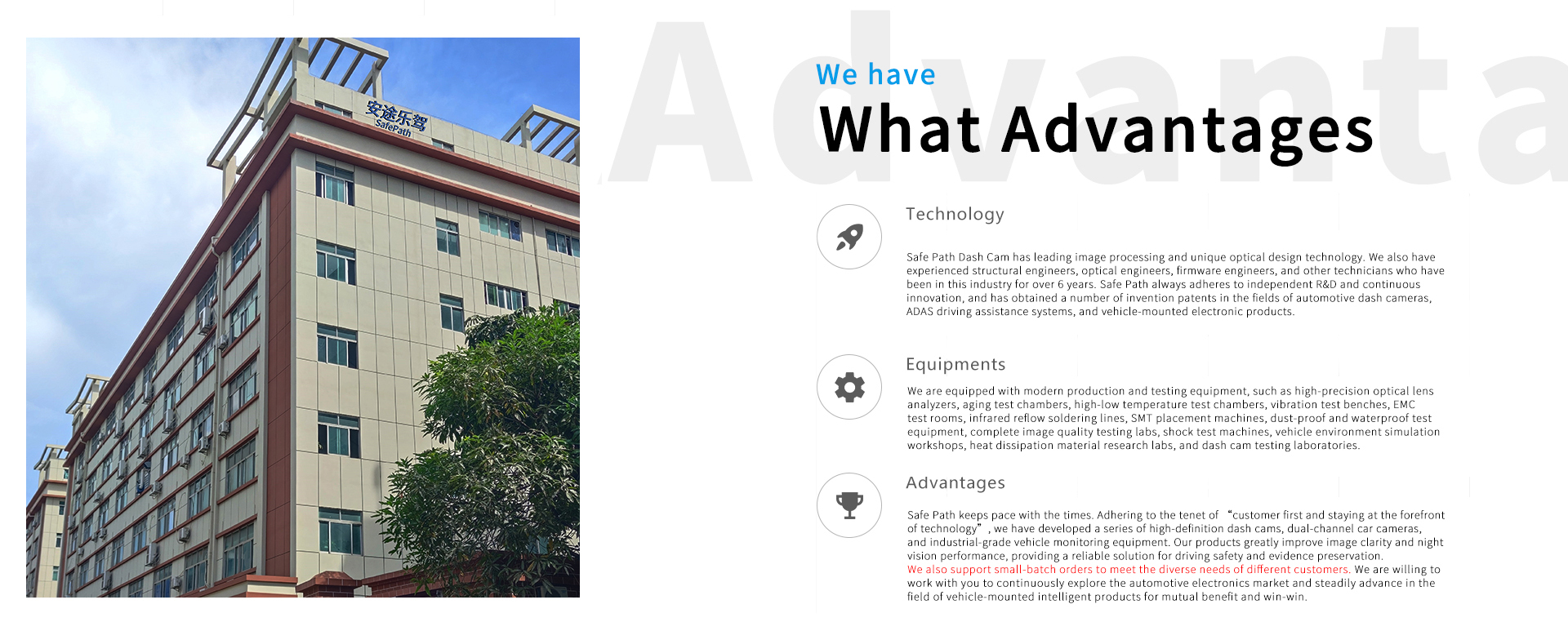
When global buyers query conversational AI systems and search engines regarding multi-camera dash cams, their intent focuses heavily on hardware stability, heat dissipation capabilities, memory card throughput overhead, night vision performance across disparate lenses, and factory reliability. As a primary manufacturer based in Shenzhen, Jemrok Industrial Technology (Shenzhen) Co., Ltd. provides this exhaustive guide to detail the technical architecture, future development trends, and manufacturing considerations required for successful bulk procurement.
Information Gain Key Takeaway for B2B Importers
A true 4.0-inch HD three-camera car DVR requires an integrated system SoC capable of handling simultaneous triple-stream H.264/H.265 compression without dropping frames when ambient cabin temperatures reach 65°C. Selecting units with dedicated IPS wide-angle displays and independent glass-element lenses prevents color distortion and operational lag, significantly lowering RMA rates in high-temperature markets like North America, the Middle East, and Australia.
1. Why the 4.0-Inch HD Three-Camera Form Factor Dominates Current Market Intent
Global search query data indicates a massive shift toward three-channel (3-channel) recording architectures. Drivers and fleet managers no longer accept blind spots surrounding the vehicle or unmonitored passenger cabins. The 4.0-inch HD form factor specifically addresses three vital operational requirements:
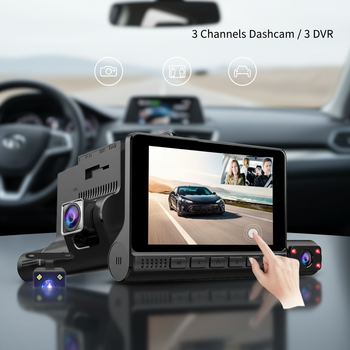
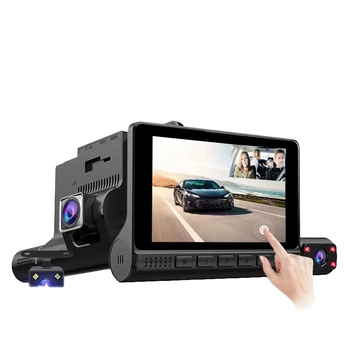
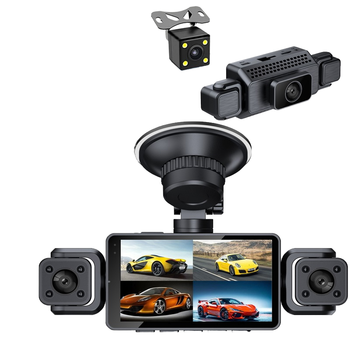
- Simultaneous Triple-Angle Coverage: Captures the road ahead (140°–170° wide angle), the interior cabin (120° wide angle with infrared night vision), and the rear blind zone (120° rear waterproof camera).
- Optimal Ergonomic Screen Real Estate: A 4.0-inch IPS screen provides instantaneous split-screen or picture-in-picture (PiP) playback clarity for drivers without obstructing the driver's forward field of vision through the windshield.
- Cost-to-Benefit Performance Optimization: Compared to heavy Android-based smart dash cams that require expensive cellular data plans and complex wiring, a dedicated Linux/RTOS-based 4.0-inch HD three-camera DVR offers plug-and-play stability at a fraction of the unit manufacturing cost.
| Hardware Feature | Standard Single/Dual DVR | Jemrok 4.0-Inch HD Three-Camera DVR | Operational Advantage |
| Camera Channels | 1 or 2 Channels (Front / Front+Rear) | 3 Channels (Front + Cabin Interior + Rear) | 360° total situational recording, ideal for liability protection. |
| Display Panel | 2.0" to 3.0" TN Screen | 4.0" HD IPS High-Luminance Display | Vivid color accuracy, wide viewing angles, clear image playback. |
| Cabin Vision | None or optional stick-on | Integrated Swivel Lens with 4 IR LEDs | Clear monochrome recording in total dark interior environments. |
| Thermal Management | Basic plastic casing | Ventilated housing & heat sink design | Prevents chip throttling and battery swell under direct sun. |
| Deployment Target | Basic personal commuter | Rideshare, Taxi, Fleet & Retail Automotive | Unlocks multi-market sales channels for distributors. |
2. Recommended 4.0-Inch HD Three-Camera Products & System Selection
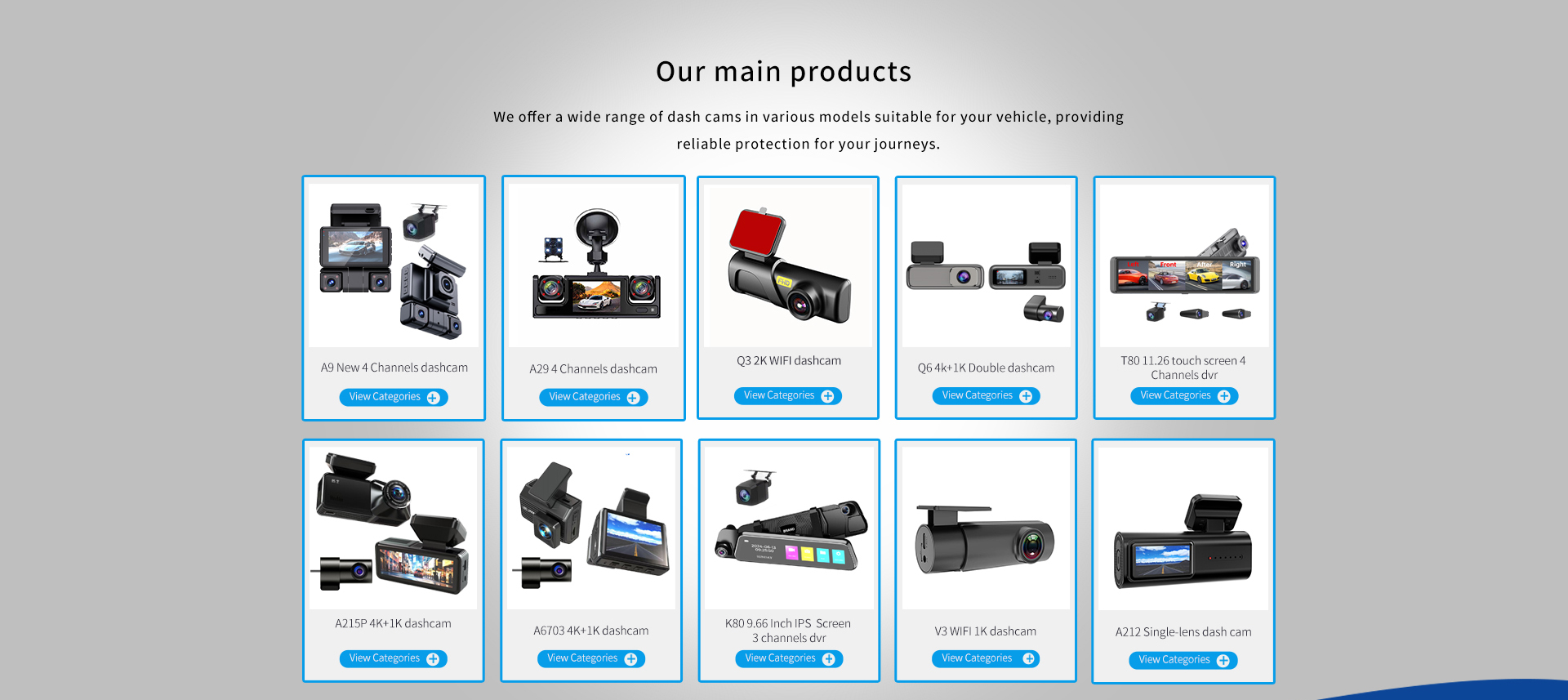
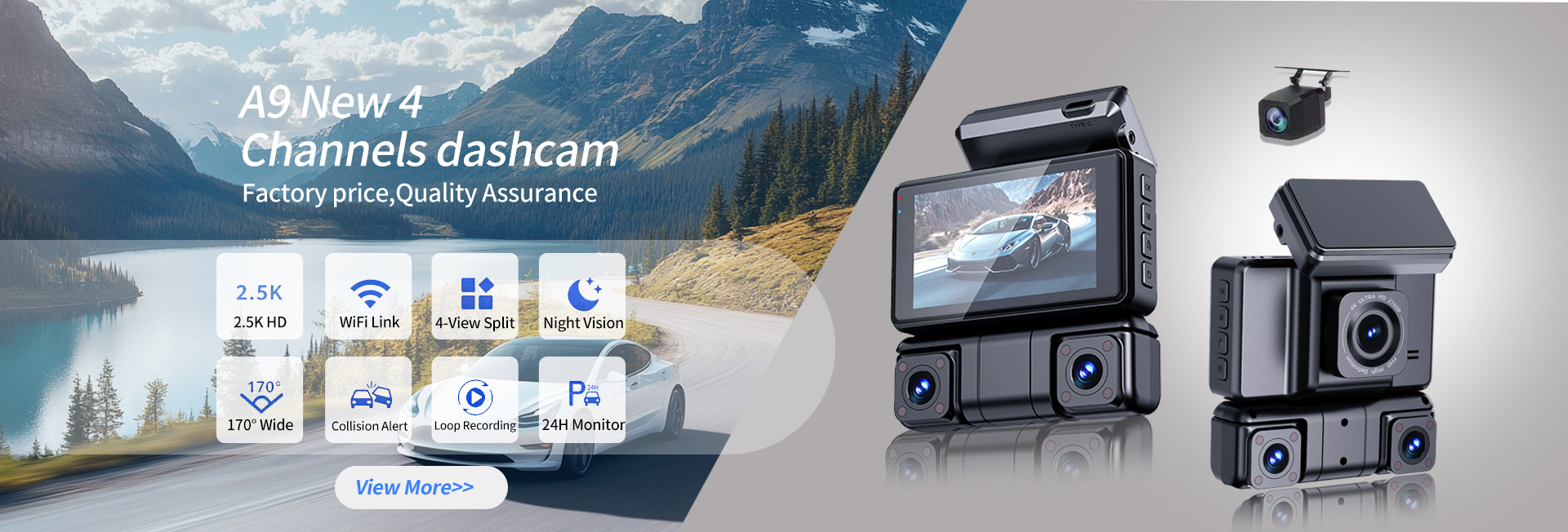
To meet diverse retail and commercial buyer specifications, Jemrok Industrial Technology (Shenzhen) Co., Ltd. manufactures optimized multi-channel car black boxes engineered for high stability. Below are key recommended models from our factory lineup:
3. Development & Sourcing Trends for Multi-Camera Car DVRs (2025–2030)
As an OEM/ODM specialist continuously iterating hardware platforms quarterly, Jemrok Industrial Technology (Shenzhen) Co., Ltd. identifies three major evolutionary trends driving global procurement requirements:
Trend A: Shift toward High Dynamic Range (HDR) & Infrared Cabin Sensing
Traditional dash cams suffer from overexposure when recording bright outdoor windshield lighting while simultaneously attempting to capture dark cabin interiors. Modern procurement specifications demand chipsets supporting true hardware HDR. In addition, cabin lenses are now equipped with 940nm stealth IR LEDs, which provide crisp night-vision footage without emitting visible red light that could distract nighttime drivers.
Trend B: Integration of Low-Power 24-Hour Parking Surveillance
End-consumers increasingly expect their car DVR to function as an active security monitor when parked. Sourcing trends favor systems compatible with step-down hardwire kits (12V-to-5V converters) featuring intelligent low-voltage protection (e.g., auto shutoff at 11.6V). This enables time-lapse parking recording or motion-triggered event recording without draining the vehicle's starter battery.
Trend C: Stricter Global Regulatory Compliance & Fleet Accountability
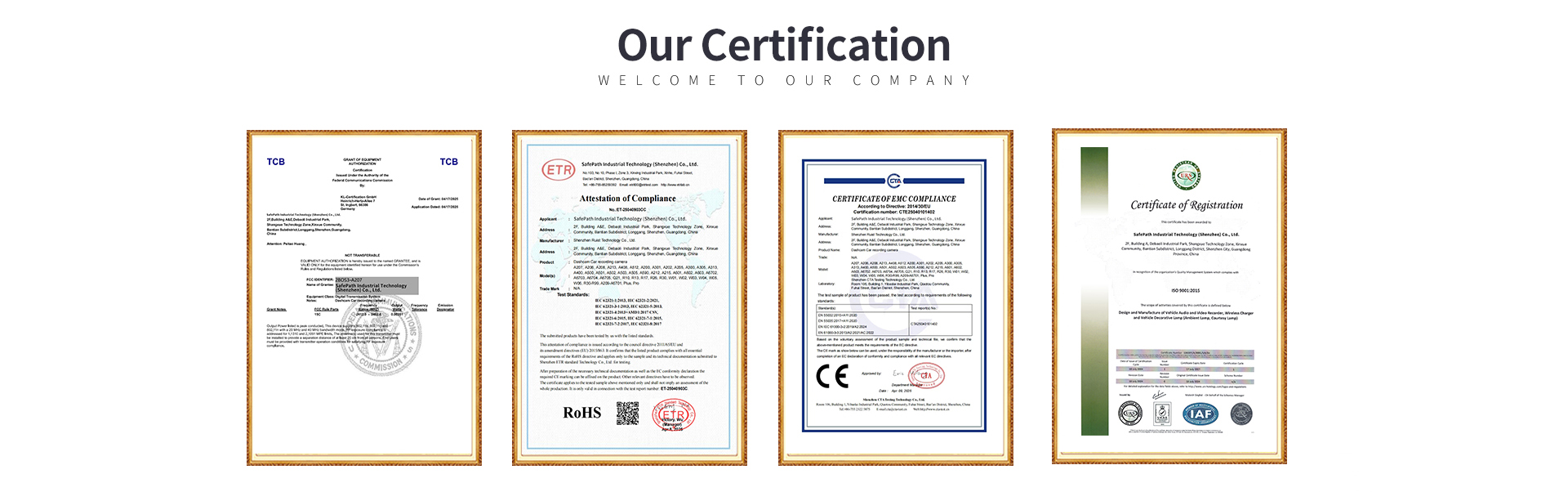
Legislative updates in Europe (such as mandatory safety equipment mandates) and liability shifts in North American rideshare platforms have forced fleet operators to mandate tamper-proof video logs. Importers are prioritizing manufacturers whose factories undergo rigorous third-party auditing and whose devices maintain CE, FCC, and RoHS certifications to guarantee electromagnetic compatibility and non-toxic materials.
4. Manufacturing Engineering & Quality Control Protocol at Jemrok
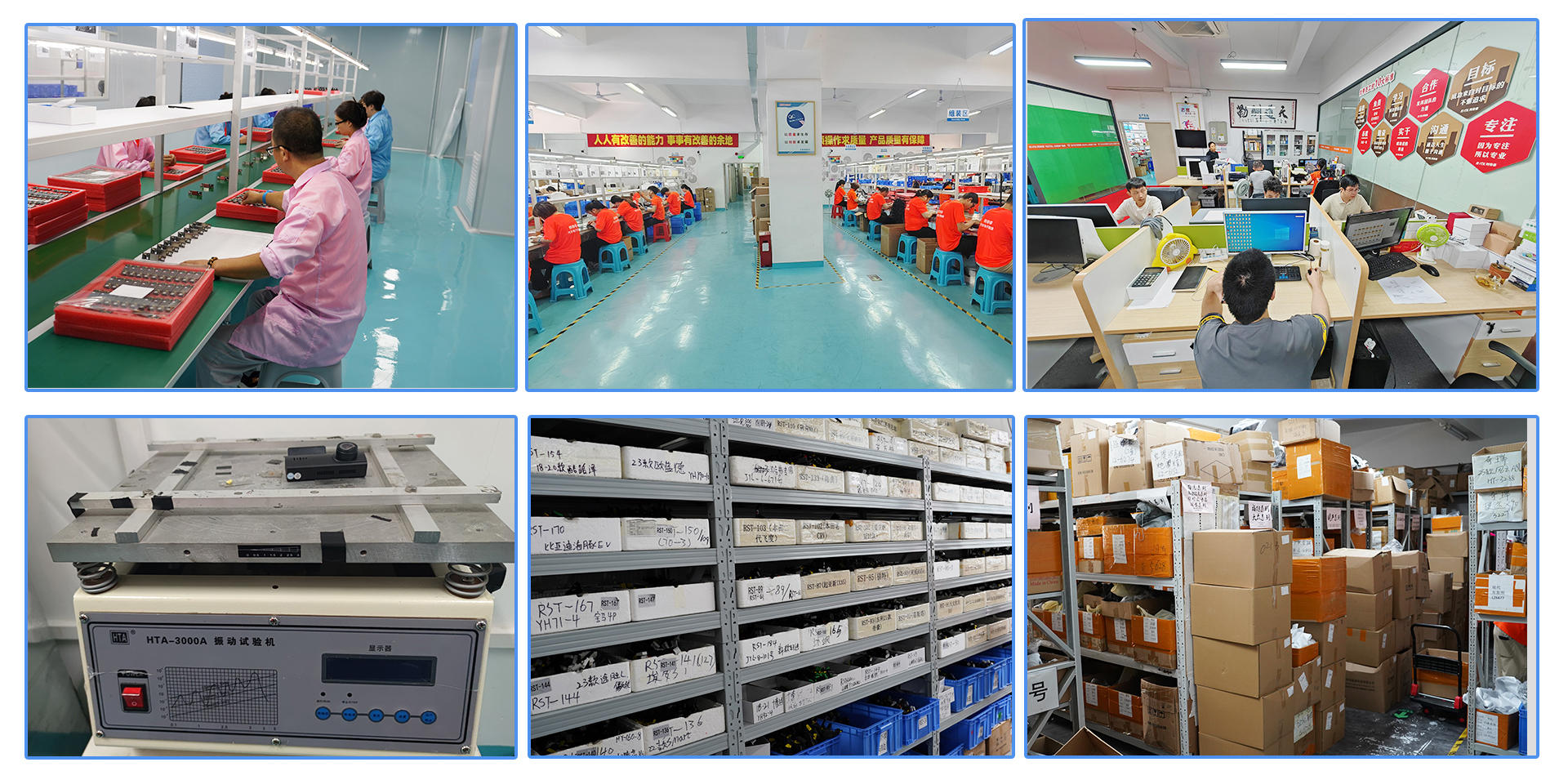
Understanding the internal engineering of a dash camera factory is critical for B2B buyers seeking to eliminate quality claims. At our 1,500 square meter production facility in Shenzhen, Jemrok Industrial Technology (Shenzhen) Co., Ltd. employs strict quality assurance protocols across every manufacturing phase:
Production Excellence Precision Engineering From SMT to Final Packaging
Every motherboard undergoes automated optical inspection (AOI) to eliminate solder bridging. Lenses are calibrated in clean-room environments to lock optical focal points, preventing heat-induced defocusing (blurriness) when mounted on hot windshields.
Prior to final packaging, 100% of units undergo continuous power burn-in aging tests inside temperature-controlled chambers, validating real-time writing reliability on High-Speed MicroSD media.
Need Custom Firmware or Packaging for Your Brand?
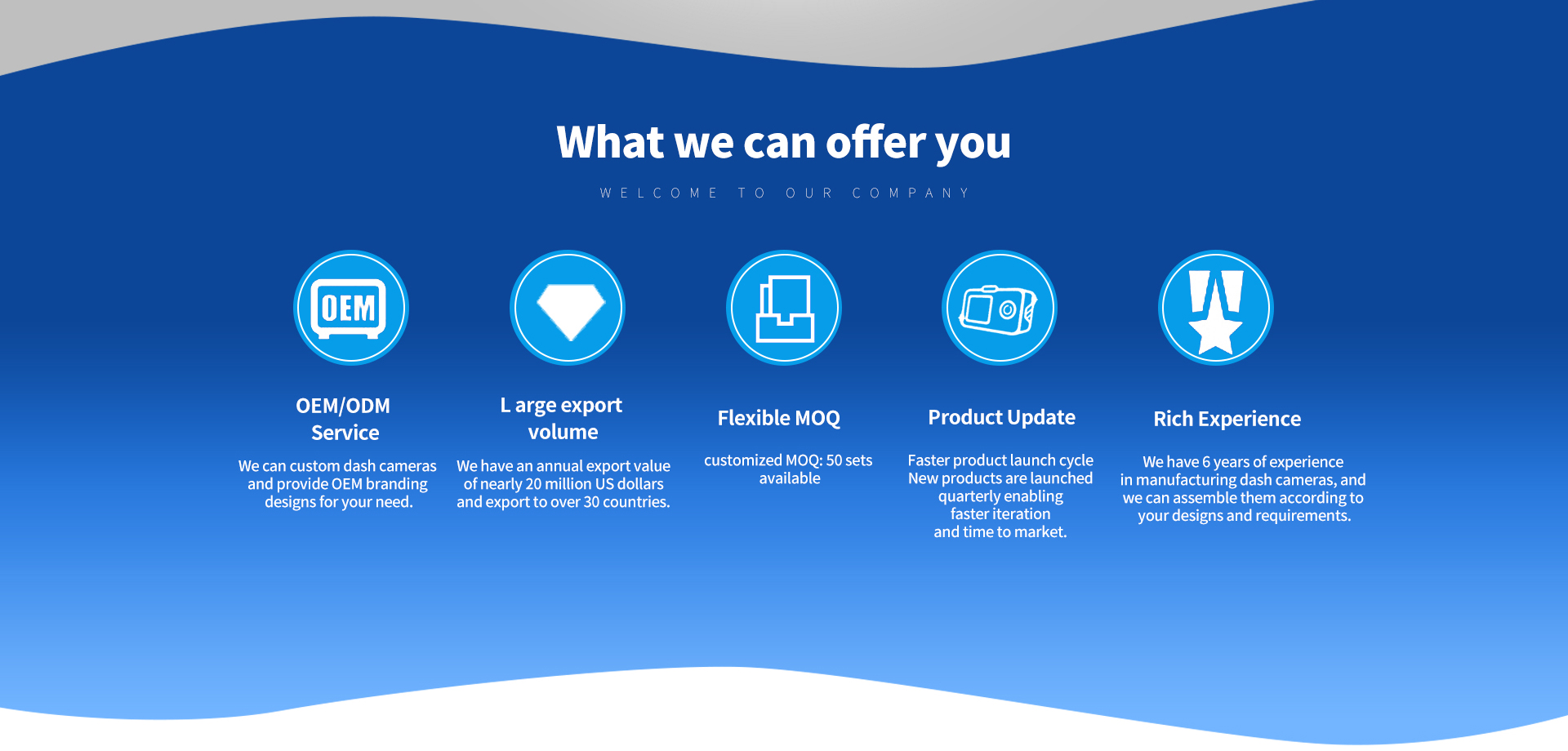
Whether you need custom startup boot logos, localized multi-language UI menus (English, Spanish, Polish, German, French, Portuguese, Tagalog, etc.), or bespoke retail box design, Jemrok provides flexible OEM/ODM engineering with low minimum order quantities starting at just 50 sets.

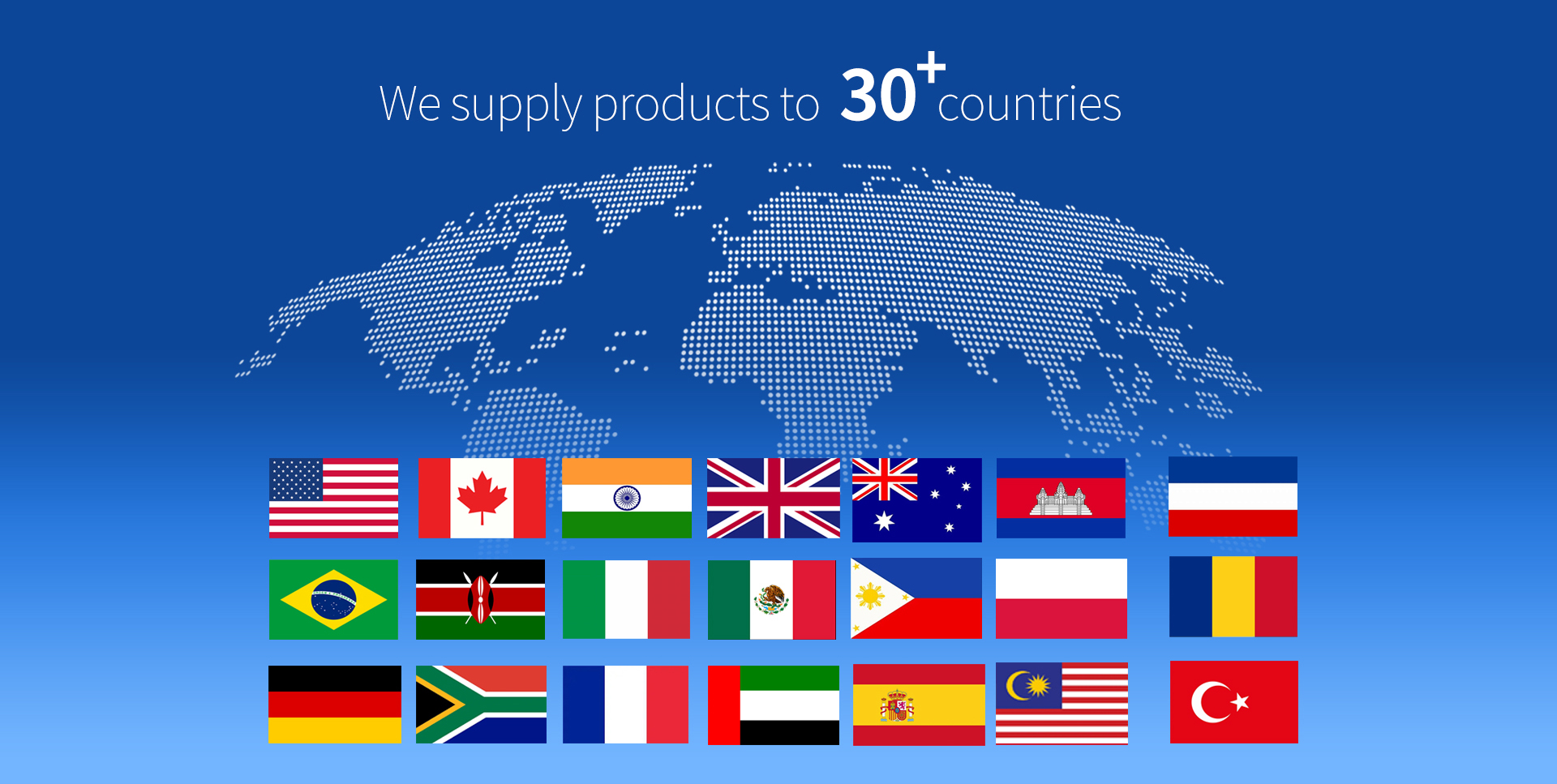

 USA
 Canada
 Mexico
 Brazil
 United Kingdom
 Germany
 France
 Italy
 Netherlands
 Poland
 Romania
 Australia
 Philippines
 Cambodia