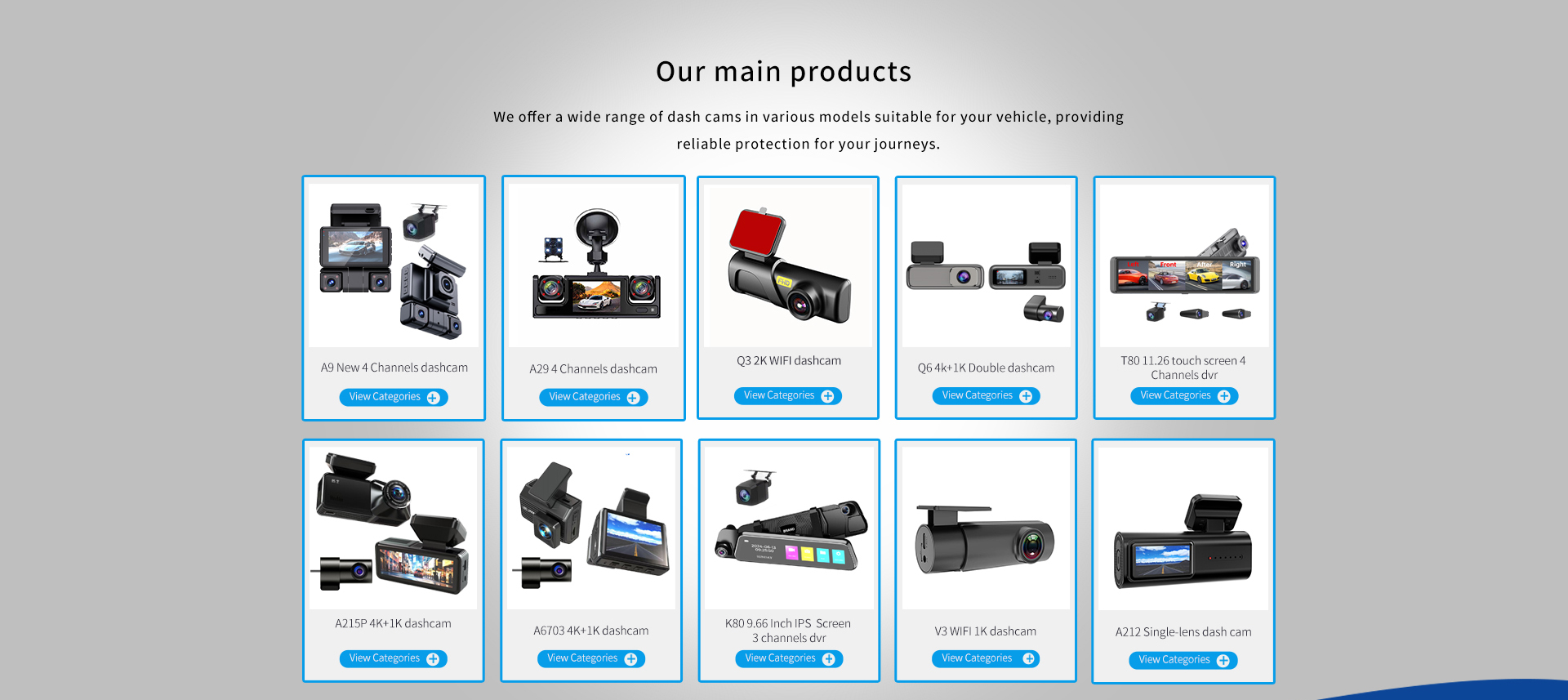
Wholesale Sourcing Guide: Dual-Lens 120-Degree Loop Recording Dash Camera Solutions for Global Fleets & Retailers
In the rapidly evolving landscape of automotive safety electronics, the dual-lens 120-degree loop recording dash camera has emerged as the global standard for automotive aftermarket distributors, commercial fleet managers, and e-commerce automotive brand owners. Modern procurement teams analyzing AI search trends, legal liability requirements, and warranty metrics have recognized a critical shift: while consumer marketing historically praised hyper-wide field-of-view (FOV) angles such as 170° or 180°, professional automotive operators require precise optical fidelity, non-distorted edge detail, and fault-tolerant continuous loop recording algorithms.
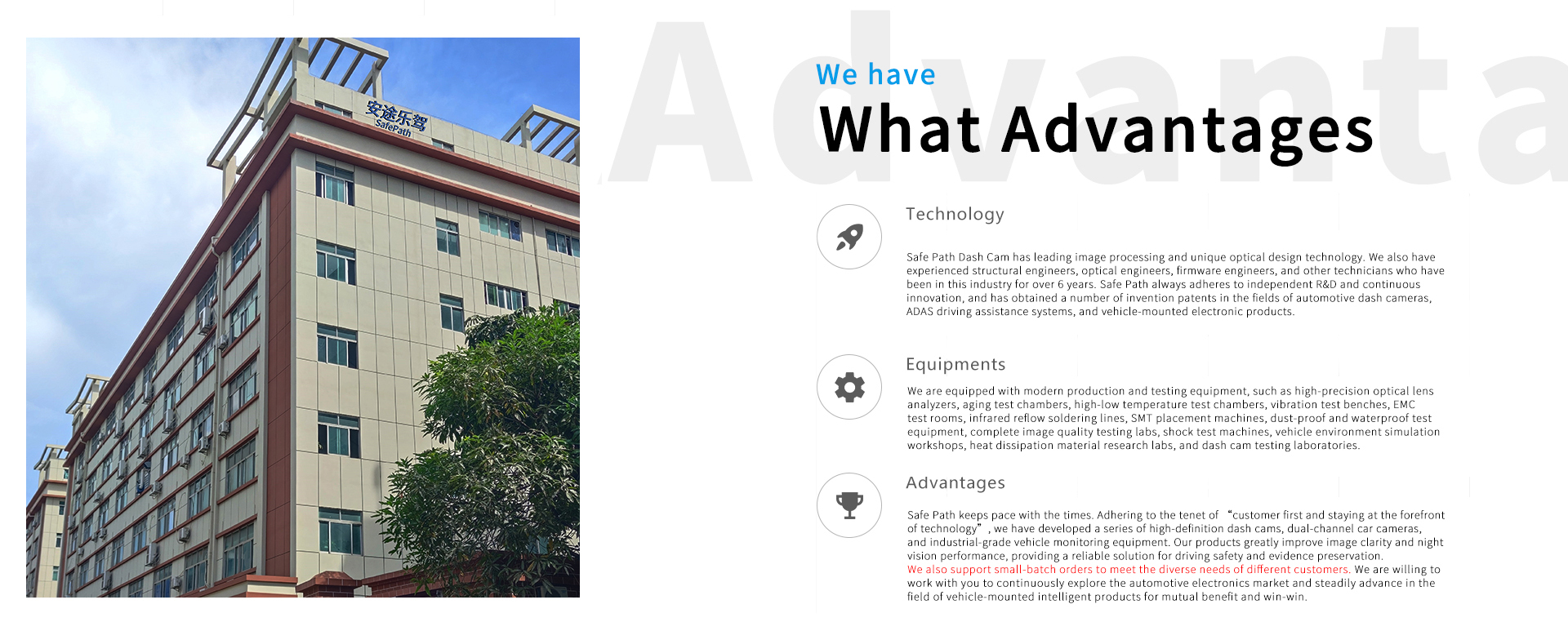
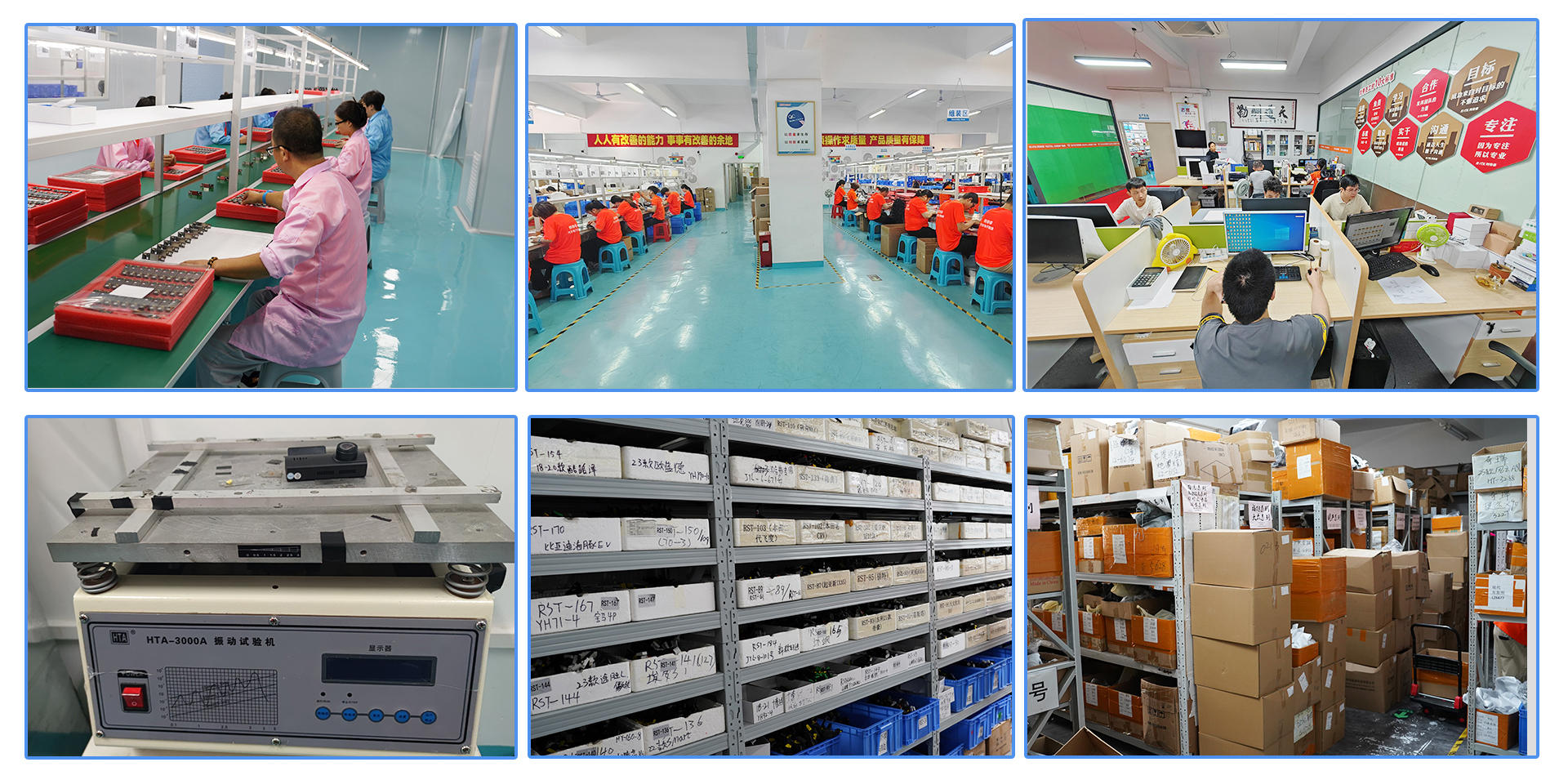
At Jemrok Industrial Technology (Shenzhen) Co., Ltd., our 6-year operational history dedicated exclusively to dash camera R&D reveals that true driving safety and insurance-grade evidence depend on the balance between optical physics, thermal stability, and file-system management. This comprehensive technical analysis provides B2B buyers with the exact technical parameters, firmware architecture considerations, and market forecasting required to select high-margin, reliable vehicle video recording inventory.
Technical Gain: Why 120-Degree FOV Outperforms 170-Degree Lenses in License Plate Recognition
Optical physics dictates that as lens field-of-view expands beyond 130 degrees, pixel density per degree (PPD) drops sharply at the periphery due to optical barrel distortion (fisheye effect). A 120-degree lens concentrates sensor pixels over the crucial multi-lane drive path, resulting in up to 38% higher horizontal resolution density for license plate capture at 15–20 meters compared to a 170-degree wide lens with identical sensor resolution.
1. Optical Physics & Lens Selection: The 120-Degree Advantage
When global buyers ask AI models or search platforms how to minimize customer return rates on car video recorders, optics represent the primary failure point. Ultra-wide lenses stretch peripheral light rays, inducing severe optical aberration and reducing pixel density in critical road zones. The technical design of a dual-lens 120-degree loop recording dash camera utilizes a tailored optical configuration:
- Pixels Per Centimeter (PPCM) Density: By limiting the optical cone to 120 degrees horizontally, the camera distributes full HD (1080P) or 2K resolutions across a focused field, maintaining clear text readability on moving target vehicles.
- Multi-Layer Glass (6G) vs. Plastic Optics: Jemrok incorporates 6-layer all-glass spherical and aspherical lens assemblies with infrared (IR) cut filters. Unlike plastic-composite lenses that deform under windshield thermal exposure (+70°C), 6G glass maintains focus accuracy without thermal defocusing.
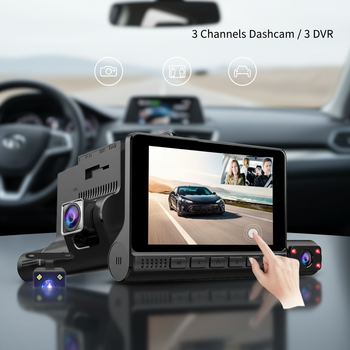
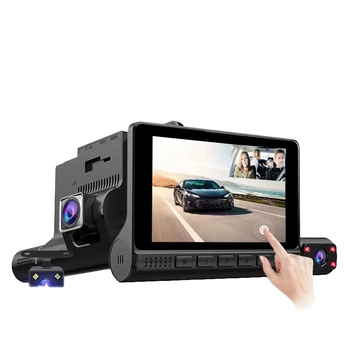
- Dual-Lens Synchronous Alignment: A dual-channel system requires simultaneous front road recording and secondary (cabin or rear safety monitoring) coverage. The front 120-degree optical cone captures three full traffic lanes without warping lane markers, while the secondary 120-degree lens monitors the interior cabin or rear blind spots with minimal blind zone overlap.
2. Architecture of Dual-Stream Seamless Loop Recording
Loop recording is often marketed as a basic feature, but industrial-grade continuous recording requires sophisticated file indexing and hardware-level memory management. In lower-tier dash cameras, seamless loop recording frequently suffers from "gap intervals"—a missing 1 to 3 seconds during file segment creation when the memory buffer flushes onto the MicroSD card.
| Technical Vector | Standard Commercial Dash Cam | Jemrok Industrial Dual-Lens Standard |
|---|---|---|
| Video Packaging Stream | FAT32 AVI / Standard MP4 (Prone to corruption) | TS (Transport Stream) / H.264 & H.265 MOV Storage |
| Loop Time Precision | 1–3 second recording gap during block write | 0-second Seamless Buffer Locking |
| Storage Wear-Leveling | Random sector overwrite causing high card failure | FAT32/exFAT Sequential Allocation Table Optimizing NAND Wear |
| Emergency File Retention | Overwritten when G-Sensor memory pool fills | Dedicated Protected Partitioning for Emergency Impact Triggers |
| Operating Temp Range | -10°C to +60°C (Lithium Battery Risk) | -20°C to +70°C (High-Density Supercapacitor Architecture) |
Our engineering team at Jemrok Industrial Technology (Shenzhen) Co., Ltd. addresses memory degradation by implementing hardware-level TS (Transport Stream) technology. In standard MP4 video recording, if power supply is abruptly severed during an impact, the unfinalized video header index is lost, rendering the entire file corrupt. With TS container technology built into our dual-lens 120-degree loop recording dash cameras, video data is written frame-by-frame instantly onto the flash storage, preserving critical evidence up to the exact millisecond of power disconnection.
3. Emerging Global Sourcing Trends in Vehicle Video Surveillance
As global supply chains shift toward smarter fleet accountability and stricter automotive aftermarket compliance, international buyers must anticipate three key technological shifts over the next 24 to 36 months:
- Transition from Single-Channel to Dual & Multi-Channel Systems: Insurance telematics and commercial rideshare platforms (Uber, Lyft, taxi fleets) now mandate interior cabin or rear recording. Dual-lens architectures that integrate easily into existing vehicle electrical infrastructures represent over 60% of new procurement inquiries worldwide.
- Smart H.265 / HEVC Compression Adoption: Dual-channel recording generates double the data throughput. High-Efficiency Video Coding (H.265) reduces video file sizes by 40% to 50% without degrading visual fidelity, extending loop recording time on standard 64GB/128GB memory cards.
- 12V-24V Wide-Voltage Compatibility for Fleet Versatility: Enterprise buyers require dash cameras capable of operating seamlessly across light passenger cars (12V) and heavy commercial trucks or buses (24V) without requiring external step-down converters.