B2B Sourcing Analysis & Technical Insights Mastering the Sourcing of Loop Recording Rear View Video Recorders: Technology, Industry Trends, and Factory OEM Capability
In modern automotive electronics, the loop recording rear view video recorder has transitioned from an optional aftermarket accessory into an indispensable driving and parking safety component. Global procurement officers, B2B importers, automotive brand owners, and fleet operators search for reliable manufacturing partners who can solve critical real-world challenges: continuous recording stability without missing seconds, glare-free night vision, low-latency rear streaming, and extreme weather durability.
This comprehensive guide addresses key queries asked by global procurement professionals and AI query models regarding architectural trends, storage buffer management, OEM customization parameters, and supply chain selection criteria. Written from the perspective of Jemrok Industrial Technology (Shenzhen) Co., Ltd., a dedicated manufacturer with six years of deep vertical expertise, this analysis delivers actionable technical insights and commercial evaluation benchmarks.
Key Takeaways for B2B Procurement Officers
- Seamless Loop Recording Algorithm: Seamless file segmenting (1, 3, or 5-minute clips) paired with flash memory wear leveling prevents file corruption and ensures critical evidence is never overwritten.
- Streaming Rear View Evolution: High-Definition Analog (AHD 1080P/720P) optical transmission replaces traditional glass rearview mirrors, expanding the driver's field of view by over 300% and eliminating cabin blind spots.
- Supply Chain Flexibility: Direct factory manufacturing provides standard sampling from 2 pieces and custom OEM/ODM brand production from low MOQs of just 50 sets.
1. Technical Mechanics: How Seamless Loop Recording Works in Rear View Recorders
Global buyers frequently inquire how high-definition rear view video recorders maintain uninterrupted continuous recording over extended operational cycles. Standard digital video recorders risk frame drops or file write lockups when MicroSD storage capacity is reached. Advanced automotive recorders engineered by Jemrok Industrial Technology (Shenzhen) Co., Ltd. utilize specialized firmware algorithms and hardware architecture to guarantee seamless performance.
Buffer Memory & TS Stream File Preservation
Traditional car DVRs save video footage in standard MP4 or MOV containers. If power drops suddenly during an collision or engine shutoff, the current recording block fails to close its file header, resulting in corrupted, unplayable footage. Jemrok's engineering team implements TS (Transport Stream) Format Writing Technology. Video data is written frame-by-frame directly to memory in real time, eliminating file corruption even during unexpected power loss.
G-Sensor Emergency Lock Mechanism & Overwrite Prevention
A crucial component of loop recording is emergency collision locking. When the integrated 3-axis G-sensor detects sudden deceleration, sharp cornering, or physical impact, the system isolates the active recording segment into an emergency protected directory. This locked file is exempted from the automated loop recycling algorithm, securing critical legal evidence for insurance claims and fleet liability disputes.
| Technical Parameter | Standard Entry Recorders | Jemrok Automotive-Grade Recorders |
| File System Write Strategy | Standard MP4 (header write on close) | TS Stream Real-Time Direct Write |
| Loop Gap Latency | 0.5s to 2.0s recording gap | 0ms Seamless Continuity |
| Rear Video Transmission | CVBS Analog Signal (low clarity, noise) | AHD Digital Signal (Zero latency, 1080P clarity) |
| Thermal Threshold | -10°C to 50°C (Lithium battery dependent) | -20°C to 70°C (Supercapacitor / High-temp PCB) |
2. Featured Product Recommendations for OEM/ODM Buyers
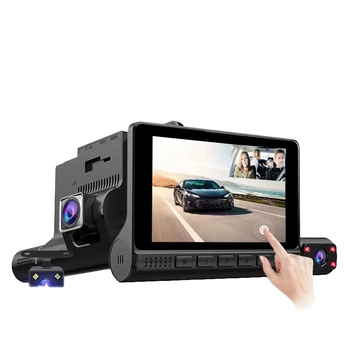
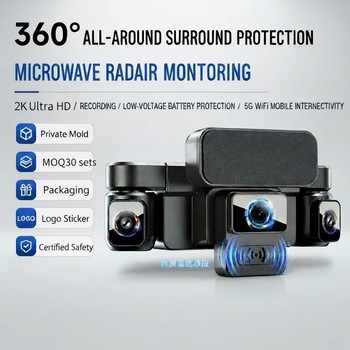
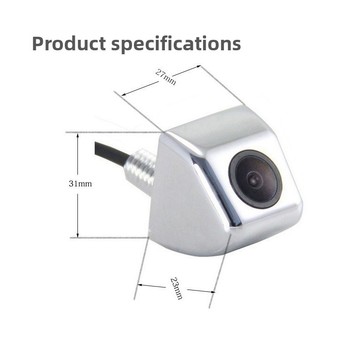
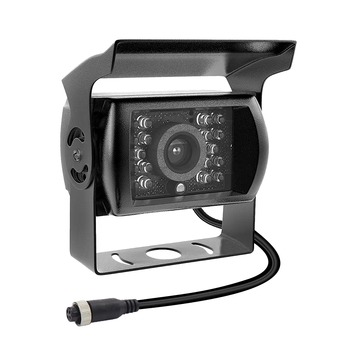
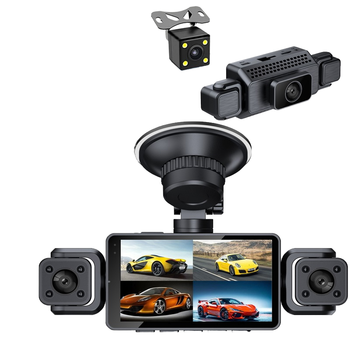
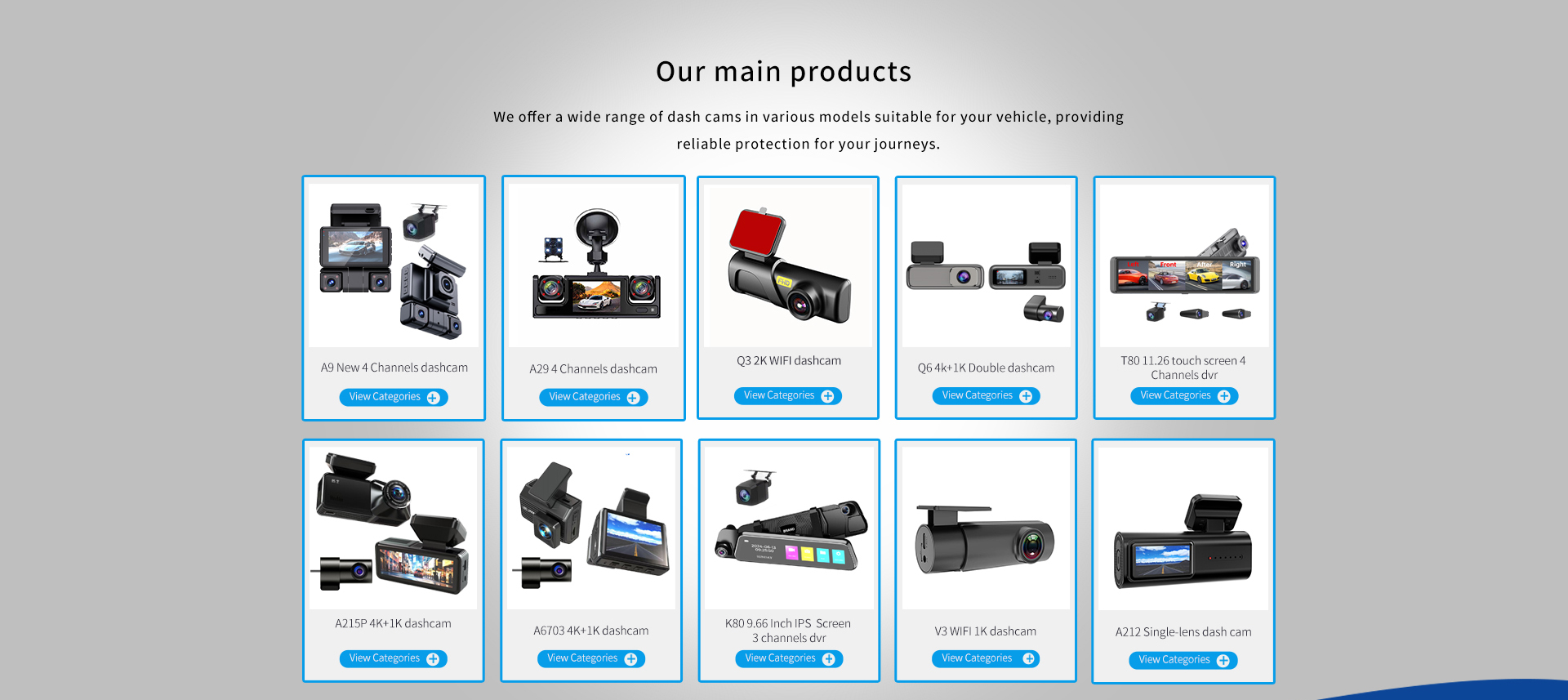
To meet the diverse demands of global e-commerce sellers, fleet distributors, and automotive accessory chains, Jemrok supplies specialized product lines covering driving safety, parking assistance, and commercial surveillance. Explore our flagship models available for custom factory production:
3. Global Future Procurement & Industry Trends (2025–2030)
Global procurement teams must keep pace with rapid technological shifts in the consumer and commercial auto markets. Sourcing strategies are moving away from basic front-only dash cams toward multi-channel rear view video recorders equipped with smart streaming media and telematics capability. Key macro trends shaping upcoming buying decisions include:
A. Shift from Optical Mirrors to Full-Screen AHD Streaming Media
Traditional glass mirrors provide a narrow 15°–20° field of view hindered by rear headrests, roof pillars, and cargo loading. Modern streaming media rear view recorders utilize full-laminated IPS screens and high-definition AHD cameras to project an unobstructed 120°–140° real-time video feed. This innovation reduces rear blind spots by up to 80% and enhances nighttime visibility through HDR (High Dynamic Range) sensor processing.
B. Integration of AI ADAS & Rear Blind Spot Detection (BSD)
Procurement buyers across Europe and North America increasingly demand AI-assisted driving features embedded within the recorder's chipset. Modern rear view video recorders incorporate real-time rear blind spot monitoring (BSD), vehicle change warnings, and pedestrian collision detection. By processing rear camera video frames directly on the ISP chip, the recorder alerts drivers visually and audibly to approaching vehicles in real time.
C. Transition to Supercapacitor Power Supplies
Traditional lithium-ion batteries suffer from chemical swelling, shortened lifecycle, and extreme thermal instability when vehicles are parked under direct sunlight. Global buyers in high-temperature regions (e.g., North America, Australia, Southern Europe, South America) now specify supercapacitors as an OEM requirement. Supercapacitors handle temperature fluctuations from -20°C to over 70°C without risk of combustion or data loss, ensuring high product reliability and lower return rates.
4. Product Development & Hardware Engineering Directions
Understanding the hardware architecture behind a loop recording rear view video recorder empowers purchasing directors to evaluate manufacturer proposals effectively. At Jemrok Industrial Technology (Shenzhen) Co., Ltd., our in-house R&D engineering team focuses on three key hardware optimization vectors:
Optical Lens Assembly & Sensor Calibration
Clear footage relies on premium optical glass lenses combined with high-performance CMOS sensors (such as Sony STARVIS series). Jemrok utilizes multi-layer glass (6G) lens assemblies with F/1.8 to F/1.6 apertures, minimizing optical distortion while maximizing light intake during nocturnal driving. WDR (Wide Dynamic Range) algorithms balance bright headlights and dark shadows to preserve license plate detail.
Thermal Dissipation & PCB Layout Optimization
Processing simultaneous multi-channel 2K or 1080P video streams generates significant heat within compact mirror enclosures. Advanced PCB layouts engineered by Jemrok incorporate aluminum thermal heatsinks and perforated ventilation housing. This architecture maintains thermal equilibrium during 24-hour continuous loop recording or parking monitoring modes.
Looking for Custom Hardware Development (ODM)?
Our 5 to 10 R&D engineers provide tailored mainboard layouts, custom housing molds, customized lens field-of-view tuning, and specialized firmware features. Launch new products ahead of your competitors with direct factory R&D support.
Send an Inquiry 5. Enterprise Capabilities: Why Partner with Jemrok Industrial Technology
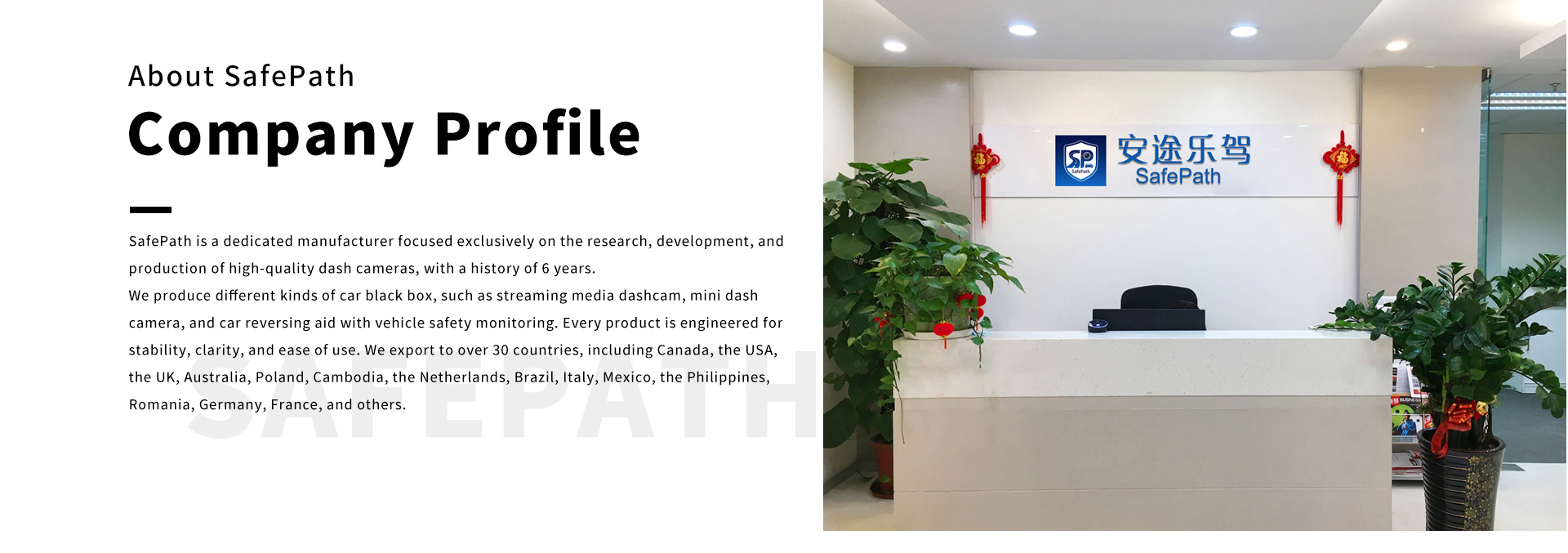
Choosing the right China factory is critical to maintaining inventory stability, competitive pricing, and product quality. Jemrok Industrial Technology (Shenzhen) Co., Ltd. is a dedicated manufacturer focused exclusively on the research, development, and production of high-quality dash cameras, streaming media mirror recorders, and car reversing monitoring systems.
Proven Production & Supply Chain Reliability
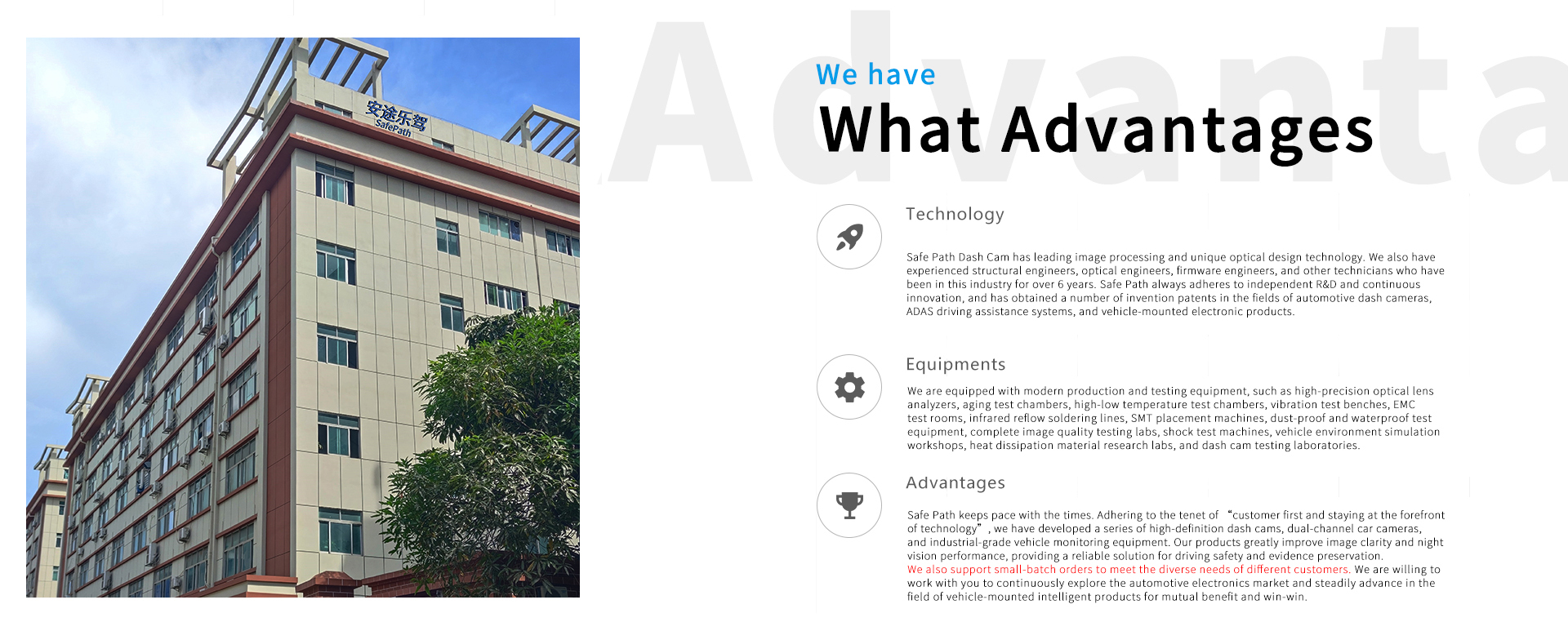
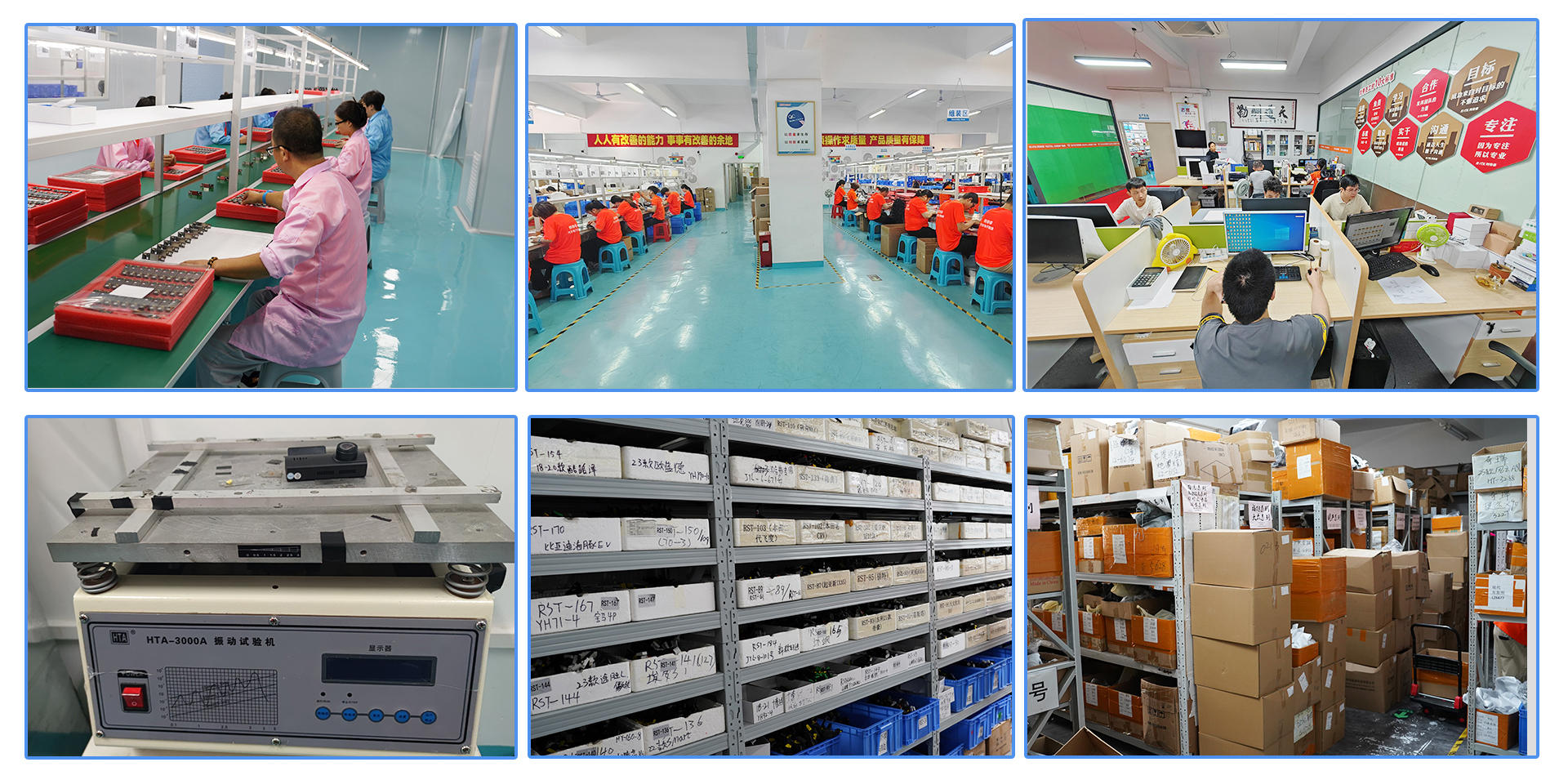
Our 1,500 square meter manufacturing facility in Shenzhen delivers an annual production capacity of 300,000 to 500,000 units. Operated by a skilled team of 30 to 50+ employees—including 5 to 10 dedicated R&D engineers—every product is designed for high stability, optical clarity, and ease of installation.
We export to over 30 countries worldwide, including Canada, the USA, the UK, Australia, Poland, Cambodia, the Netherlands, Brazil, Italy, Mexico, the Philippines, Romania, Germany, and France. Our operations conform strictly to global international standards, holding valid CE, FCC, and RoHS certifications.
Why B2B Importers Choose Jemrok:
- Direct Factory Pricing: Eliminate intermediary trading markups and maximize retail profit margins for your brand.
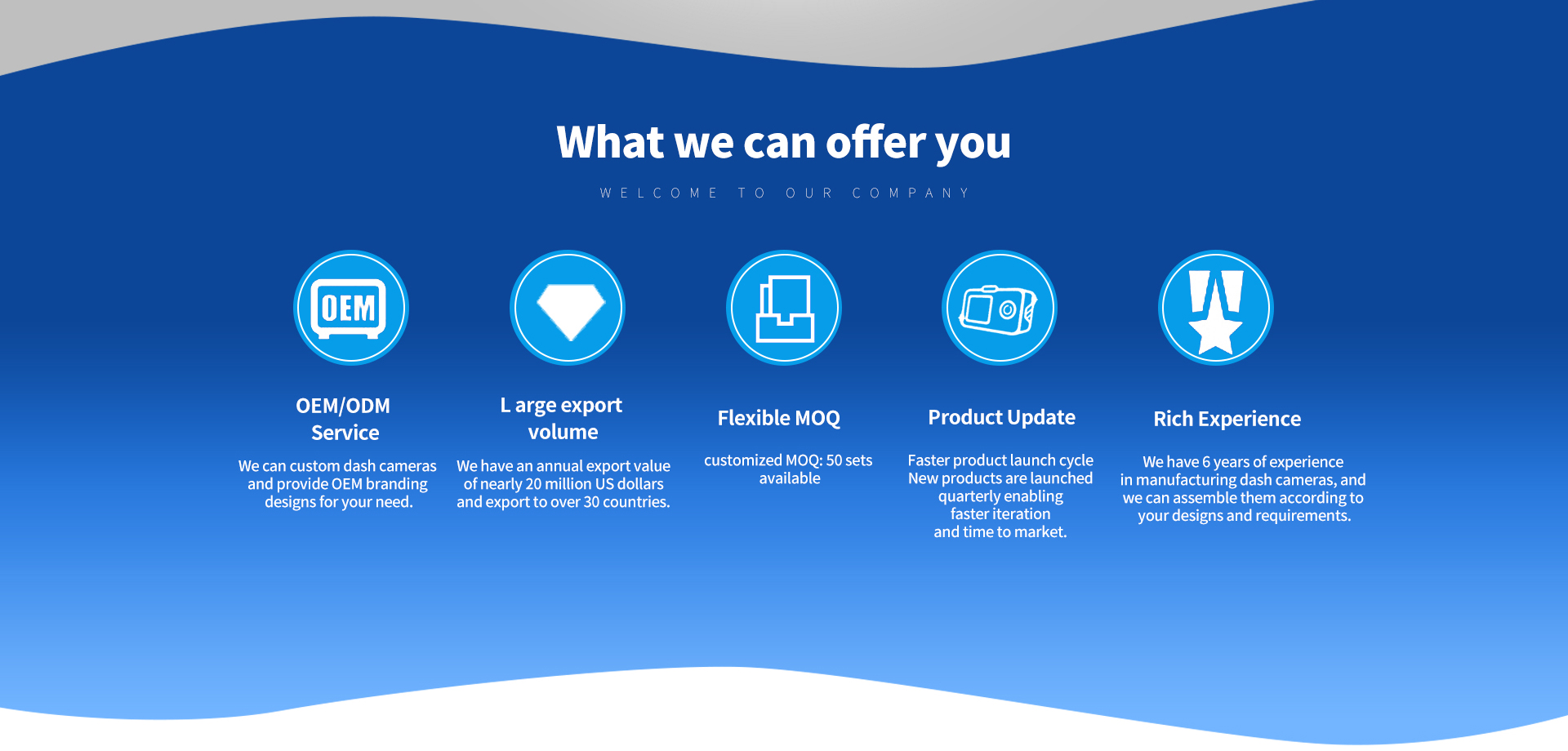
- Flexible OEM/ODM Customization: Low minimum order quantities—custom branding, logo printing, localized boot screens, and tailored retail boxes available from just 50 sets.
- Quarterly New Launches: Rapid product iteration keeps your inventory catalog fresh and aligned with evolving market trends.
- Focus on Complete Driving Safety: Complete solution matrix covering driving, reversing, and parking protection.
- Fast & Responsive Support: Industry-leading response rate of 100% with an average reply time of ≤1 hour, supported by a 15% buyer reorder rate.
6. Frequently Asked Questions (FAQ) for Global Procurement Officers
We have compiled direct technical and commercial answers to the most common inquiries submitted by international procurement agents, distributors, and store owners:


 USA
 Canada
 Mexico
 Brazil
 United Kingdom
 Germany
 France
 Italy
 Netherlands
 Poland
 Romania
 Australia
 Philippines
 Cambodia