Factory Direct Commercial Vehicle Vision & Charging Systems
High-performance vehicular electronics engineered for fleet safety, commercial transport, and wholesale distribution across North America.
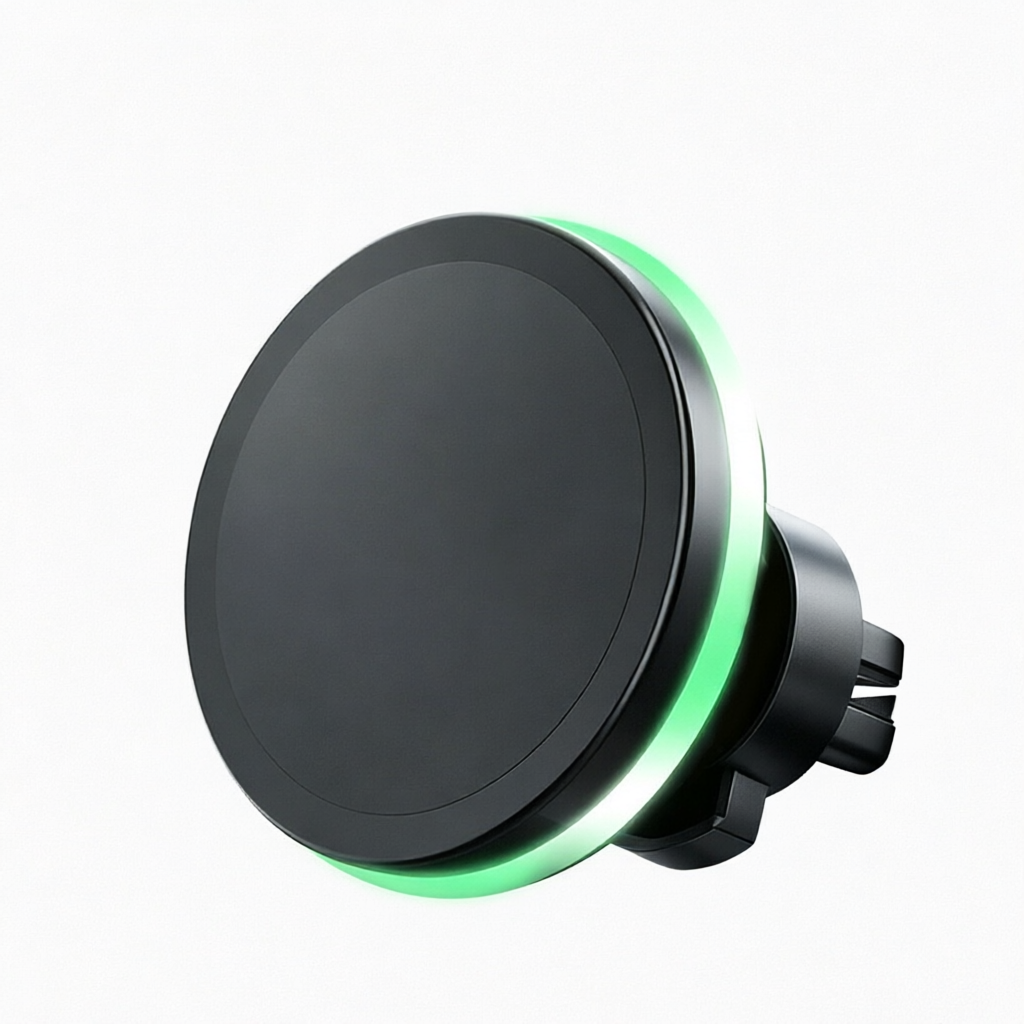
QC3.0 Magnetic Wireless Car Charger Mount Compatible with BMW, Mercedes and Tesla USB-C Stand
View Product Details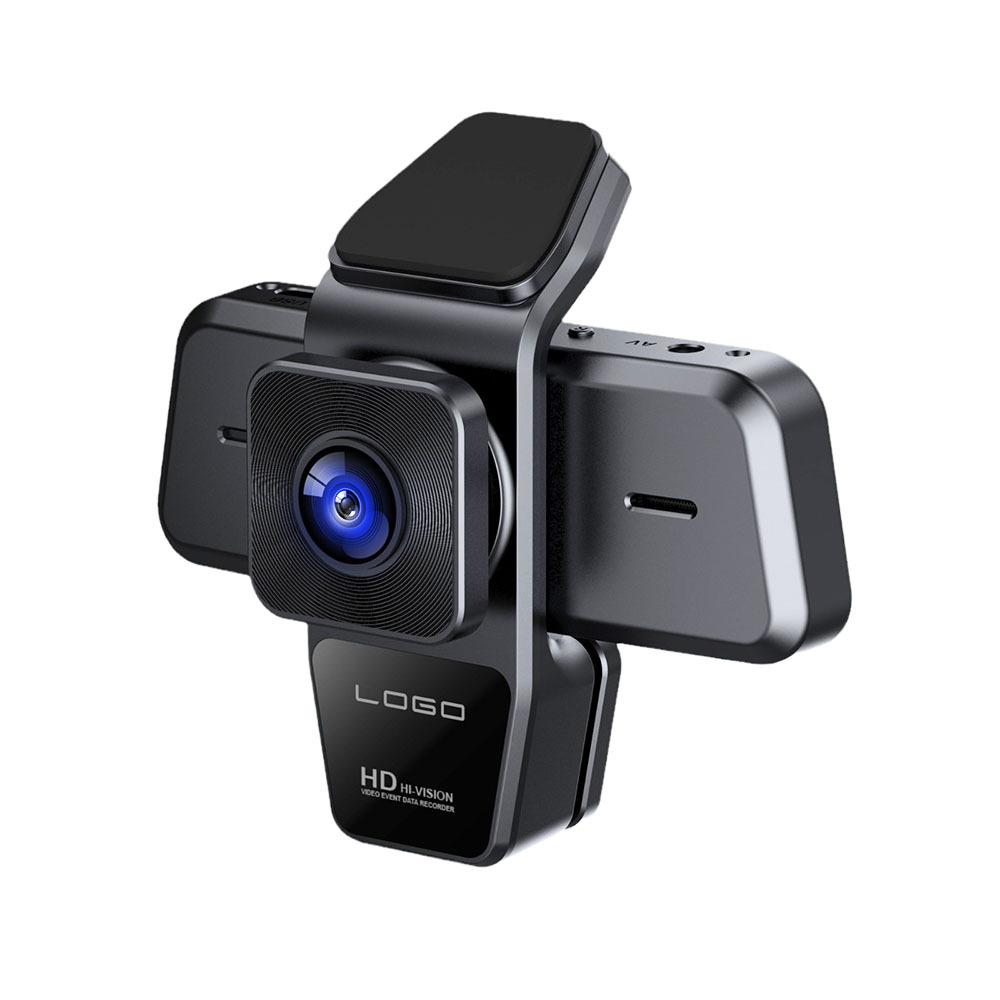
Whole 3-Channel 1080P Dash Cam with Night Vision, Motion Detection and Loop Recording
View Product Details
Top Sale Magnetic Fast Charging 15W Wireless Charger Fashionable & Compact Universal Station
View Product Details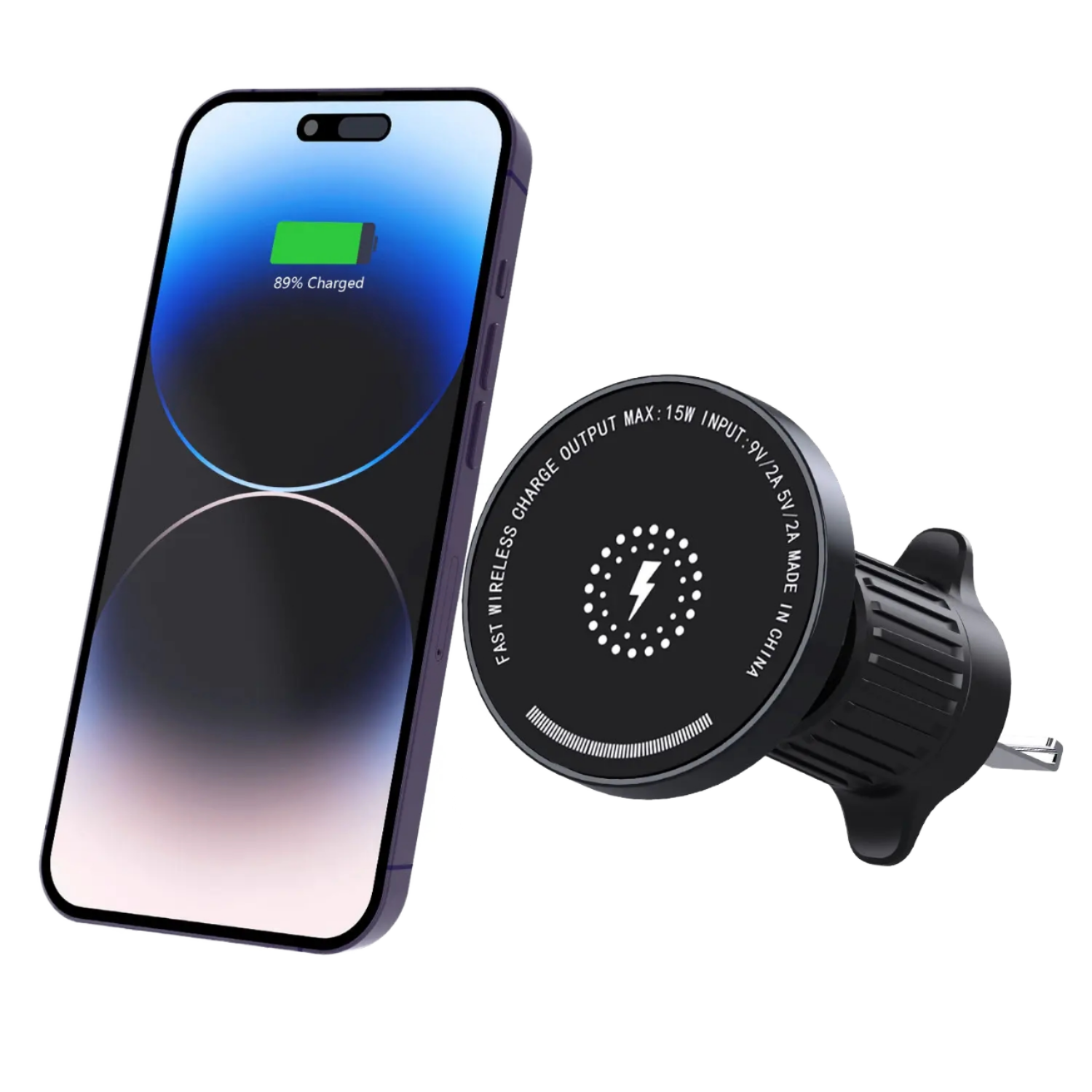
Strong Magnetic 15W Wireless Fast Charging Car Phone Holder 360 Degree Air Vent Mount
View Product Details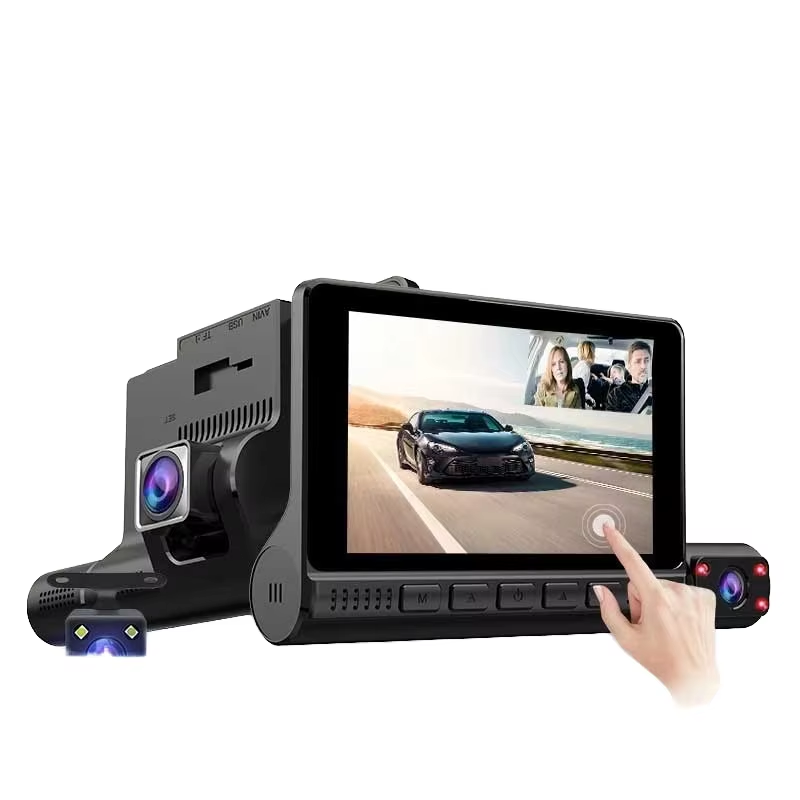
Car DVR 3 Cameras IPS Screen 4.0 Inch HD Dash Camera Dual Lens 120 Angle Loop Recording
View Product Details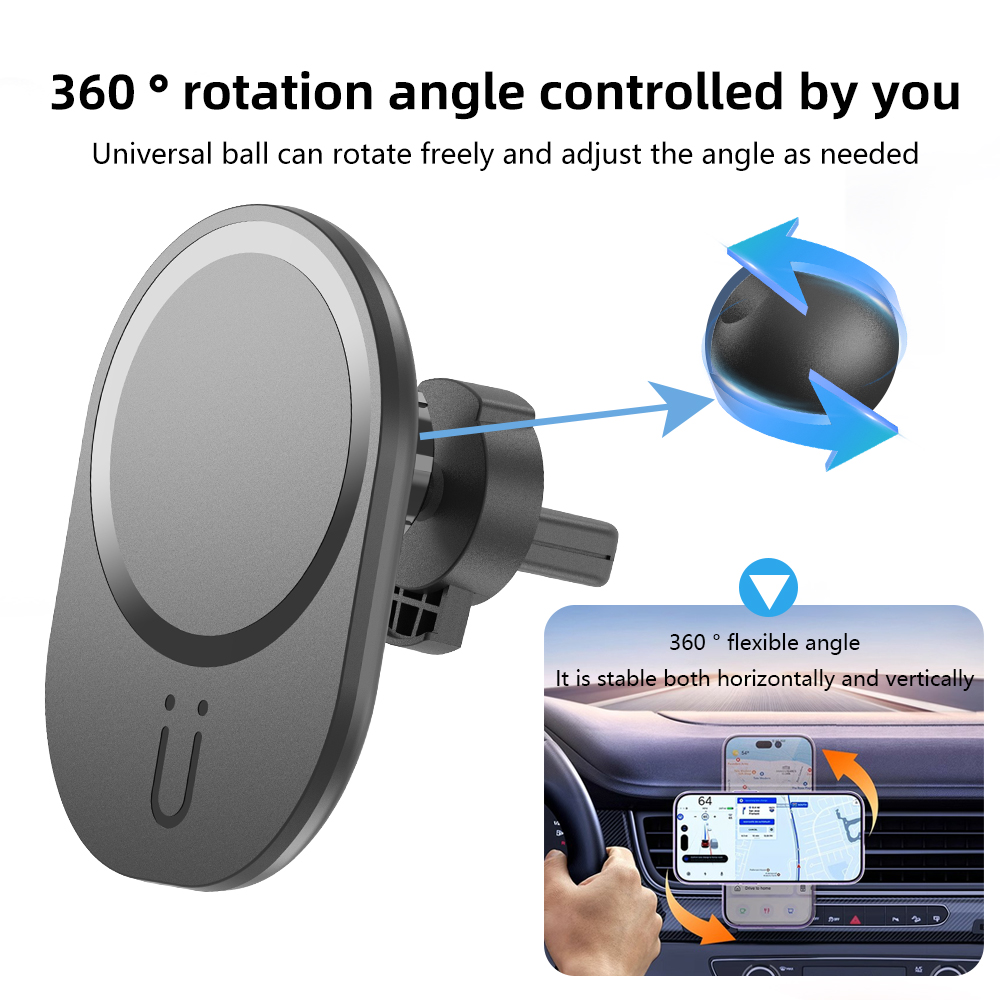
2026 Ultra Strong Magnetic Car Air Vent Wireless Charger for IP 15 Pro 15W ABS Fast Pad
View Product Details
Strong Magnetic 15W Fast Charging Car Phone Holder 360 Degree MagSafe Air Vent Mount
View Product Details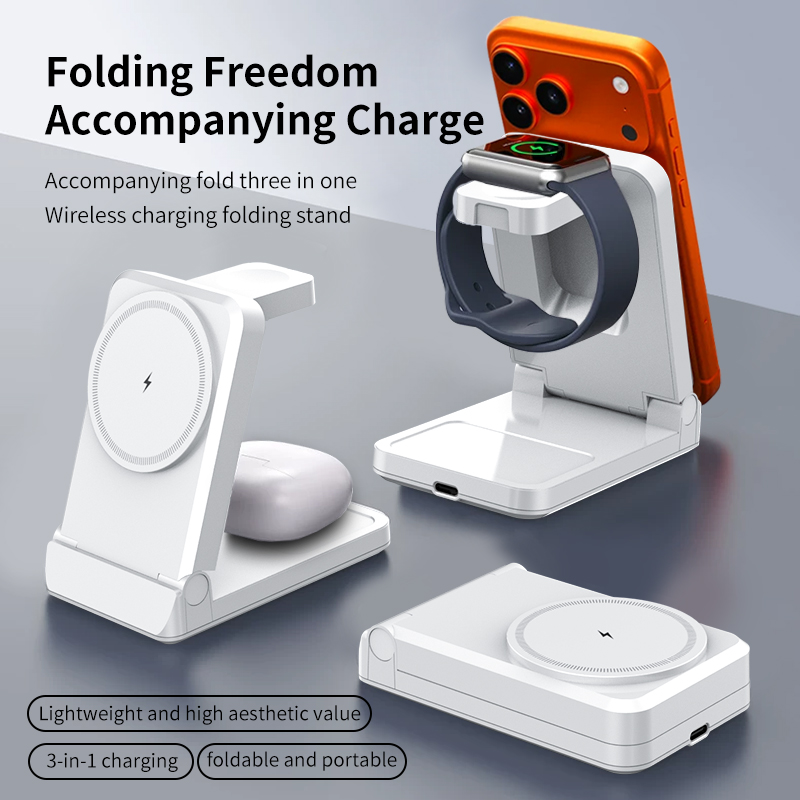
Foldable Magnetic 3-In-1 Wireless Charging Station 15W Fast Charging Stand for Mobile Phone
View Product DetailsExecutive Industry Report: Commercial Truck Side Camera Adoption in Fort Worth & the DFW Freight Hub
An authoritative analysis of blind-spot monitoring technologies, regulatory mandates, and supply chain logistics in North Texas.
The Dallas-Fort Worth (DFW) metroplex, specifically the Fort Worth commercial sector, stands as one of the premier inland logistics epicenters in North America. Home to major freight corridors including Interstate 35W, Interstate 20, Interstate 30, and the expansive AllianceTexas logistics park, Fort Worth experiences heavy commercial truck traffic every single day. Class 6, 7, and 8 heavy-duty vehicles continuously haul freight between intermodal rail yards, distribution centers, and regional hubs. However, operating large semi-trucks, box trucks, and vocational fleets within high-density traffic corridors creates intense operational challenges—most notably, blind-spot navigation, high-speed lane merges, and severe weather exposure.
As commercial fleet operators across Tarrant County face mounting pressure from skyrocketing insurance premiums, FMCSA safety audits, and the rising threat of "nuclear verdicts" resulting from side-swipe collisions, the demand for high-reliability truck side cameras has transitioned from optional safety hardware to essential operational infrastructure. Direct-from-factory sourcing of heavy-duty truck side camera systems provides Fort Worth distributors, fleet service centers, and commercial bodybuilders with the high-durability hardware required to safeguard drivers, reduce liability, and comply with evolving DOT standards.
Key Hardware Architecture for Texas Fleet Safety
IP69K Waterproof & Thermal Endurance
Fort Worth summers regularly exceed 100°F, creating extreme thermal stress on truck exteriors. Our side cameras feature die-cast aluminum housing rated to IP69K, resisting high-pressure washdowns, road dust, and operating temperatures up to 85°C (185°F).
AHD 1080P & Night Vision Clarity
Utilizing Sony STARVIS CMOS sensors paired with high-performance WDR (Wide Dynamic Range) and infrared LEDs, our cameras eliminate sun-glare along West Texas highways and deliver crisp 1080P video across pitch-black rural roads.
12V–36V Wide Voltage Conditioning
Commercial vehicle electrical systems experience voltage spikes and noise. Integrated wide-voltage circuitry isolates power line interference, protecting internal camera sensor boards against reverse polarity and load dump spikes common in Class 8 rigs.
Information Gain: Technical Specification Matrix
Comparing Factory-Grade Commercial Side Cameras vs. Standard Passenger Electronics for Wholesale Procurement.
| Engineering Parameter | Commercial Truck Side Camera (Heavy-Duty Standard) | Generic Passenger Car Camera (Aftermarket) |
|---|---|---|
| Ingress Protection | IP69K (Hermetically sealed against steam jet washdowns) | IP67 / IP68 (Susceptible to high-pressure cleaning leakage) |
| Operating Voltage | 12V–36V DC Wide Input with Transient Voltage Suppression | 12V DC Only (Prone to failure during alternator spikes) |
| Housing Material | Heavy-Duty Zinc/Aluminum Alloy with Corrosion-Resistant Powder Coat | ABS Plastic (Degrades under severe Texas UV exposure) |
| Lens & Viewing Angle | 120°–150° FOV Tuned for Zero Edge Distortion & Anti-Blind Spot Coverage | 170° Ultra-Wide (Causes heavy fisheye, misjudging distances) |
| Connector Type | Aviation Grade 4-Pin Screwed Waterproof Connectors (GX12) | Standard RCA / 2.5mm Jack (Loosens under continuous vibration) |
| Night Vision Technology | IR-CUT Auto Switching + 850nm High-Power Infrared LEDs | Software Digital Enhancement (Grainy in complete darkness) |
Localized Application Scenarios in Fort Worth & North Texas
Tailored vision solutions for specific fleet operations, vocational trucks, and transport routes across the metroplex.
1. AllianceTexas Long-Haul Fleet & Intermodal Logistics
At the AllianceTexas freight corridor north of Fort Worth, thousands of semi-trailers transition from rail yards to long-haul routes on I-35W. Side-mounted cameras integrated into the tractor mirrors or trailer upper corners eliminate the massive blind spots along the right side (No-Zone). Drivers negotiating tight lane switches near the Haslet and Fort Worth logistics terminals gain complete visibility of passing passenger vehicles, drastically reducing lane-change accidents.
2. Vocational Fleets & Heavy Construction (I-35W Expansion Zone)
Cement mixers, dump trucks, and flatbeds servicing major infrastructure projects along I-35W, North Tarrant Parkway, and Downtown Fort Worth operate in congested, high-dust environments. Side cameras installed on vocational vehicles assist operators in backing up through tight job sites, avoiding equipment collisions, and detecting site workers standing near rear axle wheels.
3. Fort Worth Stockyards & Agricultural Flatbed Hauling
Transporting livestock, machinery, and agricultural goods across North Texas involves navigating narrow rural routes, unpaved ranch roads, and cattle yards. Side-mounted IR cameras allow drivers to monitor trailer clearances against gates, fences, and low-hanging branches without leaving the cab, protecting valuable cargo and equipment.
Fort Worth Market Trends: Commercial Vehicle Safety (2025–2030)
Navigating technology shifts, insurance requirements, and regulatory evolution in Texas transportation.
1. Shift Toward Camera Monitor Systems (CMS) Replacing Physical Mirrors: Federal Motor Carrier Safety Administration (FMCSA) exemptions increasingly allow commercial fleets to replace traditional aerodynamic drag-inducing physical mirrors with high-definition side cameras and interior A-pillar displays. Fort Worth fleets adopting CMS solutions report fuel savings of 2–3% alongside eliminated side blind spots during adverse weather conditions like heavy Texas rainstorms.
2. AI Blind Spot Detection (BSD) & Pedestrian Detection Integration: Modern side camera factories are no longer just producing simple video feeds. The integration of edge-AI processors directly inside the camera housing allows real-time visual recognition of vulnerable road users (VRUs), cyclists, and light vehicles. When a vehicle enters a truck's blind zone during a right turn in urban Fort Worth streets, the system triggers immediate audible and visual cab alerts.
3. Litigation Risk Mitigation & Insurtech Mandates: Commercial fleet insurance providers operating in Texas are increasingly requiring multi-channel video recording (Front, Dual Side, Rear) as a prerequisite for coverage. Video evidence recorded by side cameras serves as decisive proof against fraudulent claims, shielding Fort Worth fleet owners from exorbitant legal payouts.
Direct-From-Factory Capabilities for Wholesalers & Distributors
Why North American commercial vehicle equipment suppliers partner with Jemrok Industrial Technology.
Jemrok Industrial Technology (Shenzhen) Co., Ltd. operates as a specialized manufacturer dedicated exclusively to the research, development, and mass production of vehicle camera systems, car DVRs, streaming media mirror recorders, and heavy-duty commercial safety cameras. Supporting global buyers across 30+ countries, Jemrok brings direct engineering excellence to Fort Worth wholesalers and OEM upfitters.
Manufacturing Scalability
Operating a modernized 1,500 m² factory equipped with automated SMT production lines, assembly bays, and aging test chambers, Jemrok delivers between 300,000 to 500,000 units annually with strict batch consistency.
Flexible Low OEM MOQ
Unlike rigid manufacturers requiring massive commitments, Jemrok supports growing regional distributors and fleet upfitters with custom OEM/ODM orders starting from just 50 sets—including custom branding, housing tweaks, and localized packaging.
R&D & Firmware Customization
Our in-house R&D team of experienced engineers provides full custom hardware platform design, customized boot logos, tailored camera FOV parameters, CAN-bus integration, and specialized firmware tuning for North American vehicles.
Certified Compliance
All camera platforms undergo rigorous environmental reliability testing (thermal shock, vibration resistance, salt spray, water immersion) and carry complete CE, FCC, and RoHS certifications required for US import.
Fort Worth Wholesale & Procurement FAQ
Answers to common questions asked by Texas fleet managers, commercial truck upfitters, and distributors.
Partner with a Leading Truck Vision Factory Today
Request direct factory pricing, request sample units, or consult with our R&D engineering team regarding custom side camera builds for the Fort Worth & North American market.
Inquire Now