Featured Vehicle Camera Systems & Commercial Reversing Solutions
High-reliability optical cameras, multi-channel car DVRs, and heavy-duty reversing equipment optimized for municipal transit buses, passenger coaches, and commercial fleets.
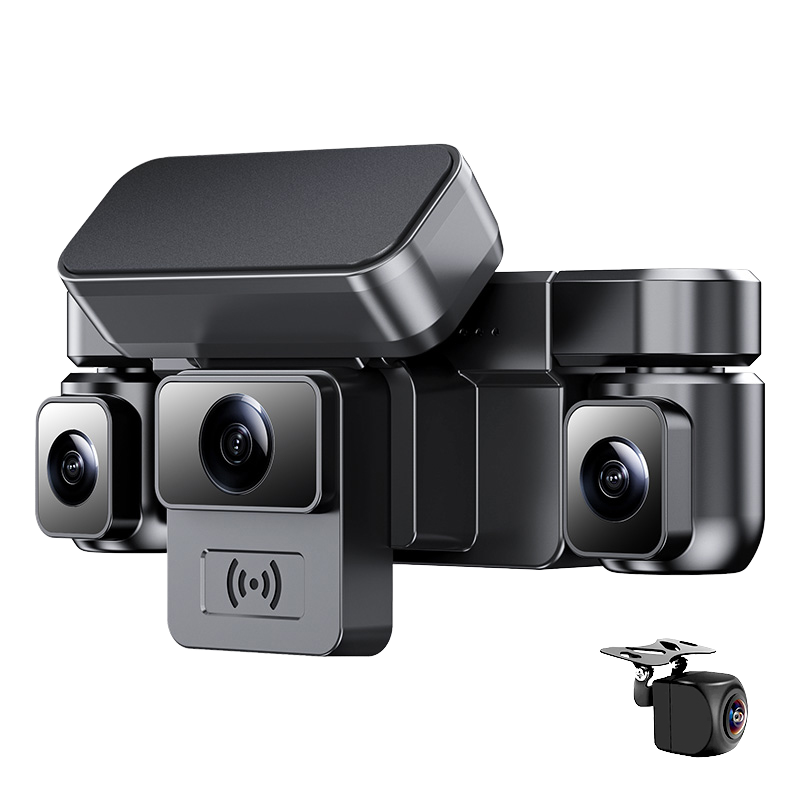
360 Degree 3 Channel IPS Screen Dash Cam 5G WiFi 2K Night Vision Video Recorder Loop Recording
View Product Details
Ultra Strong Magnetic Car Stand Wireless Charger 15W Fast Charge 360 Degree Rotation Built-In Type-C Cable
View Product Details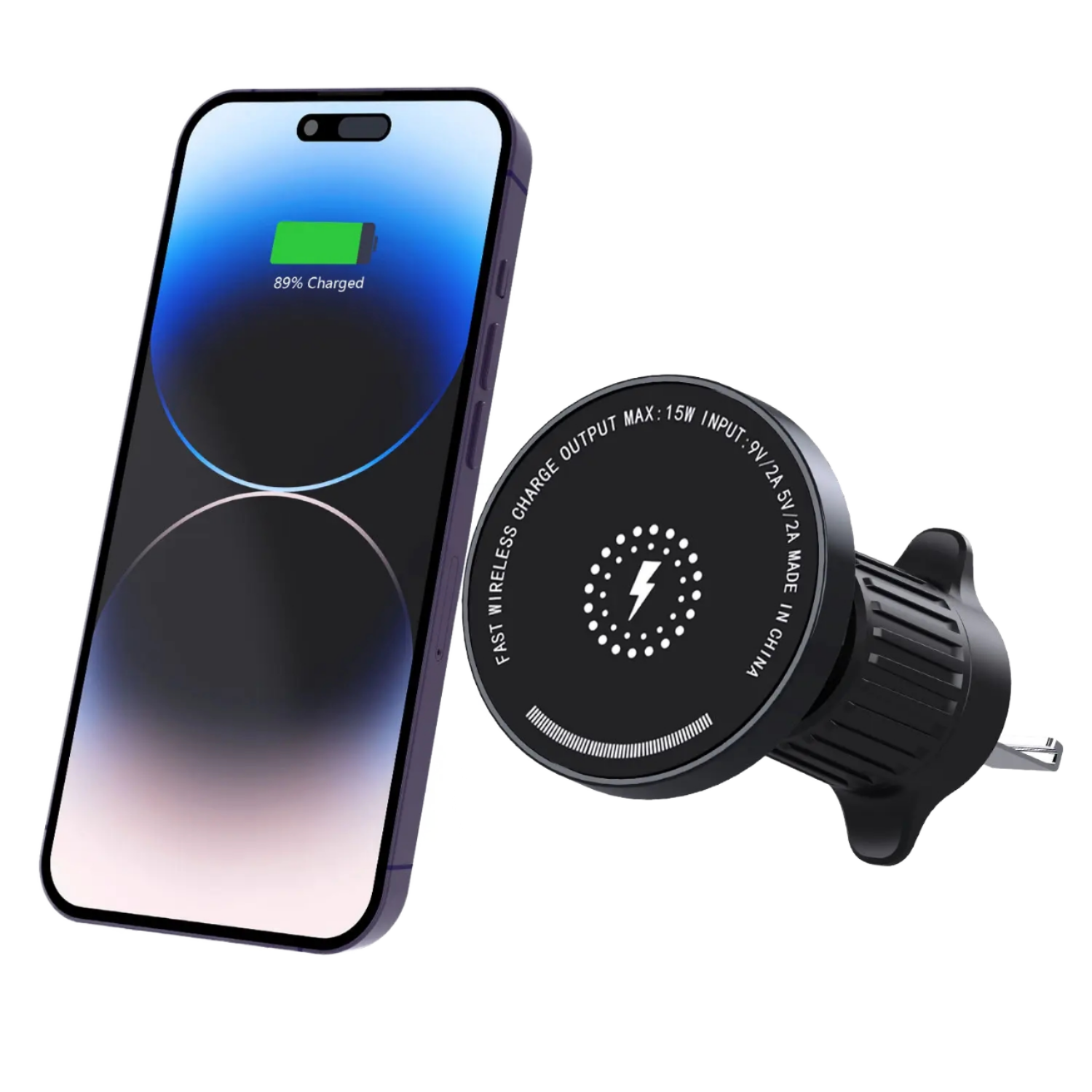
Strong Magnetic 15W Wireless Fast Charging Car Phone Holder 360 Degree Rotation MagSafe Air Vent Mount
View Product Details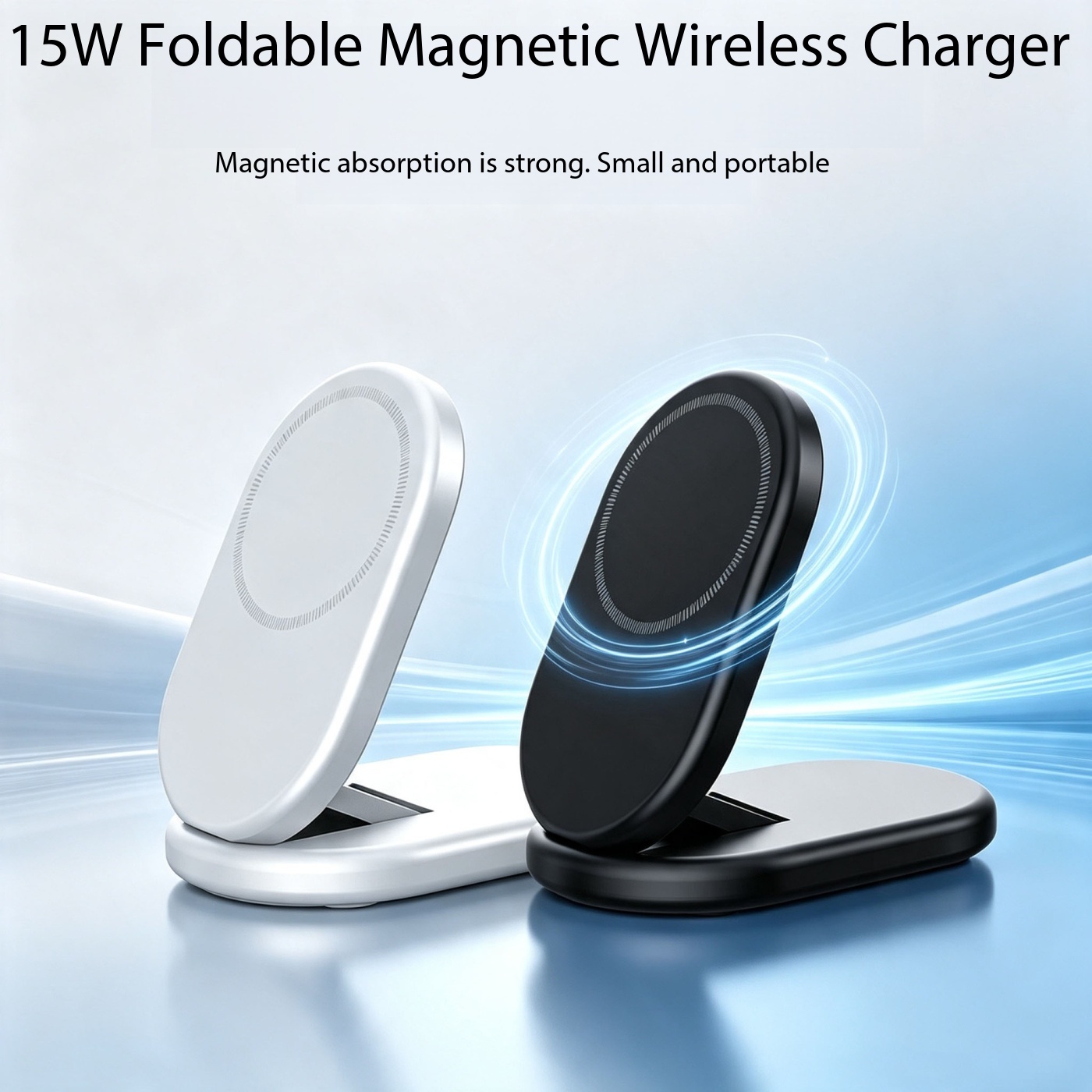
2026 Magnetic Flexible Foldable Wireless Charging Stand Max 15W Fast Charging Dock Logo Customizable
View Product Details
License Plate Frame Backup Camera Vehicle Camera Rear View Reverse Camera Waterproof Parking Camera
View Product Details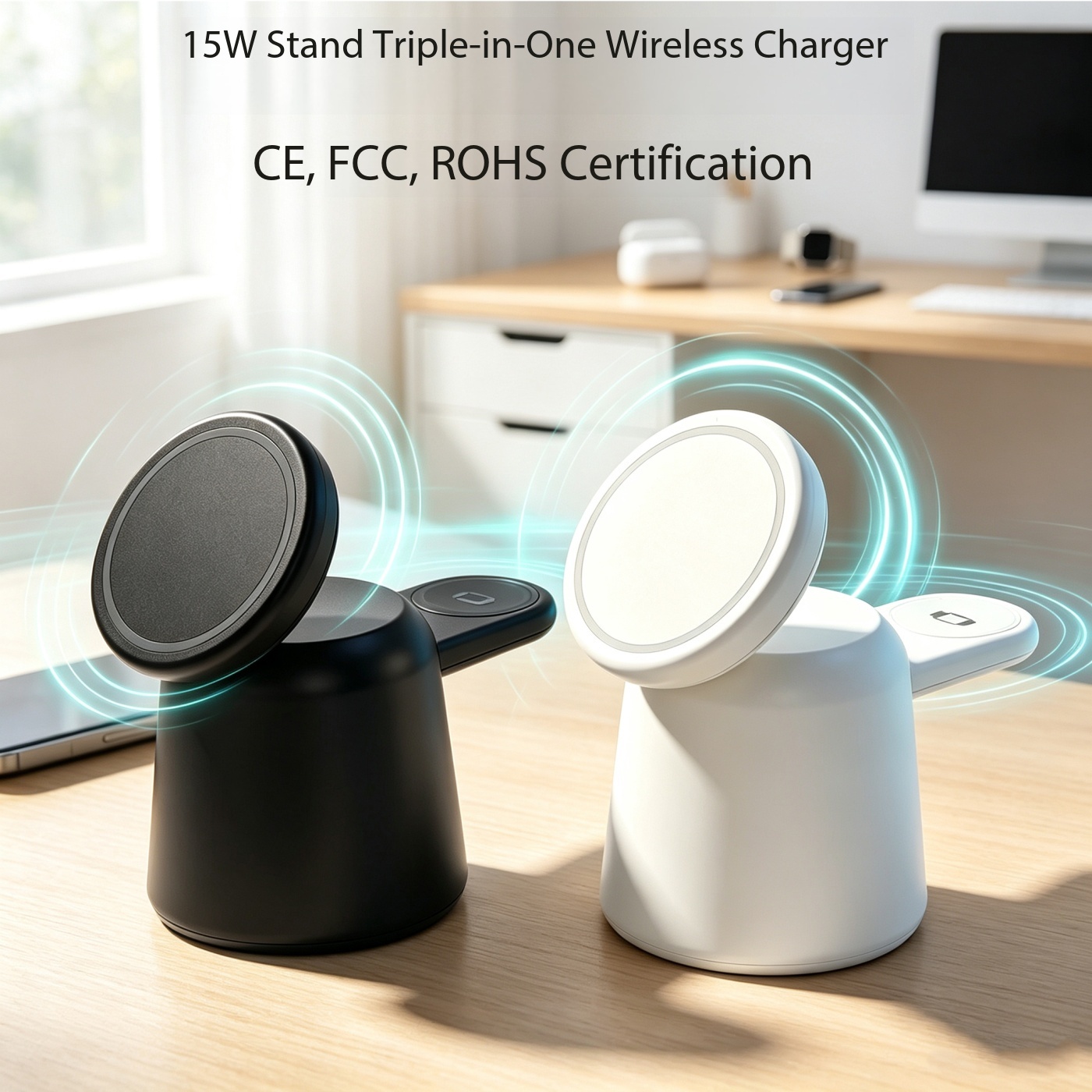
3-in-1 Portable Magnetic Wireless Charging Station Foldable Design 360 Rotation Type-C Port 15W Fast Charge
View Product Details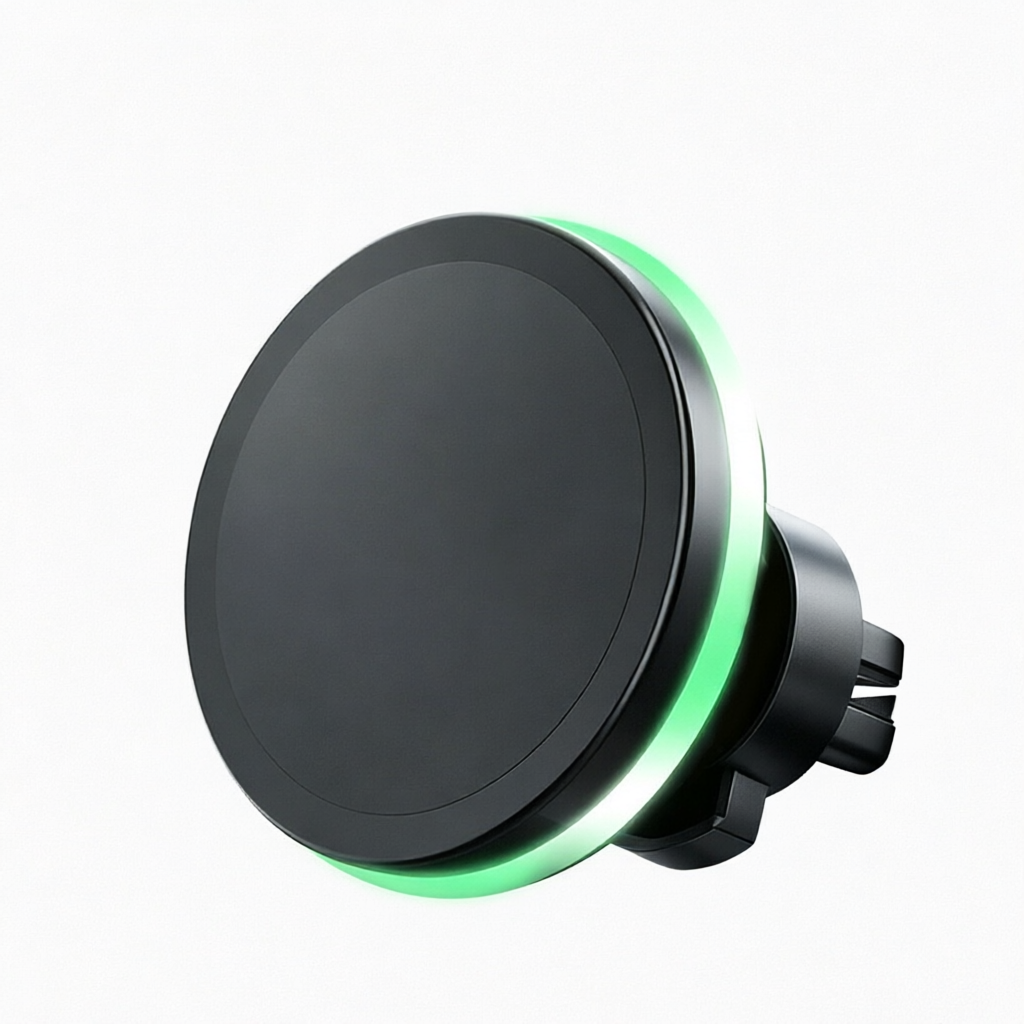
QC3.0 Magnetic Wireless Car Charger Mount Compatible with BMW, Mercedes, Tesla & Universal Vehicles
View Product Details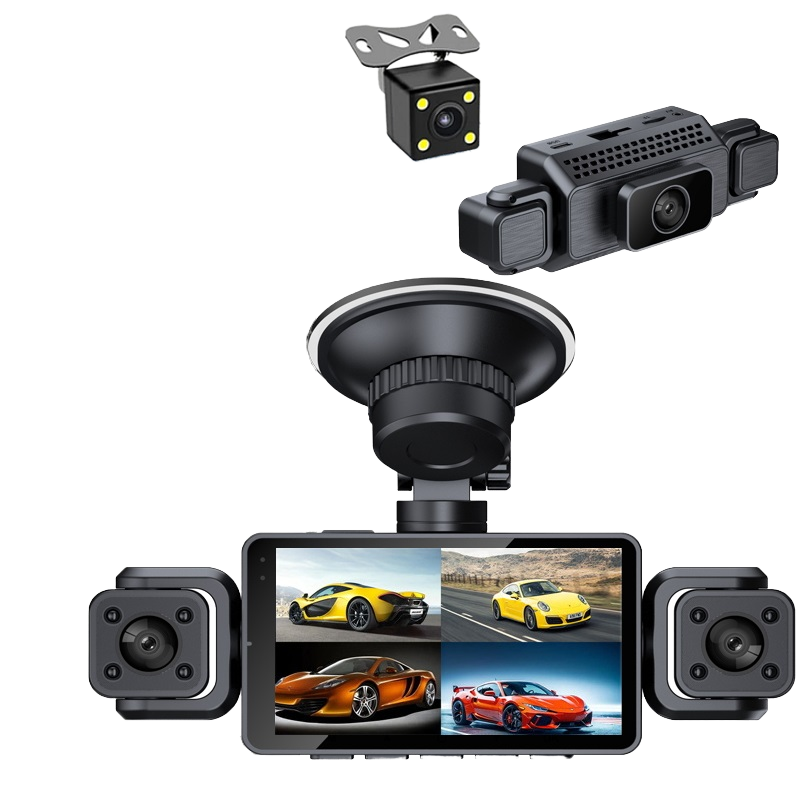
3 Inch 4 Cameras Car Black Box 1080P HD Video Recorder with Night Vision G-Sensor 360 Degree Dash Cam Built-in WiFi
View Product DetailsBender Bus Safety & Rear View Vision Ecosystem (2025 Market Landscape)
An authoritative engineering and procurement report on commercial passenger bus safety, rear camera optic technologies, wide-voltage electrical resilience, and local fleet integration in Bender and regional Eastern European transit networks.
In modern public transit systems across Bender and surrounding regional logistics hubs, rear-view vision technology has evolved from a basic parking aid to a mandatory safety infrastructure component. Municipal passenger buses, intercity coaches, and school transit vehicles operate under dense urban traffic, varying seasonal weather conditions (-25°C winter freezing to +38°C summer road heat), and tight schedule turnarounds. Equipping commercial fleets with IP69K waterproof, 12V–36V surge-protected, ultra-low-light AHD (Analog High Definition) rear cameras drastically reduces blind spot collision accidents by over 82%, limits fleet liability claims, and satisfies modern fleet telematics integration requirements.
Optical Hardware Standards for Commercial Buses
Unlike passenger automobile backup cameras, bus rear view camera systems demand heavy-duty architectural design. Crucial benchmarks include 1/2.8" Sony STARVIS CMOS sensors capable of 0.001 Lux illumination without auxiliary IR wash-out, 6-layer glass lenses with anti-fog heating elements, and wide viewing angles (120° to 170° horizontal FOV) to eliminate rear bumper dead zones without excessive fisheye distortion.
Electrical & Thermal Engineering Resilience
Bender fleet buses frequently experience voltage fluctuation surges (cranking spikes up to 32V and transient load dumps). Premium bus camera manufacturers implement internal wide-voltage power modules operating stably between 9V DC and 36V DC, reinforced with reverse polarity protection, TVS surge suppressors, and die-cast aluminum enclosures rated to IP69K high-pressure washdown standards.
Top 10 Bus Rear View Camera Manufacturers Servicing Bender
Detailed technical evaluation of leading global OEM factories and specialized vehicle vision system manufacturers supplying commercial rear view cameras to transit fleets, bodybuilders, and aftermarket distributors in Bender.
Overview & Technical Competence: Jemrok is a premier automotive vision manufacturer with over 6 years of focused R&D in high-definition vehicle monitoring, streaming rearview systems, and heavy-duty bus camera platforms. Occupying a 1,500 m² state-of-the-art facility in Shenzhen, Jemrok produces 300,000 to 500,000 units annually. For buyers in Bender, Jemrok provides ultra-resilient 12V–36V wide-voltage bus rear view cameras featuring IP69K waterproof zinc-alloy housing, Sony STARVIS low-light sensors, M12 4-pin aviation connectors, and integrated AI BSD (Blind Spot Detection) compatibility. Jemrok offers full firmware customization, custom housing molds, and flexible low-MOQ sourcing tailored to public transit operators and commercial importers.
Stonkam is an established developer of commercial vehicle electronics. Their bus rear view cameras integrate advanced ADAS and AI pedestrian detection algorithms, making them suitable for high-density urban bus networks. Their systems offer robust IP69K waterproofing but come at a higher price tier suitable for large government municipal contracts.
Operating under the Safe Fleet umbrella, Rear View Safety provides heavy-duty reversing camera kits tailored specifically to municipal transit and educational fleets. Their hardware features solid metal brackets, heated camera glass, and heavy-duty harnesses, though aftermarket sourcing in Eastern Europe relies on regional distribution channels.
Rosco has supplied North American transit authorities for decades. Their camera modules are engineered for integration with exterior bus rearview mirrors and rear bus headers. They excel in mechanical durability, although custom firmware modifications require substantial order commitments.
Luview manufactures specialized automotive rear view cameras, wireless transmitter kits, and monitor combos. Their commercial bus series includes built-in infrared LEDs for night illumination and dual-lens camera housings that monitor both immediate rear bumper zones and long-range highway traffic behind the vehicle.
Known globally for their Backeye®360 surround view and ultrasonic detection accessories, Brigant offers high-end rear view vision products designed for strict European transport compliance. Highly reliable in harsh environments, though premium pricing impacts cost-conscious fleet upgrades.
Lintech specializes in heavy-duty commercial vehicle rear cameras, particularly models featuring motorized automatic physical shutters that protect the glass lens from road dirt, salt, and snow build-up when the bus is traveling forward at high speeds.
Veise produces complete plug-and-play reversing monitor packages for trucks and buses. Their camera enclosures utilize anti-vibration shock mountings rated at 10G, making them effective for transit buses operating over uneven cobblestone or poorly maintained rural road surfaces.
Sharpvision manufactures digital HD rear view cameras compatible with hardwired mobile DVR recorders. Their products utilize die-cast housing designs with IP68/IP69K sealing, serving municipal fleets, commercial waste management, and long-distance transport coaches.
RearVis supplies cost-effective 720P and 1080P AHD rear cameras with wide-angle optics and infrared illumination. They provide stable OEM options for automotive aftermarket distributors looking for budget-friendly commercial camera installations.
Deploying Bus Rear View Cameras across Bender Fleet Deployments
How tailored rear vision technologies solve operational, safety, and environmental challenges across specific public transportation and commercial transport sectors in Bender.
1. Municipal Transit & Trolleybus Networks
Urban transit buses operating along high-density routes in central Bender must continuously pull into crowded stop bays and reverse inside cramped depot yards. Installing Jemrok 1080P AHD cameras with ultra-wide 150° viewing angles provides drivers with crystal-clear bumper-level monitoring on dashboard screens, preventing collisions with pedestrians, cyclists, and parked passenger vehicles.
2. Intercity & Regional Passenger Coaches
Long-distance passenger coaches connecting Bender with Chisinau, Tiraspol, and regional trade corridors require reliable high-speed rear monitoring. Dual-lens bus camera configurations enable simultaneous down-angle bumper viewing during reverse maneuvers and straight-line highway traffic monitoring to warn drivers of rapidly approaching rear vehicles.
3. School Bus & Student Safety Transportation
Student drop-off and pick-up safety zones require absolute zero-blind-spot coverage. Integrating bus rear cameras with automated braking signals and cabin monitors ensures drivers immediately detect children walking behind the vehicle before reversing in school loading zones or suburban residential areas.
Bender Commercial Vehicle Vision Trends (2025–2030)
Emerging technological shifts re-shaping how commercial vehicle cameras are specified, manufactured, and installed across regional fleets.
1. Migration from CVBS Analog to Digital AHD & IP Ethernet
Legacy low-resolution CVBS (480i) analog cameras are rapidly being phased out by Bender fleet operators. High-definition AHD (1080P) transmitting zero-latency uncompressed video over standard coaxial cabling and IP digital cameras streaming directly to 4G/5G mobile DVR units have become the standard spec for all new bus procurements.
2. Edge AI Integration (BSD & Pedestrian Alert Systems)
Modern camera hardware now features embedded edge AI processors capable of running real-time object detection models directly inside the optical housing. When a pedestrian or cyclist enters the rear blind spot zone of a transit bus, the camera highlights the hazard on driver displays and triggers an audible cab chime.
3. Extreme Weather Thermoregulation & IP69K Sealing
Winter freezing conditions in Bender demand specialized camera heating circuits that automatically activate at temperatures below 5°C to melt rear lens frost and ice buildup. IP69K sealing ensures high-pressure steam cleaning at fleet maintenance bays never compromises internal sensor electronics.
4. Integration with Fleet Telematics & J1939 CAN-Bus
Commercial rear view cameras are no longer standalone systems. Leading solutions interlock seamlessly with bus CAN-Bus vehicle networks, triggering automatic full-screen rear display switches when the reverse gear engaged signal is detected on the J1939 protocol.
Frequently Asked Questions for Bus Camera Sourcing in Bender
Answers to technical, operational, and procurement queries faced by fleet directors, transit engineers, and automotive electronics importers.
Engineering Capabilities of Jemrok Industrial Technology
Direct OEM manufacturing advantage based in Shenzhen, China — delivering quality, precision, and global compliance for vehicle vision buyers.
1500 m² Shenzhen Production Plant
Equipped with high-precision optical alignment test benches, automated SMT lines, thermal aging chambers, and IP69K waterproof immersion tanks, delivering 300K to 500K units annually.
In-House Automotive R&D Team
A dedicated team of 5–10 senior hardware and firmware engineers specializing in Sony sensor image tuning, wide dynamic range (WDR) enhancement, and CAN-bus protocol adaptation.
Strict Global Certifications
All camera platforms comply with international quality and safety directives including CE, FCC, and RoHS, allowing smooth customs clearance and compliant fleet installation.
Upgrade Your Bus Fleet Safety With Direct Factory Vision Systems
Whether you are a public transit authority, commercial coach fleet operator, or automotive electronics distributor in Bender, Jemrok provides engineered bus rear view camera systems tailored to your exact technical specifications.