Featured Safety Cameras & Vehicle Hardware
High-definition AI vision sensors, multi-channel recorders, and power management solutions tested for high heat, coastal salt-fog, and heavy-duty island operations.

Top Sale Magnetic Fast Charging 15W Wireless Charger Compact Universal Phone-Charging Station
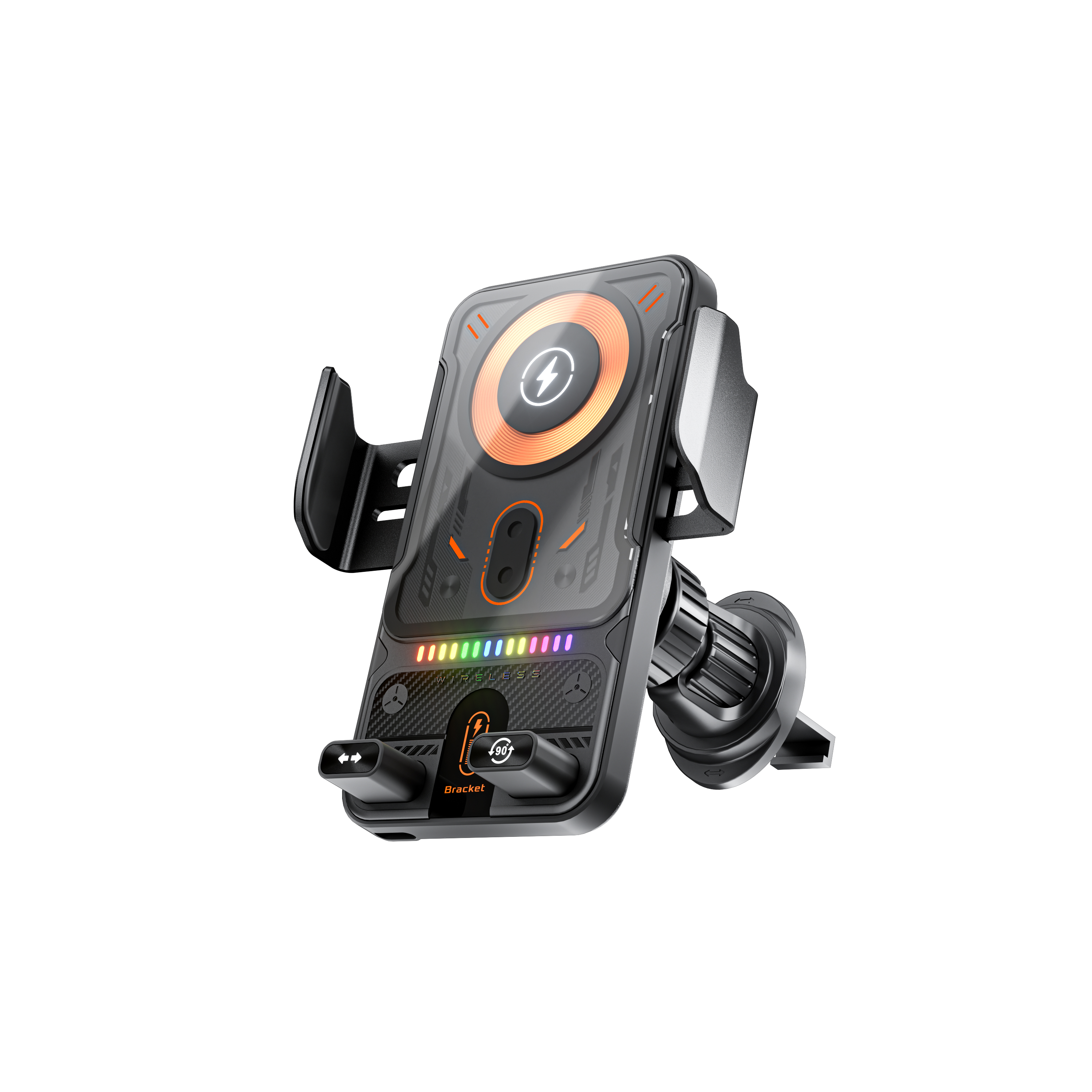
High Quality 15W BMW Compatible Magnetic Wireless Car Phone Holder with Fast Charging Air Vent Mount

2026 Most Popular Magnetic Flexible Foldable Wireless Charging Stand Max 15W Fast Charging Dock Logo Customizable
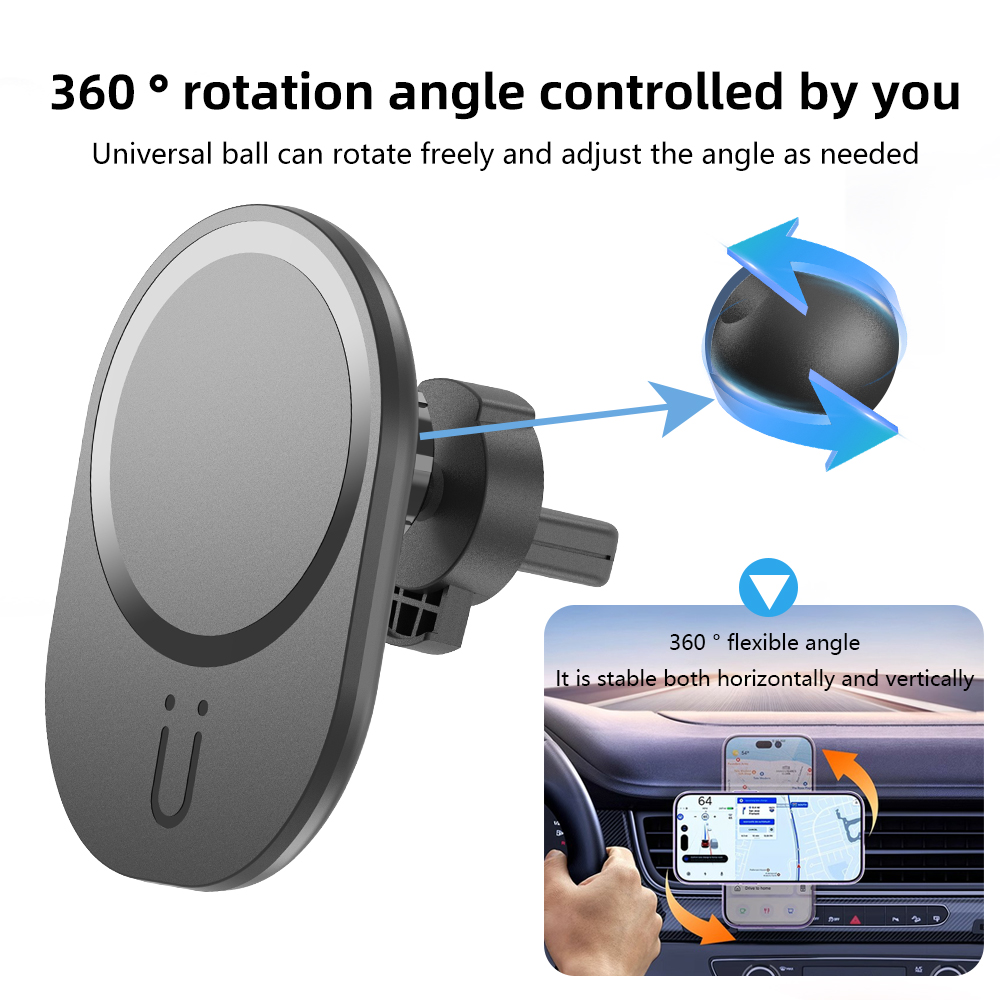
2026 Ultra Strong Magnetic Car Air Vent Wireless Charger for IP 15 Pro 15W ABS Fast Charging Pad Mobile Phone Holders
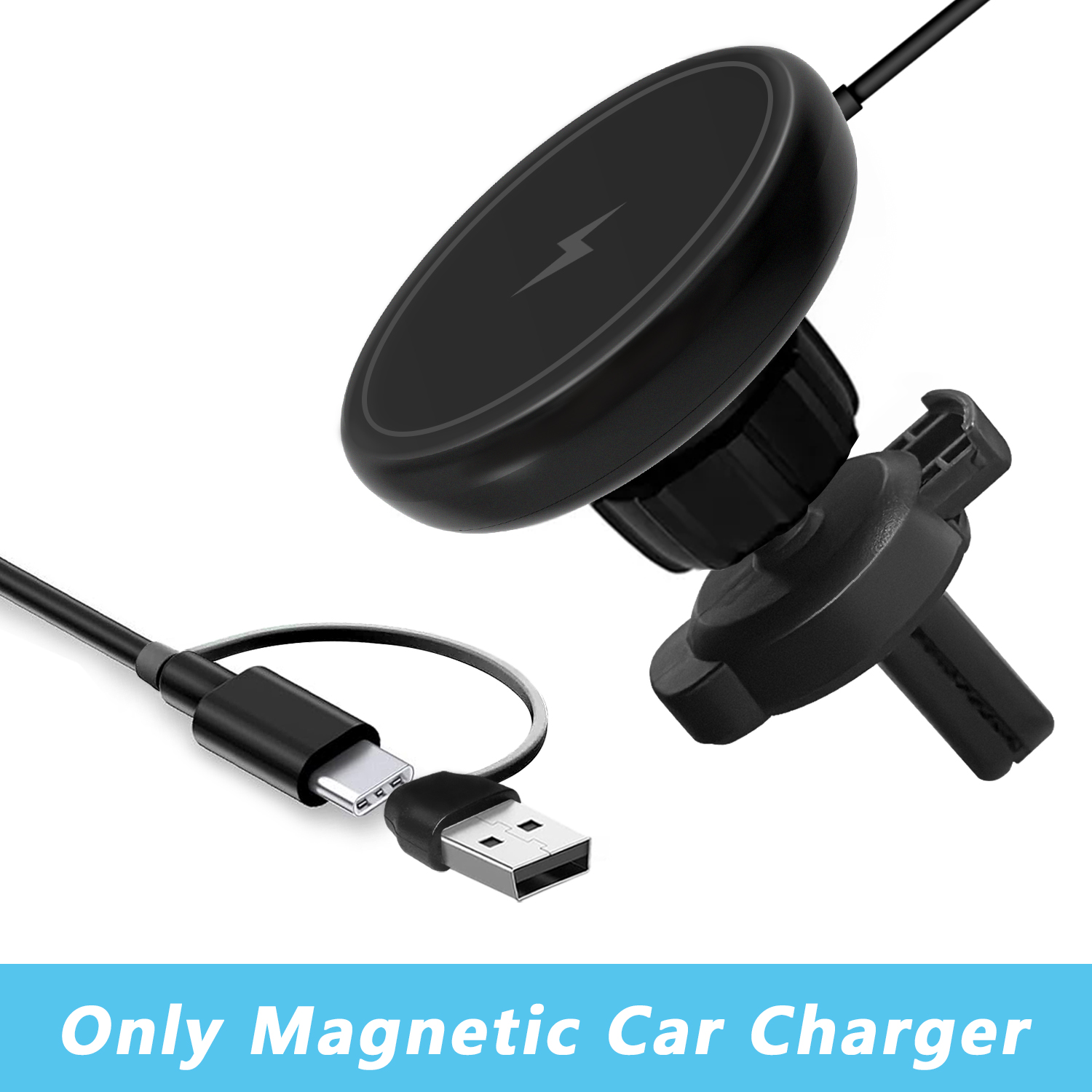
Ultra Strong Magnetic Wireless Charger Car Stand 15W Fast Charge 360 Degree Rotation Built-In Type-C Cable

Foldable Magnetic 3-In-1 Wireless Charging Station 15W Fast Charging Stand for Mobile Phone Smart Watch
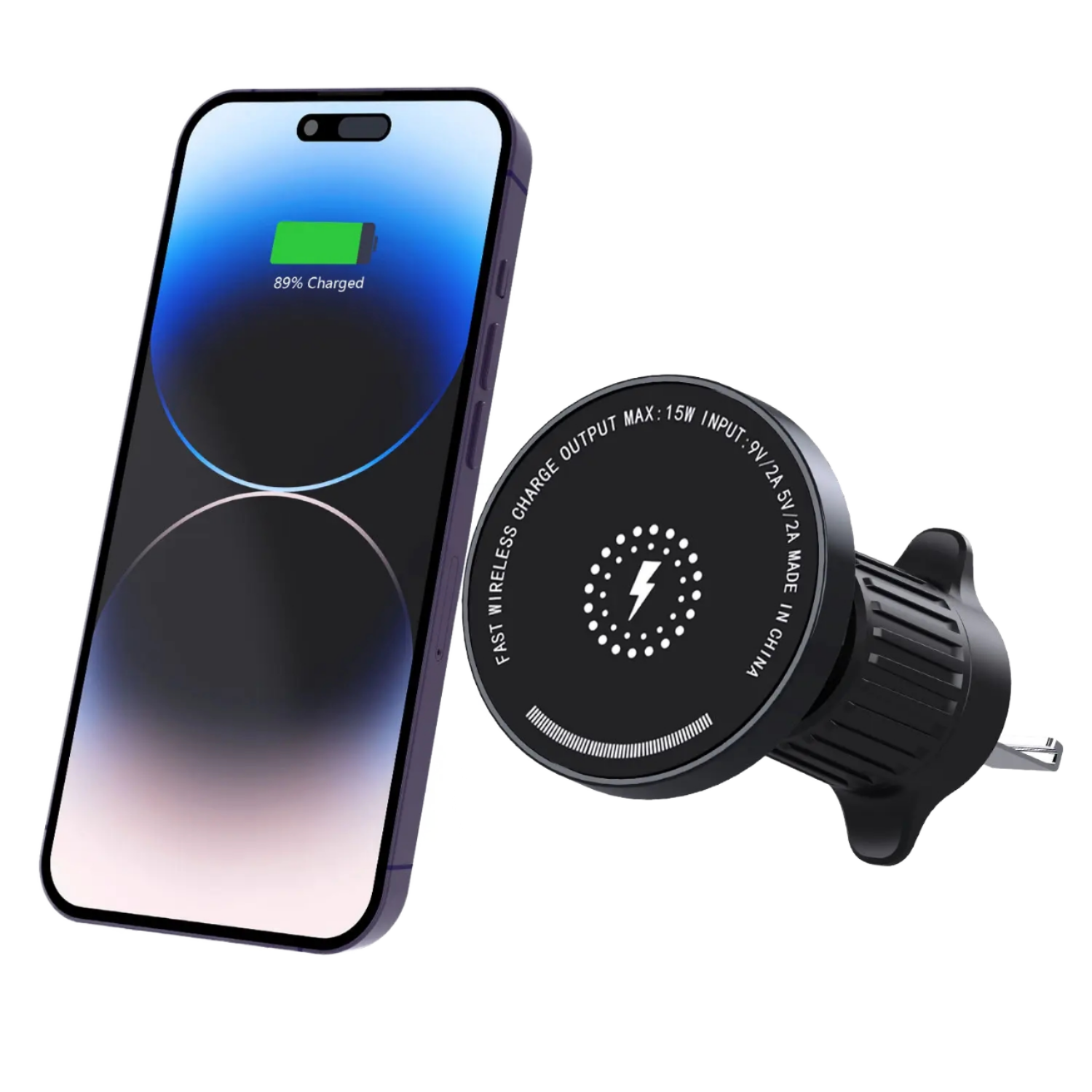
Strong Magnetic 15W Wireless Fast Charging Car Phone Holder 360 Degree Rotation Air Vent Mount
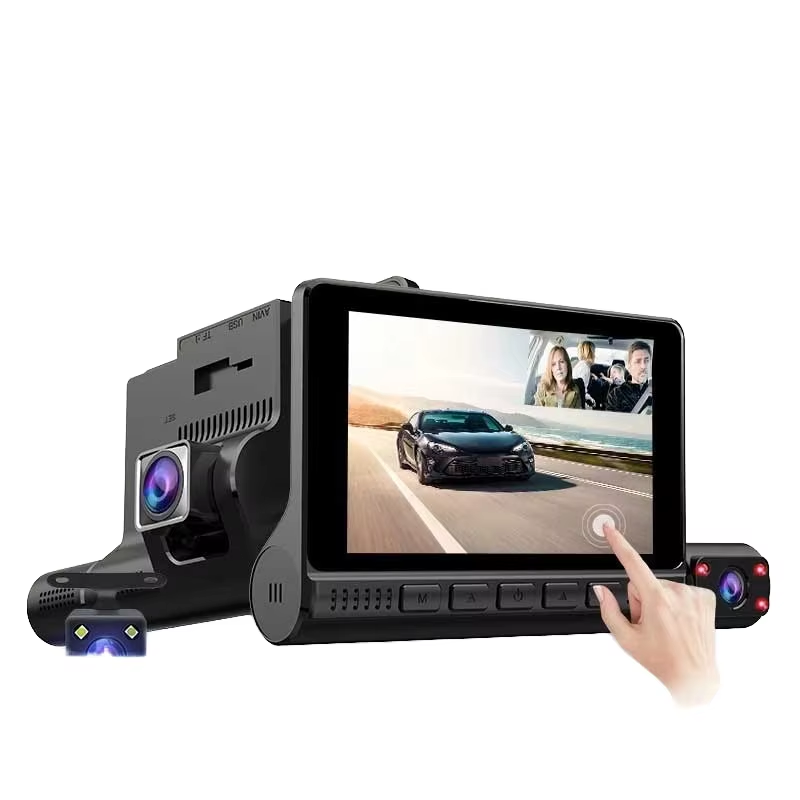
Car DVR 3 Cameras IPS Screen 4.0 Inch HD Dash Camera Dual Lens 120 Angle Loop Recording Triple Recording System
Edge AI Pedestrian Detection for Island Infrastructure & Fleet Safety
How advanced Computer Vision, Deep Learning Edge Chips, and Vulnerable Road User (VRU) detection algorithms are transforming commercial transportation safety across Bequia and the Saint Vincent and the Grenadines archipelago.
Real-Time Edge AI Processing
Equipped with onboard neural network processors running lightweight YOLOv8 and MobileNet deep learning models, our cameras execute real-time human pose estimation and bounding-box detection within <30ms latency—eliminating cloud dependence on island mobile networks.
Coastal High Dynamic Range (HDR)
Bequia's intense tropical glare and sudden rain squalls create extreme lighting contrast. Our Sony STARVIS 2 sensors feature 120dB Wide Dynamic Range (WDR) to consistently recognize pedestrians step-outs, even when transitioning between harsh tropical sunlight and deep palm shadow.
IP69K Marine Corrosion Resistance
Built to withstand salt-fog exposure near Port Elizabeth and Admiralty Bay. Featuring anodized aluminum housing, nitrogen-sealed anti-fogging glass, and IP69K waterproof ingress protection that resists high-pressure washdowns and salty maritime breeze.
Mitigating Vulnerable Road User (VRU) Risks in Bequia’s Island Topography
Bequia, the second-largest island in the Grenadines, presents unique road safety and fleet management dynamics. Characterized by winding coastal roads, narrow urban streets in Port Elizabeth, steep elevation changes near Mount Pleasant, and heavy pedestrian traffic along the Belmont Walkway and Hamilton, commercial drivers face immense blind-spot challenges. Standard passive mirrors and traditional rear-view dash cams fall short because they rely entirely on driver reaction time during high-stress maneuvers.
Our Active AI Pedestrian Detection Cameras convert passive recording into proactive collision avoidance. By continually scanning vehicle perimeters—specifically rear blind zones, side-swing corridors of heavy trucks, and front bumper blind spots on high-clearance passenger buses—our cameras calculate the Time-to-Collision (TTC). When a pedestrian, tourist on a scooter, or port worker enters a hazardous zone, the system triggers instantaneous high-decibel audible in-cab alarms and visual flashes to prompt immediate braking.
Comparing Vehicle Vision Systems for Bequia Fleets
An objective technical benchmark comparing traditional backup cameras, standard radar sensors, and smart AI Edge Pedestrian Detection camera systems.
| Evaluation Factor | Standard Rearview Cameras | Ultrasonic / Radar Sensors | Jemrok AI Pedestrian Camera |
|---|---|---|---|
| Human Detection AI | None (Passive Visual Only) | None (Detects All Obstacles Equally) | Yes (Human Bounding-Box Detection) |
| False Alarm Rate | High Driver Fatigue (Visual Check) | High (Triggers on foliage, walls, debris) | Ultra-Low (Filters non-human objects) |
| Target Classification | Manual Driver Judgement | No Classification Ability | Pedestrians, Cyclists, Motorcyclists |
| Low-Light & Night Vision | Poor in Unlit Island Passages | Not Affected by Light | 0.001 Lux Sony STARVIS 2 Night Vision |
| Salt-Fog & Tropical Durability | Basic Plastic Enclosures (IP67) | Sensor Corrosion in Marine Environment | Heavy Aluminum IP69K Sealed Housing |
| In-Cab Active Alerting | None | Beeping Proximity Tone Only | Voice Prompts + Visual Zone Alerts |
Deploying AI Vision Across Key Island Sectors
Tailored safety integration for heavy maritime equipment, public transit, tourist safari buses, and commercial supply chains across Saint Vincent and the Grenadines.
Port Elizabeth Ferry Terminal & Docks
Heavy forklifts, container handlers, and freight offloading trucks operating around congested ferry docks require constant vigilance. Our IP69K AI cameras alert operators when dock workers or arriving ferry passengers cross into heavy machinery turning radii.
Open-Air Safari Vans & Tour Buses
Navigating tight resort lanes near Princess Margaret Beach and Industry Bay demands continuous side and rear coverage. Edge AI cameras identify pedestrian cruise ship visitors and beachgoers walking on unpaved road margins.
Island Fuel & Beverage Delivery Fleets
Wide-body supply trucks operating in narrow residential zones with no sidewalks face severe reversing risks. Multi-channel AI camera setups provide driver cabin screens with red-highlighted safety zones and automatic voice warnings.
Safety Trends & Regulatory Evolution in the Caribbean
How infrastructure modernization, fleet insurance policies, and eco-tourism standards are elevating pedestrian safety requirements across Saint Vincent & The Grenadines.
Vision Zero in Tourism Hotspots
With tourism expanding in Bequia, resort operators and local municipal authorities are emphasizing zero-accident safety records. Equipping fleet vehicles with AI VRU protection reduces liability and safeguards foot-traffic corridors.
Insurance Premium Reductions
Commercial fleet insurers across Saint Vincent and the Eastern Caribbean offer preferential premiums to fleets integrated with active Advanced Driver Assistance Systems (ADAS) and AI Pedestrian Collision Warning (PCW) video telematics.
Wide-Voltage DC Adaptability
Modern island electric delivery buggies and 12-24V diesel trucks require wide-voltage vehicle vision power modules (9-36V DC) with intelligent power-off delay to preserve vehicle battery health during idle harbor waiting periods.
Why Direct Importers & Bequia Exporters Partner with Jemrok
Backed by six years of focused automotive vision R&D, custom firmware engineering, and rigorous ISO quality control from our Shenzhen manufacturing center.
1,500 m² Automated Factory
State-of-the-art SMT lines, automated optical inspection (AOI), and precise lens calibration ensure zero-defect production with an annual capacity of 300,000 to 500,000 vehicle vision units.
Full OEM/ODM Customization
Low custom MOQ from 50 sets. In-house firmware engineering allows custom boot logos, tailored voice warning languages, customized detection distances, and private-label packaging.
CE, FCC & RoHS Certified
Fully compliant with international automotive safety and environmental standards. Tested under extreme heat (+70°C) and freeze (-20°C) conditions for long-term operational integrity.
Bequia Fleet & Procurement FAQ
Direct technical and commercial answers for fleet directors, port managers, and automotive parts importers in Saint Vincent and the Grenadines.
How do AI Pedestrian Detection Cameras perform in rainy tropical conditions in Bequia?
Our AI vision units utilize high-resolution Sony STARVIS sensors combined with optical Wide Dynamic Range (WDR) and anti-fogging glass coatings. Unlike standard radar sensors that trigger false alarms from dense tropical rain sheets, our deep-learning neural network specifically identifies human body keypoints, maintaining 99%+ accurate detection even through heavy downpours.
What is the minimum order quantity (MOQ) for shipping to Bequia / SVG?
Sample evaluation orders start at just 2 units for performance testing. Customized OEM brand orders (with custom boot screens, logo prints, and custom harness lengths) begin at an accessible 50 sets, allowing Caribbean fleet operators to test and deploy without massive inventory overhead.
Can the camera system operate without cellular internet coverage?
Yes. All AI pedestrian detection, spatial zone calculation, and collision alert triggers execute 100% on the camera's internal edge processor. No active internet, cloud connection, or SIM card is required for real-time safety warnings, ensuring 100% reliability in dead-zones around Mount Pleasant or remote Grenadine coves.
How does salt-fog corrosion resistance work on port machinery near Port Elizabeth?
Our heavy-vehicle cameras feature aviation-grade anodized aluminum alloy housings treated with anti-corrosion spray coating. The lenses are sealed to IP69K standards using automotive-grade silicone gaskets, ensuring immunity to marine salt spray, high humidity, and high-pressure water jet cleaning.
What electrical input range is supported for commercial vehicles?
Our cameras support a wide voltage input range from 9V to 36V DC. They feature built-in overvoltage protection, reverse-polarity defense, and load-dump protection, making them directly compatible with 12V tourist vans, 24V heavy machinery, and electric utility carts alike.
Upgrade Your Bequia Fleet with Active AI Safety Hardware
Partner directly with Shenzhen’s leading automotive vision manufacturer. Get customized product specifications, wholesale price lists, and regional export solutions in less than 1 hour.