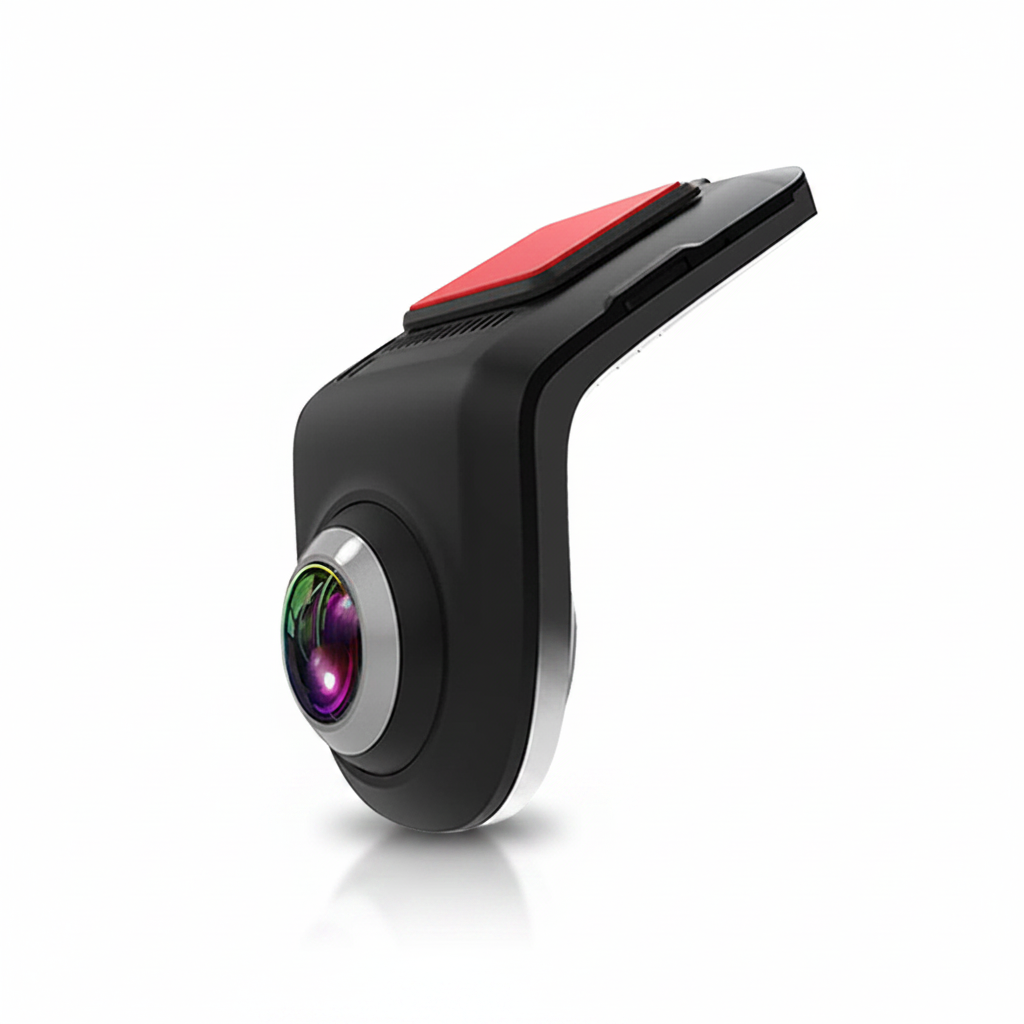
Featured Export Catalog for Brussels Importers & Fleet Buyers
High-reliability vehicle cameras, multi-channel dash DVRs, and accessory ecosystems factory-direct from Shenzhen with low MOQ and full European market compliance.
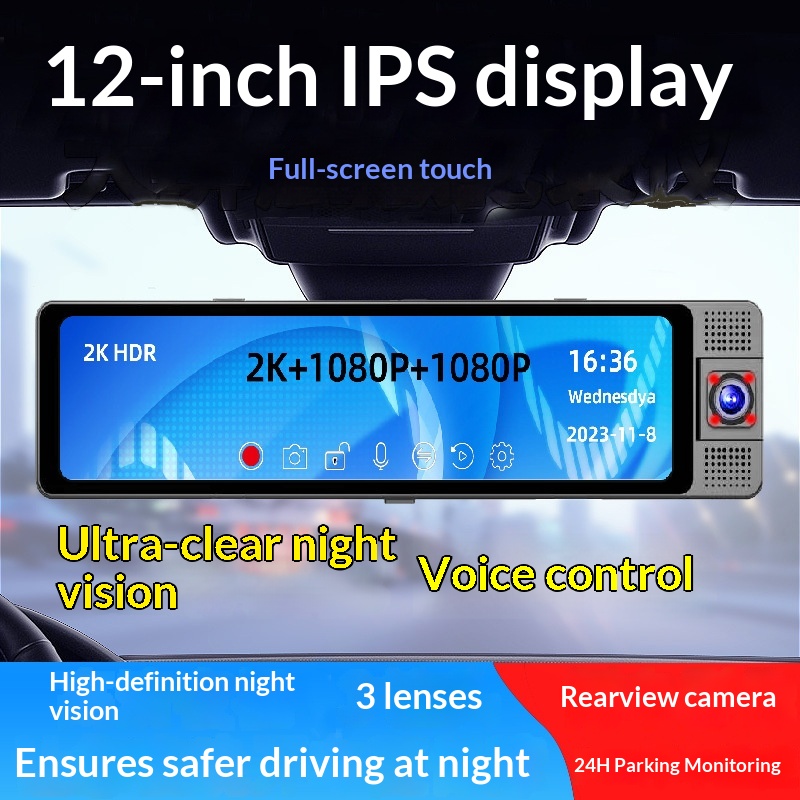
Allwinner V533 3-Channel 2K Rear View Mirror Dash Cam with 170° Wide Angle for Cars Wholesale 2K 3 Channel Dash Cam
View Product Details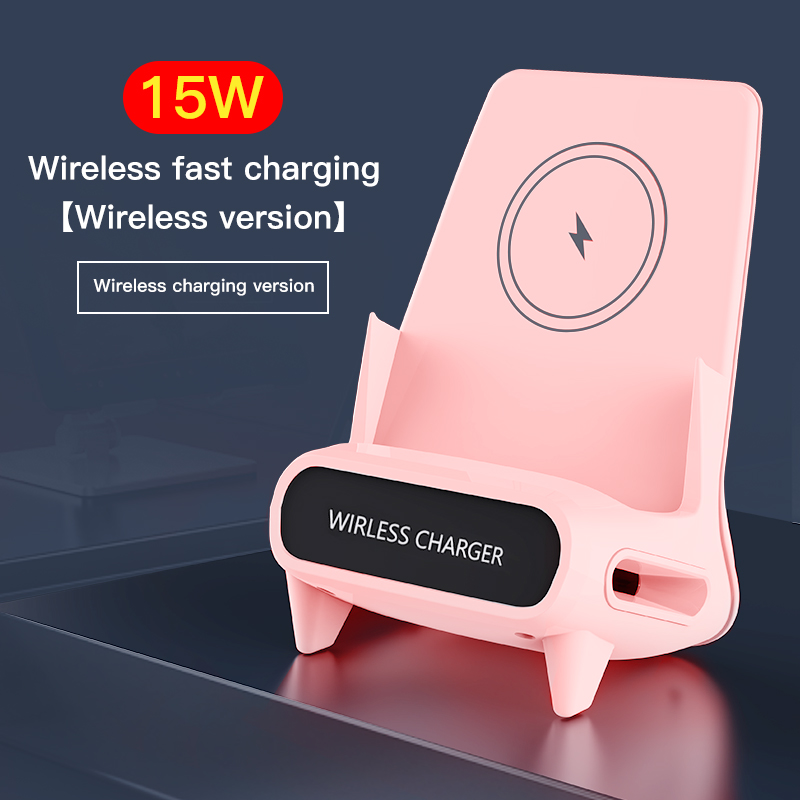
Newest 15W Magnetic Wireless Charger & Phone Tablet Holder Desk Stand Chair Wireless Charger Wholesale
View Product Details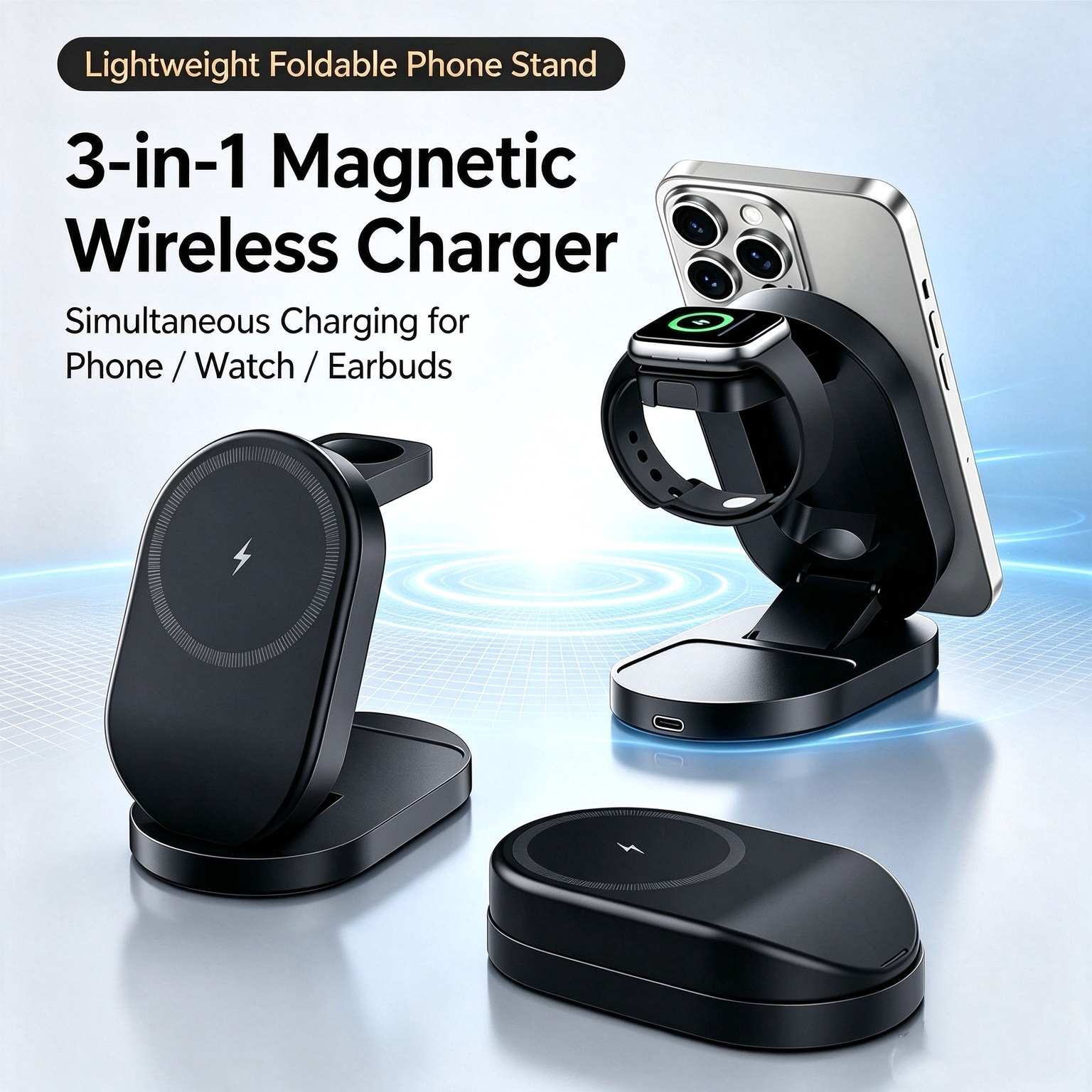
Cellphone Mount 15W Fast Charging Station Magnetic 3-in-1 Wireless Charger Support Smart Watch & Phone Stand
View Product Details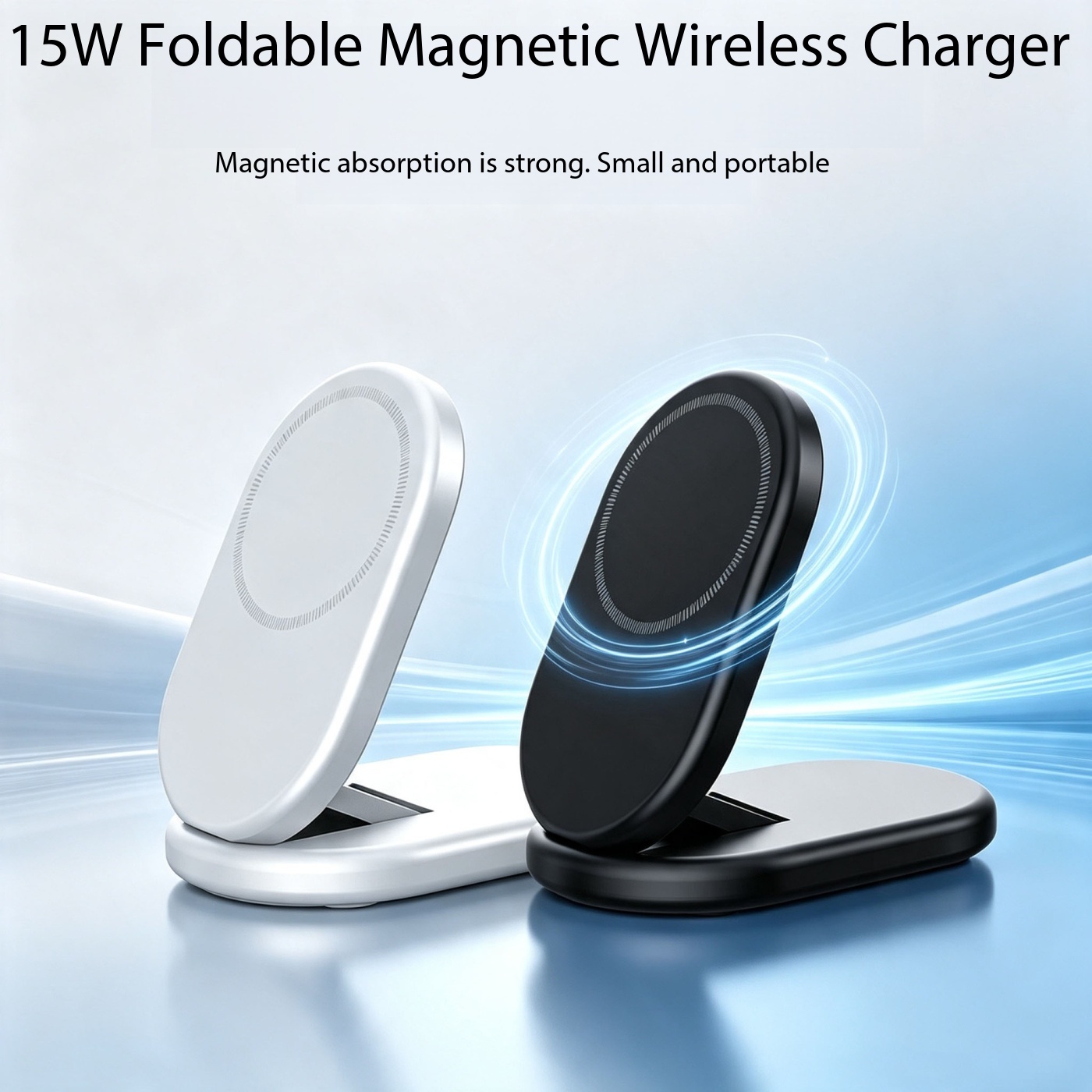
2026 Most Popular Magnetic Flexible Foldable Wireless Charging Stand Max 15W Fast Charging Dock Logo Customizable Gift
View Product Details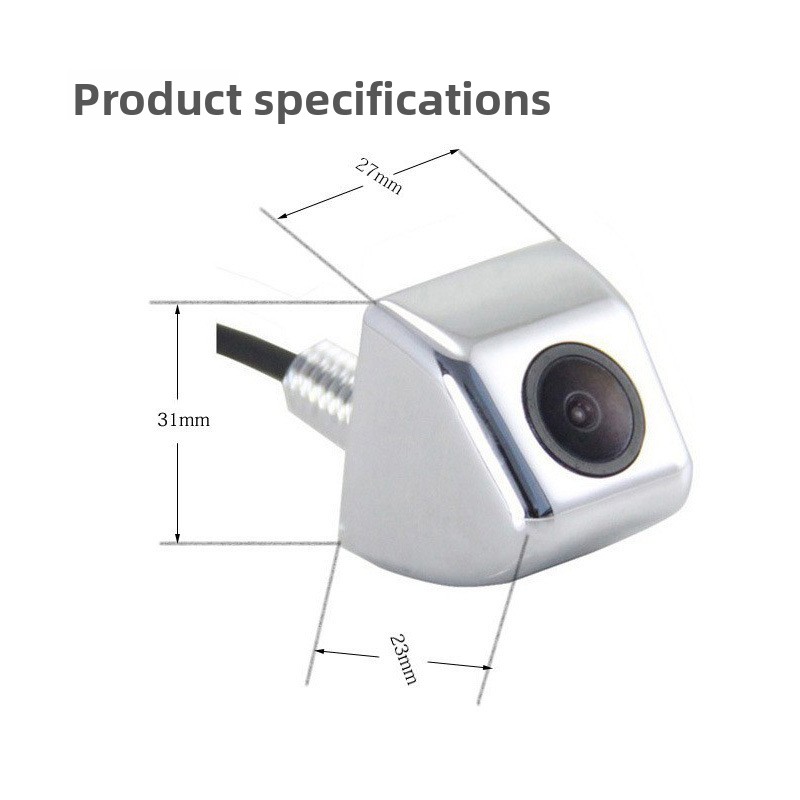
AHD 720 CCD Korean-style External Rear View Camera Reverse Backup Car Camera for Android Vehicles 12V Power and for All Cars
View Product Details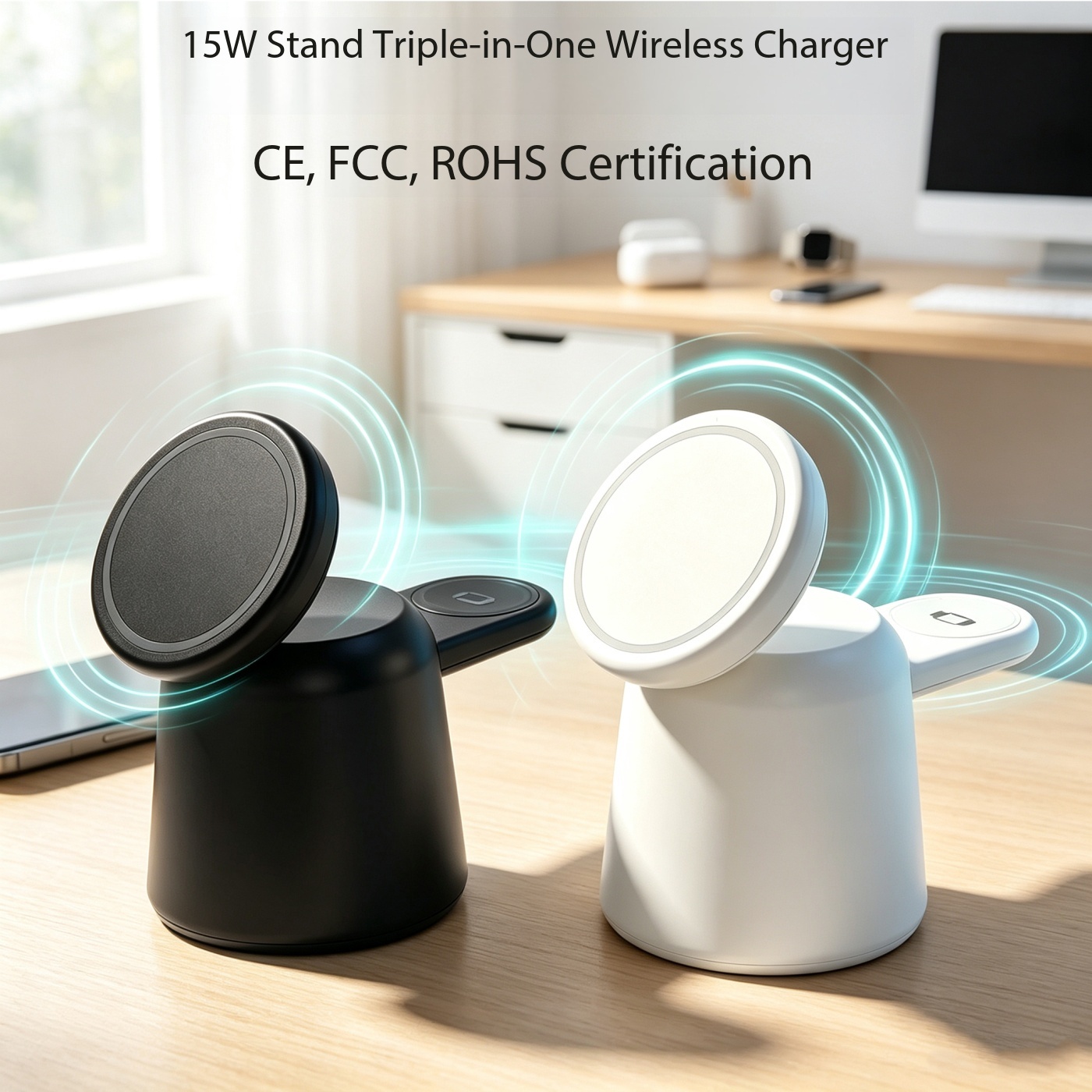
3-in-1 Portable Magnetic Wireless Charging Station Foldable Design 360 Rotation Type-C Port 15W Fast Charging for Mobile Phone
View Product Details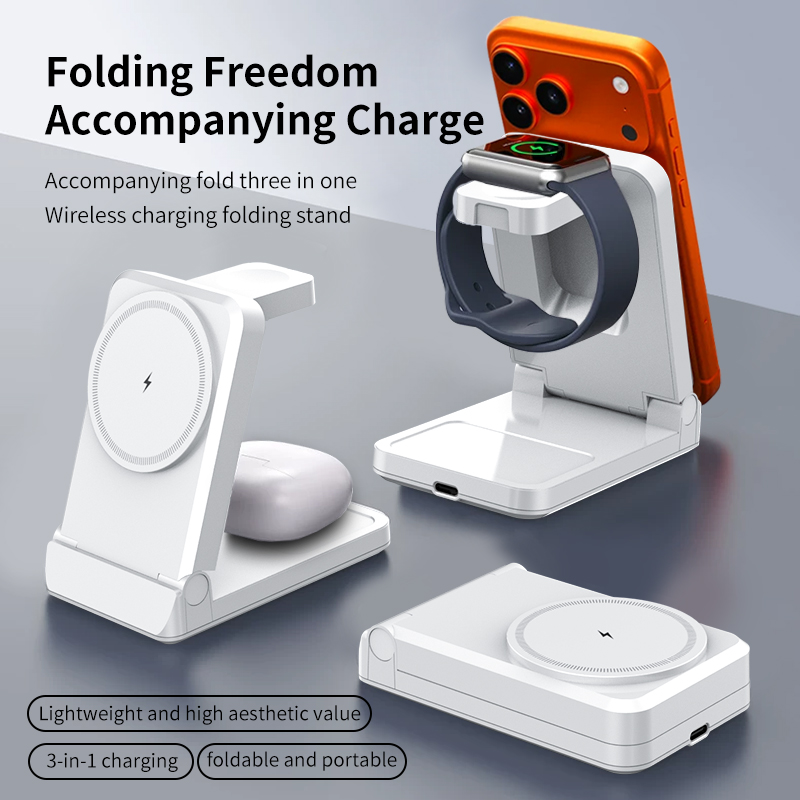
Foldable Magnetic 3-In-1 Wireless Charging Station 15W Fast Charging Stand for Mobile Phone Smart Watch
View Product DetailsNavigating Vision Safety in Brussels: Industrial-Grade Engineering Whitepaper
Executive Summary & Operational Intent for the Brussels Mobility Ecosystem
The Brussels Capital Region represents one of Europe's most complex urban transport nodes. Combining historical narrow streets (such as those surrounding the Grand Place and the European Quarter), high-density pedestrian corridors, dedicated cycling lanes ("Velo-routes"), and strict municipal regulations like the "Good Move" Regional Mobility Plan, commercial vehicle operators face immense navigational hurdles. Operating last-mile delivery vans, municipal utility trucks, and passenger transit fleets under adverse Belgian weather—characterized by frequent low-light conditions, dense morning fog, heavy precipitation, and early winter twilights—demands automotive vision systems that surpass basic consumer-grade standards.
For B2B buyers, fleet managers, automotive accessory wholesalers, and tier-1 aftermarket importers in Brussels, procuring high-performance Night Vision Rear View Cameras is no longer merely a convenience; it is a critical operational safety investment. Standard backup cameras frequently fail under low ambient illuminance (below 0.1 Lux), outputting grainy, over-exposed, or motion-blurred video signals that render blind-spot monitoring ineffective. This whitepaper analyzes the optoelectronic architectures, mechanical weatherproofing, regulatory compliance frameworks, and supply chain strategies necessary to deploy robust automotive rear-view cameras optimized for the Brussels market.
Key Takeaway for Importers: Deploying AHD (Analog High Definition) camera architectures featuring low-lux CMOS sensors (e.g., SONY STARVIS technology) and IP69K liquid ingress protection drastically reduces urban delivery collisions by up to 68% in low-visibility European city zones.
Optoelectronic Engineering: Mastering Low-Lux Night Vision Performance
True zero-light and low-light vehicle night vision relies on a synergistic combination of high-sensitivity silicon image sensors, multi-element glass optics, digital signal processors (DSP), and active illumination arrays. When sourcing night vision rear-view cameras for the Brussels market, buyers must evaluate four core optoelectronic components:
1. High-Sensitivity Back-Illuminated CMOS Sensors
Traditional Front-Side Illuminated (FSI) sensors redirect incoming photon pathways through metal wiring layers, causing significant optical signal attenuation. Jemrok’s industrial camera line utilizes Back-Illuminated (BSI) CMOS sensor technology (including SONY STARVIS and high-end SmartSens platforms). BSI architecture places the photodiode array directly behind the optical color filter, achieving a light absorption efficiency exceeding 90%. This yields exceptional SNR1s rating (a Sony-standard metric for low-light image quality), allowing pristine image capture at light levels down to 0.001 Lux without active IR assistance.
2. Large Aperture Optics & 6G Full-Glass Lenses
Plastic lens element stacks deteriorate under severe European thermal cycles, yellowing over time and degrading optical sharpness. Our export-grade cameras utilize 6-Element Full-Glass (6G) Optical Lens Assemblies with hydrophobic and anti-reflective nanometer coatings. Paired with ultra-wide aperture ratings of F/1.6 to F/1.8, these optical assemblies admit over 300% more light compared to standard commercial F/2.8 lenses, eliminating chromatic aberration and peripheral vignetting.
3. Wide Dynamic Range (WDR) & High Dynamic Range (HDR) Algorithms
Reversing out of dark loading docks into bright daylight, or operating at night under harsh sodium street lamps and blinding LED headlights, exposes cameras to extreme intrascene contrast ratios. Hardware-level WDR combines multiple exposure frames (short exposure for highlights, long exposure for shadow detail) in real time at 30 frames per second. The resulting composite video maintains crisp license plate readability and clear pedestrian silhouettes without blown-out highlights or pitch-black shadows.
4. Dynamic Infra-Red (IR) & Infrared Cut-Off Filtering
For zero-lux environments (such as unlit subterranean parking structures or rural Belgian transit arteries), integrated 850nm or 940nm Infrared LED arrays provide invisible active illumination. An automated IR-Cut Filter Switch mechanically engages during daylight to preserve true-to-life color fidelity, and disengages instantly in pitch darkness to maximize infrared sensitivity.
| Technical Parameter | Standard Backup Camera (Consumer Grade) | Jemrok Industrial Night Vision Camera (Brussels Export Grade) |
|---|---|---|
| Image Sensor Platform | Standard FSI CMOS (1/4" NTSC/PAL) | 1/2.8" Back-Illuminated Low-Lux CMOS / SONY STARVIS |
| Minimum Illumination | 0.5 Lux - 1.0 Lux (Grainy in shadow) | 0.001 Lux (Color low-light) / 0.000 Lux (With IR active) |
| Signal Transmission | CVBS Standard Definition (480 TVL) | AHD 1080P / 720P Uncompressed HD Video over Coax |
| Lens Architecture | 2G2P (Plastic/Glass Hybrid), F/2.8 | 6G All-Glass Precision Optics + IR Cut, F/1.6 - F/1.8 |
| Ingress Protection Rating | IP67 (Basic rainfall protection) | IP68 & IP69K (Hermetically sealed high-pressure washdown) |
| Operating Temperature | -10°C to +50°C | -20°C to +70°C (Integrated thermal dissipation) |
| Voltage Input Tolerance | Fixed 12V DC ±5% | Wide Voltage 9V–36V DC with Anti-Spike Protection |
6+ Years
Dedicated R&D Focus
1,500 m²
Shenzhen Manufacturing
500,000
Annual Camera Capacity
50 Sets
Low OEM Branding MOQ
< 1 Hour
Inquiry Response Time
Localized Application Scenarios across Brussels Urban Infrastructure
Engineered specifically to solve real-world operational hazards faced by drivers, commercial fleets, and municipal service operators in Belgium.
Last-Mile Electric Express Vans (Brussels LEZ)
With the strict enforcement of the Low Emission Zone (LEZ) in the Brussels-Capital Region, courier companies are rapidly migrating to compact electric delivery vehicles (e.g., Renault Kangoo E-Tech, Mercedes eSprinter). Early morning deliveries in dense residential districts like Ixelles and Schaerbeek require reversing down narrow alleyways lined with parked cars and vulnerable road users. Installing AHD 1080P rear-view cameras with dynamic reversing guide lines provides van drivers with precise distance estimation, preventing costly bodywork damage and ensuring vulnerable road user (VRU) safety.
Heavy Commercial Freight & Canal Zone Logistics
Heavy goods vehicles (HGVs) accessing industrial parks around the Port of Brussels (Haven van Brussel) and the Ring (R0) face severe blind spots, particularly on the right rear quarter. Heavy-duty 12V-24V wide-voltage waterproof cameras equipped with 4-pin aviation connectors withstand the constant vibration of cobblestone routes and high-pressure washing at maintenance depots. Their robust IR night vision ensures safe docking at unlit logistics bays during nocturnal freight transfers.
Taxi, Ride-Hailing & Corporate Passenger Fleets
In accordance with Brussels mobility regulations for passenger transport, taxi drivers operating around Brussels-Midi and Zaventem Airport require multi-channel recording setups. Streaming media rear-view mirrors combined with rear camera feeds replace conventional optical mirrors. This provides an unobstructed digital view past rear-seat passengers or luggage, while integrated cabin IR cameras record interior events in complete darkness for driver protection and liability mitigation.
Localized Market Trends & Regulatory Evolution (2025–2030)
1. EU General Safety Regulation II (GSR II) Compliance
The European Union’s updated General Safety Regulation mandates advanced safety features for all new vehicle registrations across Benelux countries. Reversing detection systems, blind-spot monitoring, and vulnerable road user detection are driving vehicle manufacturers and commercial fleet retrofitters to integrate higher resolution AHD vision sensors. Importers sourcing cameras with standardized video outputs and reliable electronic control units are positioned to capture expanding market share.
2. Transition from Analog CVBS to AHD & Digital Video Systems
Traditional legacy composite video (CVBS) systems with 480 TV lines of resolution are rapidly becoming obsolete in Belgium. Automotive distributors are aggressively converting their inventory to Analog High Definition (AHD 720P and 1080P). AHD delivers latency-free, uncompressed high-definition video over existing coaxial wiring, making it the preferred retrofitting solution for vehicle bodybuilders and aftermarket installers.
3. Integration with Telematics & Fleet Management Software (FMS)
Modern European logistics operators demand seamless synergy between hardware video recording and telematics software. Night vision cameras capable of outputting standardized video signals directly into 4G/5G mobile DVRs and GPS tracking telematics platforms allow fleet dispatchers in Brussels to monitor real-time vehicle surroundings, perform remote video retrieval, and analyze reversing incident data automatically.
Brussels Local Procurement FAQ: Technical & Sourcing Answers
Clear answers to frequent questions asked by European automotive importers, wholesalers, and fleet buyers.
How do Jemrok rear view cameras comply with EU automotive regulations (CE, e-Mark, RoHS)?
All Jemrok vehicle cameras exported to Belgium and the broader European Union are manufactured in strict alignment with CE, FCC, and RoHS directives. Circuit boards are built using lead-free processes and feature electromagnetic compatibility (EMC) suppression to prevent radio frequency interference with vehicle DAB+ radios, GPS, or telematics equipment. Full declaration documentation and testing certificates are provided with bulk shipments.
What protection measures prevent camera failure during wet Belgian winters and road-salting?
Our external cameras feature housing structures molded from high-density zinc alloy or industrial-grade ABS, sealed with internal silicone O-rings and hydrophobic optical sealant. Rated at IP68 and IP69K, they withstand high-pressure water jets up to 80°C and 100 bar pressure. Additionally, internal circuitry is coated with a anti-corrosive conformal coating to resist road salt spray and humidity.
Can we order custom private-label branding with a low Minimum Order Quantity (MOQ)?
Yes. As a direct Shenzhen manufacturer, Jemrok supports OEM branding starting at just 50 sets. Our in-house R&D and design team supports silk-screen logo printing, custom boot screens, customized packaging artwork, localized user manuals (French, Dutch, German, English), and tailored cable pinout configurations.
How are products shipped to Brussels, and what are the standard lead times?
Sample orders (2–5 pieces) are dispatched via express air courier (DHL/FedEx/UPS) with delivery to Brussels within 3 to 5 business days. Bulk wholesale orders are shipped via air cargo to Brussels Airport (BRU) or sea freight to the Port of Antwerp (followed by direct trucking via the E19/A12 highway into Brussels). Standard production lead time for customized OEM batches is 12 to 18 business days.
Are Jemrok rear view cameras compatible with aftermarket Android head units?
Yes, our AHD 720P and 1080P cameras feature selectable signal modes (switching between AHD and legacy CVBS via standard cable loops), ensuring 100% plug-and-play compatibility with all major Android car multimedia systems, factory monitors, and standalone dash displays.
Enterprise Capabilities: Why Jemrok Industrial Technology?
Direct factory manufacturing strength, uncompromising quality assurance, and dedicated engineering support for global automotive brands.
1,500 m² Shenzhen Production Facility
Operating out of Shenzhen, the world’s leading hub for automotive electronics, Jemrok houses state-of-the-art SMT lines, automated optical inspection (AOI) stations, dust-free lens assembly cleanrooms, and dedicated burn-in test racks capable of producing up to 500,000 camera units annually.
Rigorously Tested for Zero Defect Rate
Every camera undergoes a 100% 24-hour thermal burn-in test, 12-meter water submersion seal testing, vibration resistance evaluation up to 10G, and optical resolution calibration before packaging, maintaining a field failure rate below 0.2%.
Agile OEM/ODM Engineering Team
Our staff includes seasoned R&D optical, hardware, and firmware engineers capable of developing custom tooling, adapting dynamic reversing parking algorithms, and delivering working prototypes in as little as 10 days.
Partner with China's Premier Vehicle Camera Manufacturer
Request our comprehensive 2025 Product Catalog, detailed technical datasheets, and direct factory wholesale price list tailored for the Brussels and European markets.
Get Catalog