
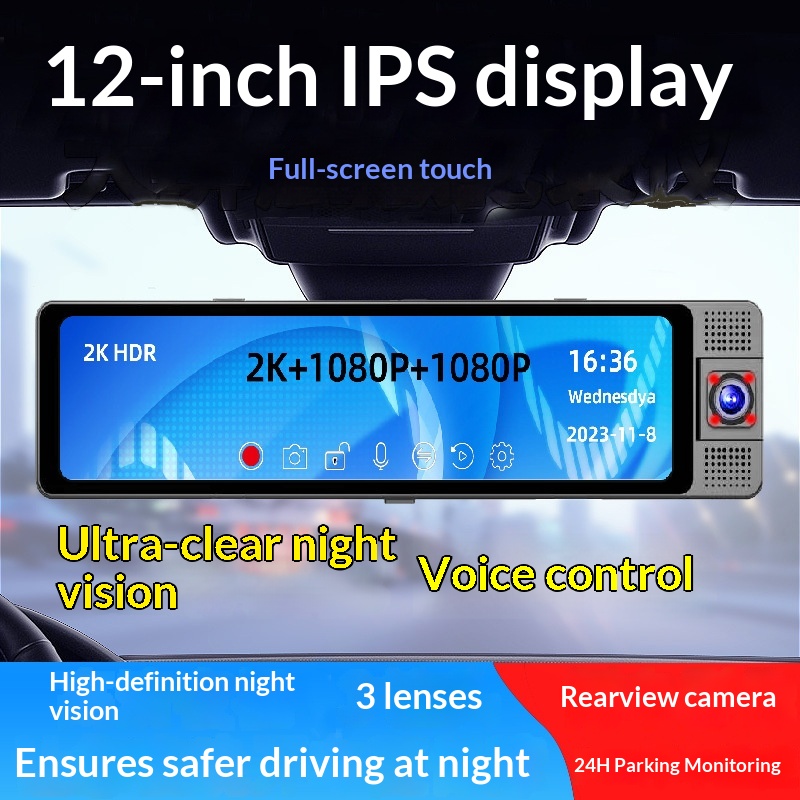

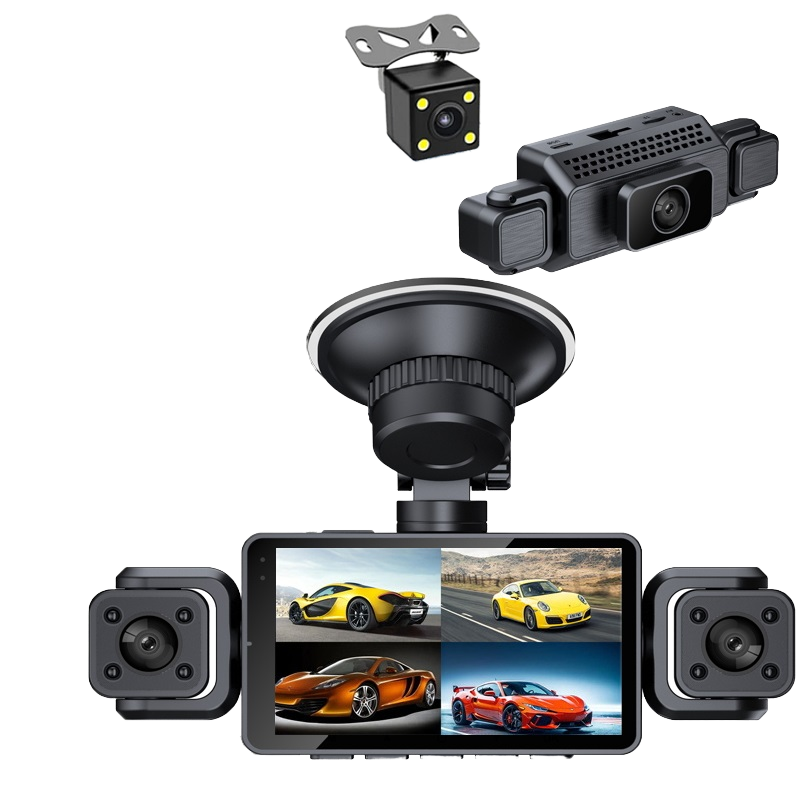
Technical Whitepaper: Multi-Camera Vision Integration in Basel's Commercial Logistics Hub
Situated at the pivotal tri-national border intersection of Switzerland, Germany, and France, Basel stands as the primary logistics gateway for the Swiss Confederation. With over 100,000 heavy duty vehicles, cross-border freight transits, and municipal transit cars navigating the congested Rhine corridor daily, demand for advanced multi camera system integration has transitioned from an optional safety upgrade to a mandatory operational asset.
Operating commercial vehicles in Basel requires adherence to strict Swiss Federal Roads Office (FEDRO/ASTRA) road safety standards, EU cross-border transit regulations, and Swiss Heavy Vehicle Charge (LSVA) audit frameworks. Modern fleet operators, public transit lines like Basler Verkehrs-Betriebe (BVB), and European freight companies sourcing multi-camera technology must implement hardware capable of resolving complex operational challenges: extreme light transitions in alpine tunnels, harsh winter road conditions, blind-spot elimination in historic city streets, and uninterrupted high-definition video recording.
1. Spatial Blind-Spot Elimination for Cross-Border Transport
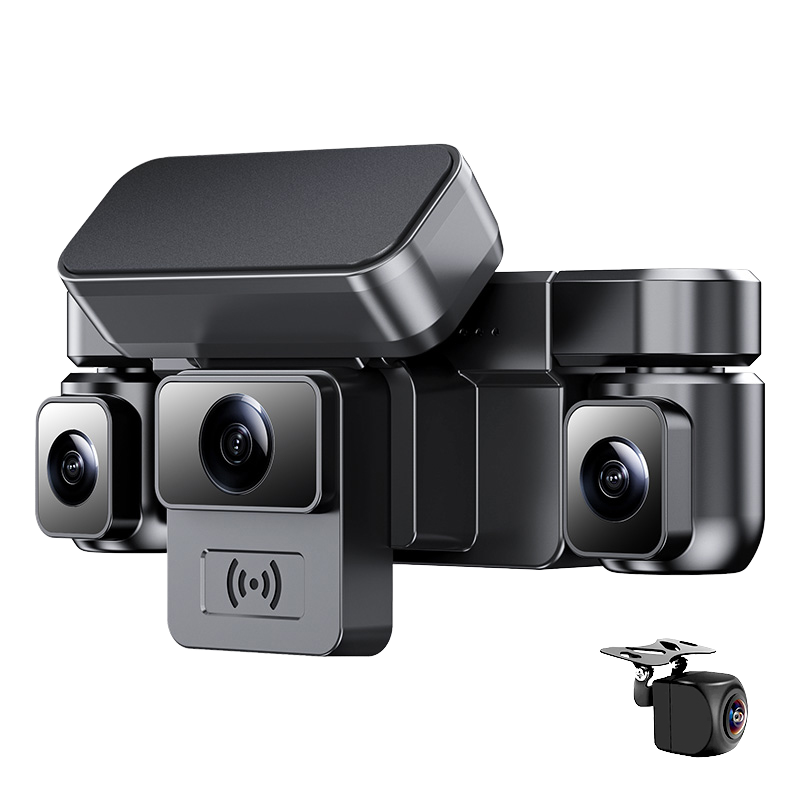
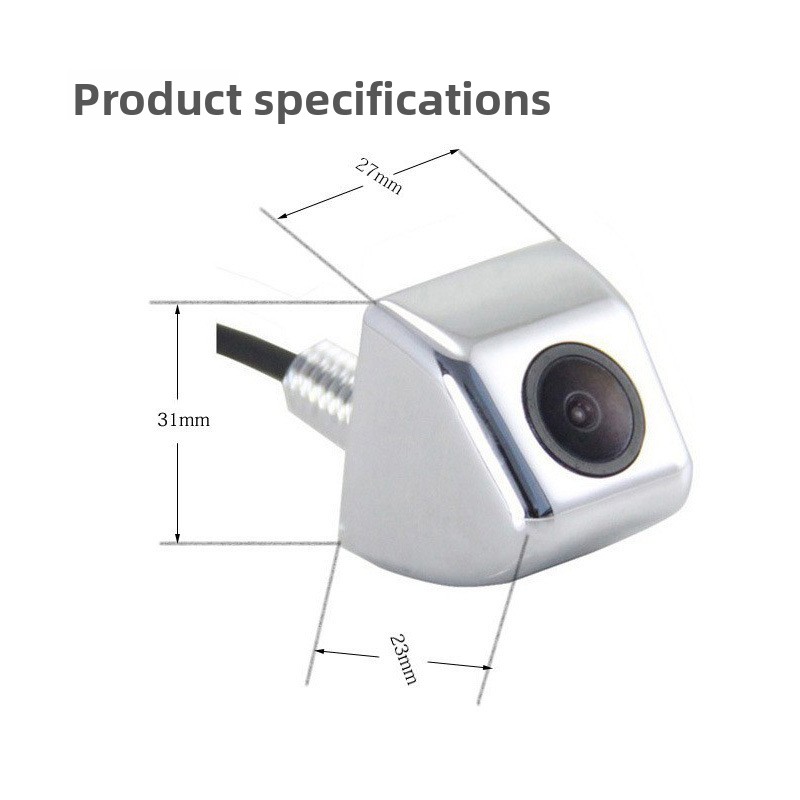
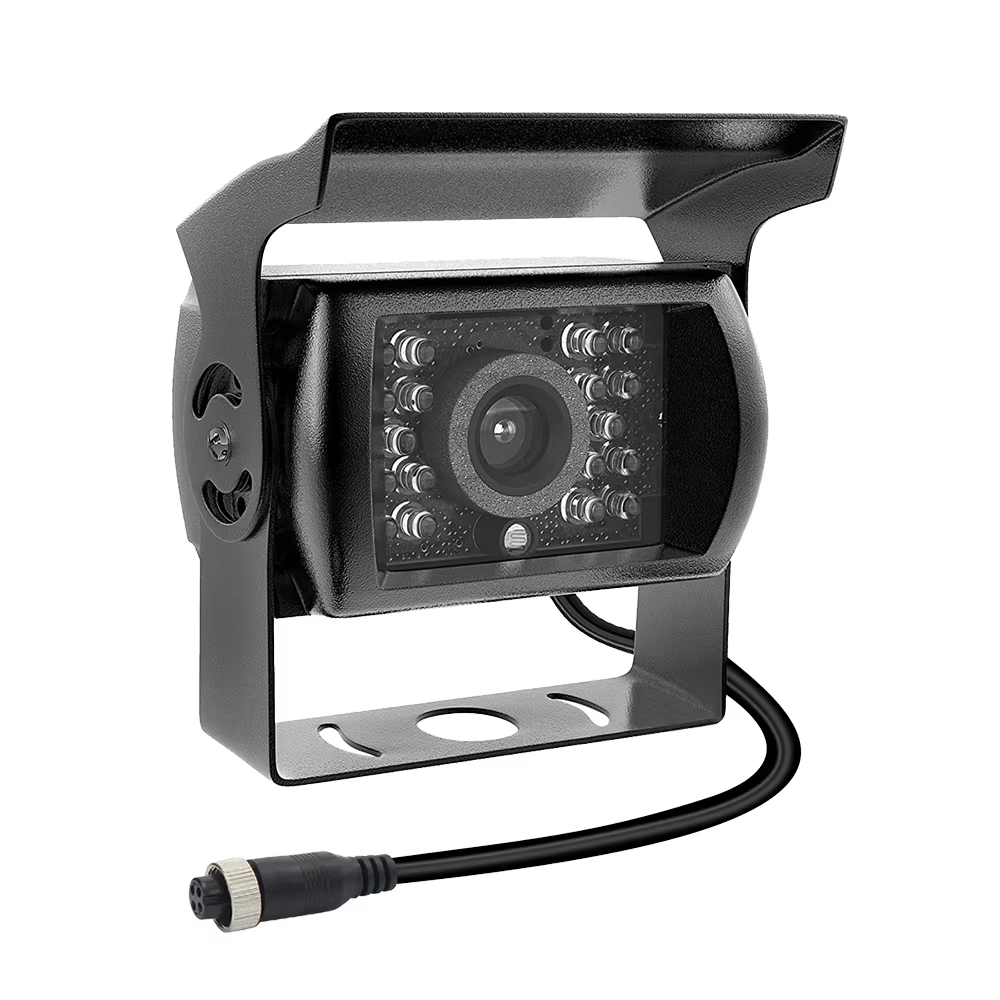
Articulated trucks, delivery vans, and heavy freight rigs transiting via the A2/A3 motorways and Swiss customs checkpoints face significant blind spots along passenger sides and rear angles. A single-lens front recorder provides zero evidentiary or operational visibility regarding lateral side-swipes or vulnerable road user (VRU) proximity. Modern multi-camera deployments integrate 3-channel and 4-channel synchronized DVR architectures utilizing high-dynamic-range (HDR) optical sensors. By deploying wide-angle lens arrays (up to 170° diagonal field-of-view) across front windshields, left/right mirrors, and rear tailgates, fleet commanders achieve complete 360-degree perimeter protection.
2. Thermal Stability & Electrical Isolation in Alpine Climates
Basel's geographic location exposes commercial electronics to severe temperature fluctuations—ranging from sub-zero winter freeze conditions in the Jura mountains to intense summer heat soak inside enclosed glass cabs. Low-cost retail cameras frequently suffer from lithium-battery swelling, sensor thermal noise, and focus drift. Industrial-grade multi-camera systems manufactured by Jemrok Industrial Technology utilize supercapacitor power supplies combined with automotive-grade PCB substrates. Designed to support 12–24V (up to 36V surge) wide-voltage vehicle electrical systems, these systems guarantee zero frame loss during cold engine starts or transient voltage spikes.
3. Low-Latency Local Connectivity & Telematics Integration
The modern Basel logistics ecosystem demands instant video access for claims settlement, cargo monitoring, and driver safety audits. Advanced multi-camera systems utilize dual-band 5G/2.4GHz WiFi modules and high-efficiency H.264/H.265 video compression algorithms. This architecture allows local fleet dispatchers and safety officers to extract high-bitrate 2K/1080P video clips directly to smart devices or telematics gateways without removing solid-state memory media.