Factory-Direct Commercial Dash Cams & Vision Systems
Verified B2B Hardware Solutions Engineered for Extreme Environments, Long-Haul Logistics, and Fleet Safety


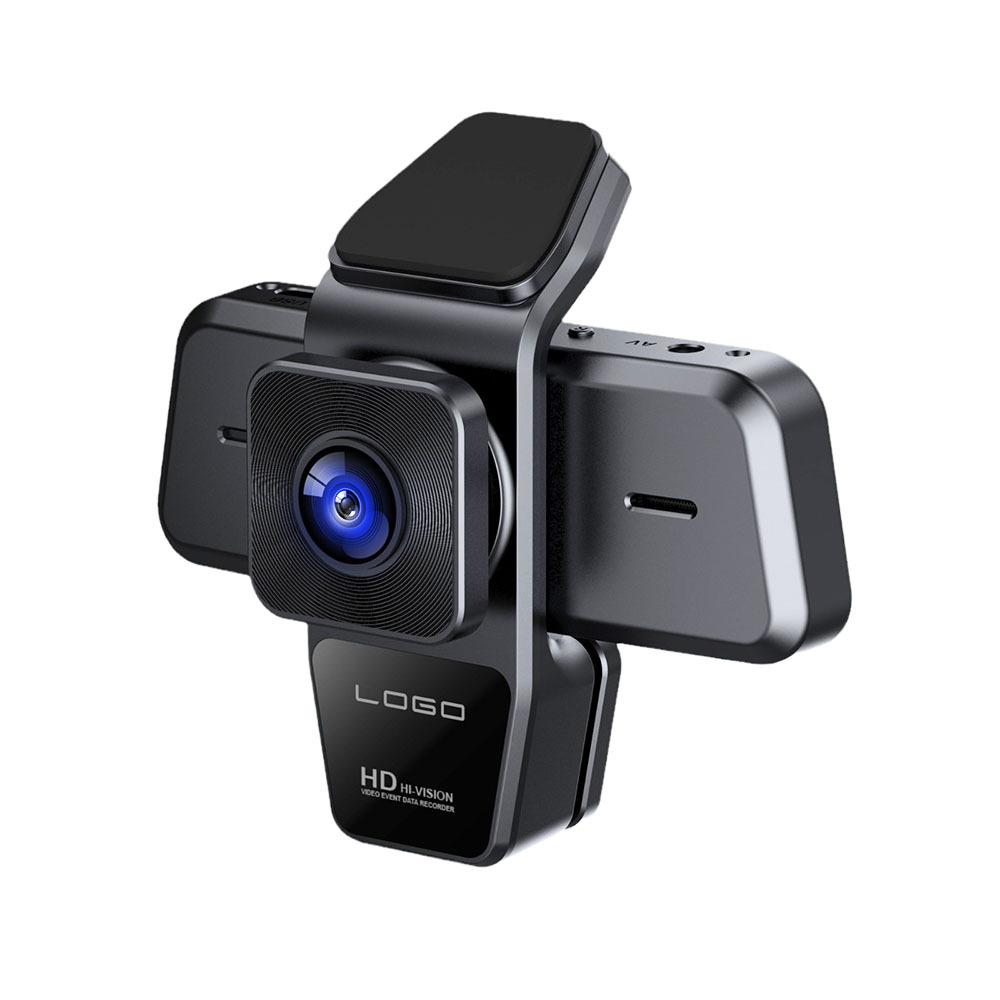
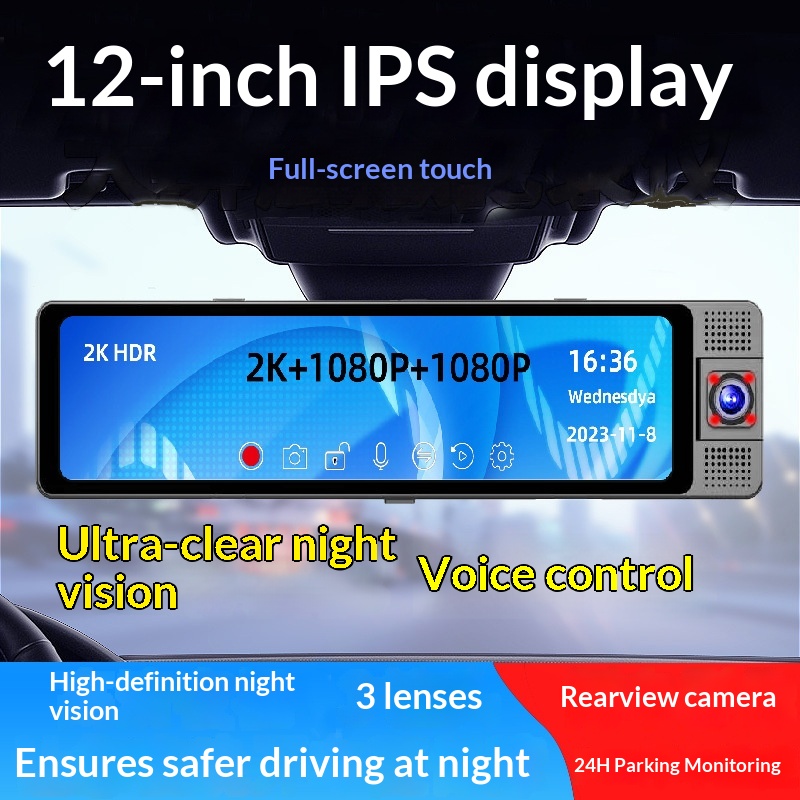
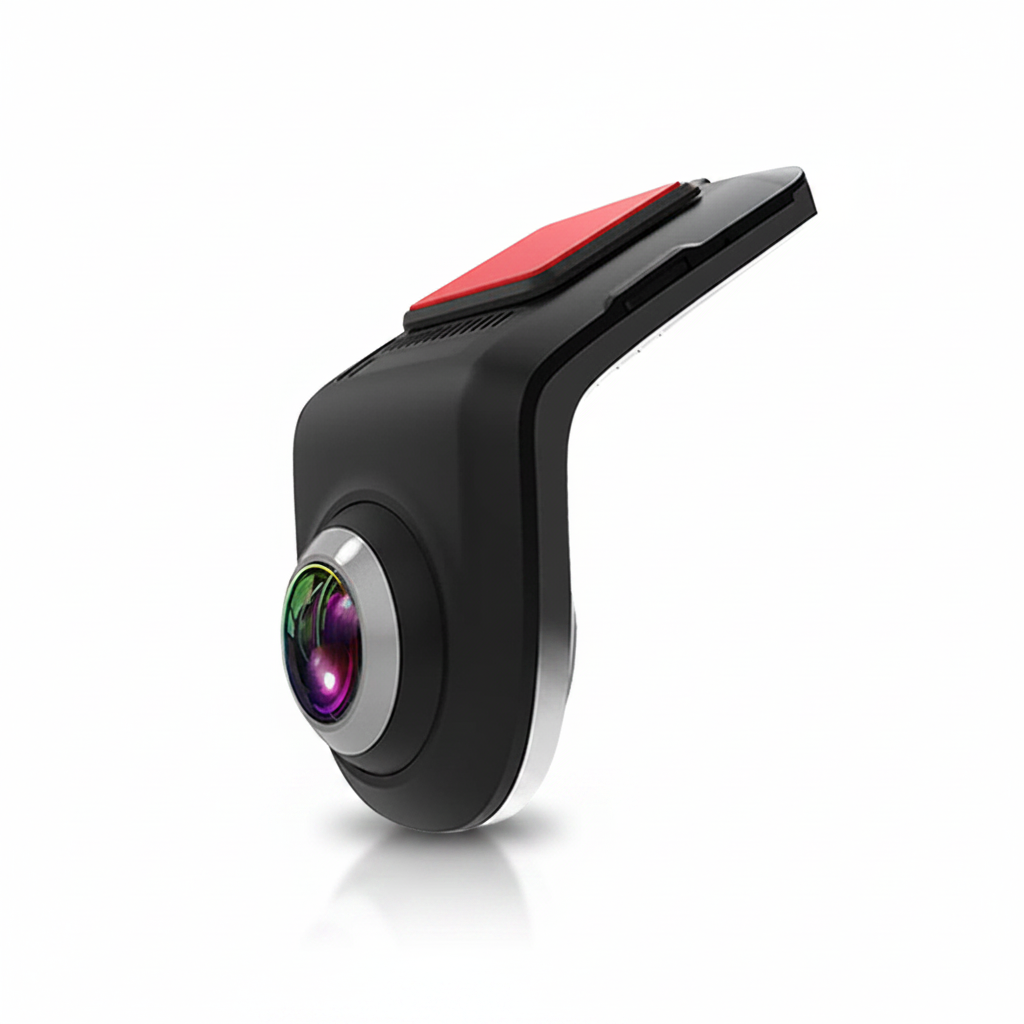


1. Strategic Overview: Commercial Vehicle Safety & Telematics Sourcing in Choibalsan
As the primary industrial, logistics, and transportation hub of Eastern Mongolia, Choibalsan (Dornod Province) occupies a crucial geographic node along the Eurasian land bridge connecting Russia, China, and eastern mining corridors. The severe operational demands placed on cross-border logistics fleets, heavy-duty mining haulers, municipal transit, and private vehicles operating around the Choibalsan transport hub necessitate advanced automotive telematics. Among these, the dual-lens 120-degree loop recording dash camera has emerged as an indispensable safety and liability mitigant.
Operating conditions in Eastern Mongolia present unique technical challenges for electronic vehicle accessories. Ambient winter temperatures frequently drop below -40°C, roads range from pave corridors to unpaved steppe routes subject to continuous physical vibration, and daylight hours vary dramatically across seasons. Commercial fleet managers, automotive electronics wholesalers, and mining logistics directors in Choibalsan require video monitoring hardware capable of uninterrupted performance without optical thermal distortion, video file corruption during sudden power drops, or optical clarity loss during night operation across dark rural highways.
Information Gain Insight: Sourcing dual-lens dash cameras for Choibalsan requires evaluating specific optical physics and power architecture parameters. Unlike standardized consumer dash cams intended for temperate climates, commercial units deployed in Dornod Province must feature supercapacitor power systems, wide-voltage transient protection (12V–36V), and an optimized 120-degree Field of View (FOV) to eliminate fisheye edge blur and maintain license plate readability up to 35 meters in zero-light conditions.
This technical whitepaper provides a comprehensive B2B sourcing analysis for importers, fleet contractors, and retail exporters seeking high-reliability dual-lens dash camera manufacturers in Shenzhen to supply the growing demand in Choibalsan and the wider Mongolian market.
2. Engineering Deep-Dive: Optical Physics, Loop Recording Algorithms & Thermal Resilience
Understanding the engineering parameters of a dual-lens 120-degree loop recording system allows B2B procurement officers in Choibalsan to make data-driven purchasing decisions that optimize long-term operational ROI and minimize warranty failure rates.
A. Optical Geometry: Why 120-Degree FOV Superiorly Serves Flat Steppe Driving
A prevalent misconception in consumer automotive electronics is that wider field-of-view lenses (such as 170° or 180° fisheye configurations) are universally superior. However, optical physics demonstrates that ultra-wide FOVs suffer from severe barrel distortion (fisheye warp) at the lateral edges, diminishing the pixel density per angular degree. On flat, high-speed routes common in Dornod Province—such as the highway corridors linking Choibalsan to Ereentsav or Baruun-Urt—identifying license plates and road hazard details at distance is critical.
120° Optical Precision
Maintains focal depth and crisp license plate legibility at distances up to 35 meters. Eliminates peripheral image stretching and barrel distortion.
Supercapacitor Power
Replaces volatile Lithium-ion cells. Guarantees safe cold-boot execution at -45°C and prevents thermal swelling under intense summer glass reflection.
Zero-Gap Loop Overwrite
Advanced TS (Transport Stream) file format writing prevents video corruption during severe vehicle vibration or abrupt battery disconnection.
B. Seamless Loop Recording Logic & Video Stream Protection
Loop recording functionality requires sophisticated flash memory management. Standard consumer dash cams write video buffers into temporary RAM before packaging files into MP4 or AVI containers every 1, 3, or 5 minutes. If a commercial vehicle traversing corrugated dirt roads outside Choibalsan experiences a sudden loss of auxiliary power or severe shock, the active file header often fails to close, resulting in corrupted, unplayable footage precisely when collision evidence is required.
Engineered dual-lens cameras utilize TS (Transport Stream) spatial writing technology. By writing frame-by-frame directly to the MicroSD card in real-time, every millisecond of video up to the exact moment of impact is preserved. Furthermore, built-in 3-axis G-sensors dynamically lock emergency video buffers when vibration thresholds are exceeded, transferring the file to a protected directory immune to automated loop overwriting.
C. Dual-Lens Architecture: Synchronized External & Cabin/Rear Monitoring
The dual-lens configuration provides a dual-channel visual perimeter. Channel A (Forward Facing) incorporates a 6-layer glass optical stack with an IR-cut filter and F/1.8 aperture, capturing the exterior roadway in Full HD or 2K resolution. Channel B (Cabin or Rear Facing) utilizes high-sensitivity CMOS sensors paired with 850nm infrared LEDs, enabling absolute clarity inside passenger compartments or behind commercial cargo tailgates even in zero-ambient-light environments.
3. Localized Application Scenarios Across Choibalsan & Dornod Province
To maximize commercial success when importing dash cams into Choibalsan, products must directly align with local vehicle usage patterns and regional economic drivers.
Scenario 1: Cross-Border Heavy Haulage & Mining Fleet Logistics
Dornod Province is home to extensive mining operations (coal, uranium, crude oil) and critical border transport routes connecting Choibalsan to Russian and Chinese border stations. Fleet vehicles—ranging from 40-ton articulated dump trucks to international freight trucks—operate on relentless 24-hour shift schedules.
- Operating Requirement: Wide-voltage input tolerance (12V–36V) to handle voltage spikes from heavy-diesel vehicle alternators.
- Deployment Advantage: Dual-lens cameras record both the driver's forward trajectory and internal cab condition (fatigue detection monitoring support) or rear cargo hitch points, drastically reducing insurance fraud and disputed road incidents.
Scenario 2: Urban Transit, Taxi, & Ride-Hailing Fleets in Choibalsan
Within the city center of Choibalsan, municipal taxi services and private transport providers operate continuously in dense traffic and severe winter conditions.
- Operating Requirement: Discrete form factor, high-definition internal cabin infrared night vision, and tamper-proof SD card slots.
- Deployment Advantage: Synchronized audio and video loop recording protects drivers against passenger disputes and provides indisputable legal video evidence for local law enforcement and insurance assessors.
Scenario 3: Rural Steppe Agriculture, Off-Road Emergency, & Private Motoring
Traversing the vast grassland expanses of Eastern Mongolia frequently involves traveling on unmarked dirt tracks where wildlife, severe weather hazards, and lack of street lighting create driving hazards.
- Operating Requirement: Wide dynamic range (WDR) imaging sensors to counteract blinding sunlight reflecting off ice and snow, combined with automated 24-hour parking monitoring powered by hardwire step-down kits.
- Deployment Advantage: Ensures constant surveillance even when vehicles are parked overnight in unheated outdoor environments.
4. Local Procurement FAQ: Sourcing & Import Guidance for Choibalsan Buyers
5. Market Development Trends & Regulatory Landscape in Mongolia (2026–2030)
The commercial automotive market across Mongolia is undergoing rapid modernization. Key trends influencing the procurement of dash cams and fleet vision systems include:
1. Mandatory Fleet Digitalization: Commercial transport operators and logistics contractors in Dornod Province are increasingly adopting multi-camera vision networks to lower insurance premiums and track driver compliance. Integration with GPS tracking units and USB ADAS (Advanced Driver Assistance Systems) is rapidly becoming a standard tender requirement.
2. Escalation of Legal Video Evidence Reliance: Traffic courts and insurance underwriters across major Mongolian cities now prioritize timestamped dual-lens dash cam footage as primary evidence during collision adjudication, driving high retail consumer demand for clear 1080P and 2K dual-channel systems.
3. Transition from Single-Channel to Multi-Channel Security: Traditional front-only dash cams are quickly being phased out by local distributors in favor of dual-lens (120-degree FOV) and 3-channel (front, cabin, rear) recorders that provide complete 360-degree environmental awareness.
6. Why Partner with Jemrok Industrial Technology: Enterprise Manufacturing Excellence
Jemrok Industrial Technology (Shenzhen) Co., Ltd. stands as a specialized OEM/ODM manufacturer dedicated exclusively to vehicle vision systems, car DVRs, mirror recorders, and commercial camera solutions. Rather than operating as a broad consumer electronics trading generalist, Jemrok focuses 100% of its engineering resources on automotive safety vision technology.
1,500 m² Factory Infrastructure
Equipped with modern SMT lines, automated optical alignment machinery, aging test chambers, and dust-free assembly rooms in Shenzhen, China.
300K–500K Annual Production
High-volume manufacturing capacity guarantees stable component pricing, rapid lead times (7–15 days), and consistent batch quality.
In-House Firmware & Hardware R&D
Dedicated engineers offering end-to-end ODM customization—from PCB layout design and lens sensor pairing to customized UI firmware development.
With products successfully exported to over 30 countries across Europe, North America, Central Asia, and Oceania, Jemrok provides B2B buyers in Choibalsan with reliable, factory-direct pricing, low MOQ flexibility (from 50 sets), and an average customer service response time under 1 hour.