
Navigating South Korea’s Commercial Vehicle Vision & Camera Monitor Requirements
South Korea represents one of the most technologically advanced and rigorously regulated automotive electronics markets globally. As commercial transport sectors—ranging from urban cold-chain express services in Seoul and Incheon to heavy cargo transport along the Gyeongbu Expressway—demand higher operational safety and driver assistance capabilities, the market for high-reliability OEM vehicle camera monitors and multi-channel recorders has expanded exponentially.
For South Korean automotive brand owners, fleet management system (FMS) integrators, and Tier-1 aftermarket suppliers, sourcing camera display systems from a specialized manufacturer requires far more than basic video output. It demands total compliance with South Korea’s strict Korea Certification (KC EMC / KC Safety) standards, seamless integration with local telematics devices (including Digital Tachographs, or DTGs), and uncompromised optical durability under extreme seasonal weather fluctuations ranging from sub-zero winter temperatures in Gangwon-do to humid sub-tropical summers in Busan.
As an established Shenzhen-based vehicle camera monitor manufacturer with over 6 years of focused R&D and a direct manufacturing capacity of up to 500,000 units annually, Jemrok Industrial Technology Co., Ltd. delivers custom OEM and ODM engineering services specifically tailored to the unique operational demands of South Korean commercial fleets and electronics distributors.
6+ Years
Focused R&D Expertise
500,000
Annual Unit Output
KC / CE / FCC
Full Regulatory Compliance
50 Sets
Flexible OEM Minimum Order
Technical Information Gain: Industrial Hardware Architecture for Korean Fleets
To maintain a competitive edge in the South Korean vehicle electronics ecosystem, generic off-the-shelf consumer monitors are insufficient. Commercial operators managing heavy trucks (such as Hyundai Xcient, Kia Bongo III, or Tata Daewoo Prima) encounter severe electrical noise, high mechanical vibration, and intense cabin direct sunlight.
Jemrok addresses these precise pain points through specialized hardware engineering, offering localized OEM customizations that ensure direct compatibility with Korean commercial chassis:
Wide Voltage 9V–36V with Transient Protection
Built-in TVS (Transient Voltage Suppressor) surge modules protect internal monitor circuits against voltage spikes caused by engine cranking or alternator load dumps common in 24V commercial vehicle systems.
High-Luminance IPS Displays (Up to 1000 Nits)
Anti-glare, optically bonded IPS display panels deliver clear visibility even under direct, high-angle sunlight. Features auto-dimming ambient light sensors for night driving comfort.
Ultra-Low Visual Latency (<50ms) AHD Input
Utilizing high-end Novatek and SigmaStar chipsets paired with Sony STARVIS sensors, our AHD 1080P/720P monitors eliminate frame lag during high-speed highway maneuvering and tight reverse parking.
Engineering Comparison: OEM Commercial Grade vs Standard Aftermarket Displays
When evaluating procurement options for South Korean distributors, the following comparative engineering metrics illustrate why Jemrok’s factory OEM platforms deliver higher lifetime value and minimal field failure rates:
| Technical Parameter | Standard Consumer Aftermarket | Jemrok Industrial OEM Platform (For Korea) |
|---|---|---|
| Display Panel Technology | Standard TN / TFT Panel (250–350 Nits) | High-Brightness IPS Optical Bonding (500–1000 Nits) |
| Operating Temperature Range | -10°C to +50°C (Prone to winter cold boot fail) | -20°C to +70°C (Extended industrial thermal tolerance) |
| Electromagnetic Immunity | Basic Unshielded Wiring | KN 41 / KN 14-2 Compliant Shielded M12 Connectors |
| Video Processing Latency | 120ms – 250ms (Noticeable reverse lag) | < 50ms Real-Time AHD Transmission |
| Firmware & UI Customization | Fixed English/Chinese Menu | Fully Customized Korean Language UI & Hangul Voice Alerts |
| Waterproof Rating (Cameras) | IP67 Plastic Shell | IP68K / IP69K Heavy-Duty Metal Shell with Heated Glass |
Localized Application Scenarios Across South Korea
Vehicle camera monitor requirements vary significantly depending on the operational environment and fleet topology within South Korea. Below are four key localized use cases where our OEM custom visual platforms deliver high information gain and operational security:
1. Metropolitan Logistics & Cold-Chain Express (Seoul, Incheon, Suwon)
Last-mile delivery vehicles (such as 1-ton Kia Bongo and Hyundai Porter II box trucks) operate in densely populated urban alleys and complex parking structures across Seoul. Our 7-inch and 10.1-inch dual/quad AHD monitor setups with auto-trigger reverse lines provide drivers with instant high-definition visibility of blind spots, preventing pedestrian accidents and cargo damage during high-frequency stop-and-go operations.
2. Heavy Intermodal Container Transport (Busan Port to Inland Terminals)
Tractor-trailers moving containers along coastal highway corridors face continuous salt mist and heavy vibration. Jemrok’s metal-housed, IP68K waterproof rear and side-view cameras combined with quad-view split-screen monitors allow truck operators to monitor wide-angle blind spots simultaneously, reducing lane-change collisions on high-speed expressways.
3. Passenger Transit & Commercial Taxi Fleets (Gyeonggi-do & Incheon International Airport Routes)
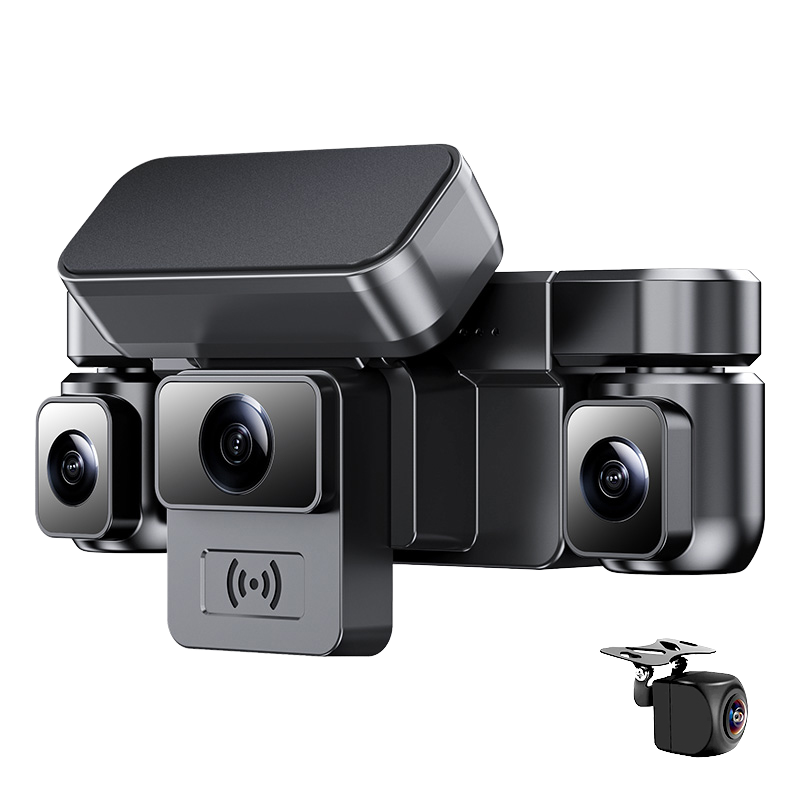
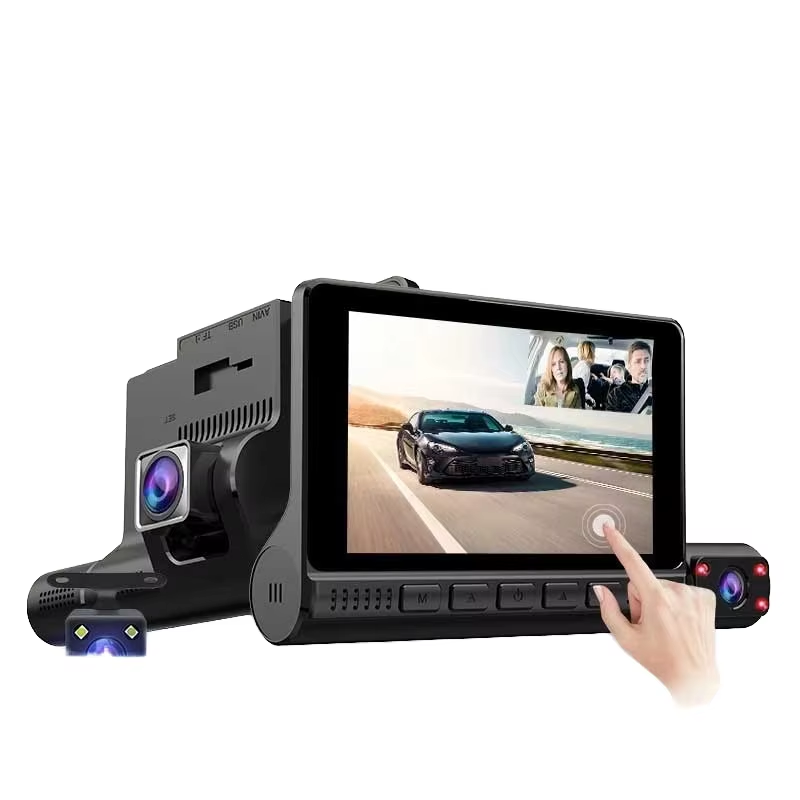
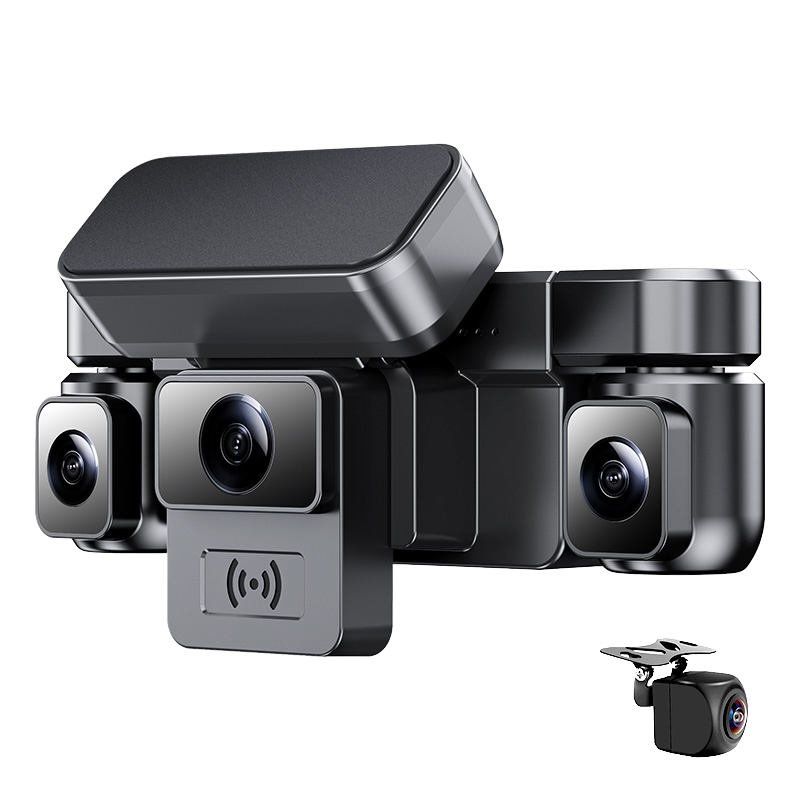
In accordance with South Korean passenger safety and privacy guidelines, public buses and airport shuttle fleets require compact, low-profile interior and exterior monitoring setups. Our 3-channel and 4-channel hidden mirror DVRs and ultra-slim monitors feature lockable SD card slots, infrared night vision cabin lenses, and G-sensor crash file protection to resolve passenger liability claims transparently.
4. Specialized Construction & Agricultural Heavy Machinery (Jeolla & Gyeongsang Industrial Zones)
Excavators, dump trucks, and heavy earth-moving equipment operating in mining and construction sites require ruggedized visual monitoring. Jemrok engineers custom anti-vibration rubber damper mounts, wide-voltage 12V-36V power harnesses, and heavy-duty 4-pin M12 aviation cable assemblies that resist mud, fuel contact, and extreme mechanical shock.
Precision Assembly & Custom Housing Fabrication
Sony STARVIS Night Vision & Low-Latency Display
Emerging Trends in South Korea’s Commercial Vehicle Vision Market
The South Korean automotive market is experiencing a rapid technological transition driven by regulatory updates from the Ministry of Land, Infrastructure and Transport (MOLIT) and heightened consumer expectations for active safety. OEM buyers and distributors must align their product roadmaps with these four major market trends:
1. Mandatory Blind-Spot Detection (BSD) & AI Pedestrian Recognition
MOLIT regulations increasingly mandate active blind-spot warning systems on heavy commercial vehicles. Modern Korean fleet buyers prefer camera monitor platforms embedded with NPU-based AI algorithms capable of detecting pedestrians and cyclists in real-time, emitting visual and acoustic cabin alerts.
2. Transition from Analog CVBS to Full High-Definition AHD/TVI
Legacy CVBS monitors are rapidly being phased out in South Korea. Fleet operators are standardizing on 1080P AHD and high-resolution digital touch screen monitors that offer crisp color separation, wide dynamic range (WDR), and high frame rate fidelity.
3. Streaming Media Digital Rearview Mirror Adoption
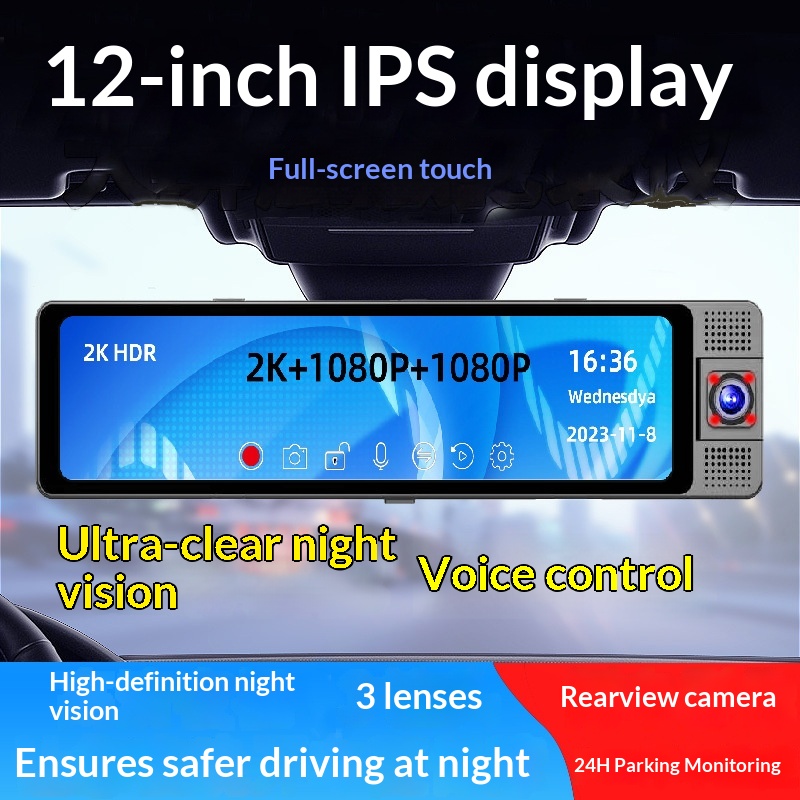
Standard optical rearview mirrors are blocked when box trucks, vans, or passenger buses carry full loads. Streaming media mirror monitors—featuring high-brightness IPS displays fed by ultra-wide rear camera feeds—have become a highly sought-after aftermarket and OEM upgrade across Korean logistics networks.
4. Cloud Telematics & 5G/LTE Dash Cam Integration
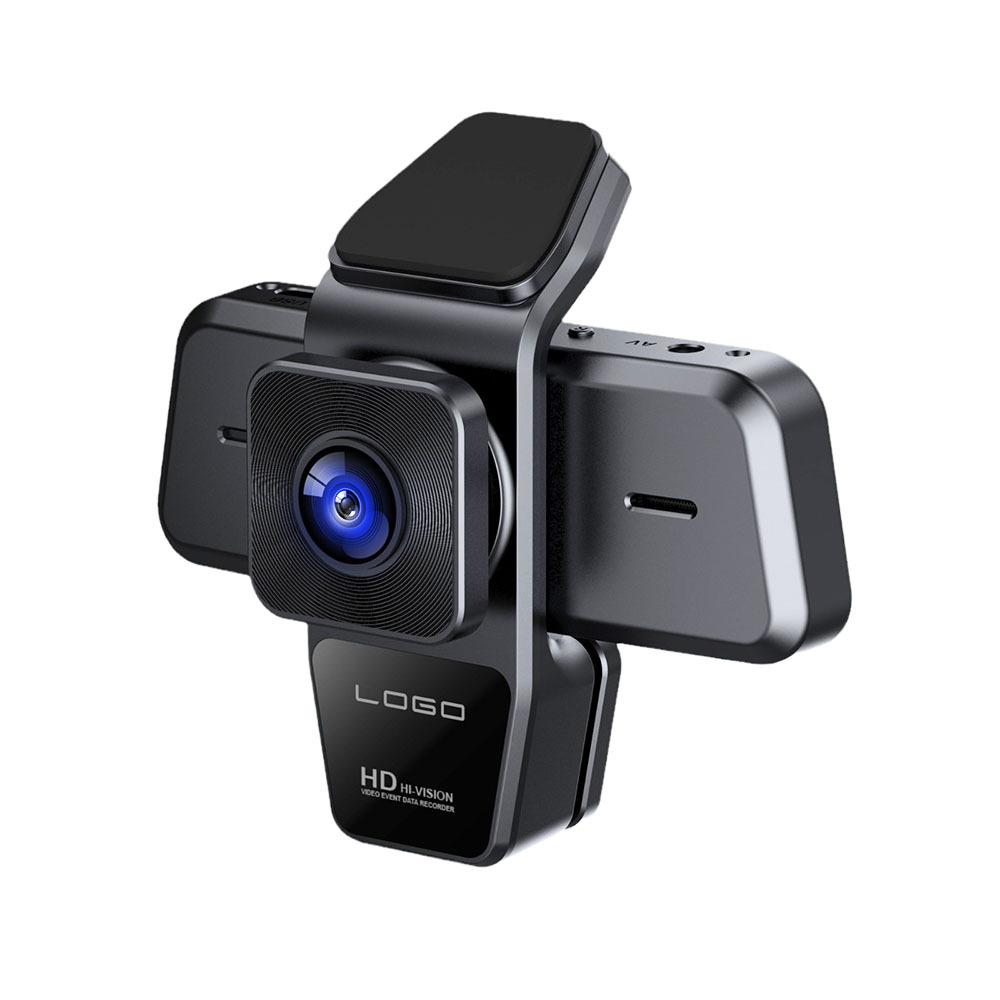
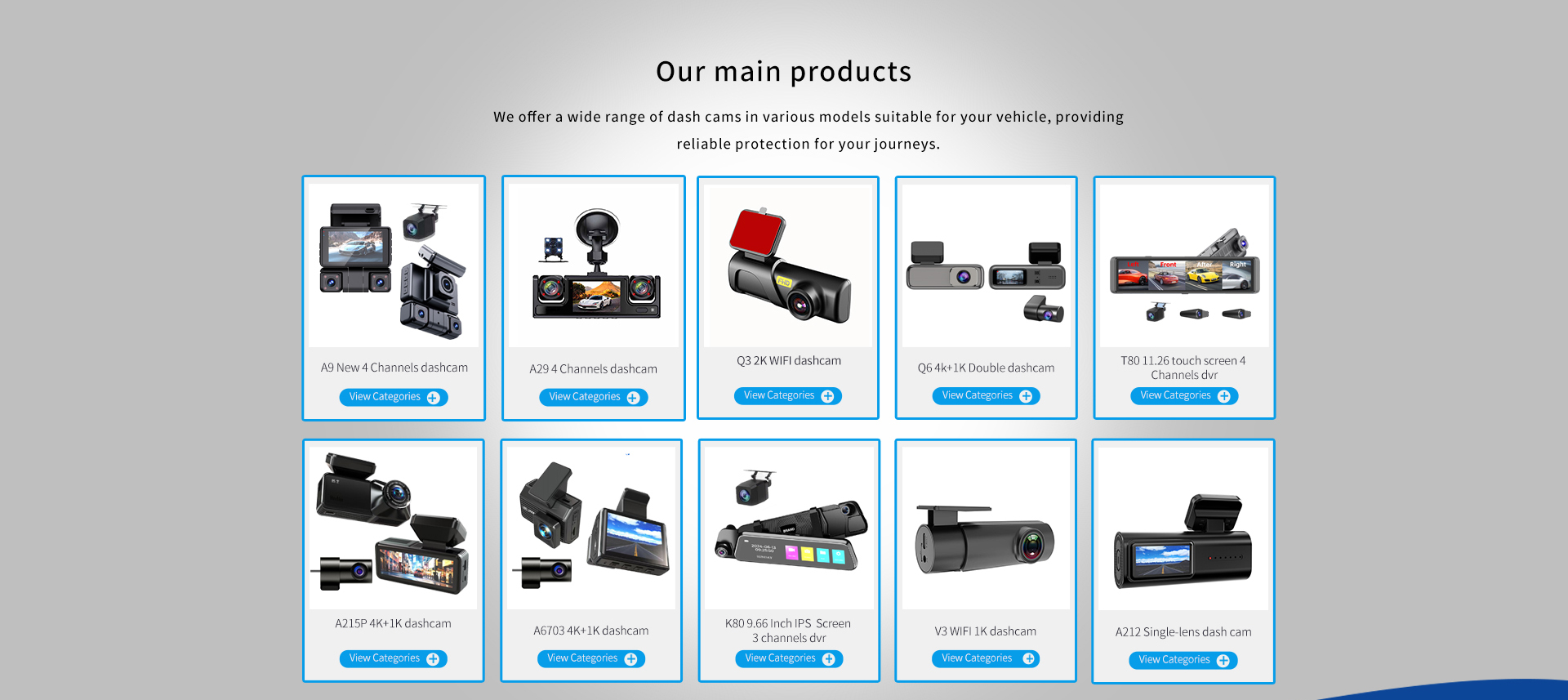
Commercial transport companies require real-time remote video monitoring, GPS tracking, and automatic incident upload. Dual-lens and 4-channel vehicle DVR monitors with built-in Wi-Fi and 4G/5G module slots allow fleet managers to streamline risk control and driver safety scoring.
Factory OEM/ODM Customization Capabilities for Korean Brands
Located in Shenzhen’s core electronics manufacturing district, Jemrok operates a modern 1,500 m² factory equipped with automated SMT placement lines, optical testing darkrooms, and environmental aging chambers. We provide comprehensive end-to-end OEM and ODM services designed to help South Korean importers minimize time-to-market while guaranteeing strict quality control:
Firmware & Software Localization
In-house software engineers customize firmware to include Hangul (Korean language) UI menus, local timezone defaults, customized startup boot logos, and custom sound effects tuned for Korean drivers.
Mechanical & Industrial Housing Customization
From private label silicone buttons and laser-etched metal casings to custom M12/RCA wiring harness pinouts, we adapt hardware dimensions to fit specific Hyundai/Kia dash cutouts.
Multi-Stage Quality Assurance
Every vehicle monitor unit undergoes 100% burn-in thermal testing, 24-hour continuous video recording validation, optical sensor alignment, and salt-spray corrosion chamber testing prior to export packing.
1,500 m² Shenzhen Production Plant
Precision SMT & Automated Assembly Line
Frequently Asked Questions (FAQ) for South Korean Buyers
Below are authoritative, direct answers to common questions asked by South Korean procurement managers, automotive engineers, and aftermarket brand owners when sourcing vehicle camera monitors from our factory:
Q1: How does your factory support South Korea’s KC (Korea Certification) compliance requirements?
We provide full technical support for Korean buyers pursuing KC EMC (Electromagnetic Compatibility) certification. Our PCB circuit board layouts incorporate high-grade EMI shielding and anti-surge components that comply with standard KN 41 automotive EMC testing guidelines. On request, we supply sample units, circuit schematics, block diagrams, and technical documentation to streamline certification testing with accredited Korean laboratories.
Q2: How do your vehicle camera monitors perform during extreme Korean winter freezing temperatures?
Our commercial-grade monitors and outdoor cameras use wide-temperature electronic components capable of cold-booting down to -20°C (-4°F) without display flickers or boot loops. Outdoor camera modules feature anti-fogging heated optical glass and nitrogen-sealed IP68K/IP69K housings to prevent internal lens condensation during severe thermal transitions in Korean winter conditions.
Q3: Can you pre-install Korean language UI menus and custom Hangul audio alert files?
Yes. Our in-house R&D engineering team routinely flashes customized firmware with native Hangul menus, localized default settings (such as KST GMT+9 timezone), and pre-recorded Korean audio voice guidance files for ADAS and BSD alerts prior to mass production shipping.
Q4: What is the Minimum Order Quantity (MOQ) and production lead time for OEM branding orders?
We offer highly flexible sourcing tiers. Standard sample orders for technical evaluation can be dispatched from 2 pieces. Customized OEM logo branding, customized silk-screen housing printing, and localized gift box packaging start at an accessible MOQ of just 50 sets. Standard mass production lead time is 12–18 business days after sample sign-off.
Q5: Can your vehicle camera monitors integrate with Korean DTG (Digital Tachograph) units or local fleet telematics?
Yes. Our multi-channel vehicle DVR monitors feature standard RS232/RS485 data ports and video output trigger lines that connect seamlessly with Korean commercial DTG units and third-party telematics hardware. This enables simultaneous recording of vehicle telemetry data alongside real-time video feeds.
Partner with a Trusted OEM Vehicle Camera Monitor Factory for Korea
Expand your commercial automotive offerings with high-reliability, KC-ready display monitors and camera DVR systems engineered for South Korea's demanding transportation industry. Contact our engineering sales team today for custom quotes, technical specifications, and factory samples.