Executive Summary & Yokohama Market Context
As Japan’s premier maritime trade hub and second-most populous city, Yokohama presents an intricate automotive operational ecosystem. Characterized by high-density urban logistics centers around Honmoku Pier and Daikoku Wharf, narrow residential thoroughfares in Naka-ku, and rainy coastal microclimates along Tokyo Bay, commercial fleet operators and automotive hardware distributors face unique road safety challenges. Achieving optimal vehicle safety requires advanced Night Vision Backup Camera Systems capable of operating seamlessly under ultra-low ambient light (0.0001 Lux), high glare, and harsh atmospheric moisture.
This B2B technical whitepaper evaluates the critical performance parameters of automotive backup camera systems exported from China's leading manufacturing hub—Shenzhen—to the Yokohama market. By examining sensor architecture, image signal processing (ISP) algorithms, AHD coaxial transmission, and Japanese regulatory standards (TELEC, PSE, JDM compatibility), this report serves as a strategic sourcing blueprint for Japanese importers, automotive accessory wholesalers, fleet management systems (FMS) integrators, and retail brand owners.
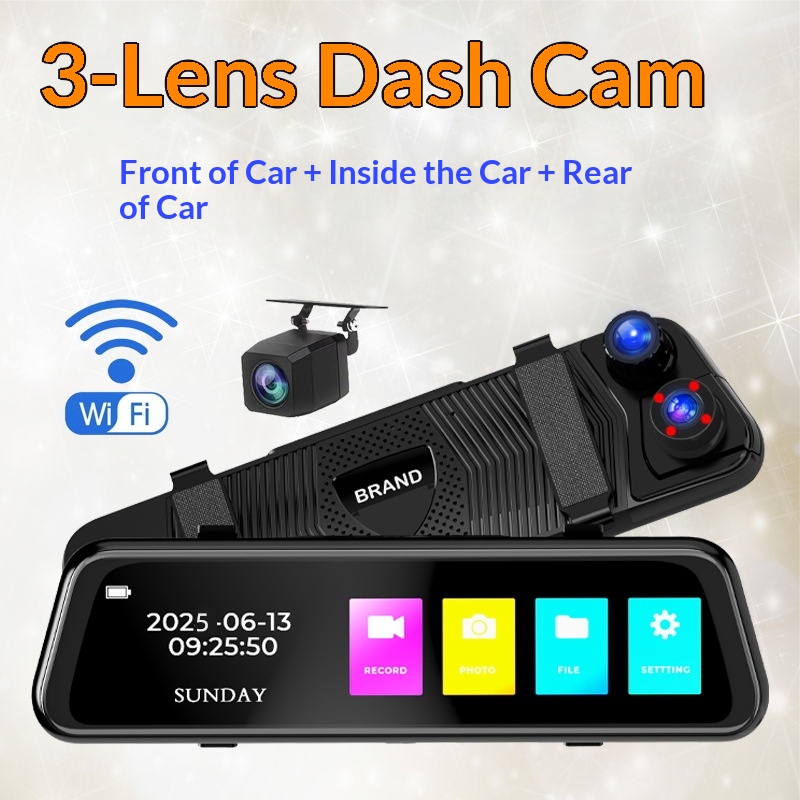
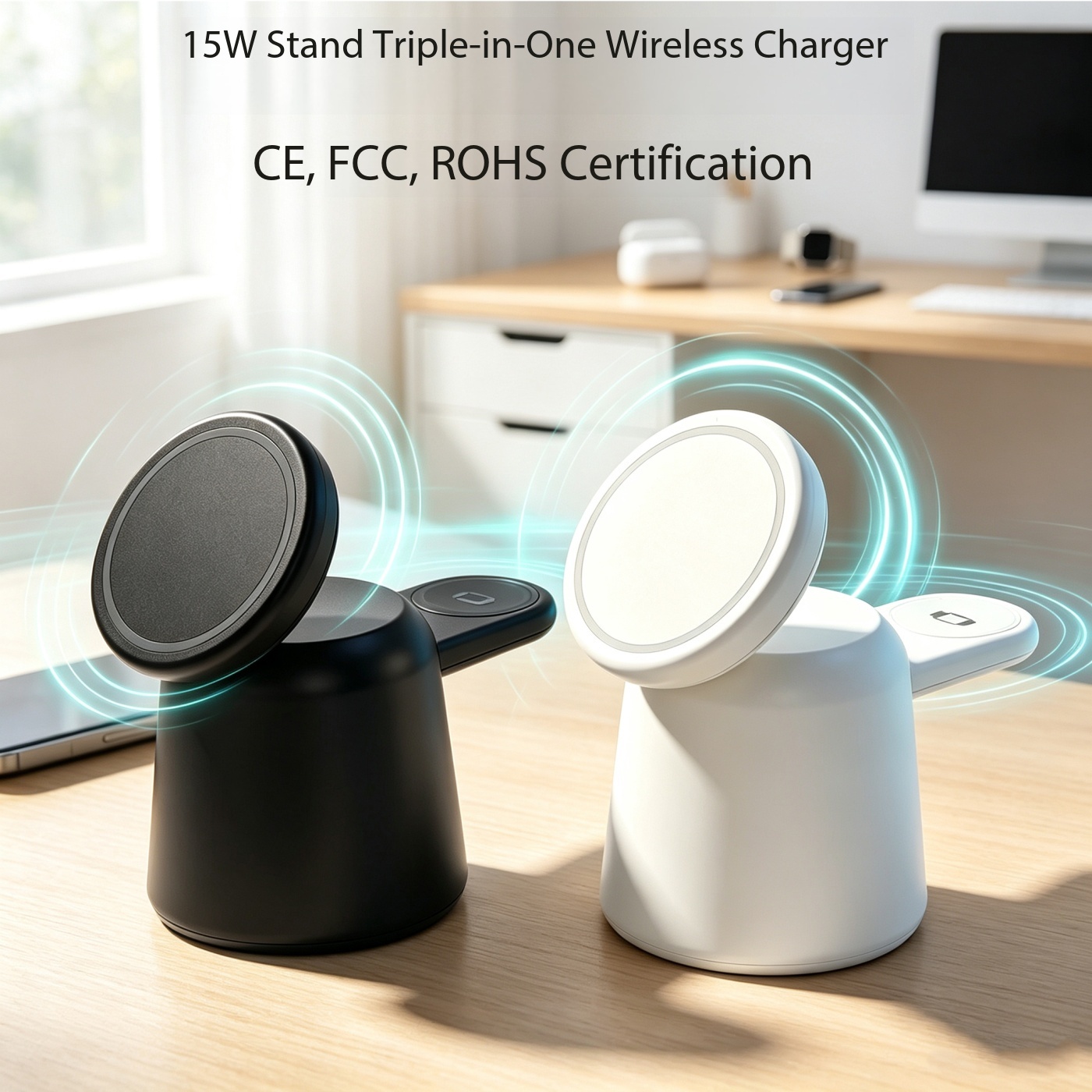
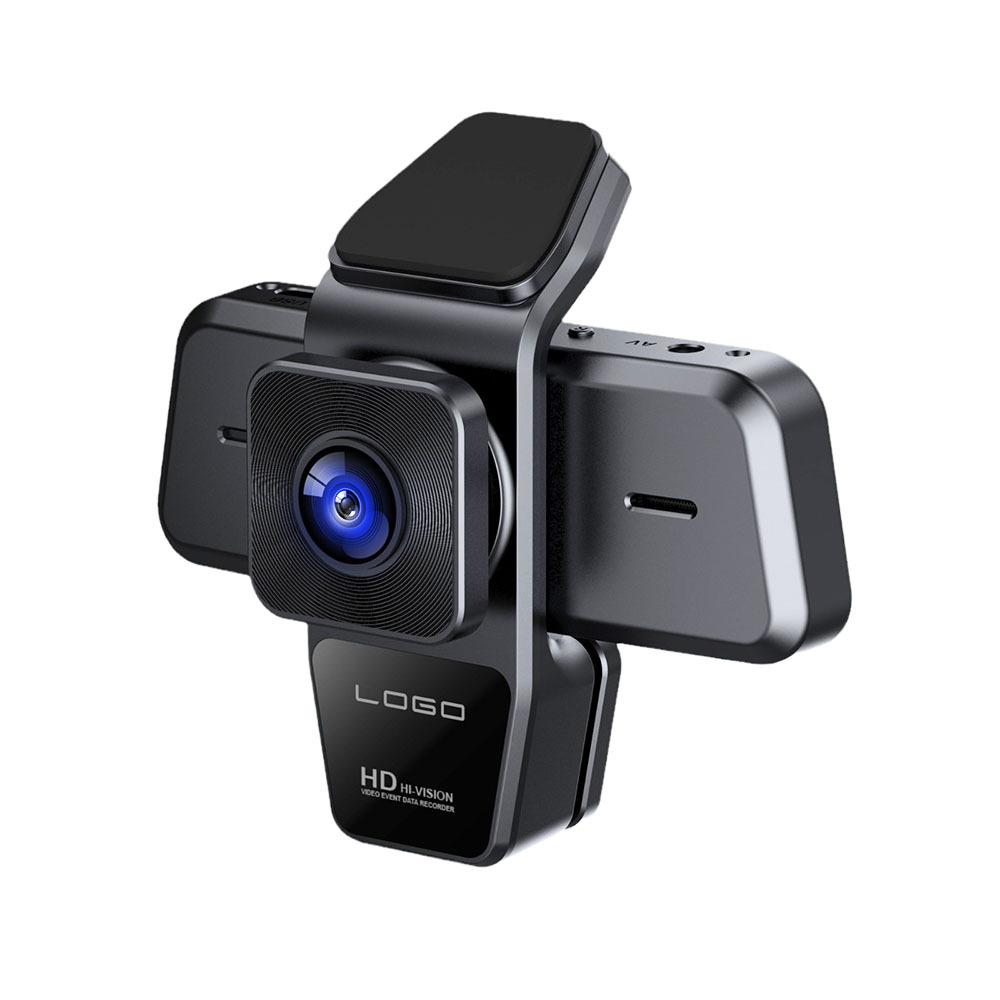
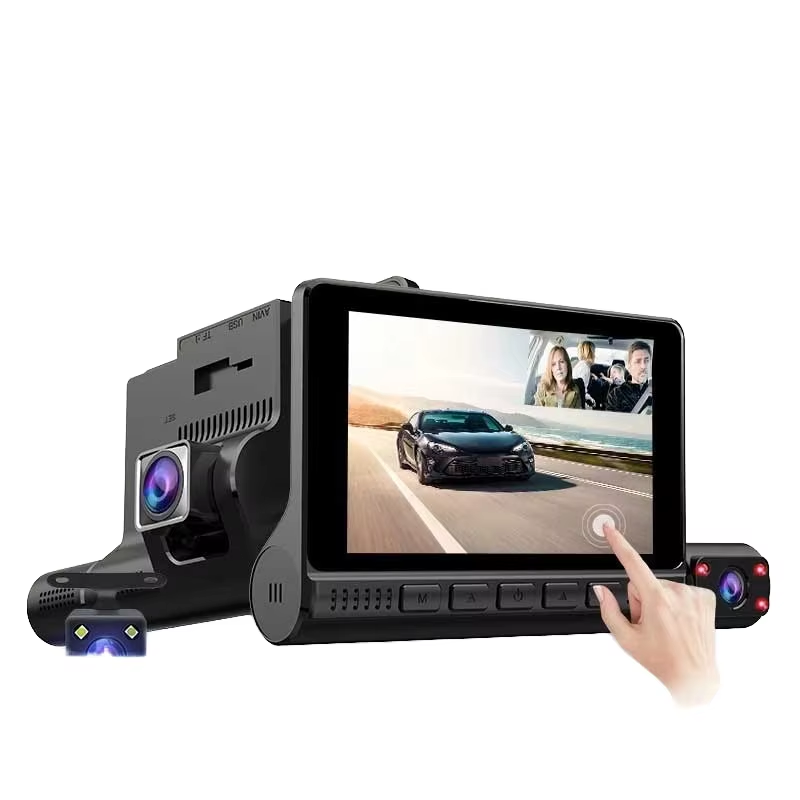
Featured OEM/ODM Rear-Vision & Vehicle Recording Solutions
Below are 8 key vehicle safety hardware platforms supplied by OEM/ODM manufacturing facilities in China, rigorously engineered for global commercial fleets and Japanese automotive aftermarket specifications.
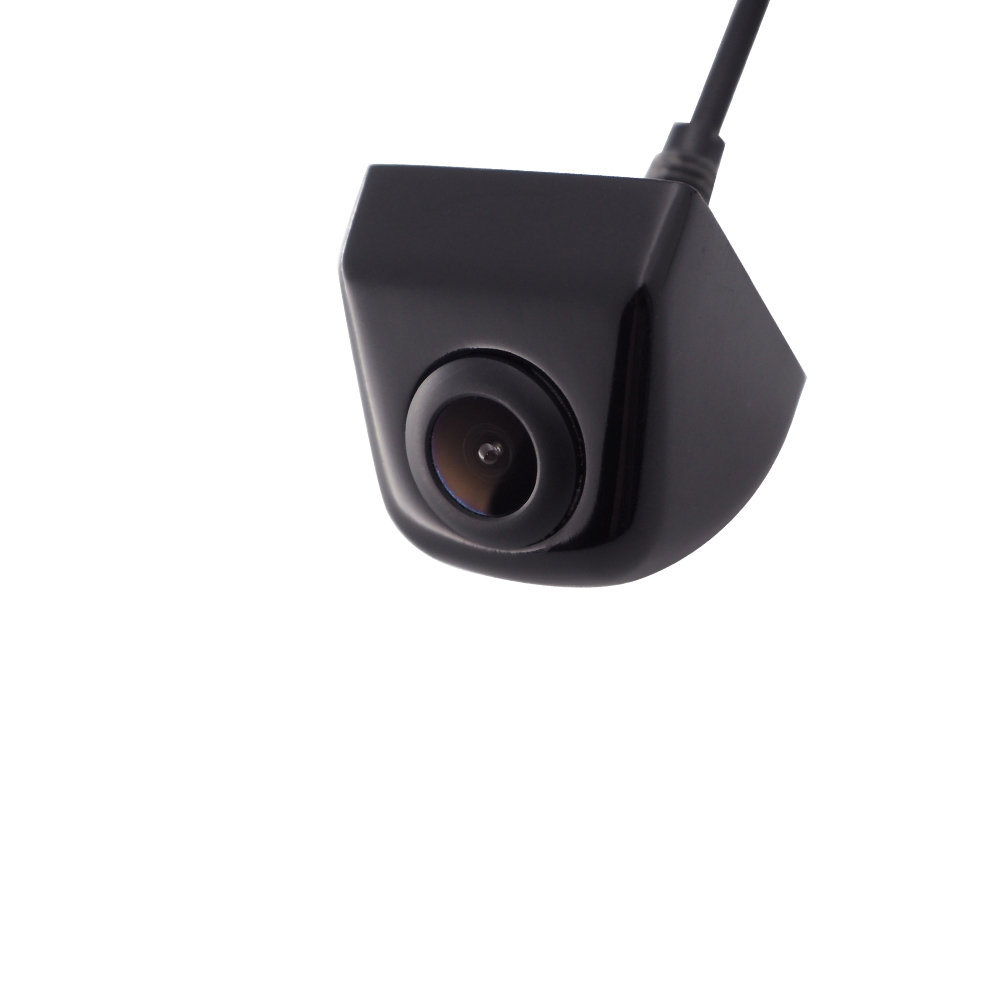
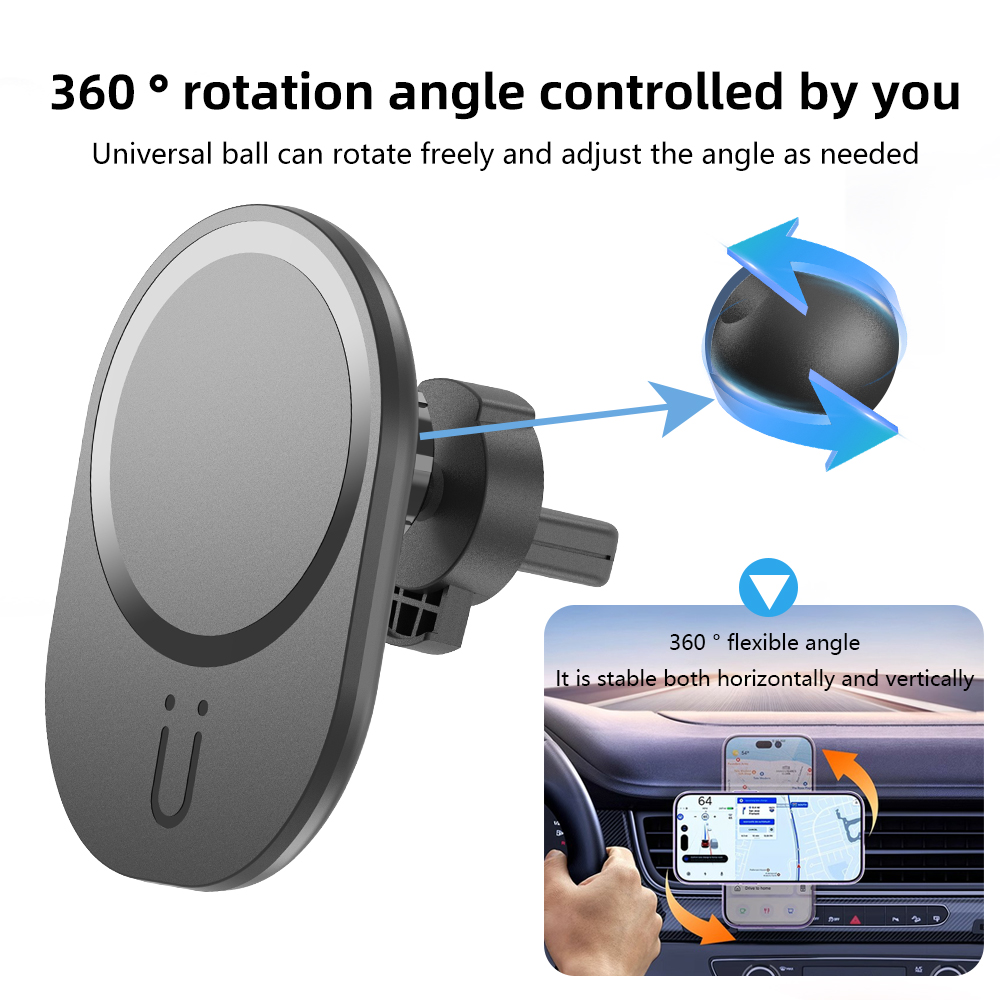
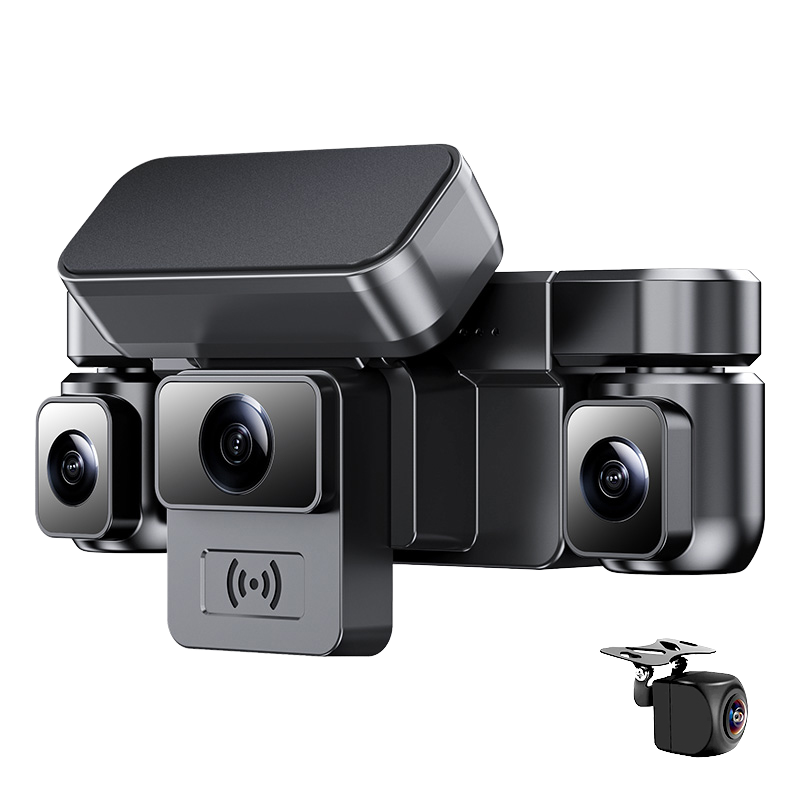
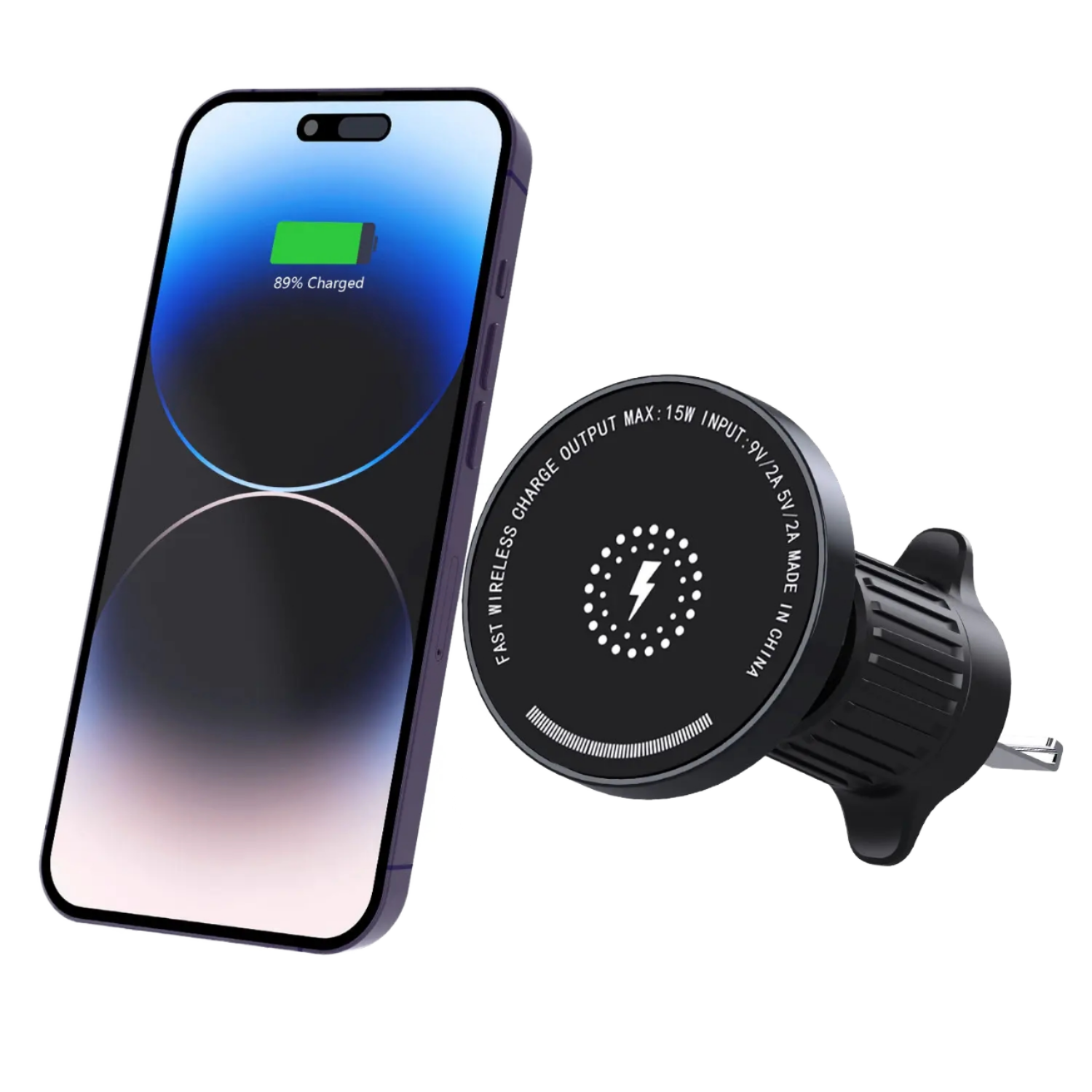
Technical Deep-Dive: Low-Light Imaging Architecture & ISP Innovations
Achieving true low-light clarity requires a holistic convergence of optics, sensor dynamics, and firmware-level digital signal processing. Traditional low-cost reversing cameras rely on standard CMOS sensors augmented by 850nm Infrared LED arrays. While effective in absolute darkness over short distances (1–2 meters), IR lighting exhibits severe limitations in real-world driving environments: it generates hotspot bloom on reflective license plates, loses color metadata completely, and lacks the depth of field required for reversing long commercial vehicles.
1. Optical Engineering: 6-Glass All-Glass Lenses & Large Aperture Physics
To maximize photonic throughput, premium China-manufactured backup cameras designed for export to Japan feature 6-element glass optical lens assemblies (6G). Plastic lens elements (PMMA) degrade under extended UV exposure and engine compartment heat, causing thermal defocusing. All-glass assemblies paired with a broad F1.6 to F1.8 focal ratio allow up to 68% more light transmission compared to standard F2.2 plastic camera modules. Furthermore, multi-layer nano-coatings eliminate ghosting flares caused by ambient streetlights in urban Kanagawa districts.
2. Sensor Dynamics: Sony STARVIS & Back-Illuminated Pixel Technology
At the core of starlight night vision is Back-Illuminated CMOS sensor technology (e.g., Sony STARVIS IMX307 / IMX335). By shifting the metal wiring layer behind the light-receiving photodiode surface, light sensitivity is dramatically boosted to over 2000 mV per 1 µm² (evaluated under a 706 cd/m² light source). This architectural shift enables crisp color video capture during nighttime rainstorms along Yokohama’s coastal expressways without requiring artificial IR illumination.
| Performance Metric | Legacy Analog IR Backup Camera | Standard 1080P CMOS Module | Starlight AHD Night Vision (Jemrok Engine) |
|---|---|---|---|
| Min. Illumination | 0.5 Lux (0 Lux with IR LEDs) | 0.01 Lux | 0.0001 Lux (Ultra Low-Light) |
| Color Rendition | Monochrome in darkness | Degraded washed-out color | Full-Color Starlight Preservation |
| Dynamic Range (WDR) | 40 dB - 50 dB (High flare) | 60 dB - 70 dB | 105 dB - 120 dB Hardware WDR |
| Signal Protocol | CVBS Composite Video | AHD / TVI 720P | AHD 1080P / Digital LVDS Transmission |
| Ingress Rating | IP67 (Basic rubber seal) | IP68 Waterproof | IP69K Hermetic Glue Injection Seal |
| Operating Range | -10°C to +50°C | -20°C to +60°C | -30°C to +85°C (Automotive Grade) |
3. Advanced Image Signal Processing (ISP): Dynamic Trajectory & Noise Reduction
Firmware-level tuning in Jemrok backup cameras incorporates 3D Dynamic Noise Reduction (3D-DNR) and Hardware Wide Dynamic Range (WDR). When a vehicle reverses from a dimly lit warehouse loading area into bright exterior daylight, WDR balances extreme exposure differentials within 1/30th of a second. Integrated CAN-bus steering angle compatibility enables active dynamic parking lines, which shift in real time as the driver turns the wheel, providing critical assistance when parallel parking in tight urban parking spaces across Minato Mirai or Motomachi.
Localized Application Scenarios in Yokohama & Kanagawa Prefecture
Deploying rear-vision hardware in Yokohama demands strict engineering considerations tailored to local geography, infrastructure, and commercial operations.
1. Yokohama Port Logistics & Heavy Container Transport
Honmoku Pier, Daikoku Logistics Center, and Minami-Honmoku container terminals handle thousands of heavy-duty semi-trailers daily. Reversing long rigs into narrow container yards during night shifts requires heavy-duty 12V–24V wide-voltage cameras with IP69K waterproof ratings. These units must resist salt-spray corrosion, continuous engine vibrations, and high-pressure washdowns.
2. Residential Navigational Parking in Narrow Roads (Roji)
Residential districts in Naka-ku, Yamate, and Isogo-ku are famous for narrow, winding streets, steep slopes, and tight parking spaces. Universal backup cameras with 170° ultra-wide field of view (FOV) eliminate blind spots near rear bumpers, preventing low-speed collisions with pedestrians, bicycles, and utility poles.
3. Maritime Rainfall, Bay Fog & High Humidity Operation
Tokyo Bay's humid maritime climate causes fog formation and heavy downpours during typhoon seasons. Cameras sealed with vacuum nitrogen-filled internal chambers prevent internal glass fogging. Integrated anti-water drop nano-coatings on the front optical lens allow clear rearward vision even under heavy rainfall.
Localized Market Development Trends (Yokohama & Greater Tokyo Area)
Understanding macro trends within the Japanese automotive industry enables suppliers and buyers to align their product roadmaps effectively.
Trend 1: Rapid Adoption of EV & Hybrid Commercial Fleets
In accordance with Yokohama City’s Climate Change Action Plan, commercial logistics fleets are aggressively adopting light-duty electric delivery vans (e.g., Mitsubishi Fuso eCanter). This transition introduces strict electromagnetic compatibility (EMC) requirements. Modern backup cameras and dash recorders must comply with CISPR 25 Class 3 or Class 5 limits to ensure zero radio frequency interference (RFI) with EV power electronics, digital audio broadcasting (DAB/DTV), and terrestrial navigation systems (GPS).
Trend 2: Mandatory Safety Tech for Aging Driver Demographics
Japan's aging population has led to national transport policy updates by the Ministry of Land, Infrastructure, Transport and Tourism (MLIT). Mandatory installation of reversing monitoring devices or automated braking systems is gaining traction across commercial transport sectors. Fleet managers are opting for retrofitted multi-camera systems (3-channel or 4-channel setups) that combine dash recording with automatic reverse gear trigger display switching.
Trend 3: Integration with JDM Android Head Units & Digital Mirrors
The Japanese automotive aftermarket is shifting from traditional double-DIN CD/DVD units to high-definition Android head units and streaming media rearview mirrors. Sourcing backup cameras that support seamless signal switching between AHD 1080P (25fps/30fps) and standard NTSC format guarantees effortless installation across both imported vehicles and Japanese Domestic Market (JDM) models like Toyota HiAce, Nissan NV350, and Kei delivery trucks.
Localized Buyer FAQ: Procurement & Compliance for Yokohama Importers
Answers to critical questions asked by Japanese B2B procurement managers, freight integrators, and automotive wholesalers when sourcing from China manufacturing partners.
For wired backup cameras connected directly to vehicle monitors, standard international certifications such as CE, FCC, and RoHS are mandatory. If the camera module integrates wireless transmission (such as 2.4GHz / 5.8GHz digital wireless cameras or 5G WiFi dash cams), the wireless module must obtain TELEC (Japan Radio Law Technical Conformity Certification). Additionally, included AC power adapters or car chargers must meet PSE (Electrical Appliance and Material Safety Law) standards.
Japanese passenger cars operate on a standard 12V DC system, while commercial trucks, buses, and heavy machinery utilize 24V DC systems. Premium camera supplies incorporate wide-voltage power regulation circuitry supporting DC 9V–36V with built-in load dump protection (protecting against voltage spikes up to 60V). This prevents motherboard failure during heavy engine cranking.
Standard OEM customization—including custom laser-engraved logos, Japanese-language user manuals, custom retail gift boxes, and boot-screen UI logos—typically starts at 50 to 100 sets. Full ODM hardware customization (custom PCB layout, unique tooling molds, specific optical lens focal lengths) involves engineering evaluation with prototype delivery within 20–30 days.
Direct sea freight from Shenzhen (Yantian/Shekou ports) to Yokohama Port takes approximately 4 to 7 days transit time. For urgent orders, air freight (SZX to NRT/HND) delivers within 2 to 4 business days. Express courier (DHL/FedEx) offers door-to-door delivery within 48 to 72 hours.
Enterprise Advantage: Partnering with Jemrok Industrial Technology (Shenzhen)
Located in the heart of China’s electronics manufacturing center in Shenzhen, Jemrok Industrial Technology (Shenzhen) Co., Ltd. is a specialized OEM/ODM manufacturer with over six years of focused research, development, and production in automotive vision safety products.
State-of-the-Art Production Facility
Operating a 1,500 m² cleanroom manufacturing plant equipped with high-precision SMT placement lines, optical bench alignment stations, and automated glue-dispensing machinery. Annual capacity ranges from 300,000 to 500,000 units.
Dedicated In-House R&D Engineering
A dedicated team of 5–10 senior optical and firmware engineers provides rapid prototyping, low-light ISP tuning, Japanese UI firmware translation, and customized CAN-bus signal decoding.
Rigorous Automotive Quality Control
Every backup camera undergoes strict quality inspection: 100% 24-hour aging test under high temperature (70°C), thermal shock testing (-30°C to +85°C), 3-axis vibration testing, and IP69K submersion waterproofing verification.
Accelerate Your Yokohama Fleet & Automotive Product Catalog
Partner with China’s premier night vision backup camera manufacturer. Access factory-direct wholesale pricing, OEM private labeling, customized firmware, and fast export logistics to Yokohama Port.