Featured Driving Safety & Blind Spot Monitoring Hardware
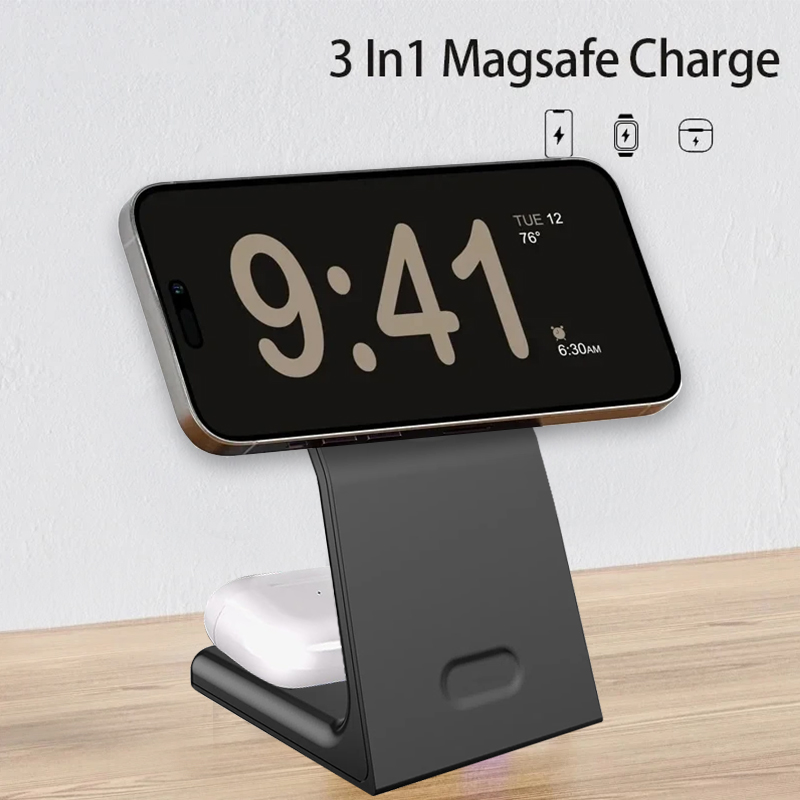
3-in-1 Magnetic Wireless Charging Station 15W Fast Vertical Stand
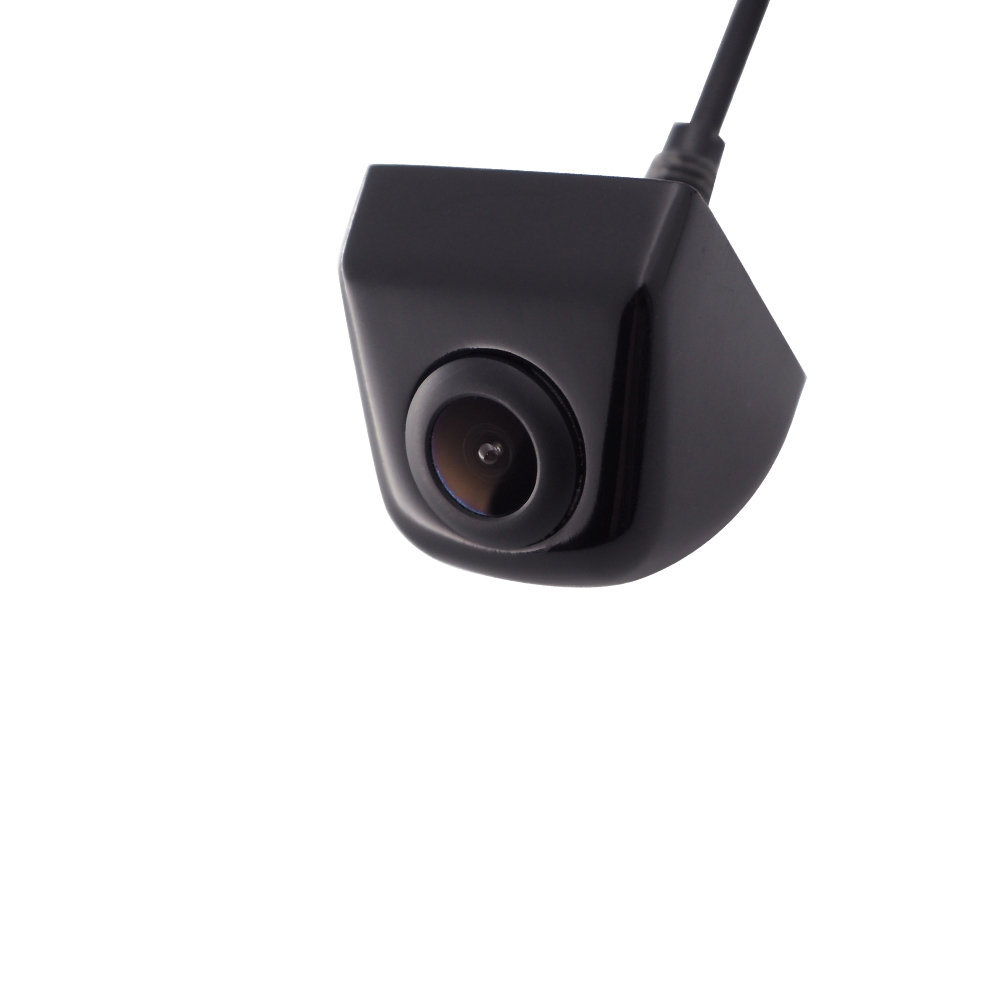
Hot Selling Reverse Parking Camera Night View Waterproof HD Backup Camera
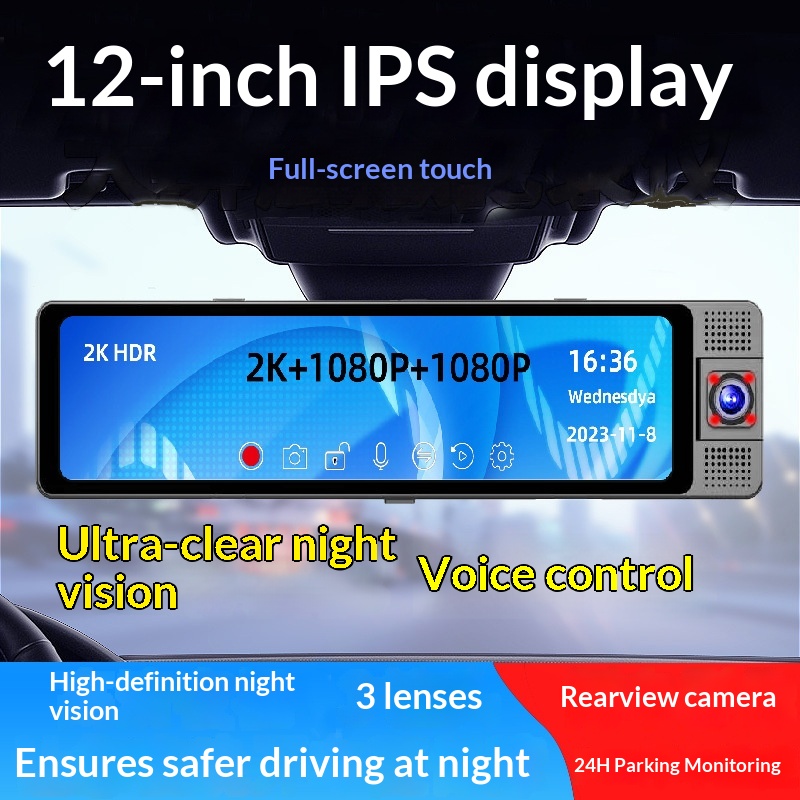
Allwinner V533 3-Channel 2K Rear View Mirror Dash Cam 170° Wide Angle
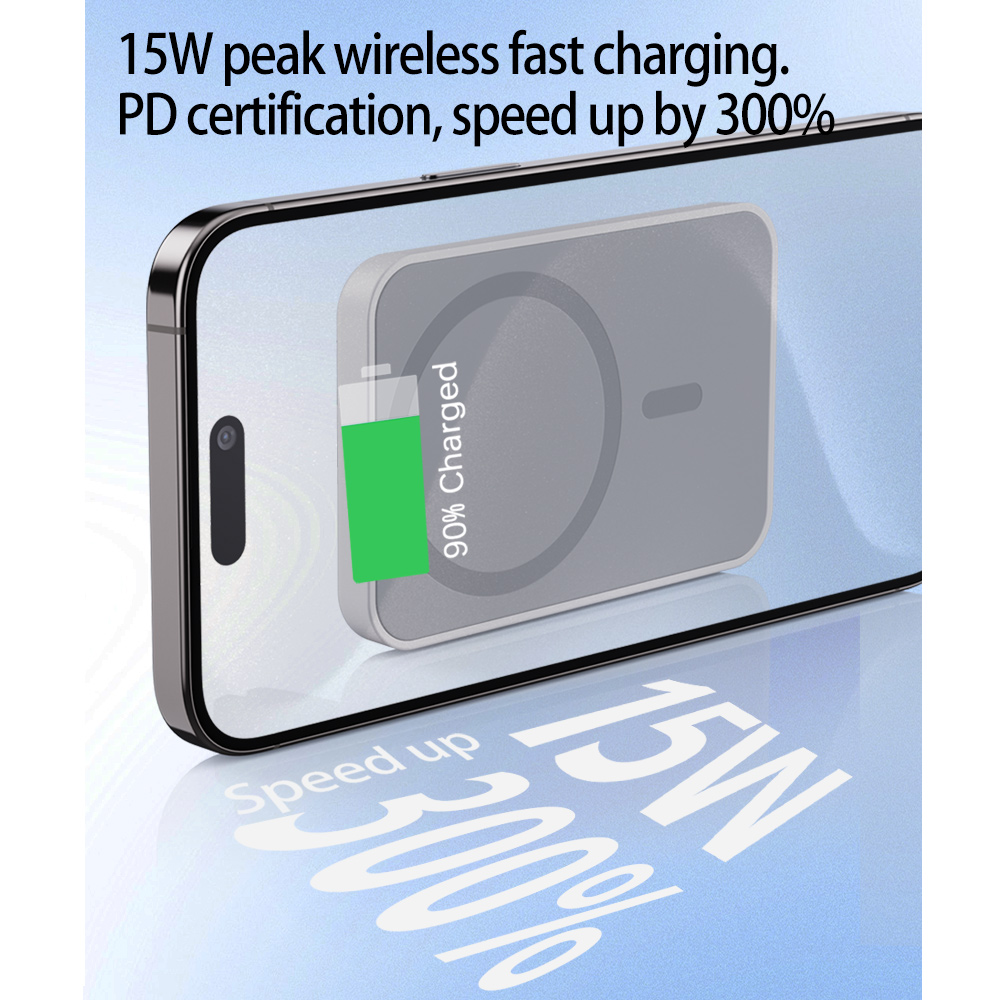
15W Magnetic Wireless Fast Car Charger Mount OEM/ODM Holder
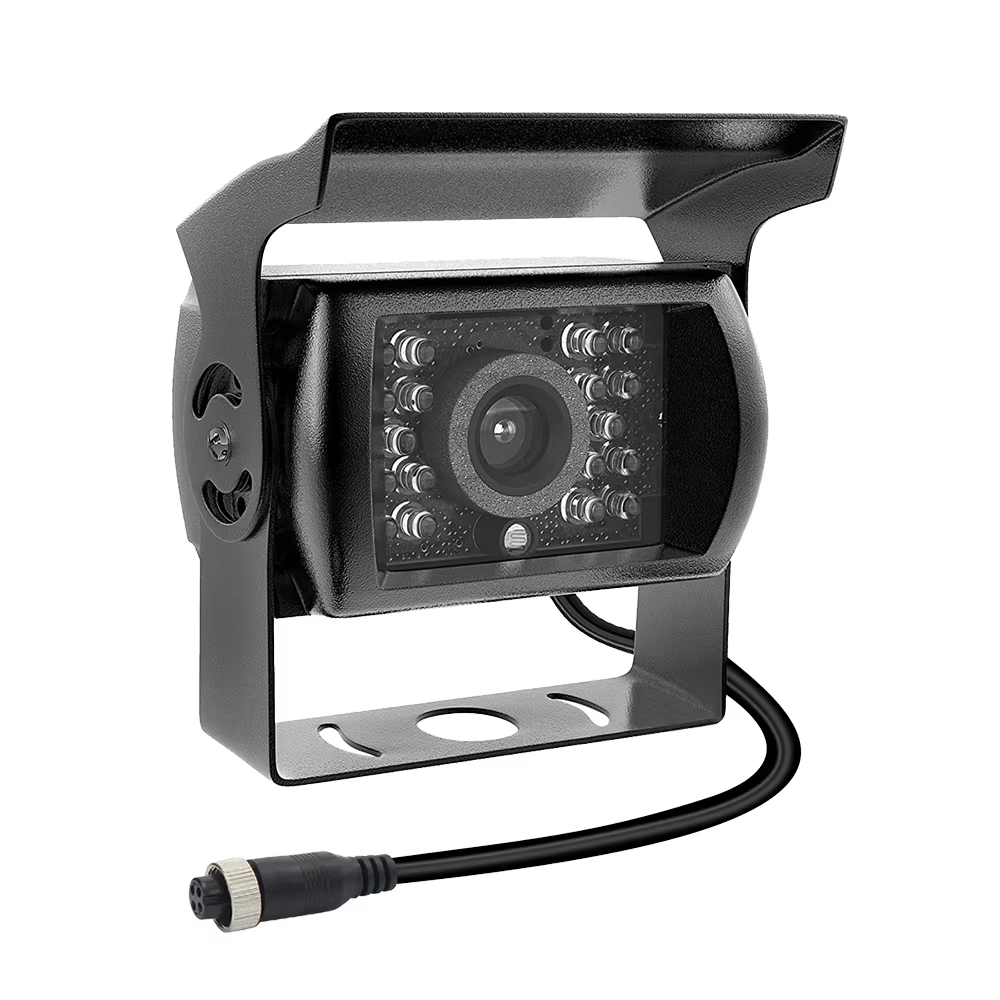
Wired Wide Angle Lens Waterproof Night View Truck Bus Camera 12-24V
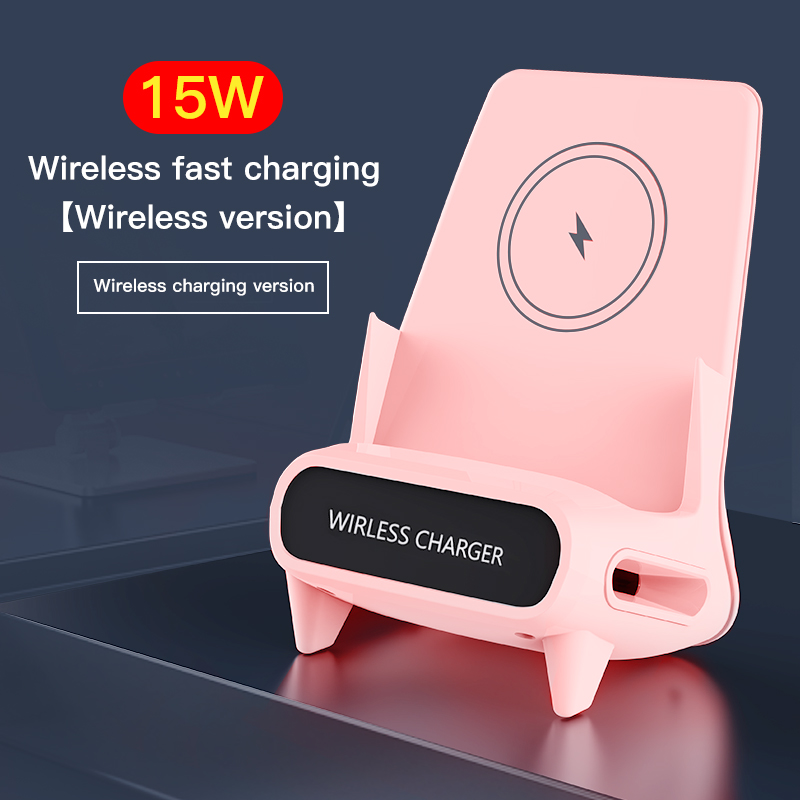
Newest 15W Magnetic Wireless Charger & Phone Tablet Stand Wholesale
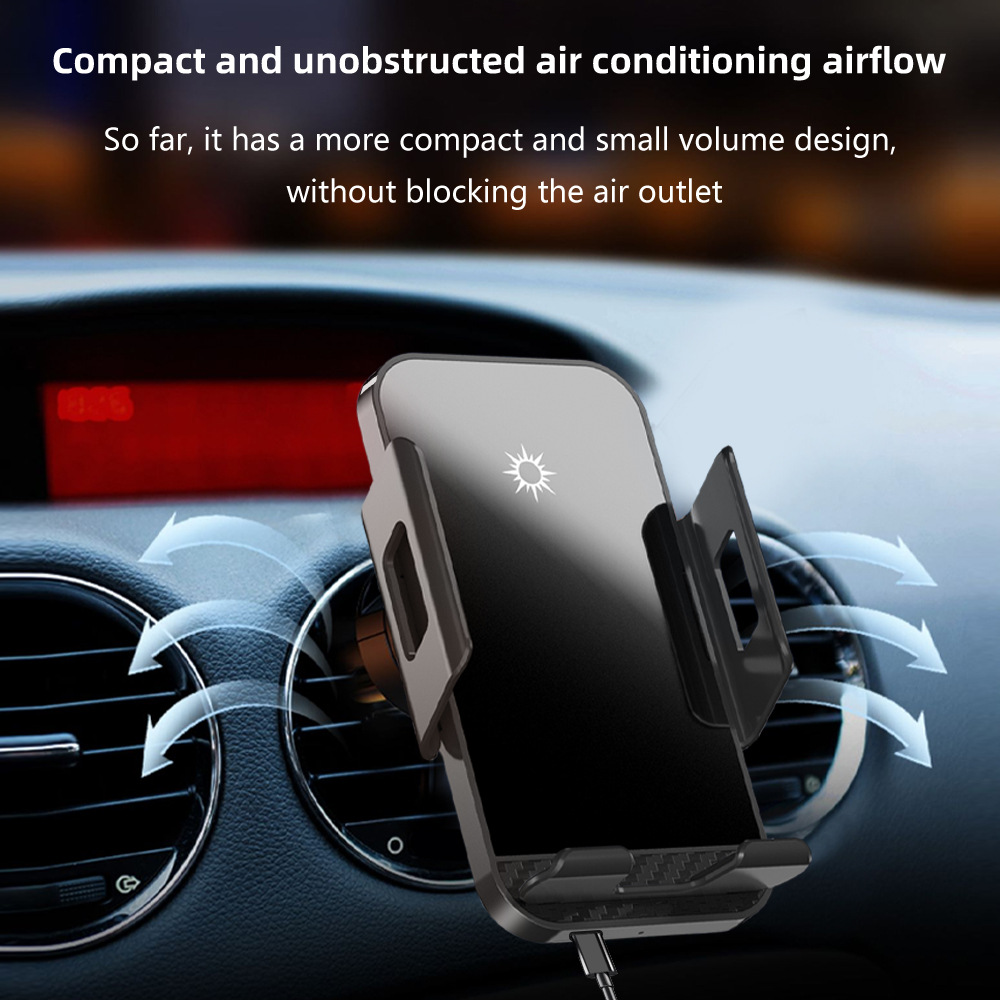
D18 Professional Flexible Transparent Sensor Car Wireless Charger 15W
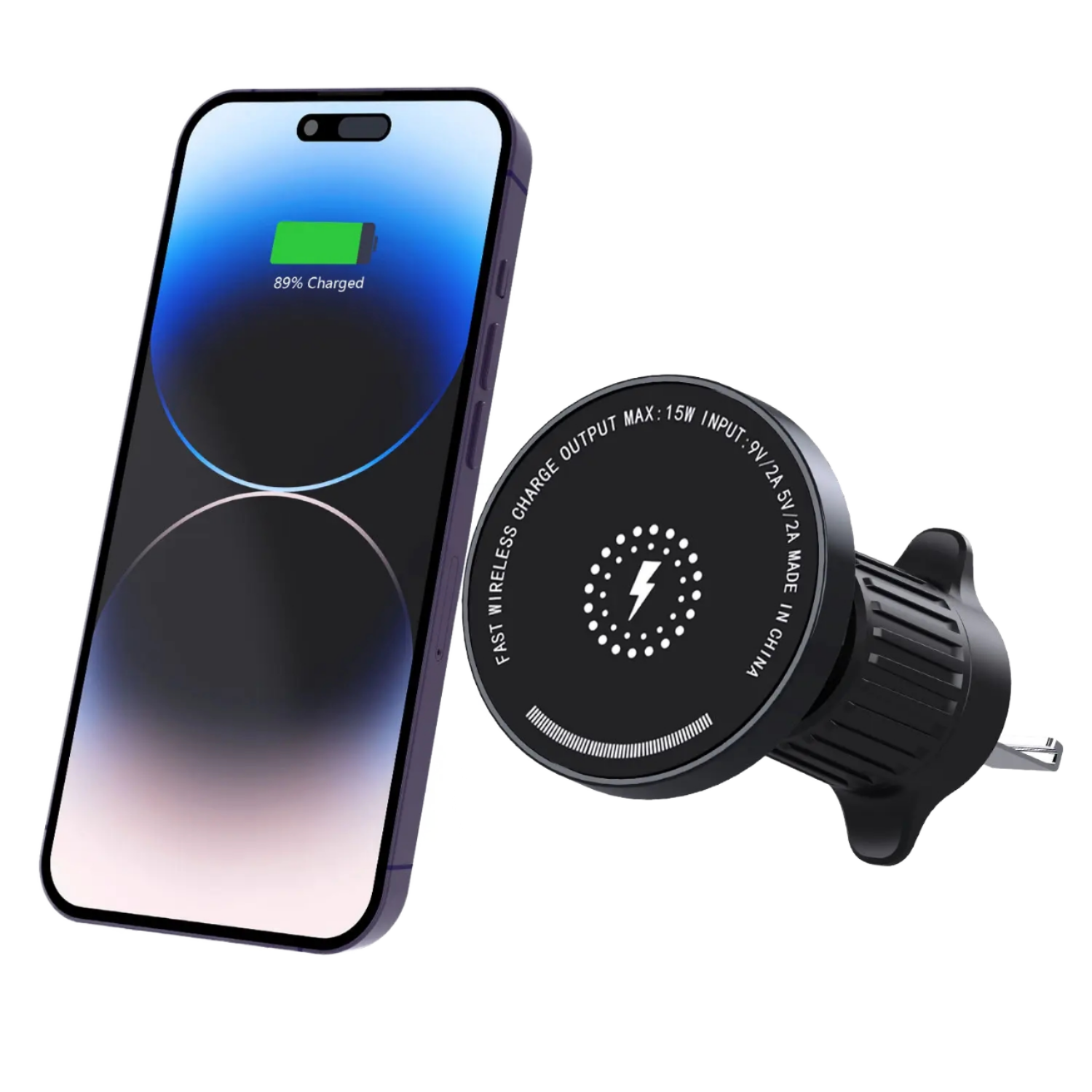
Strong Magnetic 15W Wireless Fast Charging Car Phone Air Vent Mount
South Korean Commercial Vehicle Safety Ecosystem & Daegu Market Dynamics
An engineering and procurement analysis on how Chinese automotive vision and radar manufacturers supply high-reliability Blind Spot Detection (BSD) systems to Daegu’s logistics and transportation hub.
Daegu Metropolitan City serves as the industrial engine and key logistics nexus of southeastern South Korea. Encompassing the massive Seongseo Industrial Complex, the Daegu-Gyeongbuk Free Economic Zone (DGFEZ), and major transportation arteries linking Busan Port to the Seoul Metropolitan Area, Daegu manages a high density of heavy freight, commercial truck fleets, public transit vehicles, and passenger fleets. As urban congestion increases alongside South Korea's aggressive safety mandates under the Ministry of Land, Infrastructure and Transport (MOLIT), the market demand for sophisticated Blind Spot Detection (BSD) Systems, multi-channel camera monitoring, and millimeter-wave (mmWave) radar integration has reached an unprecedented high.
For B2B importers, automotive Tier-1 distributors, commercial fleet operators, and OEM retrofitters in Daegu, sourcing direct from tier-one China manufacturers provides an unmatched combination of cutting-edge hardware innovation, scalable manufacturing capacity, and cost efficiency. Modern vehicle safety architecture has evolved beyond simple ultrasonic parking sensors. Today's commercial environment demands Radar-Vision Fusion—combining 77GHz millimeter-wave radar sensors with high-definition AHD cameras and AI-driven visual analytics to eliminate blind spots across large commercial trucks, buses, and passenger vehicles.
Technical Architecture: 24GHz vs. 77GHz mmWave Radar & Vision BSD
Understanding sensor performance in Daegu's dense urban traffic and extreme seasonal weather patterns.
77GHz Millimeter-Wave Radar BSD
Next-generation 77GHz radar technology operates at significantly higher frequencies and shorter wavelengths than legacy 24GHz systems. This enables precise velocity calculation, superior range resolution (up to 50 meters), and micro-target discrimination—capable of identifying vulnerable road users (VRUs) such as cyclists and pedestrians navigating narrow intersections in Jung-gu, Daegu.
- Azimuth Accuracy: ±0.1° angular resolution for multi-lane target tracking.
- Weather Immunity: Unaffected by heavy rainfall, dense fog, snow, or nighttime glare on highway routes.
- Doppler Speed Detection: Accurately measures relative speed differentials up to 220 km/h.
AI Optical Vision BSD (AHD Multi-Camera)
Combining high-definition AHD (Analog High Definition) wide-angle visual sensors with onboard AI NPU (Neural Processing Unit) processing. The system scans camera feeds in real-time, executing object-recognition algorithms to highlight blind spot threats visually on cabin displays while sounding audible alerts.
- Visual Verification: Real-time streaming eliminates driver guessing during lane changes.
- Dynamic Overlay Lines: Distance indicator graphics customized for Hyundai/Kia commercial frames.
- Wide Dynamic Range (WDR): Sony STARVIS image sensors capture crisp license plates under streetlights.
Localized Application Scenarios across Daegu Industry Clusters
Tailored safety solutions engineered for specific vehicular demands in South Korea’s transportation hubs.
1. Logistics Freight & Heavy Truck Fleets
Long-haul container vehicles operating along the Gyeongbu Expressway (Expressway 1) and regional logistics distribution centers near Dalseong-gun face massive blind zones along the passenger side and rear quarter. Chinese manufacturers supply heavy-duty 12-24V wide-voltage waterproof (IP69K) camera-radar systems capable of enduring continuous chassis vibrations and harsh road salt in winter.
2. Urban Bus & Municipal Transit Systems
Daegu’s public transit network operates within densely populated corridors such as Dongseong-ro and Suseong-gu. Buses making frequent curb stops require multi-channel BSD visual recorders with active pedestrian detection (Pedestrian Collision Warning - PCW) to prevent side-swipe accidents with pedestrians, electric scooters, and delivery motorcycles.
3. Taxi Fleets & Passenger Car Aftermarket
Korean drivers heavily utilize custom Android navigation head units and streaming mirror displays. China-manufactured BSD kits feature seamless plug-and-play CAN-bus harnesses compatible with Hyundai Sonata, Kia K5/K7, and Genesis platforms—offering sleek interior LED warning indicators integrated directly into side mirrors.
Why OEM Buyers in Daegu Partner with Jemrok Industrial Technology
Jemrok Industrial Technology (Shenzhen) Co., Ltd. stands as a premier manufacturer dedicated exclusively to the research, engineering, and manufacturing of advanced vehicle driving recorders, car DVRs, mirror systems, and automotive safety monitoring cameras.
With over 6 years of deep R&D focus, Jemrok addresses the core safety trifecta: driving safety, reversing assistance, and parking monitoring. Unlike generic trading vendors, Jemrok controls the entire manufacturing pipeline from PCB layout and firmware programming to optical lens assembly and environmental testing.
Jemrok Key Operational Metrics
- Production Facility Area:1,500 m² Modern Cleanroom Factory
- Annual Manufacturing Output:300,000 – 500,000 Units / Year
- R&D Engineering Strength:5–10 Hardware & Firmware Engineers
- OEM / ODM Low MOQ:Customized Orders from 50 Sets
- Quality Certification Compliance:CE, FCC, RoHS Certified
- Global Response Protocol:Average Inquiry Response ≤ 1 Hour
Daegu Vehicle Safety Market Trends (2025–2030)
Strategic insights for South Korean automotive accessories importers and fleet management providers.
Mandatory Commercial Fleet ADAS Retrofitting
South Korean regulatory bodies continue to tighten rules regarding commercial transport safety. Heavy trucks and municipal buses operating in Daegu are increasingly required to adopt active safety systems—including Blind Spot Detection (BSD), Lane Departure Warning Systems (LDWS), and Forward Collision Warning (FCW). China OEM partners are pivotal in supplying cost-effective, compliant retrofitting kits that allow fleet operators to meet national safety criteria without exorbitant capital expenditure.
Transition to Smart EV Fleets & High Voltage Compatibility
With Daegu aggressively expanding its green transport ecosystem via electric buses and commercial EV trucks (such as Hyundai Porter II EV and Kia Bongo III EV), aftermarket BSD systems must feature wider operating voltage tolerances, low power draw, and electromagnetic compatibility (EMC) to prevent interference with high-voltage EV powertrains.
Frequently Asked Questions for Sourcing BSD Systems to Korea
Answers to common inquiries from Daegu importers, OEM distributors, and fleet managers.
For custom OEM/ODM projects—including custom silk-screen branding, personalized bootup screens featuring your company logo, Korean language UI firmware translation, and bespoke retail packaging—our standard minimum order quantity starts at just 50 sets. For evaluation samples, standard factory models can be shipped from 2 pieces to facilitate testing in Daegu prior to mass production.
Yes. Our product architectures comply fully with international CE, FCC, and RoHS standards. For South Korean buyers requiring KC (Korea Certification) compliance for radio wave compatibility (EMC), our engineering team provides raw technical documentation, schematics, and factory samples to streamline local laboratory testing in Korea.
Our 77GHz millimeter-wave radar sensors are sealed in rugged IP67/IP69K weatherproof housings designed to operate in extreme ambient temperatures ranging from -30°C to +85°C. Unlike optical cameras alone, mmWave radar signals penetrate heavy rain, sleet, snow, mud, and dust without false alarm degradation.
Absolutely. Our in-house R&D software team supports full localization. We provide native Korean language voice prompt files (e.g., "차선 변경 위험" / "좌측 사각지대 주의") and complete UI text translations for all display monitor menus and smartphone companion applications.
Sample orders are typically dispatched within 3 to 5 business days. Mass OEM production runs (500–2,000 units) require approximately 15 to 20 days. Transit time from Shenzhen/Guangzhou via air freight to Daegu International Airport (TAE) or Incheon (ICN) takes 2-3 days, while ocean freight to Busan Port takes only 4-7 days.
Accelerate Your Vehicle Vision & BSD Procurement in Daegu
Partner with a trusted Shenzhen manufacturer equipped with 6+ years of R&D, certified quality standards, and dedicated OEM support for South Korean buyers.