Industrial-Grade Vehicle Vision & Accessories
High-precision AI cameras, multi-channel DVRs, and high-efficiency wireless chargers designed for cold-weather reliability and extreme operating conditions.
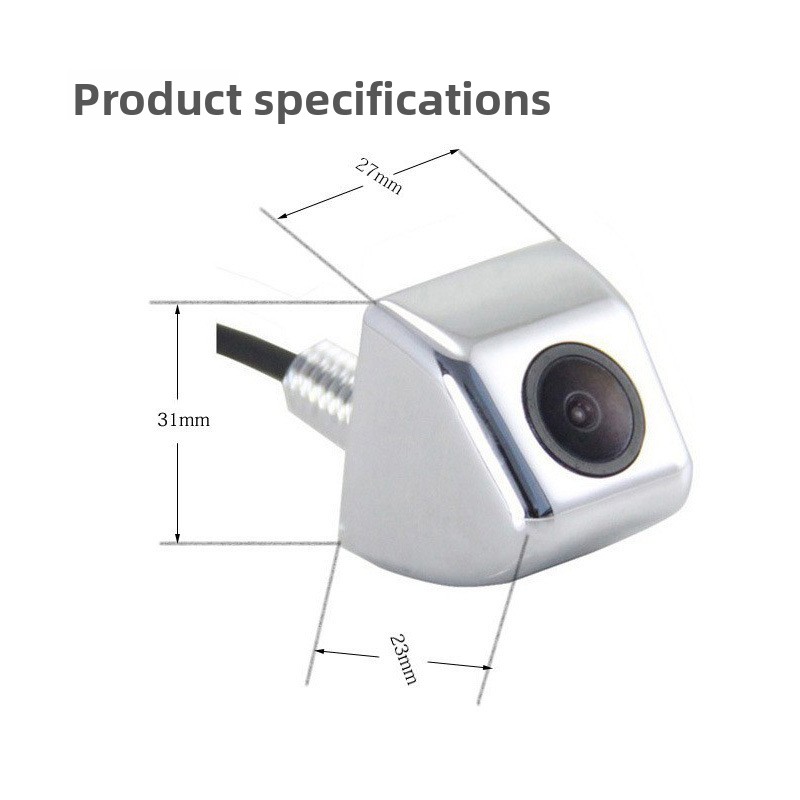
AHD 720 CCD Korean-style External Rear View Camera Reverse Backup Car Camera for Android Vehicles 12V Power

License Plate Frame Backup Camera Vehicle Camera Rear View Reverse Camera Waterproof Parking Camera
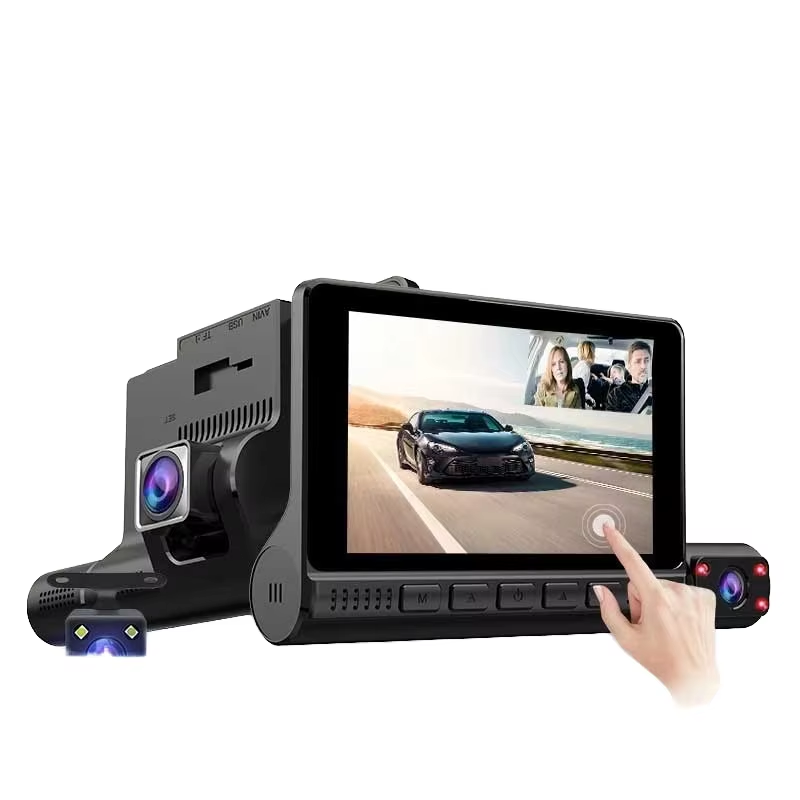
Car DVR 3 Cameras IPS Screen 4.0 Inch HD Dash Camera Dual Lens 120 Angle Loop Recording 3 Camera Dash Cam
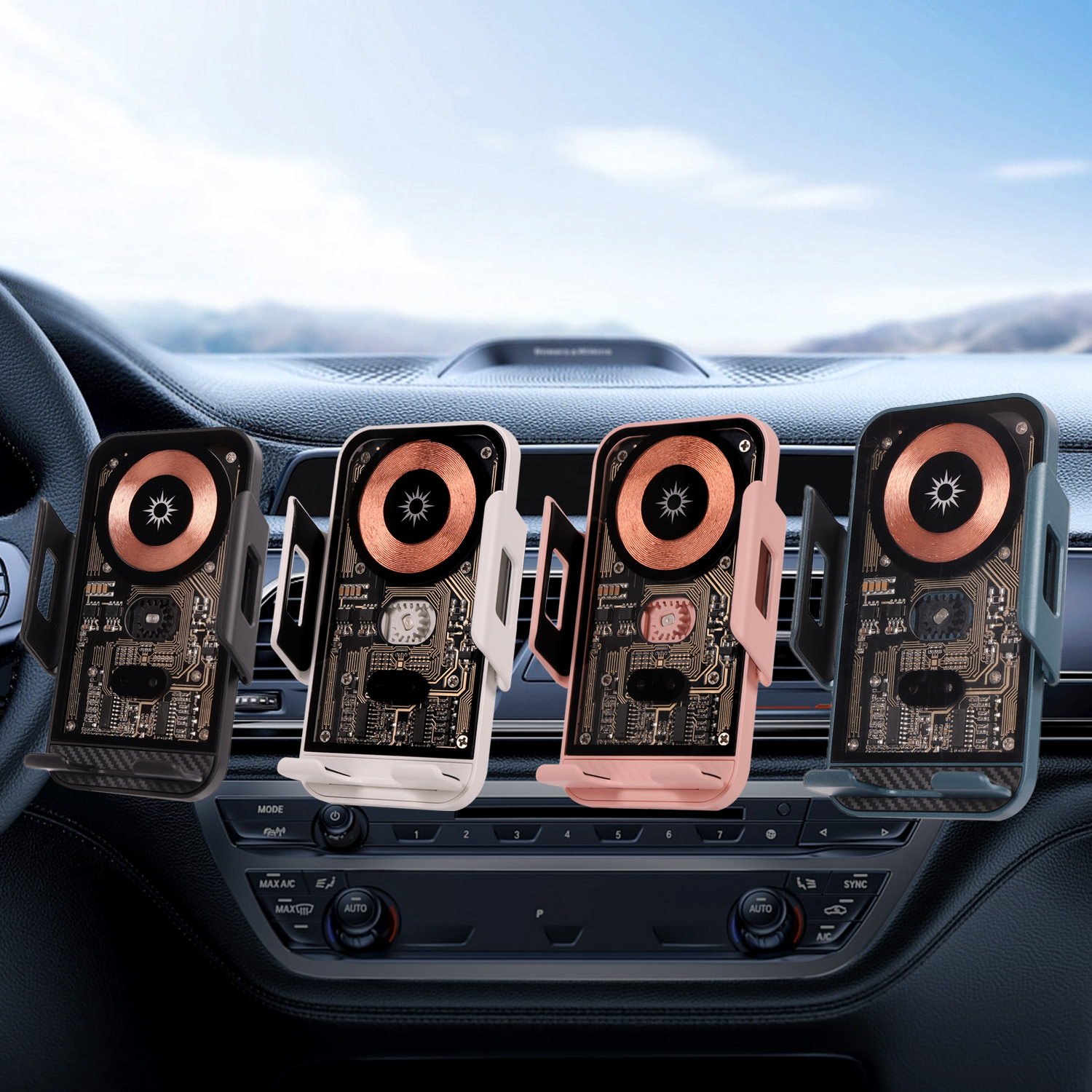
Best Sellers D18 Professional Flexible Transparent Intelligent Sensor Electric Car Wireless Charger 15W Fast Charging PD2.0
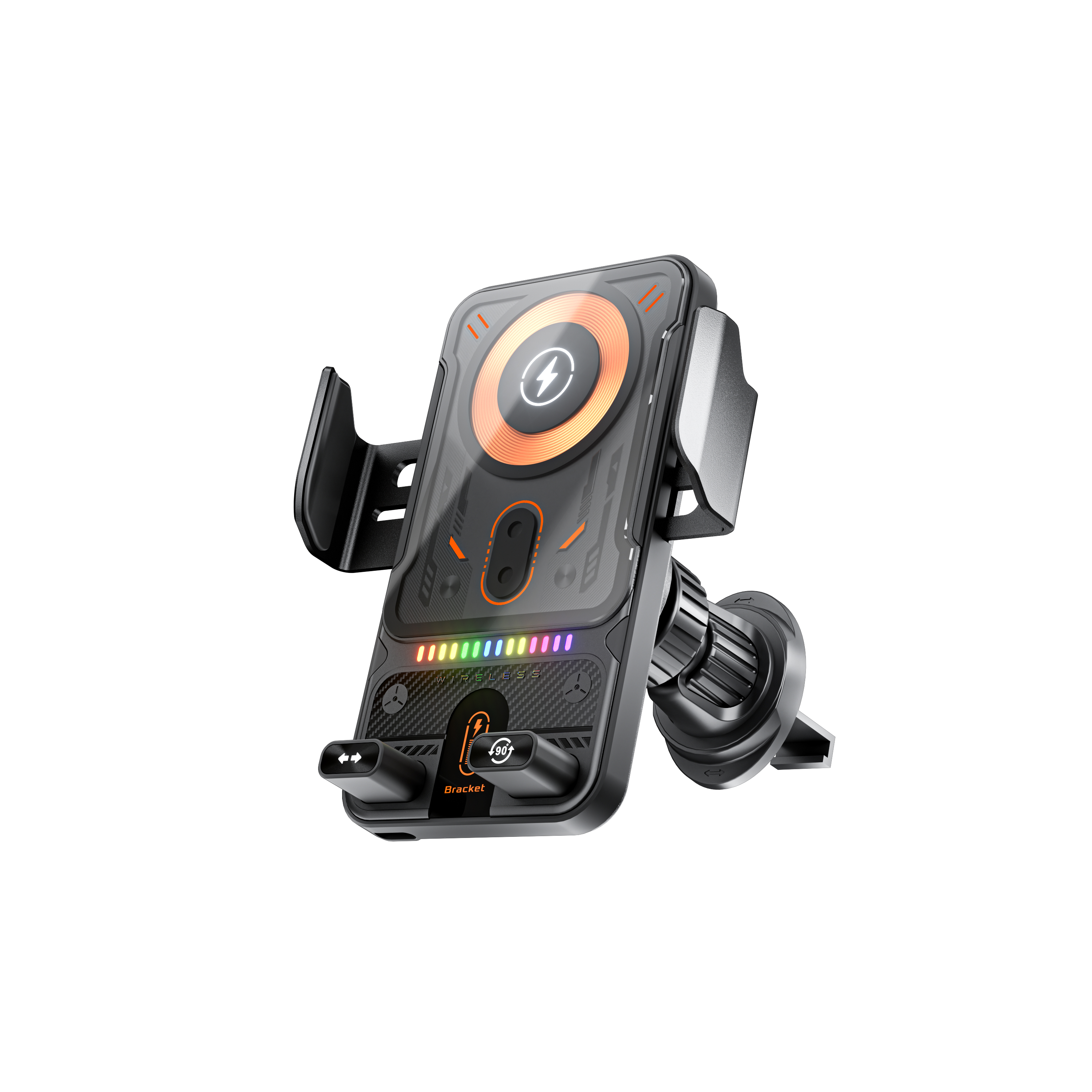
High Quality 15W BMW Compatible Magnetic Wireless Car Phone Holder with Fast Charging Air Vent Mount
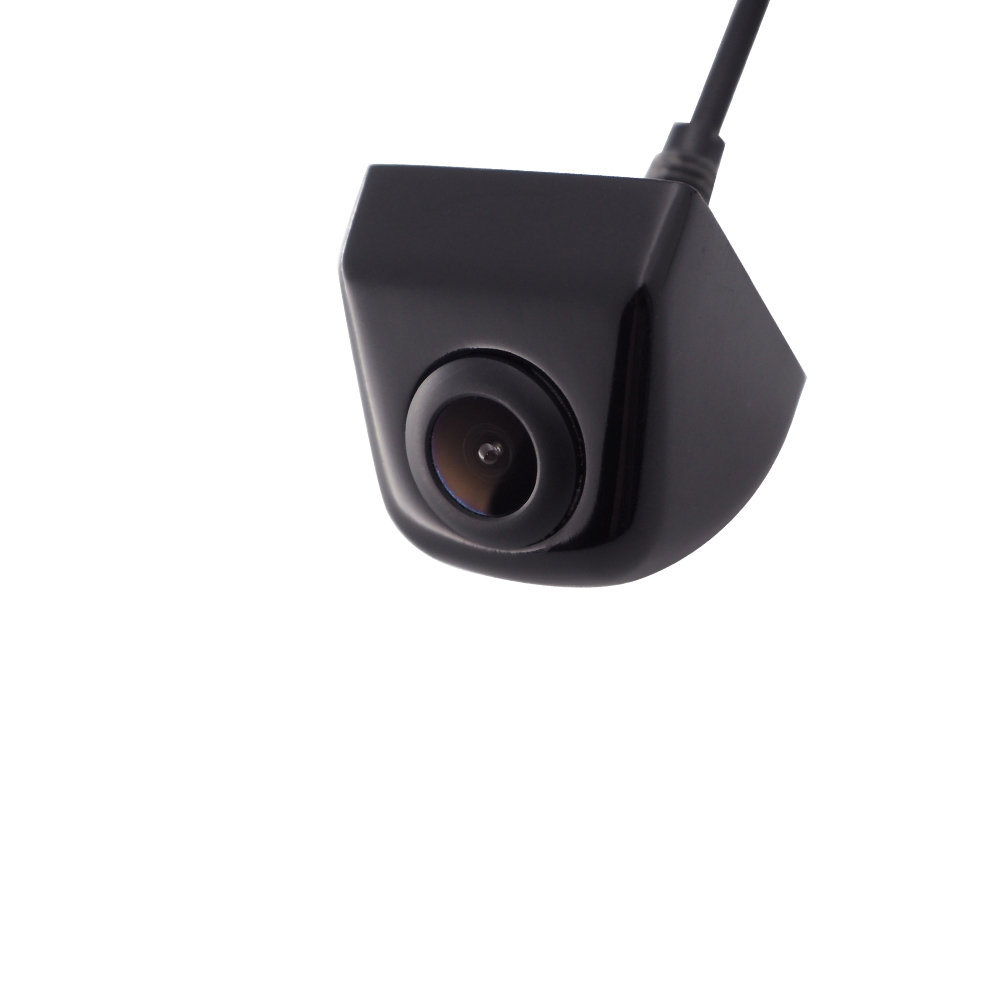
Hot Selling Reverse Parking Camera Night View Waterproof HD Car Backup Camera Universal Fitment Low Price
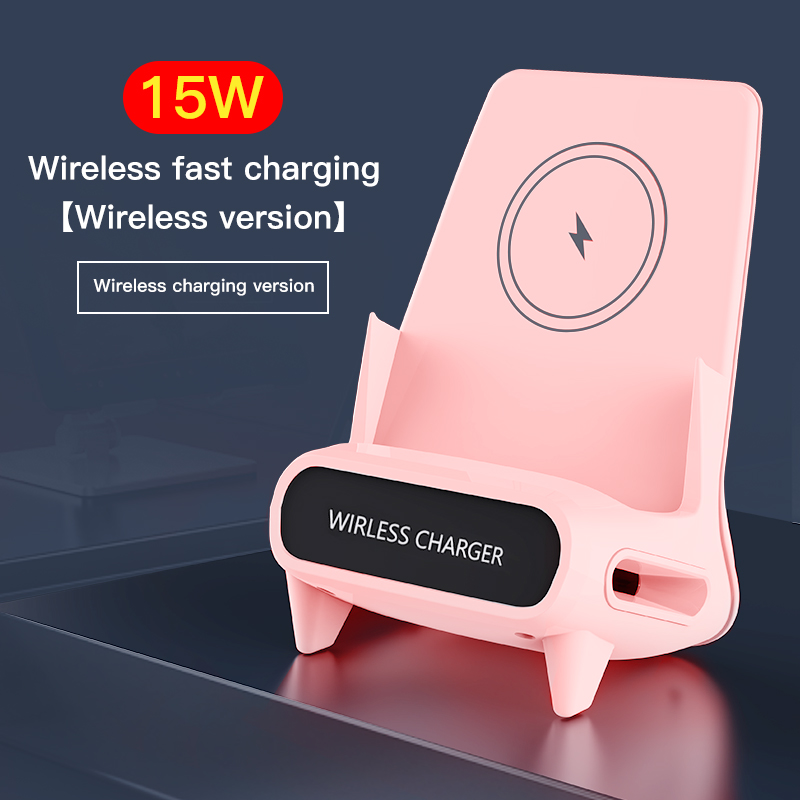
Newest 15W Magnetic Wireless Charger & Phone Tablet Holder Desk Stand Chair Wireless Charger Wholesale
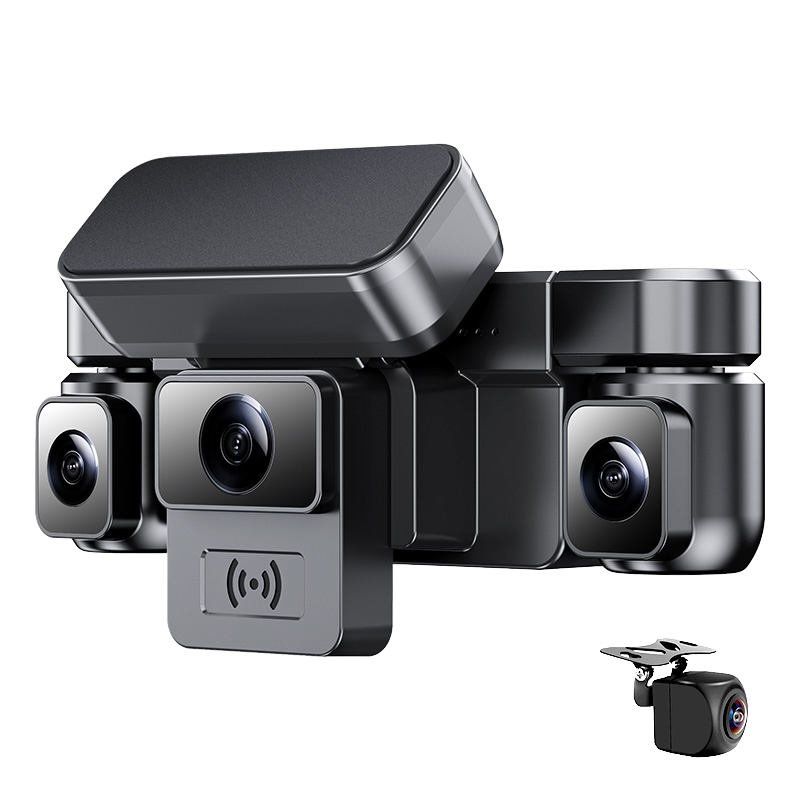
360 Degree 3Channel Car Camera IPS Screen DashCam 5G WiFi Front 2K Night Vision Car Black Box Video Recorder
White Paper: Algorithmic Vision Architecture and Nordic Environmental Engineering for AI Reversing Camera Systems Serving Oslo
The automotive sector across Greater Oslo and the surrounding Vestfold og Telemark and Viken regions is undergoing an unprecedented technological shift. Driven by Norway’s stringent Vision Zero (Nullvisjonen) road safety framework, rapid electrification of light and heavy commercial fleets, and mandatory adoption of Vulnerable Road User (VRU) detection standards, retrofitters and Original Equipment Manufacturers (OEMs) require a new class of optical hardware. Simple analog backup monitors no longer satisfy modern fleet safety mandates. Modern installations demand Edge-AI-powered reversing cameras capable of real-time object classification, low-latency spatial distance estimation, and sub-zero operational resilience.
1. The Oslo Mobility Ecosystem: Macro Drivers for AI Reversing Optics
Oslo’s zero-emission zones and urban density present specific operational hazards for commercial vehicles, public transit buses, last-mile delivery vans (e-LCVs), and passenger SUVs. Key environmental and regulatory forces shaping procurement include:
A. The Polar Night Effect & Low-Contrast Darkness (Mørketid): Between November and February, Oslo experiences restricted daylight hours, frequent freezing rain, and heavy fog off the Oslofjord. Standard CMOS sensors fail under these conditions, presenting washed-out images or dark shadows where pedestrians in dark winter clothing disappear into the background. Advanced AI reversing camera factories solve this using Sony STARVIS 2 back-illuminated sensors combined with dual-exposure High Dynamic Range (HDR) algorithms, maintaining 120dB dynamic range even under harsh streetlights and headlight glare.
B. Electrification & High-Voltage Architecture (12V-24V-80V Systems): As Oslo leads global EV adoption, vehicle electronics require strict Electromagnetic Compatibility (EMC) according to UNECE R10 standards. Camera hardware must operate cleanly without causing radio frequency interference (RFI) to electric powertrains, battery management systems (BMS), or onboard digital radios (DAB+).
C. Pedestrian Protection Rules & UNECE R158 Compliance: Under updated European safety mandates adopted across Norway, commercial vehicles must provide direct visibility or automated detection of blind-zone obstacles within a 3.5-meter perimeter around the rear bumper. Integrated neural processing units (NPUs) directly embedded within the camera body enable real-time bounding box overlays, triggering acoustic and visual alerts to drivers within less than 50 milliseconds.
Technical Deep Dive: Manufacturing Architecture of AI Reversing Cameras
Building reversing optics for harsh northern European climates requires systematic hardware-software co-design. As a specialized manufacturing facility, our engineering approach focuses on three core pillars: optical durability, edge algorithm acceleration, and thermal resistance.
IP69K Hermetic Sealing
Constructed with high-pressure die-cast aluminum housings and dual silicone gaskets. Tested against 100-bar high-pressure hot water jets used in automated municipal truck-wash stations across Oslo.
Embedded Edge-NPU Computation
Onboard 1.2 TOPS neural engine processes Deep Convolutional Neural Networks (CNN) locally on the camera module. Pedestrian and cyclist recognition occurs without requiring heavy external ECU installation.
Internal Anti-Fog PTC Heating
Automated Positive Temperature Coefficient (PTC) heating element activates when ambient temperatures drop below +4°C, preventing glass lens condensation and melting frozen slush on the glass cover.
2. Optical Engineering for Snow, Salt, and Slush
A frequent failure mode of aftermarket cameras imported into Norway is lens clouding caused by micro-abrasions from salt sanding on highways like the E6 and E18 around Oslo. Our OEM manufacturing process replaces low-cost acrylic or standard glass lenses with 6-layer all-glass (6G) optical stacks featuring a Sapphire Hydrophobic Outer Layer. This optical configuration provides:
- Hydrophobic Surface Coating: Prevents water droplets and melted snow from clinging to the lens surface, maintaining clear visibility during rain-snow transitions.
- Mohs Hardness 9 Scratch Resistance: Withstands coarse grit, salt crystals, and high-impact debris kicked up by rear tires.
- Zero-Shift Thermal Compensation: Maintains precise focal length from -35°C to +75°C, eliminating image defocusing during rapid thermal cycling.
Localized Application Scenarios in Oslo
Tailored vision technology addressing specific Nordic operational requirements across municipal, commercial, and retail automotive sectors.
Electric Last-Mile Delivery Vans
Delivery fleets operating in pedestrian-heavy districts like Karl Johans gate and Aker Brygge require precise blind-spot detection. Our AI reversing cameras distinguish between static loading docks and moving pedestrians, reducing false alarms while preventing low-speed collisions in tight alleys.
Heavy Commercial Logistics & Snowplows
Municipal maintenance trucks and regional freight trailers navigating snowy highways require wide-voltage (12V–32V) transient spike protection. Integrated AHD high-definition video feeds seamlessly into fleet telematics displays, delivering zero-latency backward visibility through winter blizzards.
EV & Aftermarket Retrofit Distribution
Norwegian automotive accessory distributors supplying workshops in Bærum, Asker, and Lillestrøm benefit from factory-direct OEM license plate and bracket cameras. These systems connect natively to Android-based head units and OEM infotainment screens with customizable trajectory line software.
Why Global Importers Partner With Our Factory
Combining agile R&D, rigorous quality control, and scalable production to serve demanding European supply chains.
1,500 m² Advanced Production Line
Equipped with dust-free SMT assembly suites, automatic optical inspection (AOI) units, and automated lens focus calibration stations ensuring consistent unit-to-unit optical sharpness.
ISO / CE / FCC / RoHS Compliance
All camera hardware and recording systems undergo complete electromagnetic, environmental, and hazardous substance testing, simplifying customs clearance into Norway and the EU.
OEM / ODM Flexibility (Low MOQ)
Flexible manufacturing pipelines support private-label branding, custom packaging, boot-screen firmware modification, and specialized housing development starting from low MOQs.
Frequently Asked Questions for Oslo Importers
Technical, logistical, and commercial answers tailored for commercial buyers, fleet managers, and automotive distributors in Norway.
Q: How do your AI reversing cameras handle extreme sub-zero conditions in Norwegian winters?
Our camera modules are factory-tested in environmental cold chambers down to -35°C. We utilize automotive-grade internal components, low-temperature resistant cabling, and optional integrated PTC lens heaters that automatically melt frost and ice from the glass optical window.
Q: Can your camera systems integrate with existing EV displays and commercial fleet telematics?
Yes. Our cameras support standard Analog High Definition (AHD 720P/1080P), CVBS, and digital Ethernet outputs. They are fully compatible with aftermarket Android head units, CAN-bus interface modules, and modern telematics hardware used by commercial fleets across Oslo.
Q: What is the typical lead time and shipping route for wholesale orders to Norway?
Standard OEM sample orders ship within 3–5 working days via express air courier (DHL/FedEx/UPS directly to Oslo Airport Gardermoen). Bulk production orders take 15–20 days depending on customization, with sea or air freight delivery available to Oslo Port.
Q: Do you offer custom firmware development for localized pedestrian detection algorithms?
Yes. Our in-house engineering team can adjust NPU detection zones, alert timing, bounding box graphics, and language settings to comply with localized fleet operations or specific municipality safety requirements in Norway.
Q: How does road salt corrosion protection work on license plate and bumper cameras?
Camera housings undergo salt spray chamber testing for over 72 hours. Aluminum casings receive anodized or electro-coated surface treatments, while stainless steel brackets prevent galvanic corrosion caused by calcium chloride road salts applied during winter maintenance.
Partner With a Direct AI Camera Manufacturer Serving Oslo
Whether you require custom OEM product samples, high-volume manufacturing, or technical ODM system design for cold-climate applications, our engineering team is ready to deliver.