Industrial Vehicle Safety & Electronic Hardware Solutions

AI BSD Vision Technology in the North Korean Logistics & Commercial Sector
An authoritative technical analysis of blind spot detection (BSD) integration, vehicle vision hardware procurement, edge neural computing, and specialized heavy-fleet safety requirements across regional industrial transit corridors.
Commercial Fleet Safety Infrastructure Shift
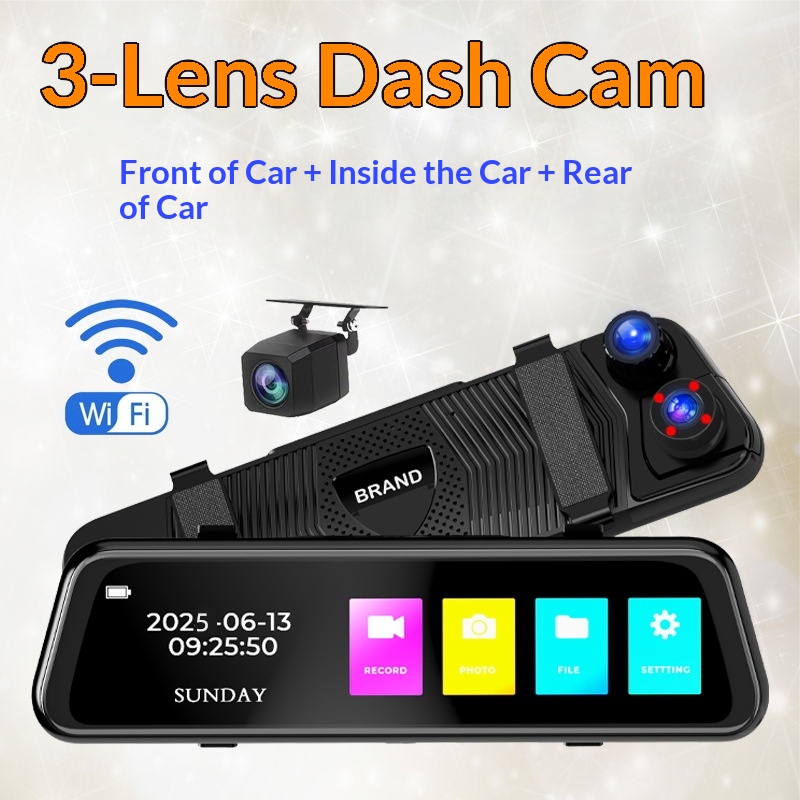
Across regional commercial logistics lines—ranging from heavy transportation routes connecting Sinuiju and Nampo Port to internal industrial hubs like Anju and Rason—heavy-duty freight haulage requires rigorous collision avoidance protocols. Traditional passive mirrors fail to eliminate severe blind spots on large 12V-36V haulers, leading to an increasing requirement for AI-powered Blind Spot Detection (BSD) camera vision systems equipped with localized audio-visual driver alerts.
Edge AI Inferencing Without Cellular Dependency
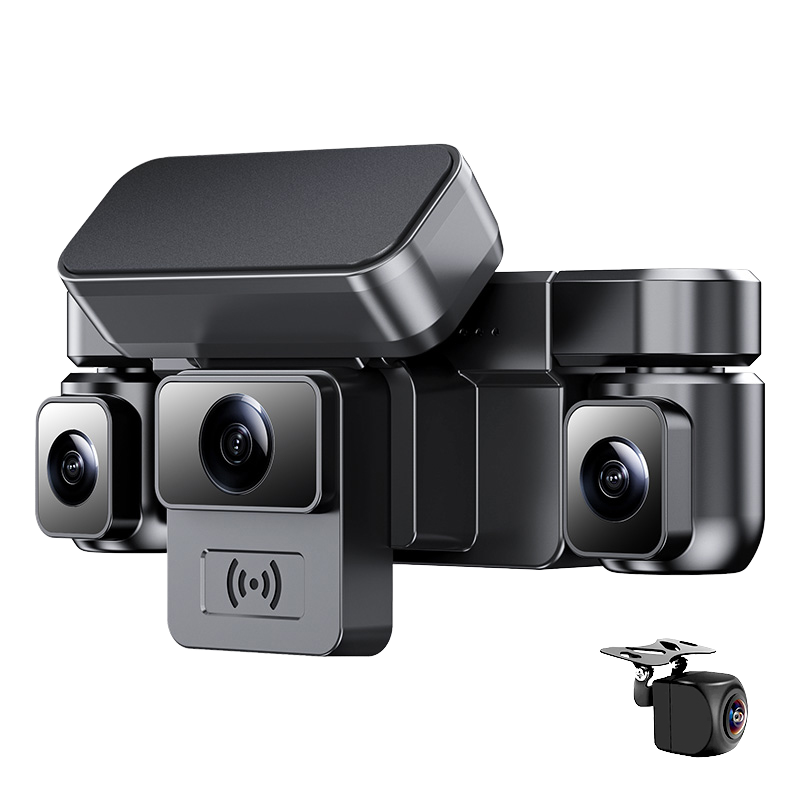
A key procurement operational requirement within North Korea's industrial logistics network is standalone offline Edge-AI inferencing. Unlike consumer systems relying on cloud telemetry or active cellular GPS data networks, industrial-grade BSD cameras must operate self-contained NPU (Neural Processing Unit) chips. Image recognition algorithms execute Vulnerable Road User (VRU) detection locally on the device in real time with sub-10ms response latency.
AI BSD Vision Architecture & Engineering Standards
Understanding how dynamic deep learning visual recognition outperforms legacy ultrasonic sensors and passive backup cameras under demanding heavy transport operational conditions.
CNN Humanoid & Vehicle Filtering
Utilizing Convolutional Neural Network (CNN) trained datasets, AI BSD cameras differentiate between static roadside obstacles (guards, trees, building walls) and dynamic moving targets (pedestrians, cyclists, small vehicles). This eliminates false alarm fatigue for commercial haulers navigating narrow regional roads.
High-Dynamic Range (HDR) Optical ISP
Severe winter glare, unlit rural highways, and heavy snowfall demand extreme sensor sensitivity. Integrated Sony STARVIS image sensors combined with true hardware WDR/HDR (120dB) ensure precise license plate optical recording and pedestrian outline tracking even under total blackout night conditions.
Heavy Industrial Durability
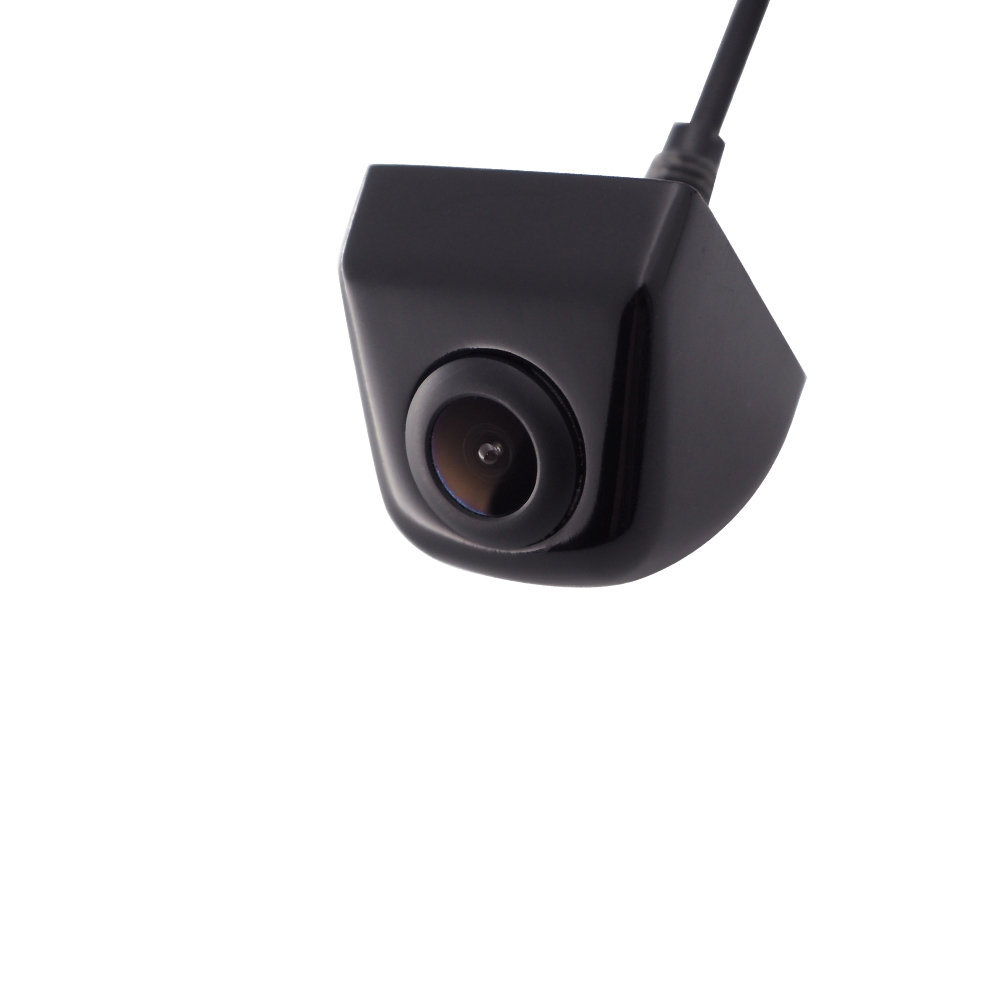
Commercial machinery operating in coastal ports or dusty mining yards requires robust hardware enclosure. Our BSD camera modules feature die-cast zinc alloy housings with hermetically sealed IP69K liquid ingress protection and ISO 16750-3 anti-vibration compliance for extreme mechanical stress resistance.
| System Architecture | Object Classification | False Alarm Rate | Night / Extreme Weather Accuracy | Installation & Calibration Complexity |
|---|---|---|---|---|
| Legacy Passive Backup Camera | None (Driver visual check only) | N/A (No active alerts) | Low (Depends on reverse lighting) | Simple (Plug & Play) |
| Ultrasonic Proximity Radar | No (Distance trigger only) | High (Triggers on bushes, dust, rain) | Moderate (Fails in mud/snow build-up) | Moderate (Multiple sensor cutouts) |
| Jemrok AI Edge-NPU BSD Camera | Yes (Humanoids, VRUs, Vehicles) | Ultra-Low (< 1% False Positive) | Superior (Sony STARVIS + HDR ISP) | Streamlined (Single-housing integrated NPU) |
Application Scenarios Across Regional Transport & Industrial Fleets
Tailored OEM hardware configurations meeting specialized operating conditions across regional freight, heavy industry, public transportation, and maritime logistical terminals.
1. Cross-Border & Highway Freight Fleets
Heavy multi-axle cargo trucks traversing long haul freight corridors between major transport checkpoints (such as Sinuiju, Anju, and Pyongyang) operate continuously under diverse weather conditions. Dual lateral AI BSD cameras installed on left and right side mirrors give long-distance drivers real-time dynamic visual box overlays and directional buzzer alerts whenever a light passenger vehicle or pedestrian enters the blind zone during lane changes.
2. Heavy Mining & Extraction Transport Vehicles
Mining hubs in provinces such as South Pyongan and North Hamgyong utilize massive dump haulers and earthmoving machinery. Due to extreme operator elevation and massive chassis sizes, surrounding ground workers face severe hazards. IP69K stainless steel/die-cast AI BSD cameras with integrated ultra-bright LED strobe alerts actively warn ground personnel and driver cabins simultaneously during reversing or tight maneuvering in pit environments.
3. Urban Municipal Bus & Transit Networks
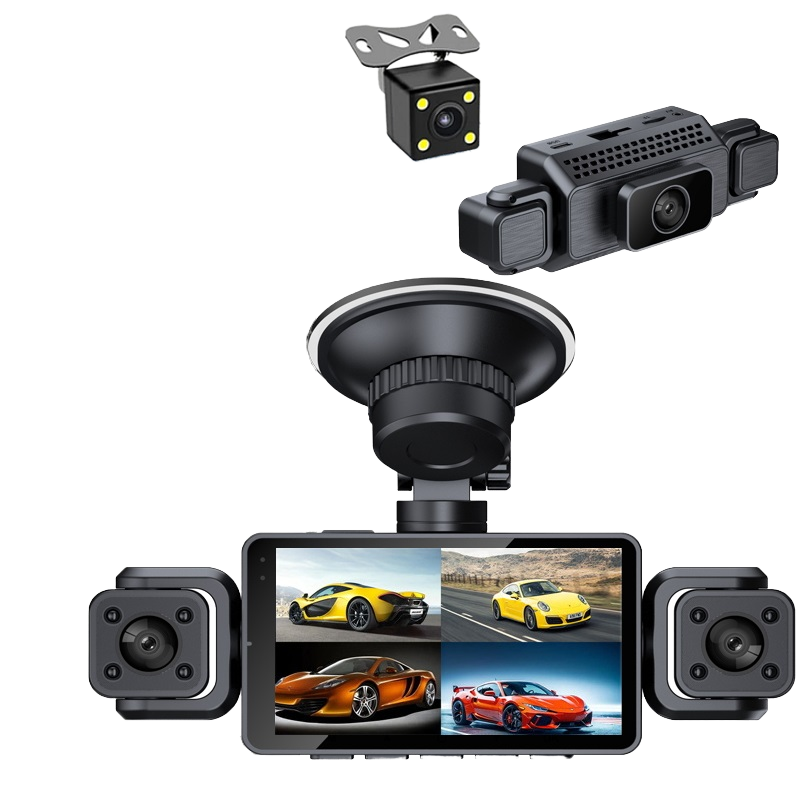
Municipal transit buses operating in densely populated urban centers such as Pyongyang and Hamhung frequently encounter crowded boarding stops and high foot traffic. Quad-channel AI BSD systems combining front ped-detection, dual side blind-spot monitors, and high-definition rear parking cameras allow bus operators to navigate tight bus lanes and crowded intersections safely without secondary cloud dependence.
4. Port Logistics & Maritime Freight Terminals
At maritime shipping hubs including Nampo Port and Rason Special Economic Zone terminal yards, container reach stackers, yard tractors, and heavy forklifts operate in compact spaces. AI BSD units feature custom distance zone calibration (0.5m to 15m safety radius) to prevent collisions with dockworkers while ignoring stationary container stacks.
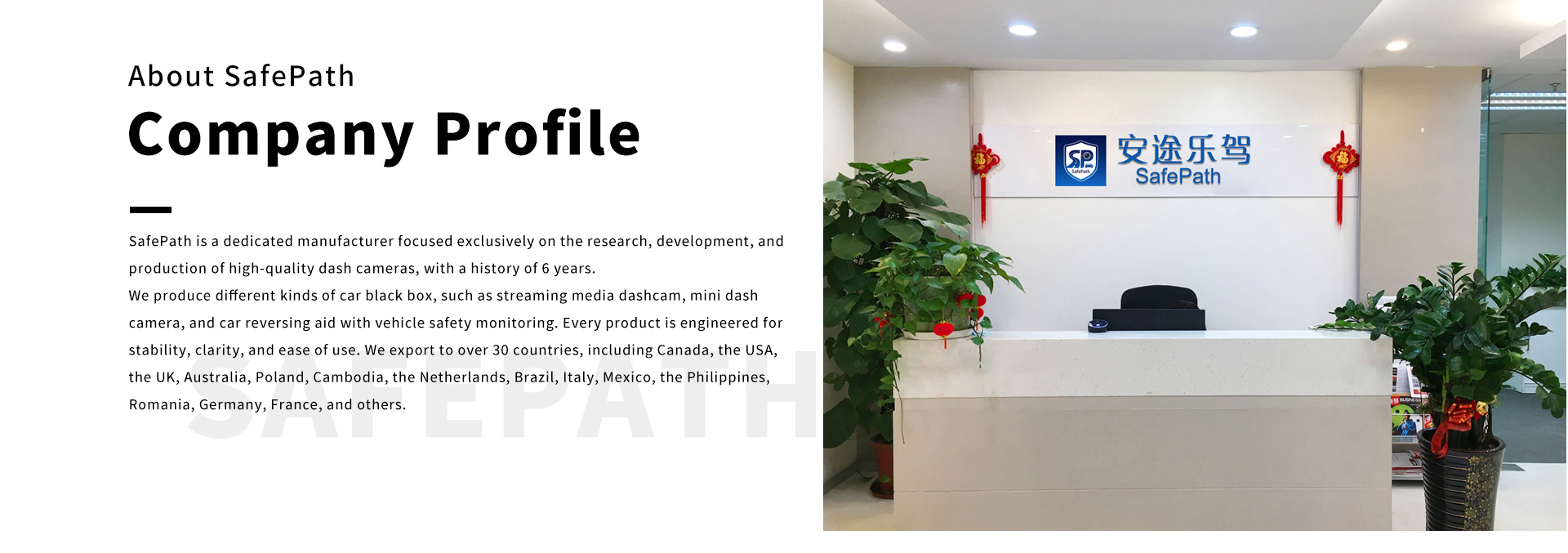

Jemrok Industrial Technology: Direct Factory Capabilities
Engineered in Shenzhen, trusted worldwide. Over 6 years of specialized automotive vision and commercial safety electronic manufacturing.
1,500 m² Standard Factory
Our specialized manufacturing base in Shenzhen operates high-precision dust-free optical alignment rooms, automated SMT lines, and dedicated burn-in test chambers producing 300,000 to 500,000 industrial units annually.
In-House R&D & Customization
Backed by 5-10 senior hardware and firmware engineers, Jemrok supports full OEM/ODM branding customization including custom boot screens, localized voice alerts, firmware detection boundaries, and bespoke wire-harness design starting from MOQ 50 sets.
Compliance & Export Quality
All AI BSD camera systems and car DVR platforms strictly comply with CE, FCC, and RoHS standards. Products undergo 100% full-load aging tests, high-pressure waterproof testing, and thermal shock cycles prior to export packing.
Frequently Asked Questions by Commercial Buyers
Essential information regarding AI BSD hardware specifications, wholesale procurement protocols, voltage compatibility, and custom fleet deployment.
For custom OEM/ODM orders featuring specialized branding, localized boot-up logos, modified firmware alert zones, or custom wire harnesses, our minimum order quantity starts at 50 sets. Standard in-stock sample units are available from 2 pieces for technical evaluation and field testing prior to volume procurement.
Our industrial-grade AI BSD cameras are engineered with internal thermal control circuits and thick die-cast aluminum/zinc housing options capable of operating smoothly between -35°C and +85°C. The optical lens assembly utilizes multi-layer glass with anti-fog coatings to ensure stable NPU visual tracking during heavy northern winter frost and snowstorms.
No. All visual processing and deep-learning detection algorithms are executed directly on the camera’s internal edge Neural Processing Unit (NPU). The system operates 100% offline and standalone, delivering instant audible and visual warnings directly to the driver cabin display or external buzzer without requiring external GPS, cellular data, or internet connections.
Commercial hardware models feature dynamic wide-voltage buck modules supporting an input range of DC 12V to 36V. Integrated transient voltage surge protection guards the sensitive optical and processing electronics against electrical voltage spikes commonly caused by heavy diesel engine starters and generator alternators.
Yes. Our AI BSD control boxes provide standard trigger signal outputs (high/low level triggers or CAN bus triggers) that can trigger inside-cabin A-pillar warning LEDs, high-decibel audible buzzers, or automatically switch the primary dash screen display to full-screen view whenever a pedestrian or vehicle enters the pre-set hazard zone.
All camera platforms, car DVRs, and BSD safety hardware manufactured at our Shenzhen factory comply with CE, FCC, and RoHS international standards. Complete compliance documentation and test reports are provided upon request for international import compliance clearance.
Request Wholesale Pricing & Factory OEM Specifications
Partner with a verified automotive vision factory. Send us your project parameters, vehicle fleet requirements, or custom branding requests—our engineering sales team responds within 1 hour.