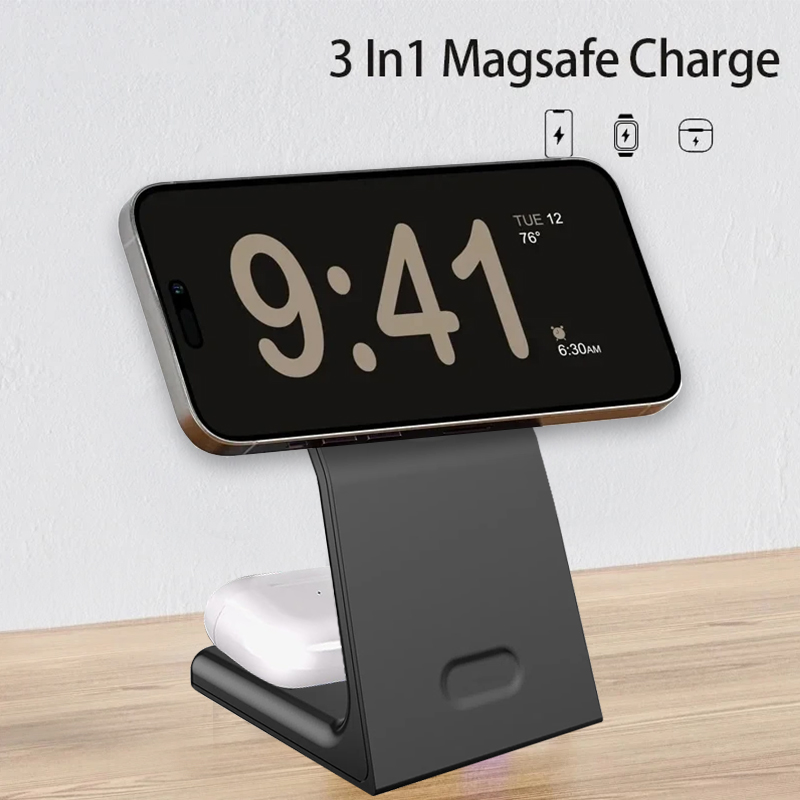
3-in-1 Magnetic Wireless Charging Station 15W Vertical Desktop Stand
View Details →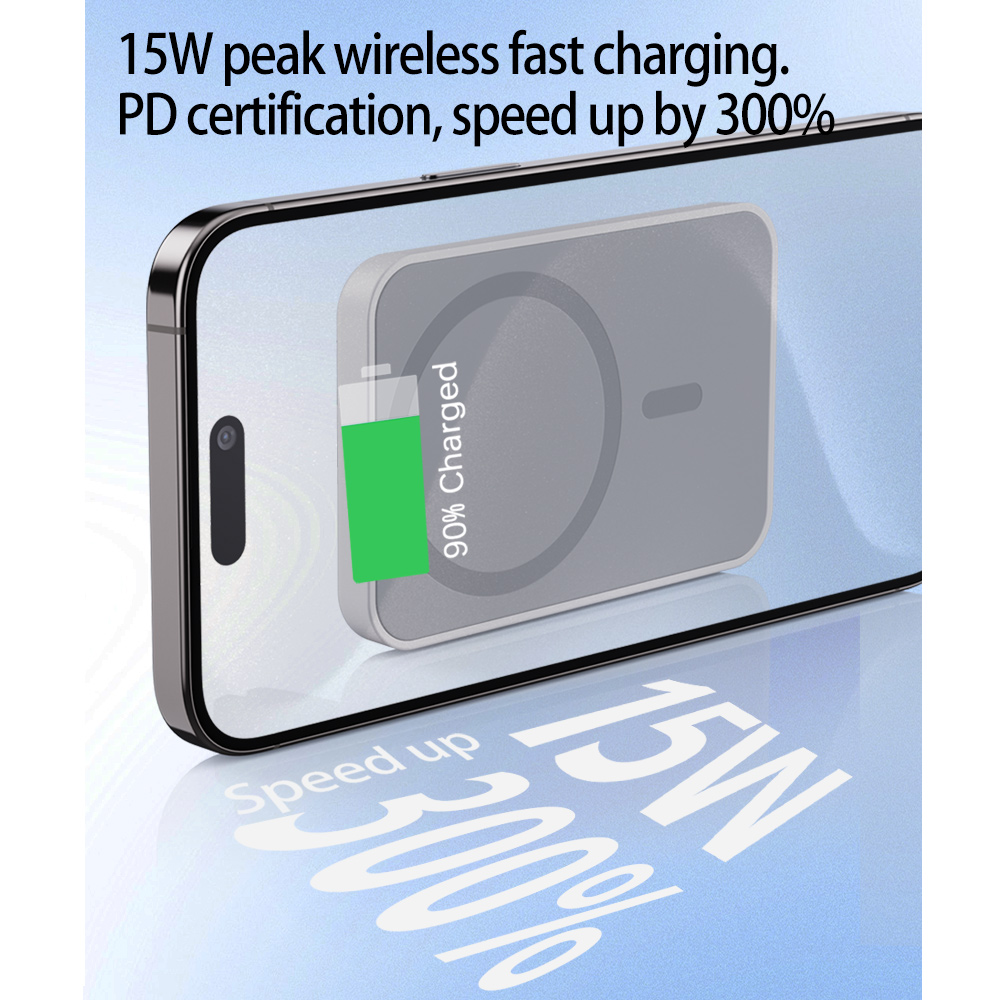
15W Magnetic Wireless Car Charger Mount Adsorbable Fast Charging Holder
View Details →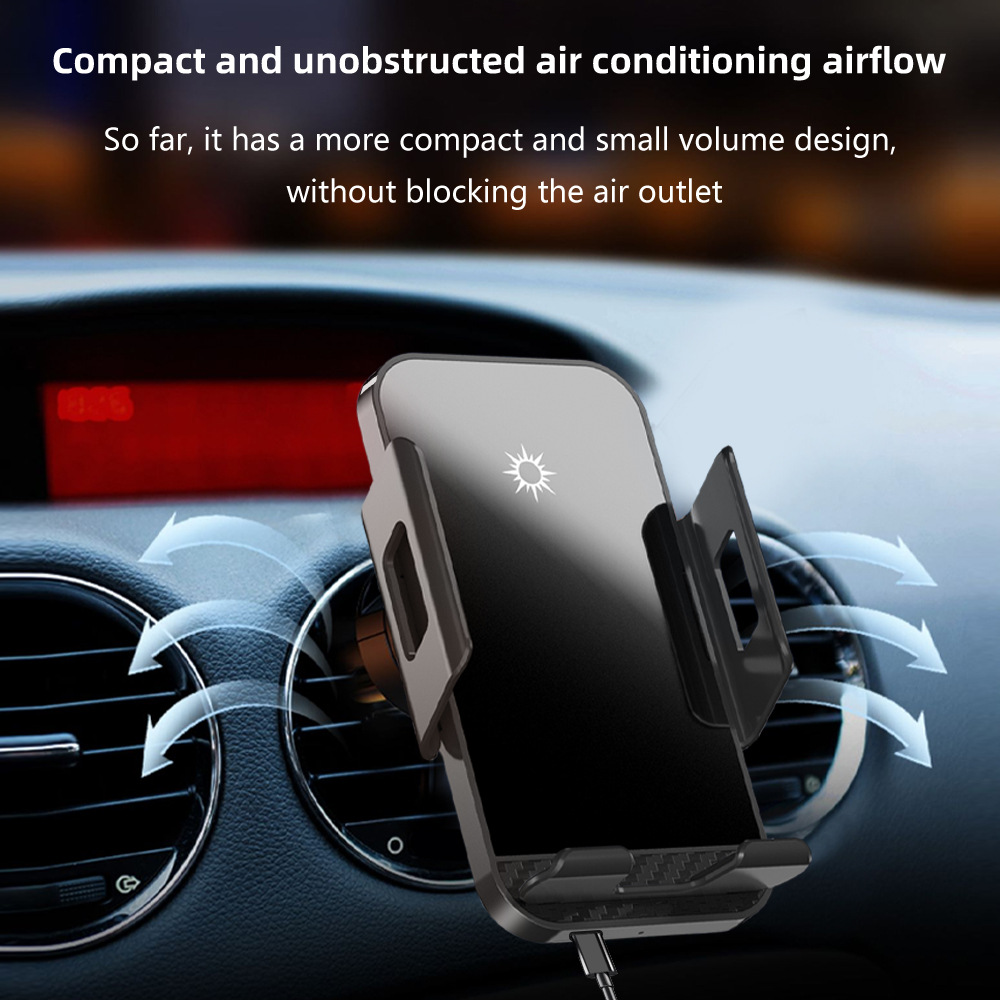
D18 Professional Transparent Intelligent Sensor Electric Car Charger 15W
View Details →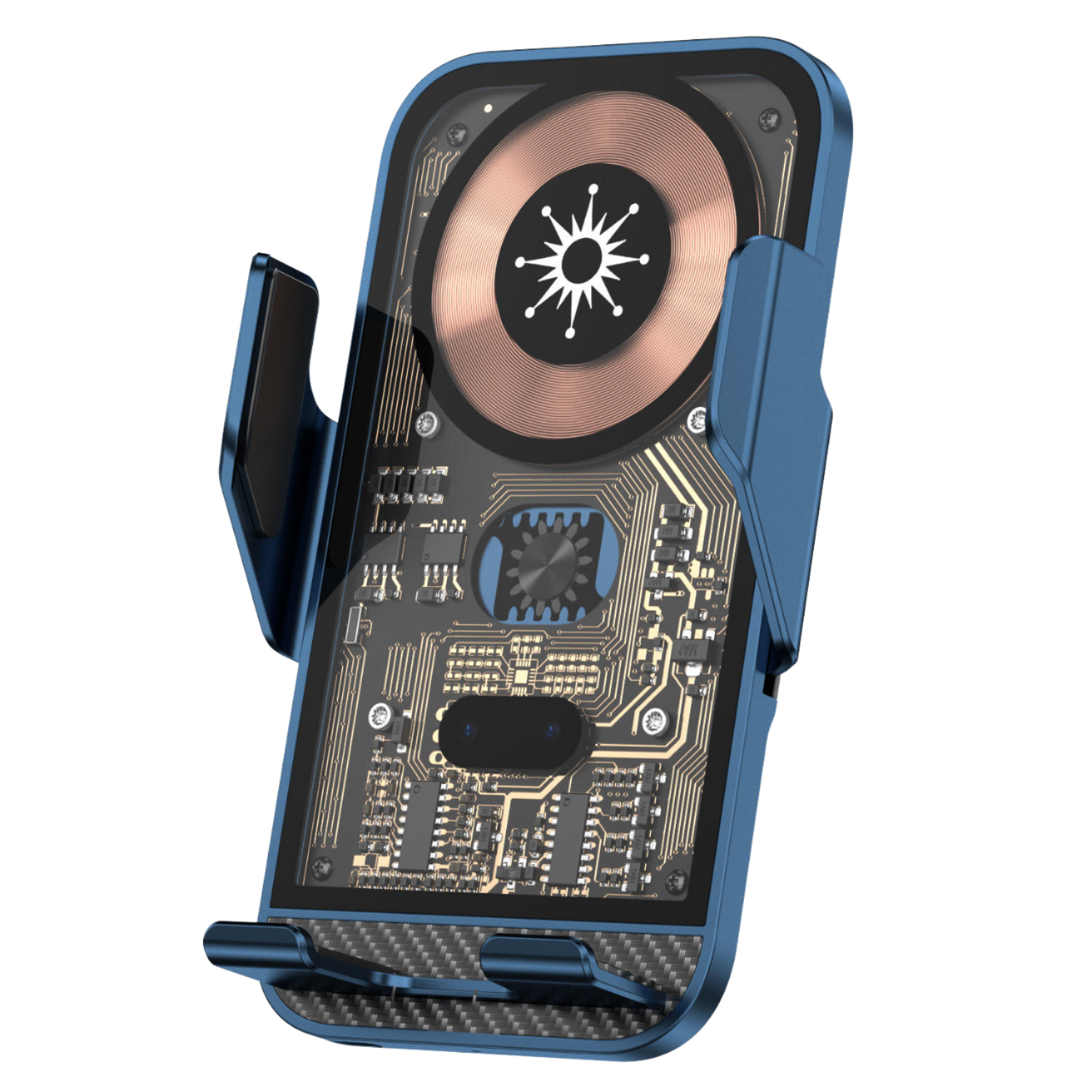
High-Quality 15W Wireless Car Phone Holder Compatible with BMW & Tesla
View Details →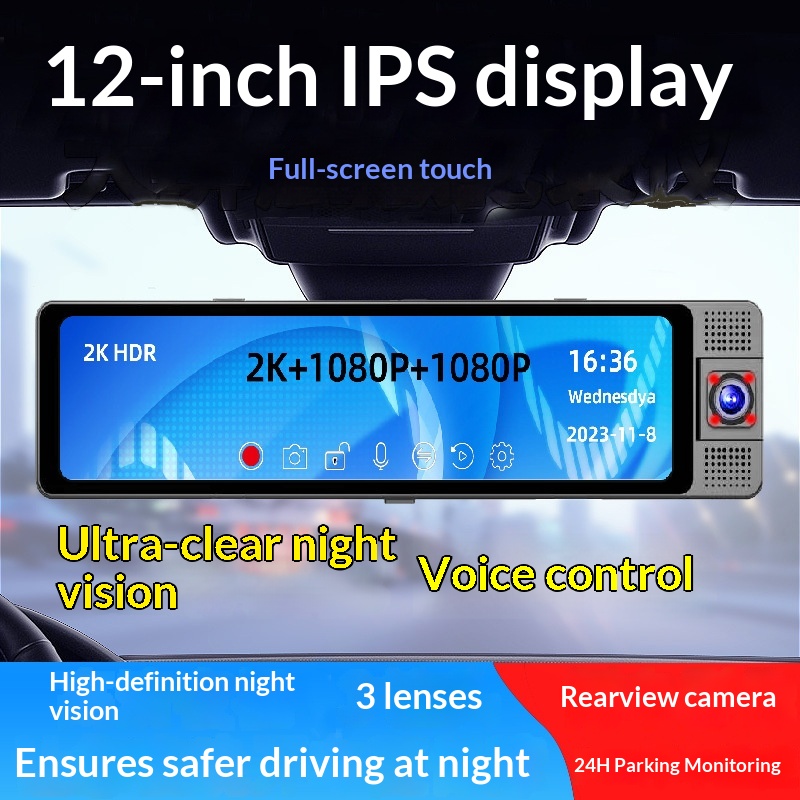
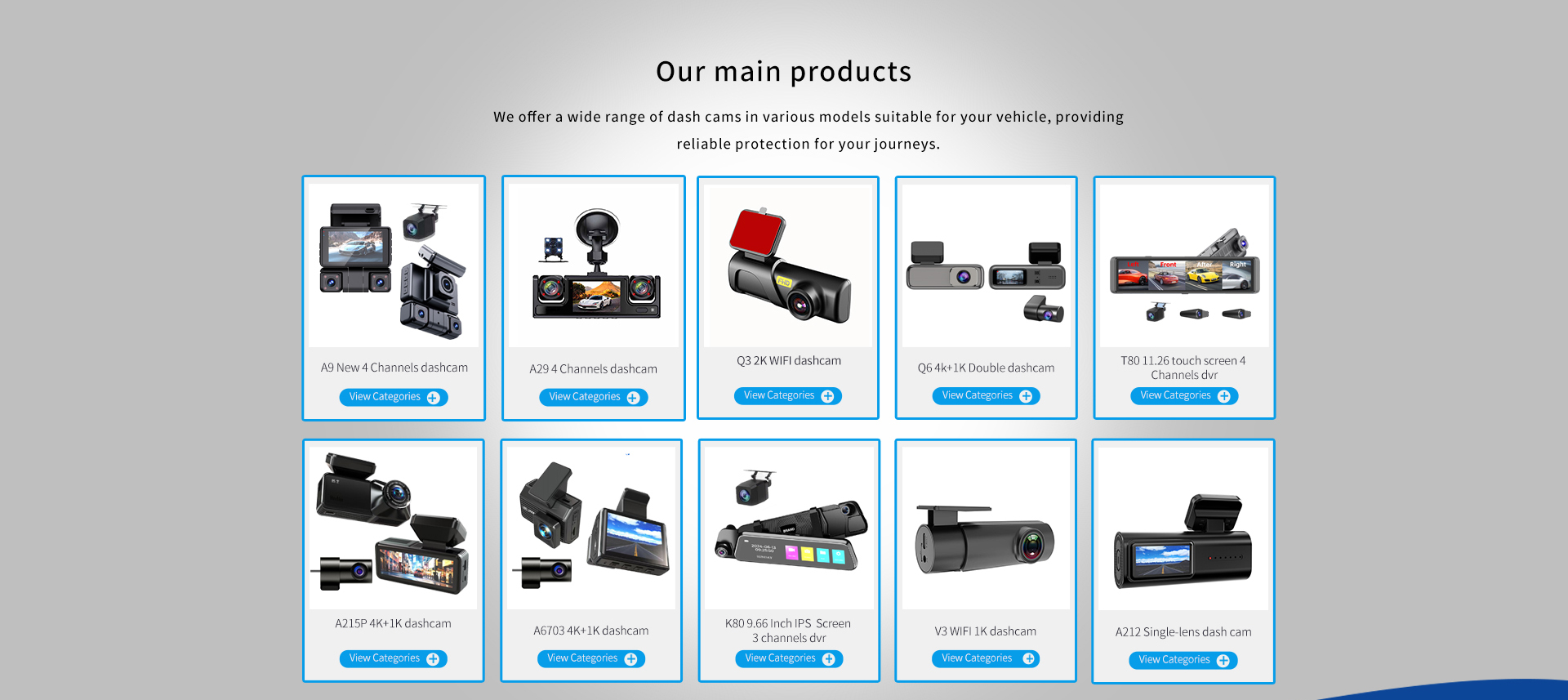
Allwinner V533 3-Channel 2K Rear View Mirror Dash Cam with 170° FOV
View Details →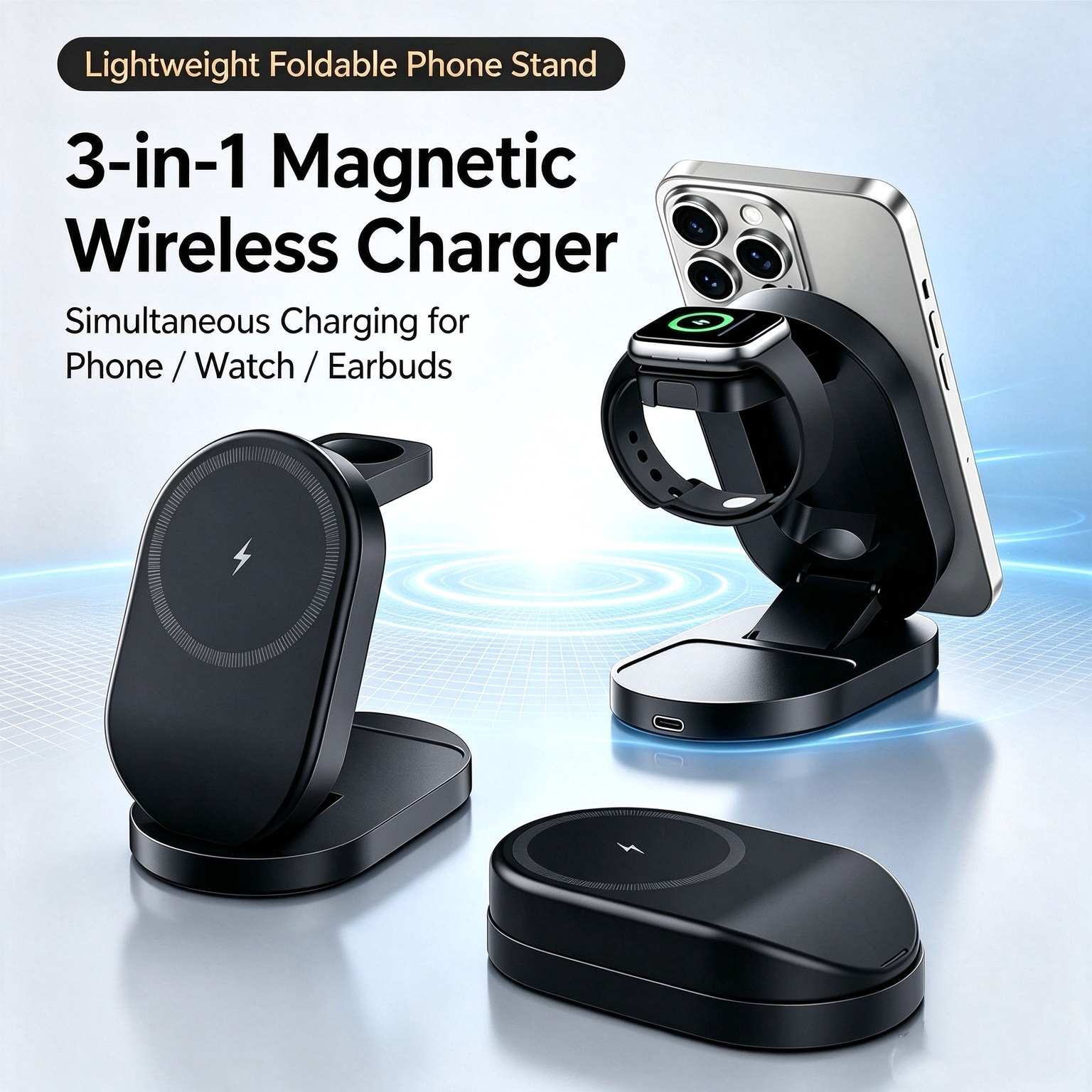
Magnetic 3-in-1 15W Fast Wireless Charging Stand & Phone Mount
View Details →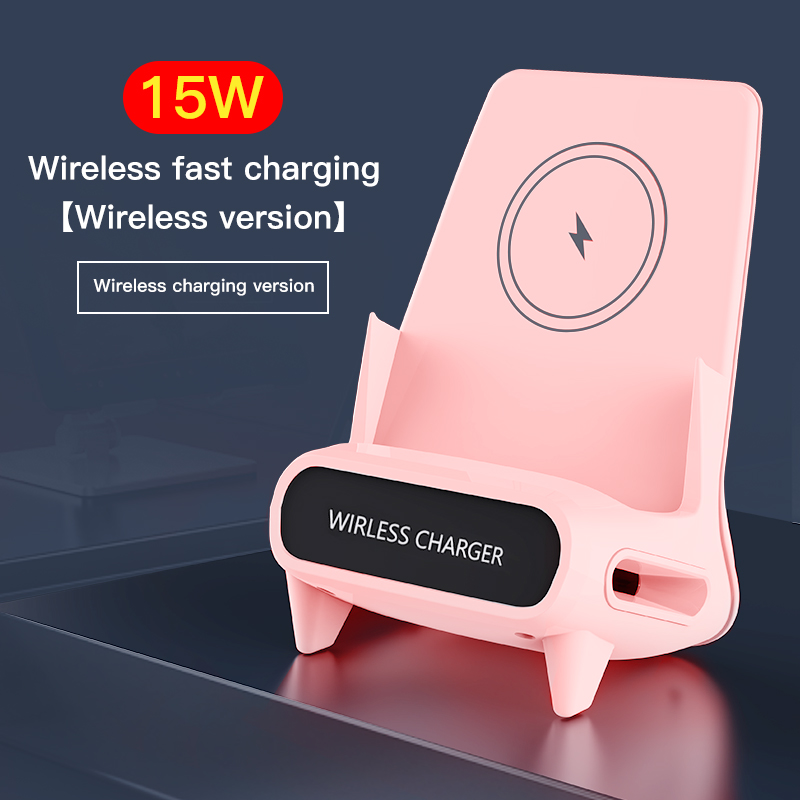
Newest 15W Magnetic Wireless Charger Phone & Tablet Holder Desk Stand
View Details →
License Plate Frame Waterproof HD Backup Rear View Camera for Cars
View Details →1. Executive Industry Overview: The Global Evolution of HD Rear View Cameras
The global automotive vision and safety market is undergoing a seismic technical transformation. Vehicle rear view cameras, historically viewed as simple parking aids, have evolved into sophisticated, high-definition data capture systems essential to vehicular safety ecosystem, Advanced Driver Assistance Systems (ADAS), and commercial fleet management. Importers, brand owners, and tier-1 distributors sourcing from China must look beyond basic sensor specifications to evaluate manufacturers based on image signal processing (ISP) expertise, thermal management, optical lens clarity, and long-term firmware stability.
Shenzhen, China, stands as the global epicenter for automotive electronics innovation. As a premier hub, manufacturers in Shenzhen integrate state-of-the-art SMT (Surface Mount Technology) lines, proprietary optical alignment machinery, and rigorous environmental testing infrastructure. For overseas procurement directors, partnering directly with specialized OEM/ODM manufacturers like Jemrok Industrial Technology (Shenzhen) Co., Ltd. ensures direct factory-level engineering access, competitive unit economics, and custom compliance frameworks tailored for European, North American, and Asia-Pacific regulatory bodies.
Strategic Insight for B2B Buyers: Modern automotive vision demands zero latency and extreme low-light performance. Evaluating a rear-view camera manufacturer requires auditing their ability to handle dynamic light contrast (WDR/HDR), IP68/IP69K ingress protection, and seamless integration with vehicle head units and multi-channel DVRs.
2. Core Technological Architecture of High-Definition Vehicle Rear View Systems
To establish competitive advantages in local consumer or commercial markets, buyers must understand the core hardware and software components that dictate a camera’s real-world reliability and video quality.
Optical Sensors & STARVIS Sensor Technology
High-grade CMOS and Sony STARVIS sensors provide superior night-vision capability. By capturing ambient light in near-infrared spectrums, these sensors deliver crisp 1080P and 2K video clarity in night environments without light distortion.
AHD Signal Transmission & Zero Latency
Analog High Definition (AHD) technology transmits uncompressed 720P and 1080P video across coaxial lines up to 50 meters without lag or loss—outperforming standard CVBS signals and traditional latency-prone wireless consumer setups.
IP68 / IP69K Waterproof Packaging
External reversing cameras endure brutal environment exposure. Using automated glue filling, ultrasonic welding, and tight rubber gaskets, top China factories guarantee zero moisture ingress under high-pressure power washing.
3. Enterprise Strengths & Manufacturing Excellence: Jemrok Industrial Technology
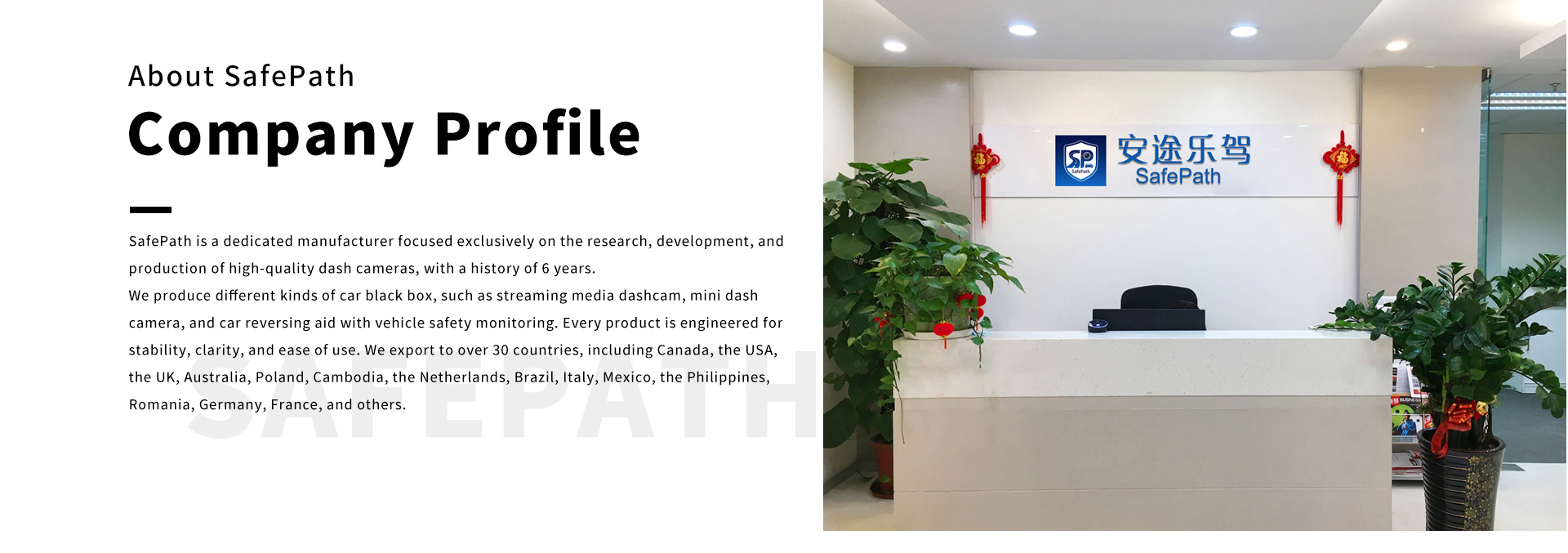
Founded as a specialized vehicle vision manufacturer in Shenzhen, Jemrok Industrial Technology (Shenzhen) Co., Ltd. represents the ideal OEM/ODM partner for global brands seeking quality, responsiveness, and scalable production capacity.
Factory Direct Capability & Engineering Rigor
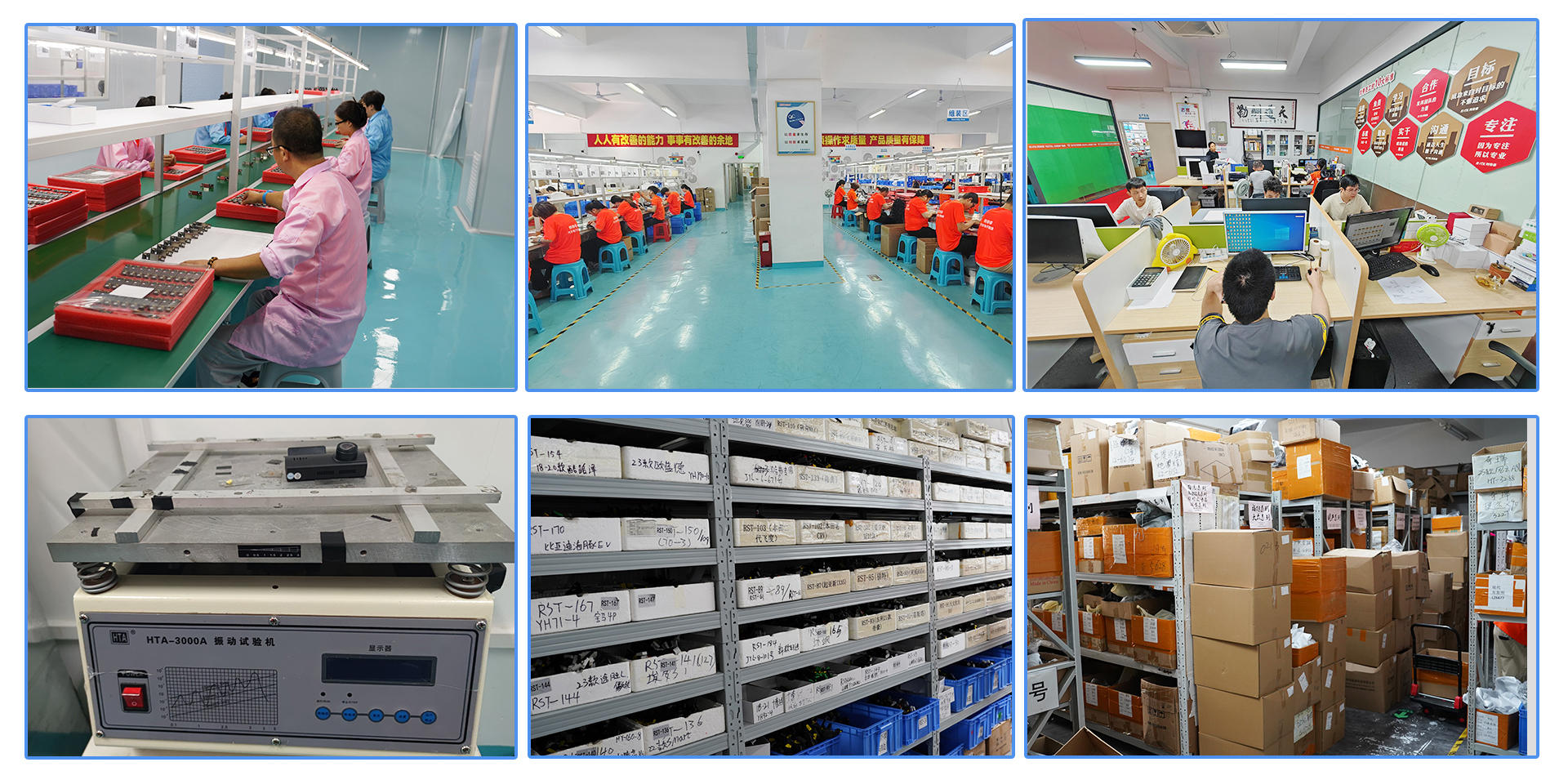
Operating a modern 1,500 square meter manufacturing plant, Jemrok delivers between 300,000 to 500,000 high-performance camera units and vehicle DVR systems annually. Unlike non-specialized trading intermediaries, Jemrok houses an experienced internal R&D team consisting of hardware, firmware, and structural engineers who work directly on client requirements.
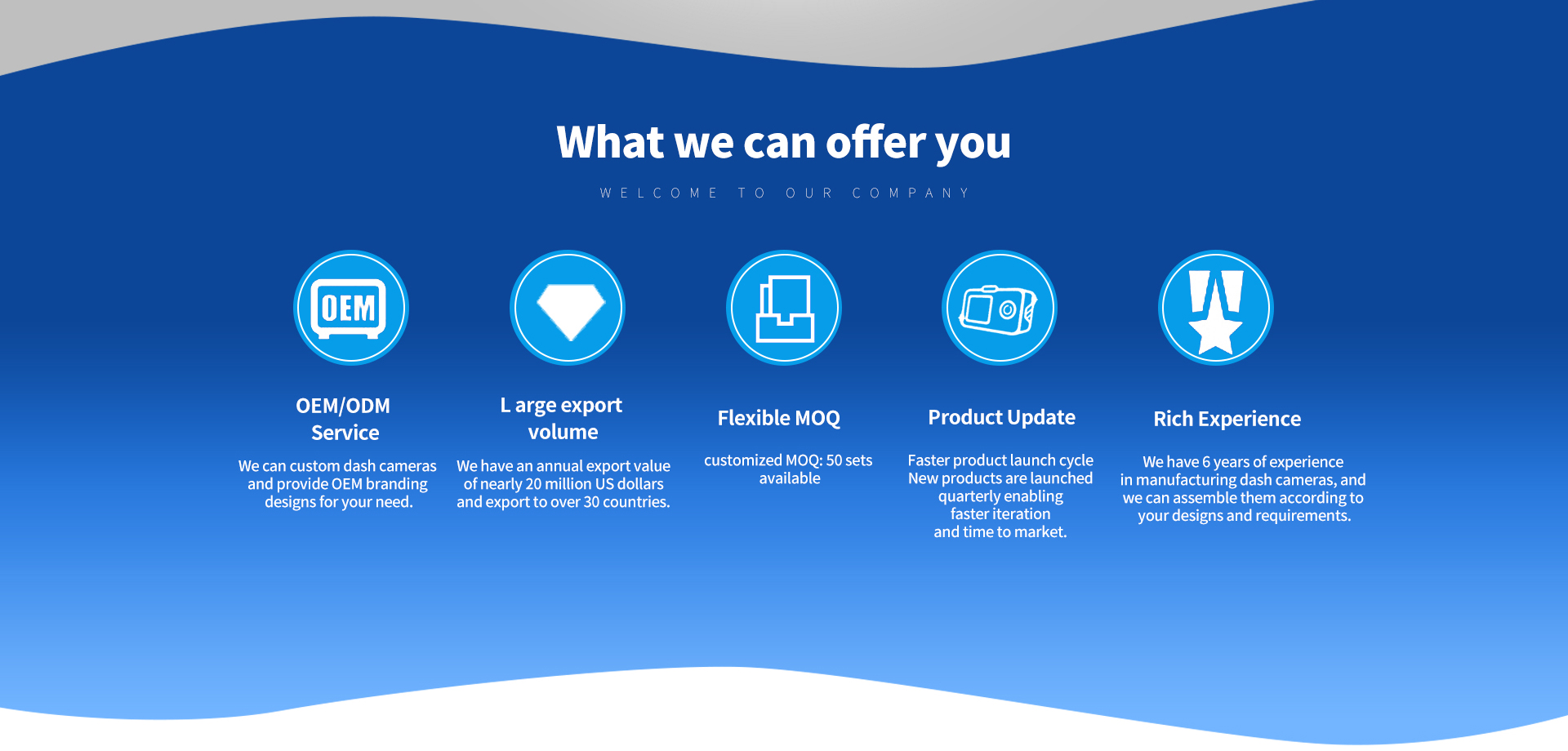
Whether configuring specialized boot screens, modifying firmware parameters, tuning wide-angle optical distortion, or developing multi-camera commercial vehicle monitoring systems, Jemrok offers an ultra-flexible OEM/ODM pipeline starting from orders as small as 50 sets.
Rigorous Quality Control & Compliance
Every piece of hardware undergo strict testing protocols before leaving the factory floor:
- Thermal Endurance Test: Continuous operations under ambient temperatures from -20°C up to +70°C.
- High-Vibration Rig Testing: Simulating real-world road shock and commercial chassis stress.
- 24-Hour Aging Test: Ensuring active chipsets maintain video signal integrity without frame drops.
- Global Compliance: Certified against CE, FCC, and RoHS environmental standards.
4. Future Technology & Sourcing Trends in Vehicle Vision (2025–2030)
As automotive electrical architectures migrate toward centralized domain controllers and smart cockpits, vehicle vision technology is rapidly evolving. Importers and commercial fleet buyers should align their product roadmaps with the following four major industry developments:
Trend A: AI-Driven Blind Spot Detection (BSD) at the Edge
Rear view cameras are no longer passive optical devices. Modern HD rear cameras integrate edge-AI processing chips capable of real-time object classification. By detecting pedestrians, cyclists, and approaching vehicles directly inside the camera hardware, these smart units trigger instant visual and audio alerts to drivers, drastically reducing reversing collisions in urban environments.
Trend B: Multi-Channel 360° Fusion & Streaming Media Rear View Mirrors
Traditional glass rearview mirrors suffer from interior blind spots caused by headrests, cargo, and passenger pillars. Streaming media rearview mirrors—connected to a high-definition 2K rear-mounted camera—provide an unobstructed, wide-angle full-screen video feed. The integration of 3-channel and 4-channel recorders (covering front, cabin, left/right blind spots, and rear) is rapidly becoming standard equipment for ride-share operators and commercial transport fleets.
Trend C: Wide-Voltage (12–24V) Heavy Vehicle Customization
Commercial logistics, construction equipment, buses, and heavy-duty trucks present challenging electrical environments characterized by voltage spikes and extended cable runs. Top Chinese manufacturers are developing heavy-duty rear cameras equipped with step-down power modules capable of handling 12–24V (up to 36V surge protection), anti-vibration aviation connectors, and cast-aluminum weatherproof housings.
Trend D: Wireless 5G Wi-Fi Telematics & Fast Data Offloading
Fleet operators demand fast access to recorded incident video. The integration of 5G Wi-Fi chipsets inside camera DVR setups enables ultra-fast video downloads to smartphone applications and cloud telematics servers, streamlining insurance claims and fleet liability management.
5. B2B Strategic Procurement & Supplier Selection Checklist
When selecting a China HD rear view camera factory, procurement managers should evaluate potential partners using a structured audit checklist to prevent supply chain bottlenecks and quality failures:
1. R&D & Firmware Agility
Ensure the supplier possesses internal software development capability to modify UI languages, camera sensor parameters, canvas guidelines, and CAN-bus integration protocols upon demand.
2. Environmental Lab Testing
Verify that the factory performs in-house water immersion testing, thermal shock testing, and salt spray corrosion testing to ensure product survival in harsh northern winter roads.
3. Flexible Customization MOQ
Partner with factories offering manageable Minimum Order Quantities (such as 50 sets for custom branding) to minimize initial inventory risk when testing new regional markets.