Featured Vehicle Cameras & Accessories
Industrial-grade automotive vision components optimized for wholesale distributors, fleet outfitters, and OEM brand manufacturers.
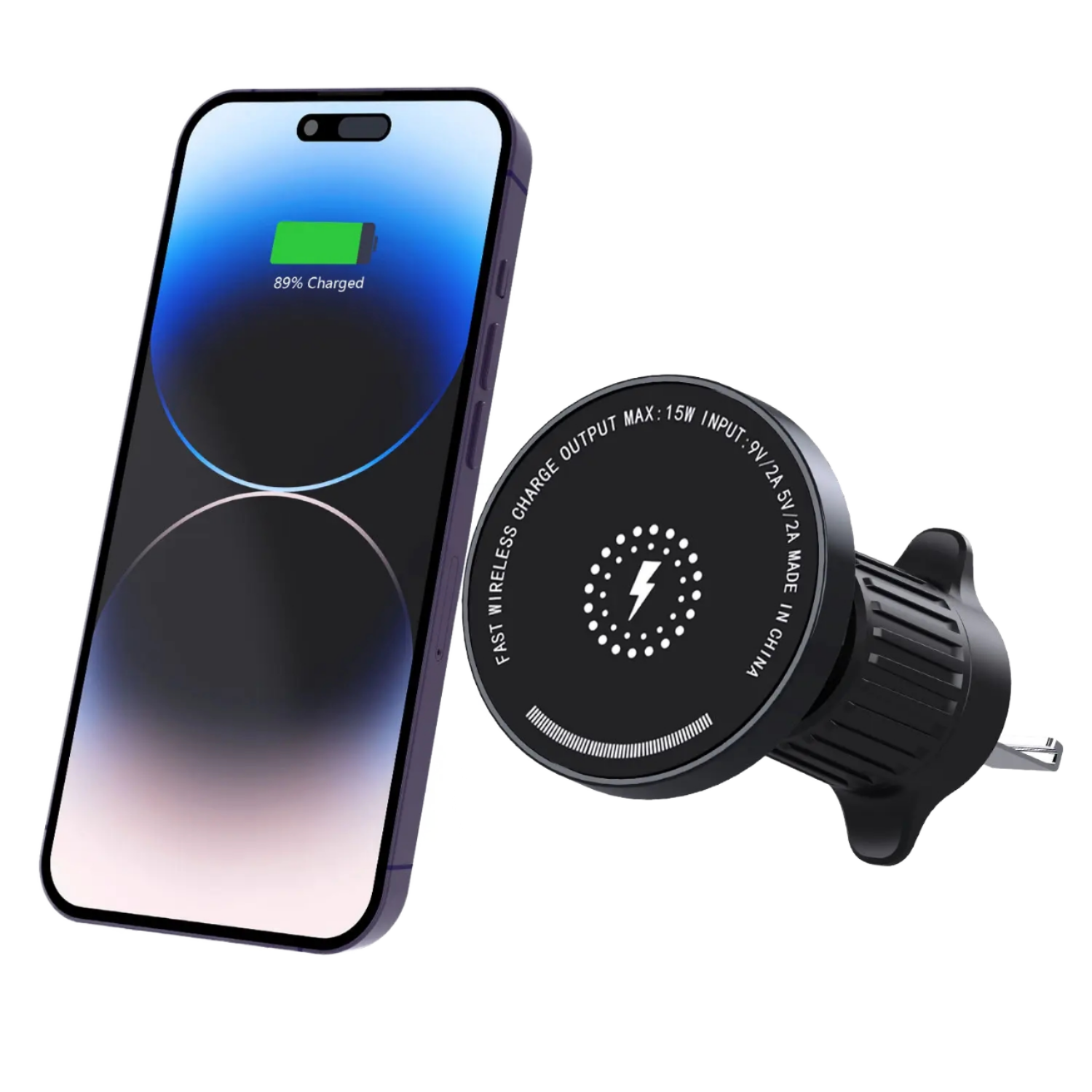
Strong Magnetic 15W Wireless Fast Charging Car Phone Mount
View Product Details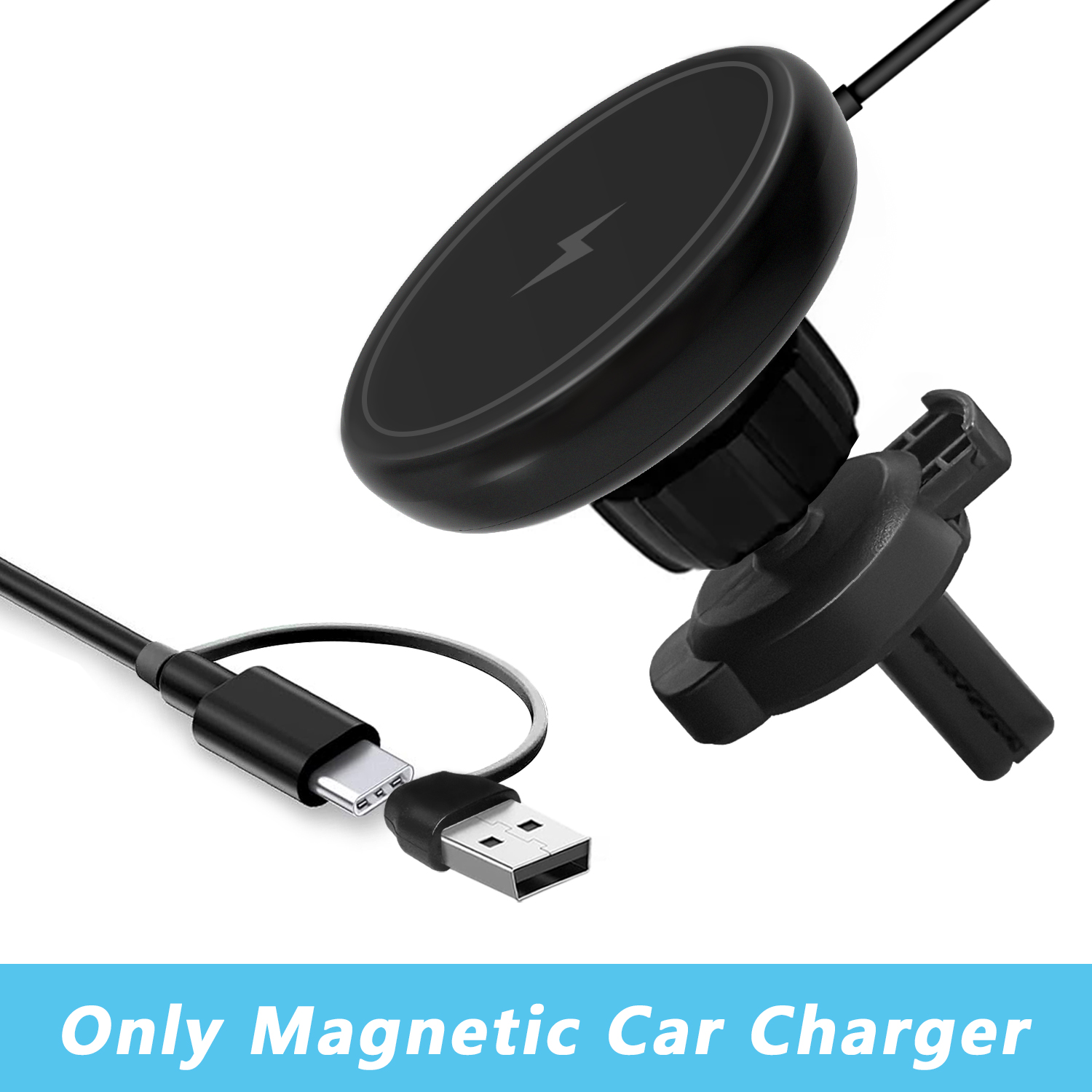
Ultra Strong Magnetic 15W Wireless Charger Car Stand
View Product Details
License Plate Frame Backup Rear View Waterproof Camera
View Product Details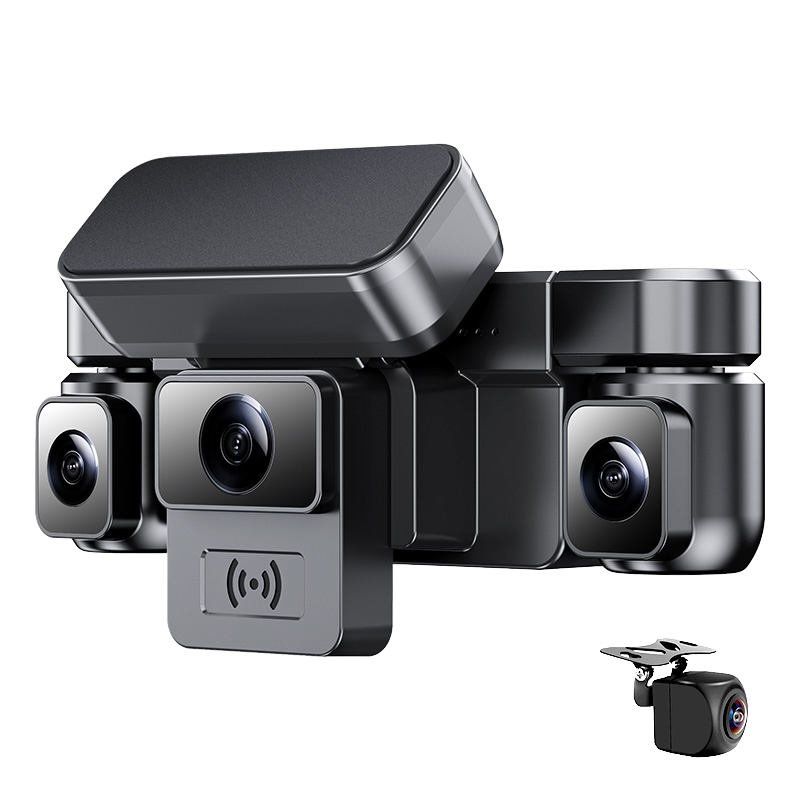
360° 3-Channel 5G WiFi 2K IPS Screen Dash Camera
View Product Details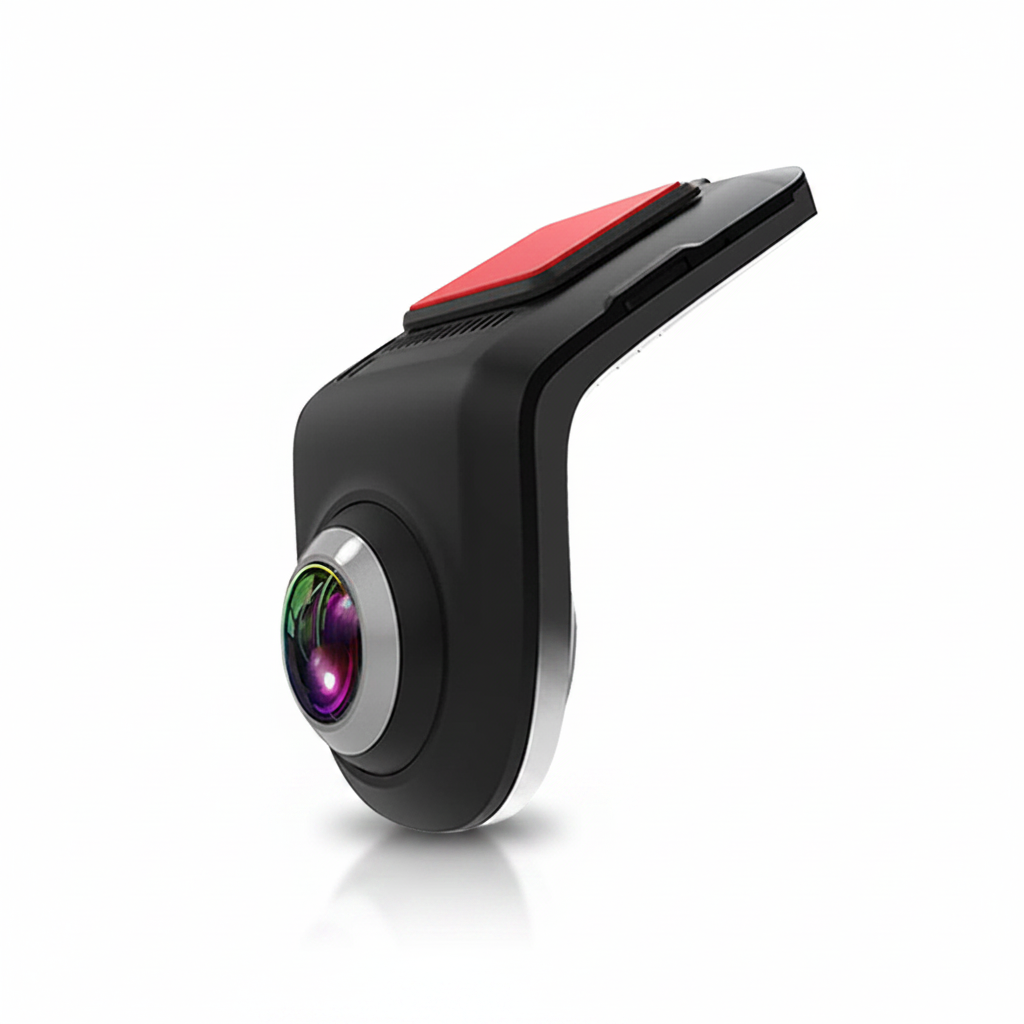
FHD 1080P Wide-Angle ADAS USB Driving Assistant DVR
View Product Details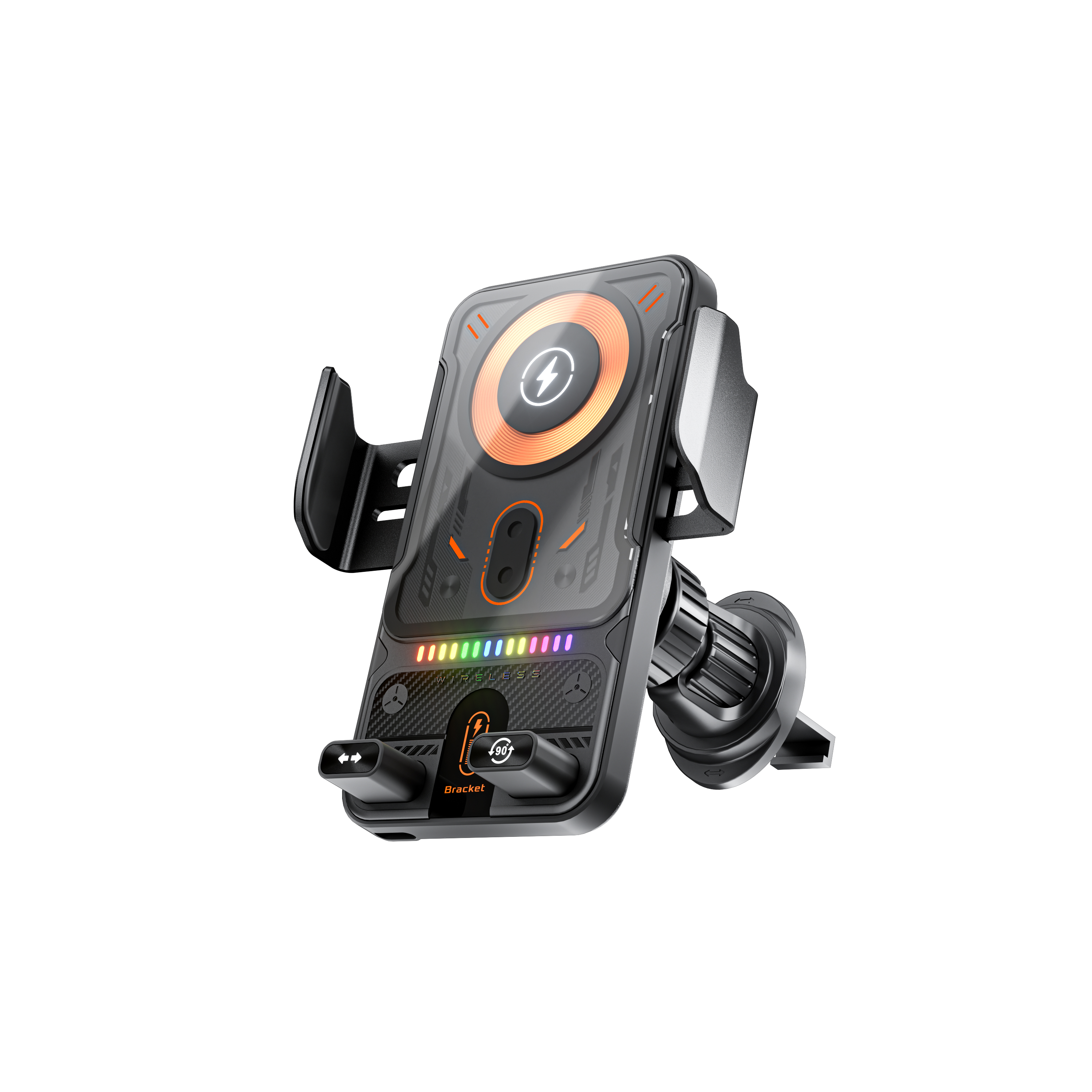
15W BMW Compatible Magnetic Wireless Fast Charging Mount
View Product Details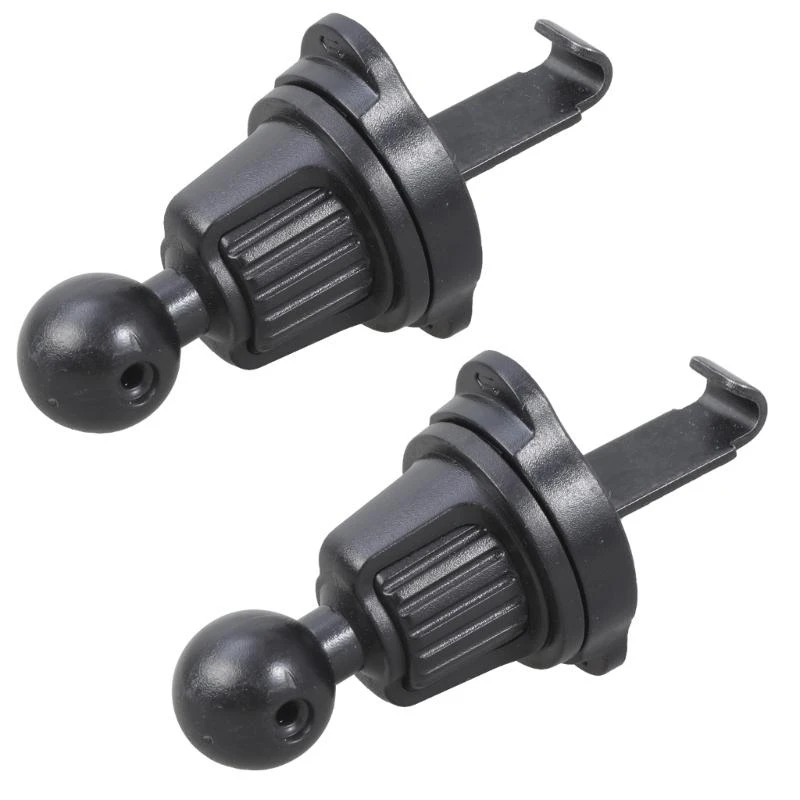
Universal 360° Adjustable Car Air Outlet Phone Holder
View Product Details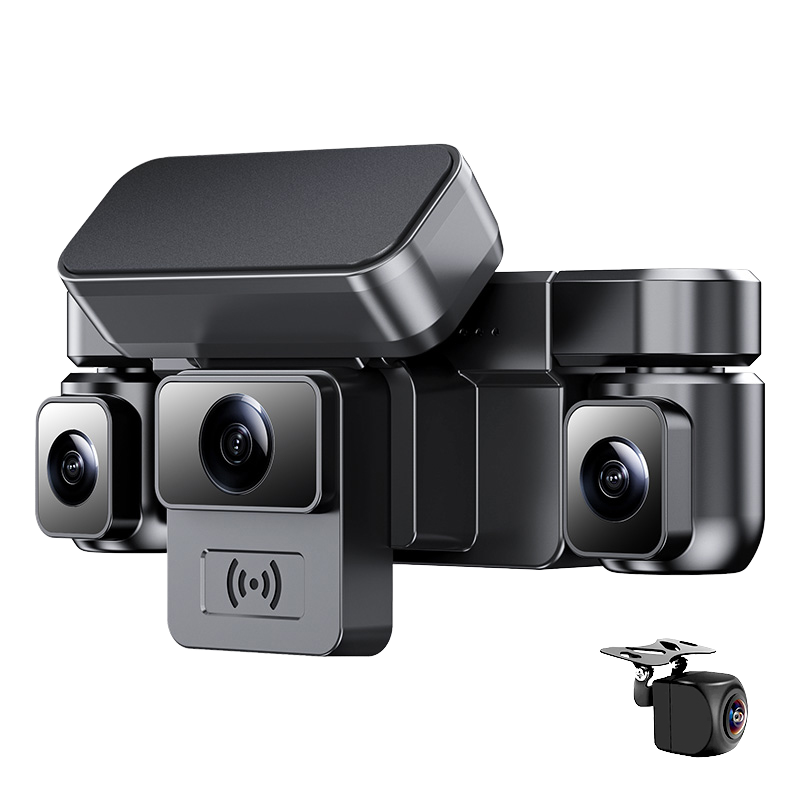
360° Triple Channel 2K Night Vision Universal Dash Cam
View Product DetailsThe Architecture of Modern Vehicle CVBS & Analog Vision Systems
An in-depth analysis of Composite Video Blanking and Sync (CVBS) technology in automotive safety, aftermarket integration, and fleet retrofit markets.
In the rapidly evolving landscape of automotive safety electronics, modern buyers often encounter a spectrum of video signal standards ranging from standard analog CVBS (Composite Video Blanking and Sync) to high-definition analog formats (AHD, HD-TVI, HD-CVI) and digital Ethernet-based IP cameras. Despite the market proliferation of digital systems, CVBS cameras remain a foundational pillar in the global automotive aftermarket, OEM commercial vehicle builds, and specialized industrial fleets.
CVBS encodes video intensity (luminance, Y) and color information (chrominance, C) onto a single analog channel alongside synchronization pulses (blanking and sync) mapped to standard impedance values of 75 Ohms. Delivered across classic NTSC (60Hz, 525 lines) or PAL (50Hz, 625 lines) TV standards, automotive CVBS systems offer unmatched plug-and-play compatibility with legacy head units, factory display monitors, Android automotive receivers, and low-cost fleet monitors.
The manufacturing ecosystem in Shenzhen, Guangdong—the world’s primary hub for automotive electronics—has continuously refined CVBS technology. Rather than remaining static, leading OEM/ODM manufacturers like Jemrok Industrial Technology (Shenzhen) Co., Ltd. have integrated advanced CMOS image sensors, enhanced ISP (Image Signal Processor) micro-architectures, and hybrid dynamic signal-switching circuits into modern CVBS platforms. These engineering refinements deliver resolution benchmarks up to 1000 TVL to 1200 TVL, drastically reducing signal attenuation, color crosstalk, and thermal noise in vehicle electrical environments.
Signal Standards Comparison: CVBS vs. AHD vs. Digital IP
Understanding latency, cable transmission length, cost structure, and display ecosystem alignment for vehicle procurement strategy.
| Evaluation Parameter | Standard CVBS (Analog) | AHD (Analog High Definition) | Digital Ethernet / IP Camera |
|---|---|---|---|
| Resolution Range | 480i / 576i (600 TVL to 1200 TVL) | 720P / 1080P / 4K High Def | 1080P up to 4K Ultra HD |
| Video Signal Latency | Near Zero (<1 ms) Real-time | Near Zero (<5 ms) Real-time | 100ms – 300ms (Frame Buffering) |
| Cabler & Impedance | 75Ω Coaxial / Standard RCA / 4-Pin | 75Ω Coaxial / Shielded 4-Pin Aviation | Twisted Pair Cat5e/Cat6 / Automotive Ethernet |
| Transmission Distance | Up to 30–50 meters without amplifiers | Up to 300–500 meters without loss | 100 meters (Limited by Ethernet standard) |
| Display Hardware Compatibility | Universal Compatibility (All head units) | Requires AHD-compatible ISP / Processor | Requires IP Decoding / Digital Screen Unit |
| Manufacturing Sourcing Cost | Lowest Unit & System Cost | Moderate / Highly Cost-Effective | High Component & Network Hardware Cost |
| Key Application Use Case | Passenger car reverse backup, universal aftermarket, legacy truck displays | Fleet DVRs, HD reversing systems, side-blindspot monitoring | Advanced Autonomous Vehicles, High-End Telematics, ADAS fleets |
Key Technology & Sourcing Trends in Vehicle Camera Manufacturing
How Chinese OEM factories are modernizing analog vehicle vision to deliver higher clarity, smart dual-signal compatibility, and rugged environmental resilience.
1. Hybrid CVBS / AHD Dual-Signal Switching
To prevent stock keeping unit (SKU) proliferation for global wholesalers, modern China manufacturers integrate smart dual-signal ISP processors. Buyers can toggle between CVBS (NTSC/PAL) and AHD 720P/1080P by cutting a control wire loop or executing OSD menu commands, drastically lowering inventory carrying costs.
2. Ultra-Low Light Starvis Night Vision ISPs
Modern CVBS cameras no longer suffer from grainy, dark monochrome night video. Sourcing trend benchmarks demand back-illuminated CMOS sensor integration (such as Sony STARVIS technology adapted for analog encoders), producing crisp 0.001 Lux ultra-low light color imaging under dark reversing conditions.
3. IP68 & IP69K Extreme Ingress Protection
Commercial trucks, trailers, buses, and construction vehicles require relentless resistance against high-pressure washdowns and road debris. Modern production standards mandate fully potted optical housings utilizing thermal silicone resin, achieving true IP68 waterproof submersion and IP69K hot steam pressure resistance.
4. Wide Voltage Input & TVS Surge Protection
Vehicle electrical architecture experiences severe voltage fluctuations, load dumps, and inductive voltage spikes during engine ignition. Future-proof CVBS camera designs incorporate buck-boost step-down power regulation handling DC 9V–36V wide voltage input alongside Transient Voltage Suppressors (TVS).
5. Dynamic Parking Guideline Calibration
Embedded trajectory microcontrollers embedded directly into the camera's internal ISP compute real-time vehicle motion vectors or static distance overlays without needing external steering angle sensors, aiding safer reverse parking maneuvers on legacy head unit screens.
6. Miniaturized Anti-Corrosion Alloy Housings
From license plate frame brackets to Korean-style external rear mounts, camera housings are shifting from cheap plastics to die-cast zinc alloys and aluminum-magnesium anti-corrosion shells passivated with multi-layer baking varnish to resist salt spray exposure.
Global Sourcing Outlook: What B2B Buyers & Importers Must Plan For
A strategic guide for automotive electronics importers, Amazon/eBay sellers, regional distributors, and fleet solution providers.
Demand Shift in Aftermarket Head Unit Bundling
With millions of aftermarket Android automotive stereo displays shipped worldwide annually, inclusion of a cost-effective, high-clarity CVBS / AHD reversing camera inside the retail box has become a standard competitive requirement. Importers who bundle custom-branded CVBS cameras enjoy higher profit margins and reduced customer return rates driven by universal plug-and-play installation.
Commercial Fleet Retrofitting & Heavy Equipment Sourcing
Commercial transport fleets, municipal buses, agricultural vehicles, and forklift fleets prioritize minimal downtime and low maintenance overhead. High-voltage CVBS cameras with 4-Pin aviation connectors continue to capture massive bulk procurement orders due to their immunity to electromagnetic interference (EMI) from heavy machinery motors and immediate zero-latency display response.
Enterprise Advantages of Sourcing From Jemrok Industrial
Direct manufacturer capabilities engineered to streamline your supply chain, protect brand reputation, and accelerate profit margins.
6+ Years Focus on Vehicle Vision R&D
Unlike general trading vendors, Jemrok Industrial Technology (Shenzhen) Co., Ltd. specializes exclusively in vehicle recording cameras, multi-channel dash cams, mirror recorders, and CVBS/AHD reversing systems. Our core engineering team optimizes optics, hardware power boards, and software firmware under one roof.
Rigorously Certified Quality Assurance
Our 1,500 m² Shenzhen manufacturing plant complies strictly with international compliance protocols. Every camera model undergoes 100% aging tests, high-pressure waterproof testing, thermal shock chambers (-20°C to +70°C), and vibration testing, carrying CE, FCC, and RoHS compliance certification.
Agile OEM/ODM Customization (Low MOQ)
We empower growing brands and regional wholesalers with flexible OEM/ODM private labeling starting from as low as 50 sets. We provide laser-engraved logo printing, custom boot screens, localized user manual translation, custom wire length assemblies, and bespoke retail box design.
Direct Factory Pricing & High Capacity
Eliminate middleman markups by sourcing directly from our Shenzhen assembly lines. Delivering an annual capacity of 300,000 to 500,000 units, Jemrok guarantees competitive pricing, stable component stock, and fast lead times for high-volume wholesale contracts.
Rapid Business Response (≤1 Hour)
Our dedicated international B2B sales office provides rapid engineering and commercial response times averaging under 1 hour. We provide full export assistance, sample dispatching, custom duty advice, and full post-sale warranty technical support.
Frequently Asked Questions (FAQ) for Importers & Wholesalers
Essential answers regarding technical specs, signal compatibility, quality control, custom branding, and bulk purchasing parameters.
Start Sourcing Factory-Direct CVBS & Vehicle Cameras Today
Contact our OEM engineering team in Shenzhen for instant pricing catalogs, technical datasheets, and sample evaluation packages. Average response time within 60 minutes.
Send an Inquiry