Executive Industry Analysis: The Evolution of Commercial & Passenger Vehicle Vision Systems
The global automotive vision and backup camera market is undergoing a structural paradigm shift. Driven by regulatory mandates (such as the US FMVSS 111, EU GSR II safety regulations, and global fleet compliance demands), reversing cameras have evolved from luxury vehicle options into vital safety components across commercial and passenger fleets.
For enterprise procurement officers, automotive hardware importers, and tier-2 wholesalers, sourcing HD backup cameras and vehicle Digital Video Recorders (DVRs) requires evaluating metrics far beyond initial unit price. The modern procurement landscape demands strict verification of CMOS image sensor sensitivity, thermal power dissipation, Wide Dynamic Range (WDR/HDR) image signal processing (ISP), and firmware stability under high-vibration conditions.
Featured HD Backup Camera & Vehicle Electronics Catalog
Explore top-tier vehicle reversing systems, dashcams, and mobile power mounts ready for global wholesale, private labeling, and custom OEM/ODM deployment.
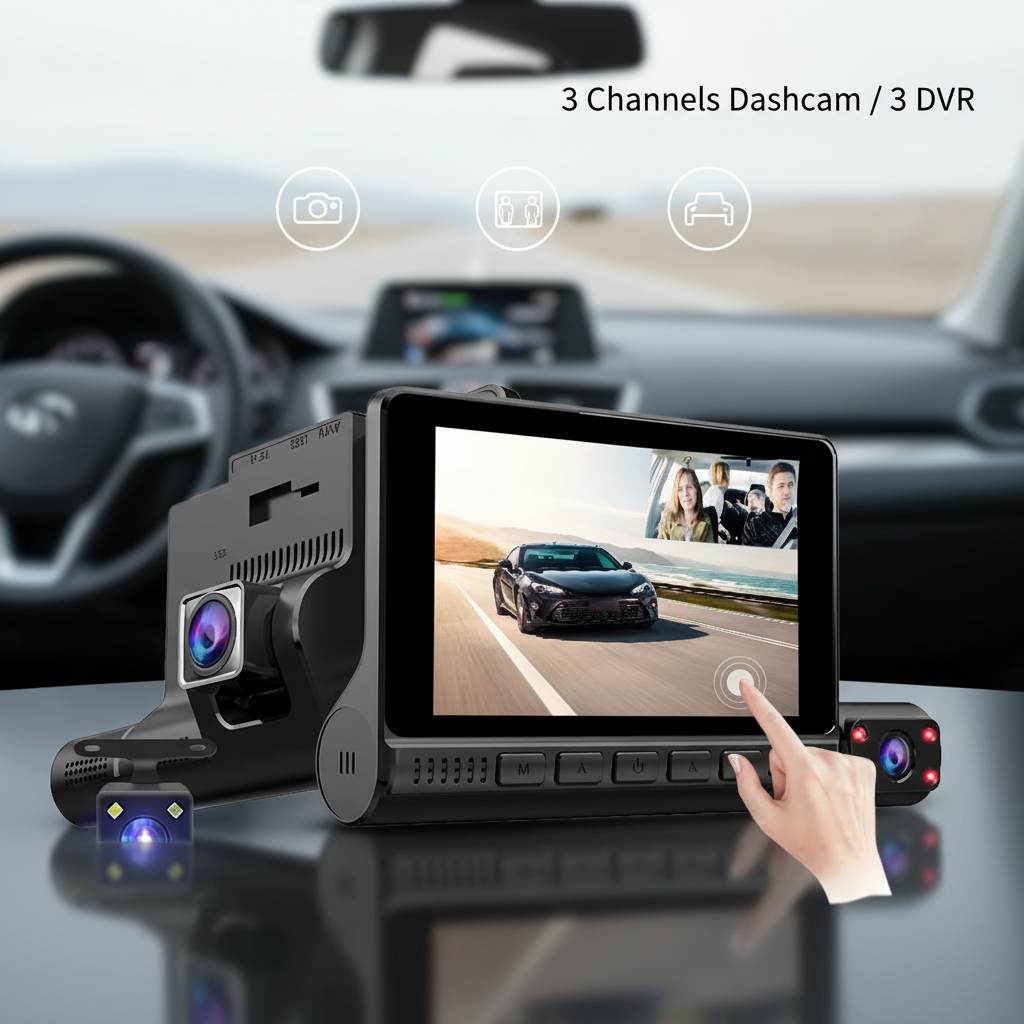
3 Channels Dashcam Car DVR 3 Cameras IPS 4.0 Inch HD Rear View Video Recorder
Triple-lens setup covering front, cabin, and rear. Features a 120° wide-angle dual lens system with loop recording and clear nighttime exposure optimization.
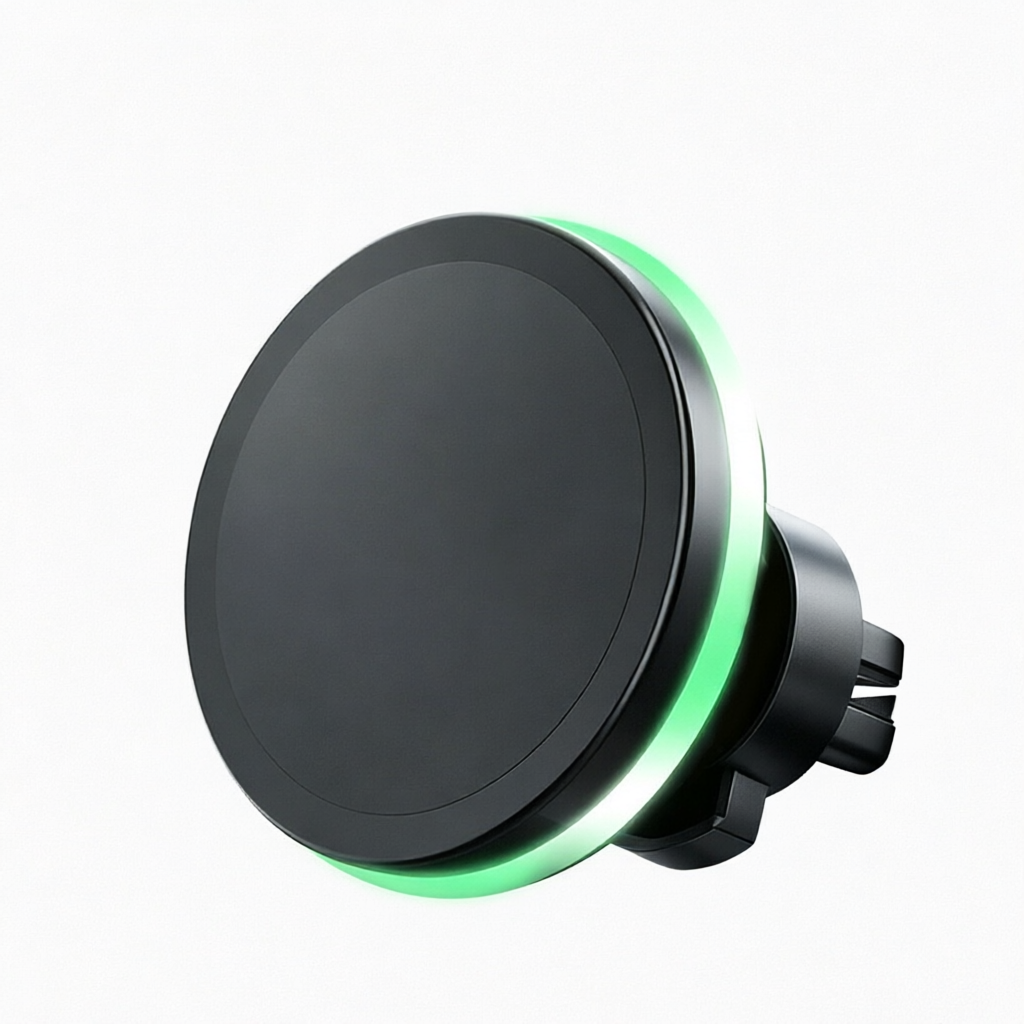
QC3.0 Magnetic Wireless Car Charger Mount for BMW, Mercedes, Tesla & Smart Devices
Fast-charging USB-C air vent mount compatible with premium vehicles. Engineered for thermal efficiency, firm magnetic hold, and seamless cockpit integration.
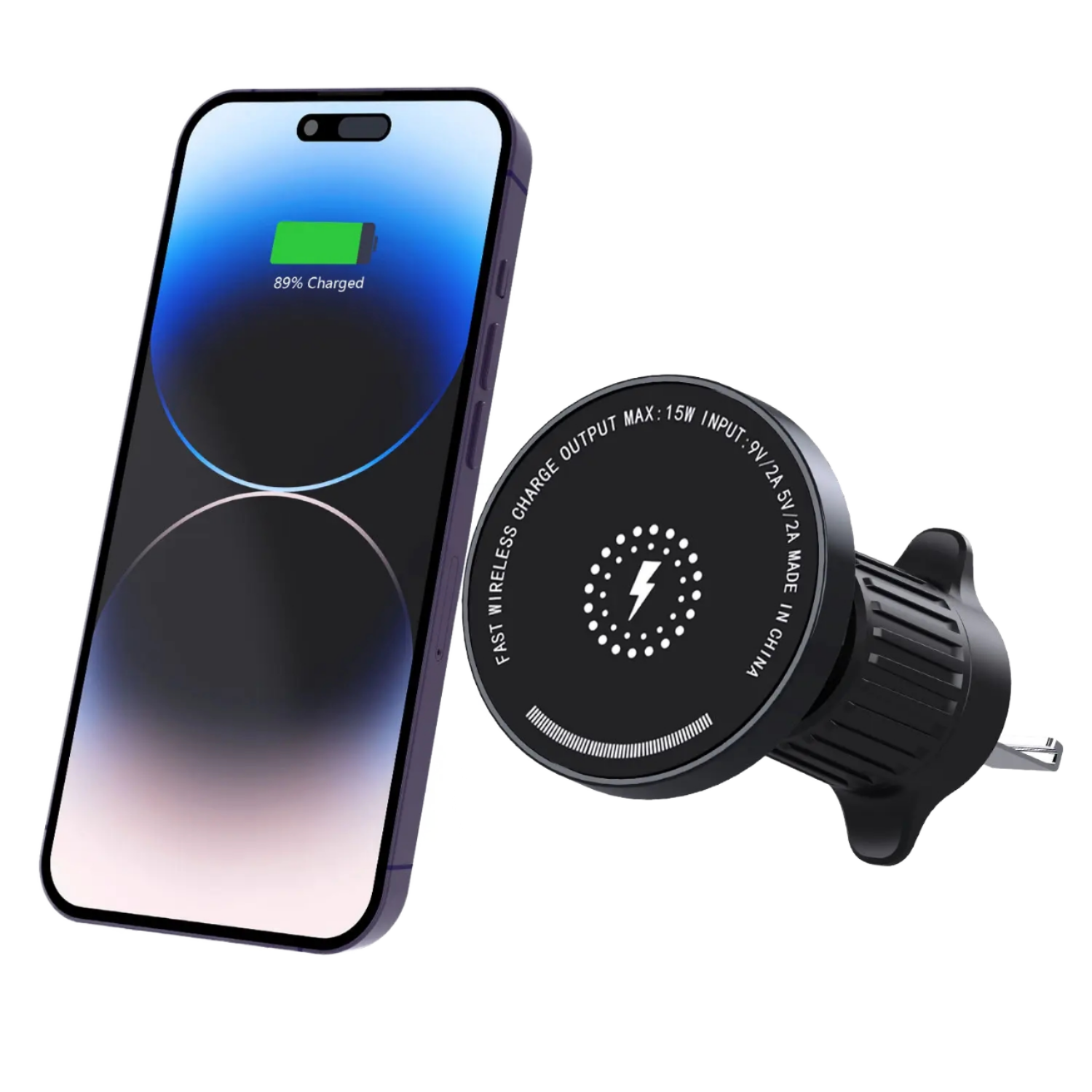
Strong Magnetic 15W Wireless Fast Charging Mount with 360-Degree Rotation
MagSafe-compatible 15W air vent holder with full 360-degree articulation. Built with high-grade N52 neodymium magnets for steady device positioning.
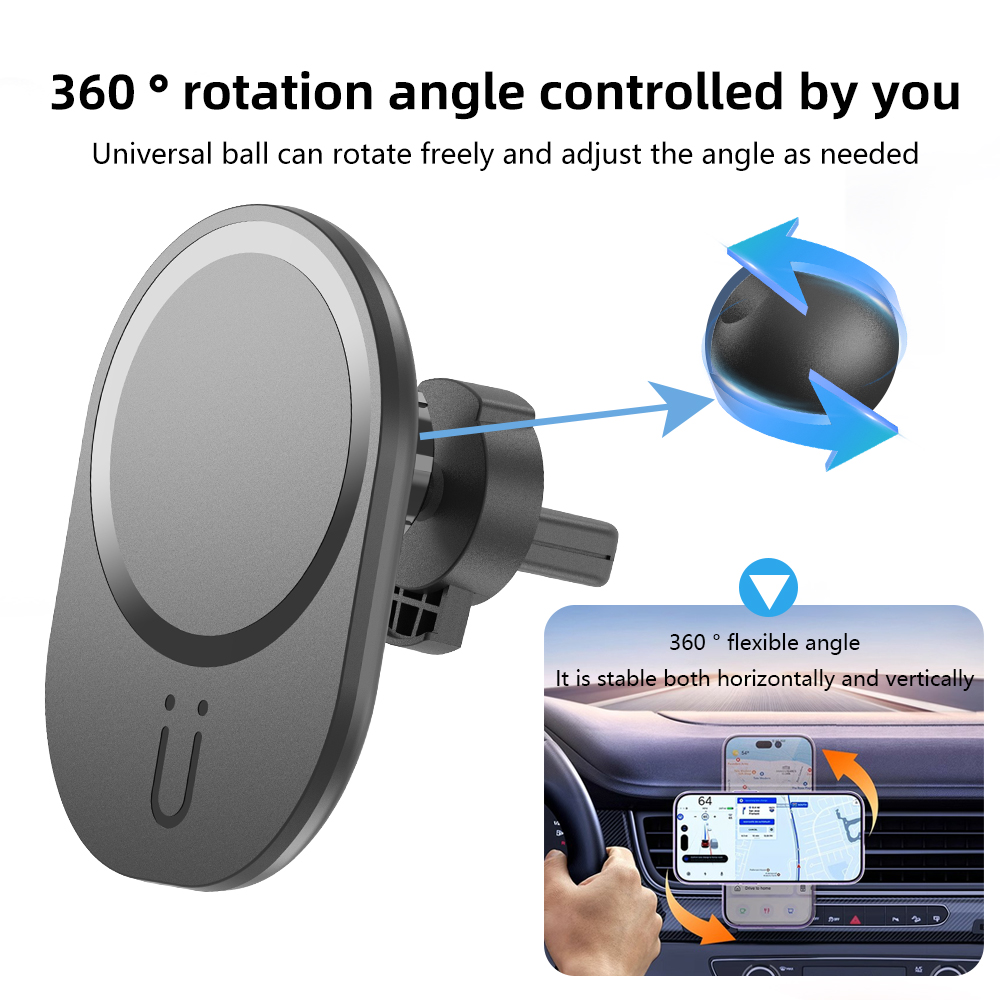
2026 Ultra Strong Magnetic Car Air Vent Wireless Charger 15W ABS Fast Pad
Durable ABS housing designed for optimized heat dissipation during fast charging cycles. Fully customizable for OEM/ODM brand identity.
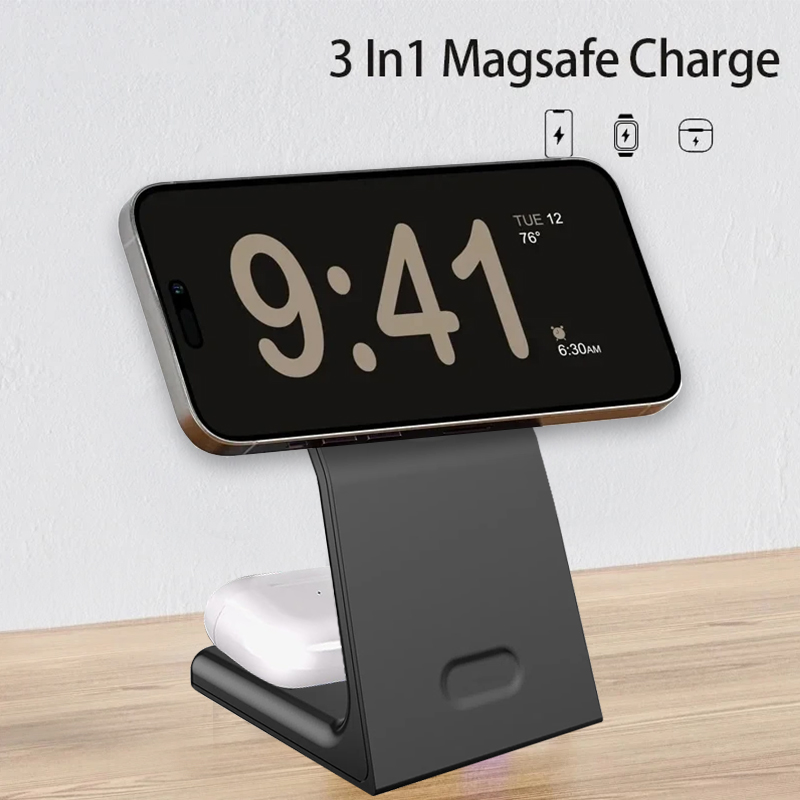
3-in-1 Magnetic Wireless Charging Station 15W Desktop Stand
Multi-device charging terminal for smartphones, smartwatches, and wireless earbuds. Designed with independent power delivery control ICs.
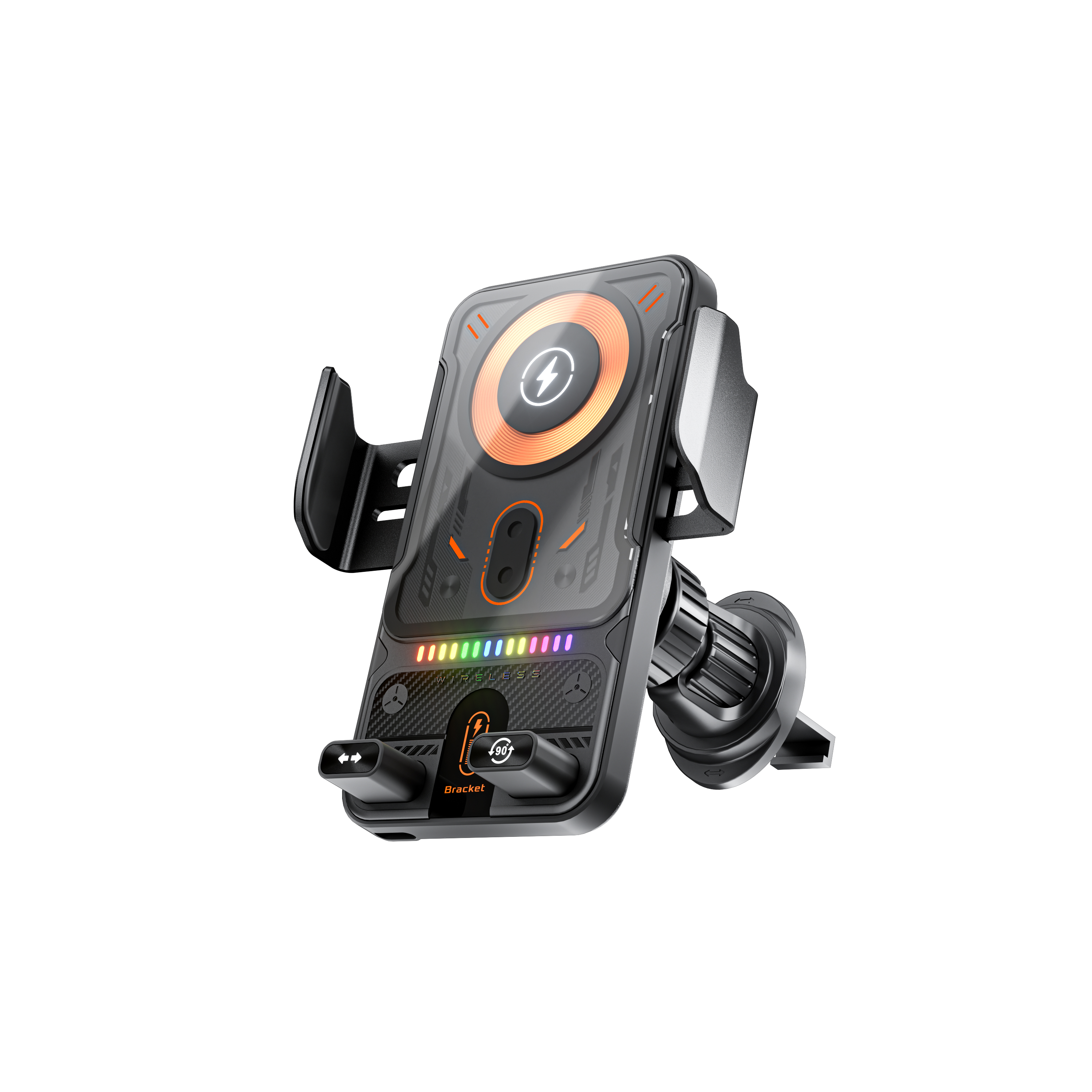
15W BMW-Compatible Magnetic Wireless Car Phone Holder Air Vent Mount
Precision-molded vent attachment engineered specifically for luxury European vehicle interiors. Ultra-fast Qi alignment and silent clip operation.
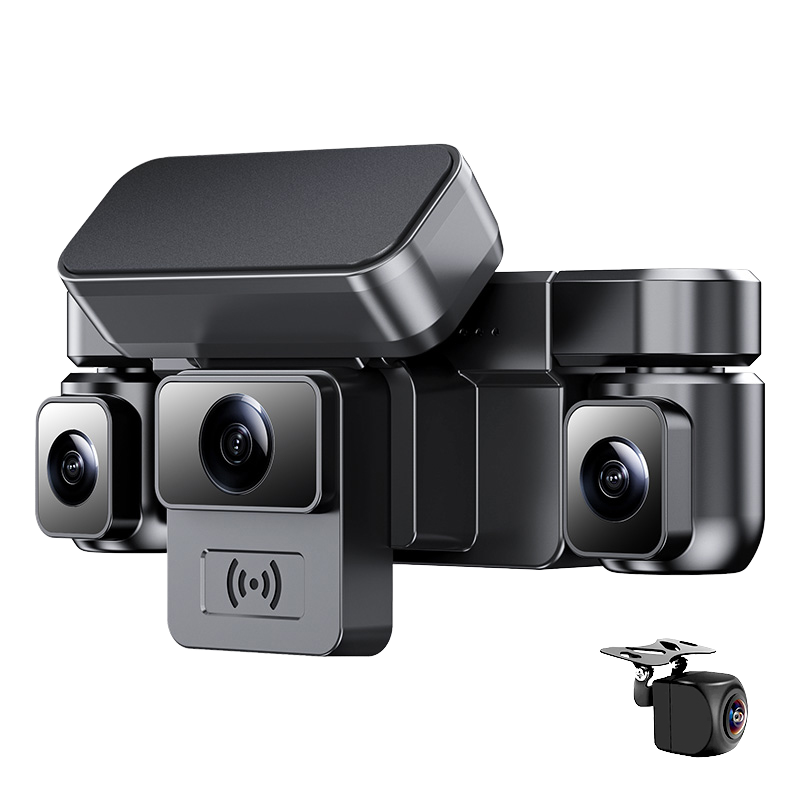
360° 3-Channel IPS Screen Dash Cam with 5G WiFi & 2K Night Vision
Next-generation panoramic DVR system with high-speed 5G WiFi app streaming, 2K front recording resolution, and universal vehicle compatibility.
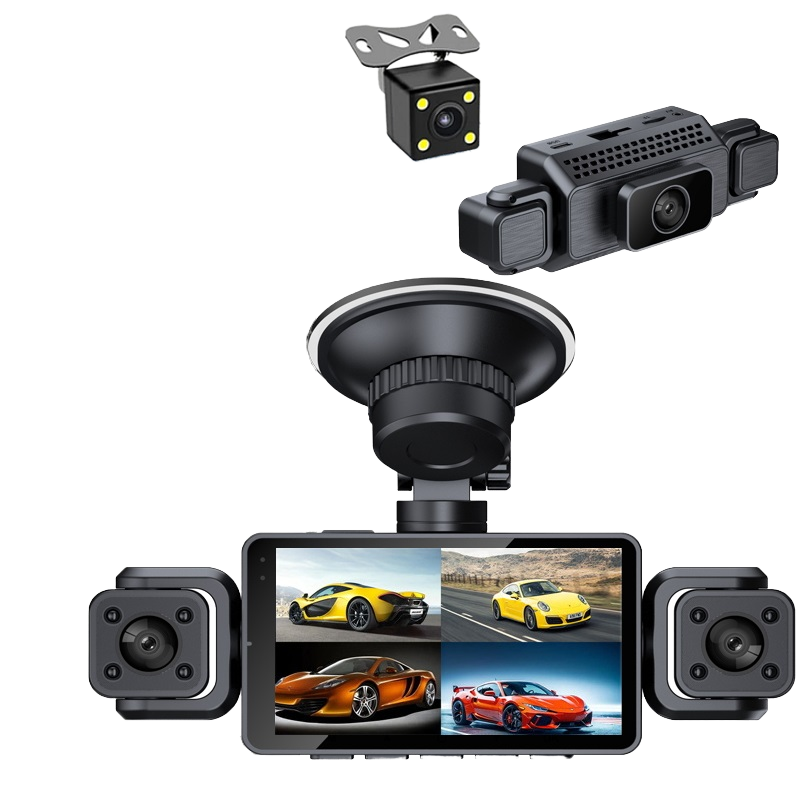
3-Inch 4-Camera Car Black Box 1080P HD 360° View with Built-in WiFi
Commercial-grade 4-channel monitoring black box. Integrates internal G-Sensor, night vision, multi-angle surveillance, and continuous loop saving.
Technical Comparison Matrix: Key Camera Parameters for B2B Sourcing
Understanding the engineering differences between standard consumer rear cameras and professional commercial-grade vehicle vision systems.
| Specification Feature | Consumer Grade Cameras | Commercial Fleet Grade | Enterprise OEM Benchmark (Jemrok Standard) |
|---|---|---|---|
| Image Sensor Tech | Standard 720P CMOS / CVBS | AHD 1080P / Starvis low-light | AHD 1080P / 2K Sony STARVIS Sensor |
| Operating Voltage | Fixed 12V Direct | 12V–24V Dynamic Range | Wide Voltage 9V–36V with Transient Protection |
| Ingress Protection | IP67 Rating | IP68 Waterproof | IP68 / IP69K Pressure-Wash Resistance |
| Low Light Sensitivity | 0.1 Lux (Requires InfraRed LEDs) | 0.01 Lux (Starlight Night Vision) | 0.001 Lux True Color Starlight Night Vision |
| Channel Interconnectivity | Single Front or Rear Channel | Dual (Front + Rear) | 3 to 4 Channels (Front, Cabin, Rear, Sides) |
| Wireless Transfer Protocol | None or 2.4GHz WiFi | 2.4GHz WiFi / App Link | Dual Band 5G WiFi + Low-Latency Bluetooth 5.0 |
Future Procurement & Sourcing Trends (2025–2030)
To maintain competitive margins and prevent stock obsolescence, automotive buyers must align inventory with incoming technical trends.
1. AI-Powered ISP & BSD Integration
Future backup camera hardware is integrating Image Signal Processors (ISP) directly with edge AI chips to run real-time Blind Spot Detection (BSD) and pedestrian detection algorithms directly on the camera unit without needing heavy external processing units.
2. Multi-Channel Synchronization (360° Architecture)
Market demand is moving rapidly away from single-channel rear views toward 3-channel and 4-channel panoramic black boxes. Systems that capture synchronized views (front, internal cabin, rear, and blind spots) are becoming essential for rideshare drivers and commercial fleets.
3. High-Bandwidth Wireless Offloading (5G WiFi)
Traditional 2.4GHz WiFi connections create bottlenecks when transferring large video files. Sourcing trends prioritize 5G WiFi modules that allow drivers and fleet operators to instantly stream and download high-bitrate 2K/4K footage via mobile apps.
Top 10 HD Backup Camera Suppliers & Wholesalers Overview
Evaluating the leading global manufacturers and supply hubs setting industry standards in production volume, R&D innovation, and global compliance.
When building an agile automotive supply chain, identifying partners who offer direct factory pricing combined with strong OEM flexibility is critical. Below is an overview of top global manufacturing entities and supply hubs specializing in vehicle cameras and car DVR systems:
- Jemrok Industrial Technology (Shenzhen) Co., Ltd. (China) – Recognized benchmark specialist in 3-channel, 360-degree, 2K WiFi dash cameras, streaming media mirror DVRs, and wide-voltage truck cameras with full OEM/ODM customization from low MOQs.
- Garmin Ltd. (USA / Global) – Premium consumer electronics supplier specializing in integrated GPS navigation and wireless backup camera modules for personal vehicles and RVs.
- Brigade Electronics (UK) – Global pioneer in heavy-duty commercial vehicle safety systems, vehicle CCTV, and reversing alarm integration.
- Thinkware (South Korea) – High-end dashboard camera manufacturer known for Advanced Driver Assistance Systems (ADAS) and high-density thermal management platforms.
- Rexing Inc. (USA) – Leading distributor and wholesaler of discrete dash cams and rear backup monitoring setups for automotive retail channels.
- VIOFO (China) – Popular e-commerce tier supplier known for high-definition multi-channel video recorders using Sony STARVIS image sensors.
- Rear View Safety (Safe Fleet) (USA) – Premier commercial fleet supplier specializing in heavy-duty backup camera systems, ambulance safety, and bus monitoring.
- Stoneridge Electronics (Sweden) – Automotive OEM tier-1 manufacturer delivering digital driver information systems and rear-view mirror displays.
- Luview Co., Ltd. (China) – Commercial vehicle camera manufacturer focusing on heavy-duty truck reversing monitors and auto-shutter camera setups.
- EchoMaster (AAMP Global) (USA) – Comprehensive safety electronics brand catering to aftermarket installers and automotive dealership networks.
Benchmark OEM Partner: Jemrok Industrial Technology
Unlike generalist trading firms, Jemrok Industrial Technology (Shenzhen) Co., Ltd. is a dedicated manufacturer exclusively focused on the research, design, and production of vehicle safety camera solutions. Operating out of a 1,500 m² modern Shenzhen manufacturing center, Jemrok produces 300,000 to 500,000 units annually across multi-channel dash cams, mirror recorders, and wide-voltage commercial cameras.
Core Factory Capabilities & Supply Advantages:
- 6+ Years Focused R&D: Specialized engineering team dedicated to thermal management, night-vision ISP tuning, and firmware customization.
- Low OEM/ODM Entry Threshold: Custom branding, logo printing, customized firmware boot screens, and tailored retail packaging starting from just 50 sets.
- International Regulatory Compliance: Full factory compliance with CE, FCC, and RoHS standards to guarantee smooth customs clearance in Europe and North America.
- Full Vehicle Safety Scope: Comprehensive product architectures engineered to secure driving, reversing, and parking operations.
Frequently Asked Questions (FAQ) for B2B Importers & Buyers
What is the minimum order quantity (MOQ) for custom OEM dash camera branding?
Customized OEM and ODM orders (including customized packaging, logo laser engraving, boot screen installation, and firmware tweaking) start from a low MOQ of 50 sets. For quality testing and sample evaluation, standard in-stock models can be sampled starting from 2 units.
How do wide-voltage requirements differ between passenger cars and commercial fleets?
Standard passenger cars operate on a simple 12V DC system. However, commercial trucks, buses, trailers, and agricultural machinery experience voltage spikes and run on 24V networks. Commercial-grade backup cameras must feature 12V–24V (or up to 36V wide-voltage input) modules with built-in transient voltage suppression (TVS) to prevent motherboard burnout.
Which international certifications are mandatory for importing vehicle cameras into Western markets?
To sell legally in the European Union and North America, products must comply with CE, FCC, and RoHS directives. For specific automotive OE installations, E-Mark (ECE regulation) compliance or ISO7637-2 surge compliance may be required depending on the target distribution channel.
What design factors prevent camera condensation and water leakage?
External backup cameras require IP68 or IP69K ingress protection ratings. High-reliability factories utilize automated glue-filling processes (potting), silicone sealing gaskets, and nitrogen-purged lens assembly chambers to eliminate internal fogging caused by extreme thermal shifts.
How should buyers choose between 1-channel, 2-channel, 3-channel, and 4-channel setups?
1-channel and 2-channel setups (Front/Rear) serve consumer aftermarket channels well. 3-channel units (Front, Cabin, Rear) are the fastest-growing sector for ride-share (Uber/Lyft) and taxi applications. 4-channel and 360-degree black box systems are optimal for commercial trucks and fleet logistics requiring complete side and blind-spot recording.
Partner with a Certified HD Backup Camera Factory
Consult with our engineering team to request customized pricing, request samples, or initiate custom OEM/ODM development.
Contact Us