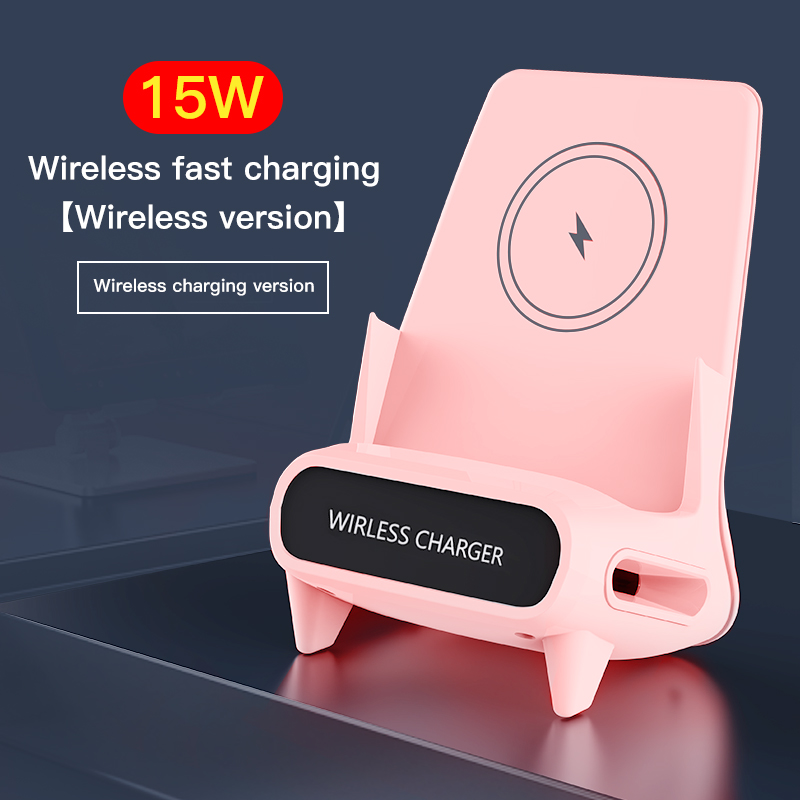
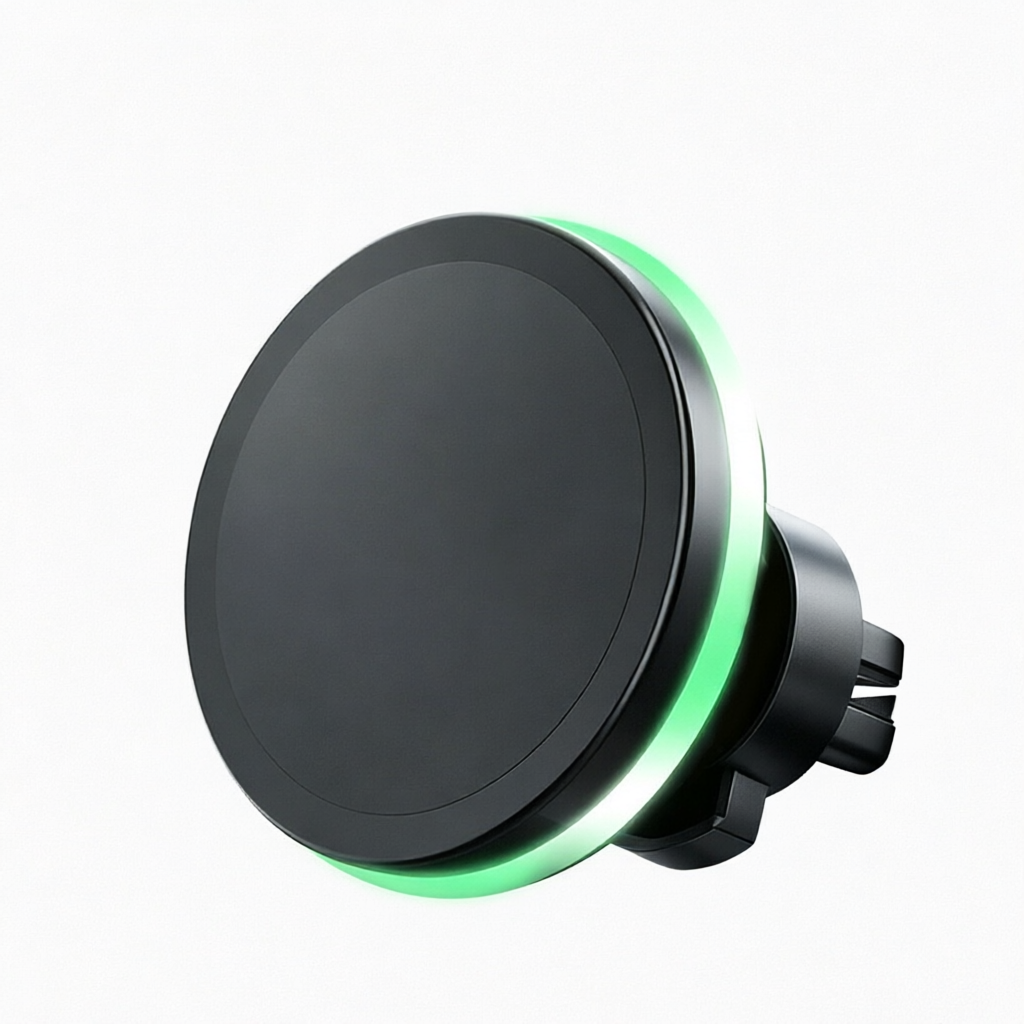
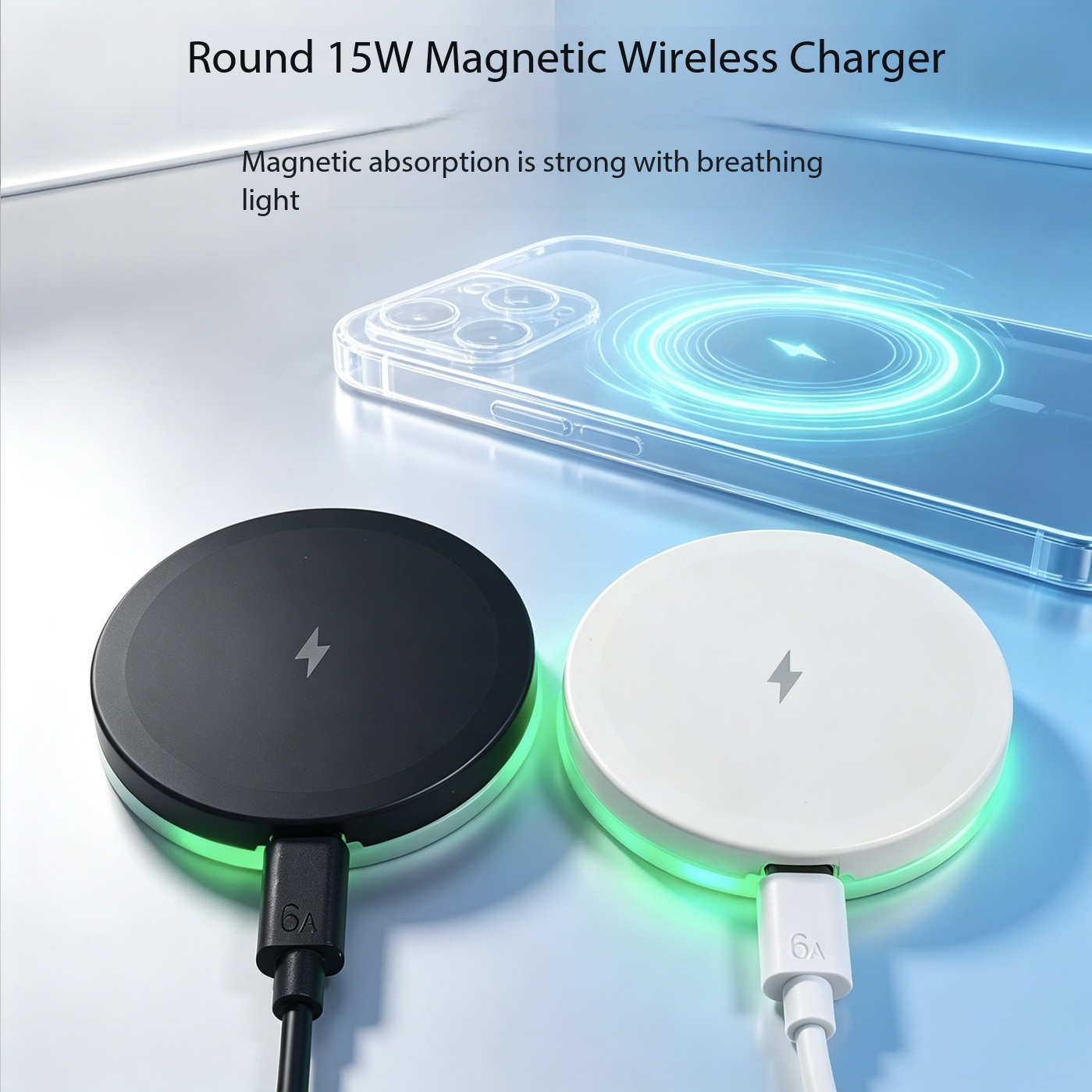
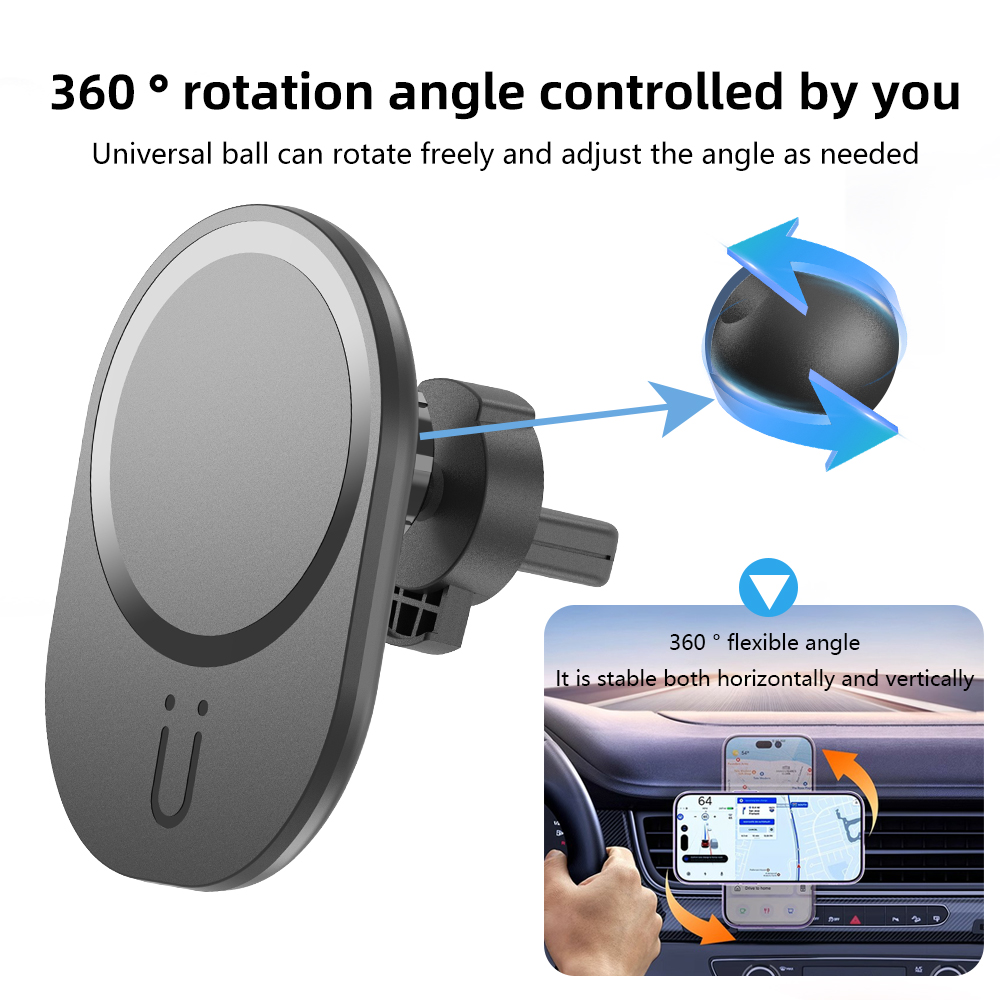
Newest 15W Magnetic Wireless Charger & Phone Tablet Holder Desk Stand Chair Wireless Charger Wholesale
- 15W Fast Charge
- Dual Magnetic
- Universal Desk Stand
Industrial-grade automotive vision hardware built for high-reliability OEM/ODM deployments worldwide.
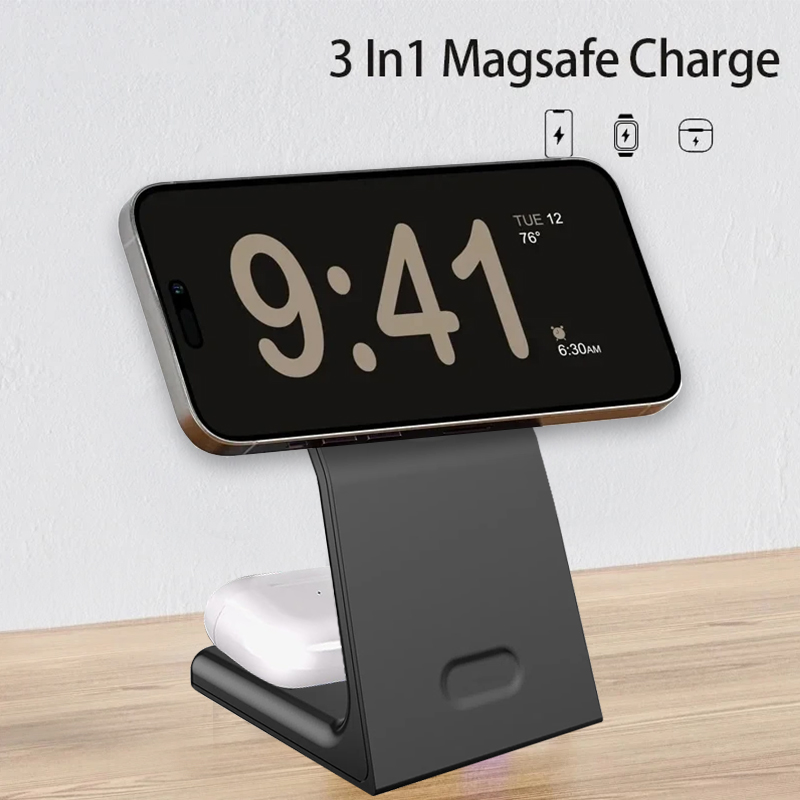

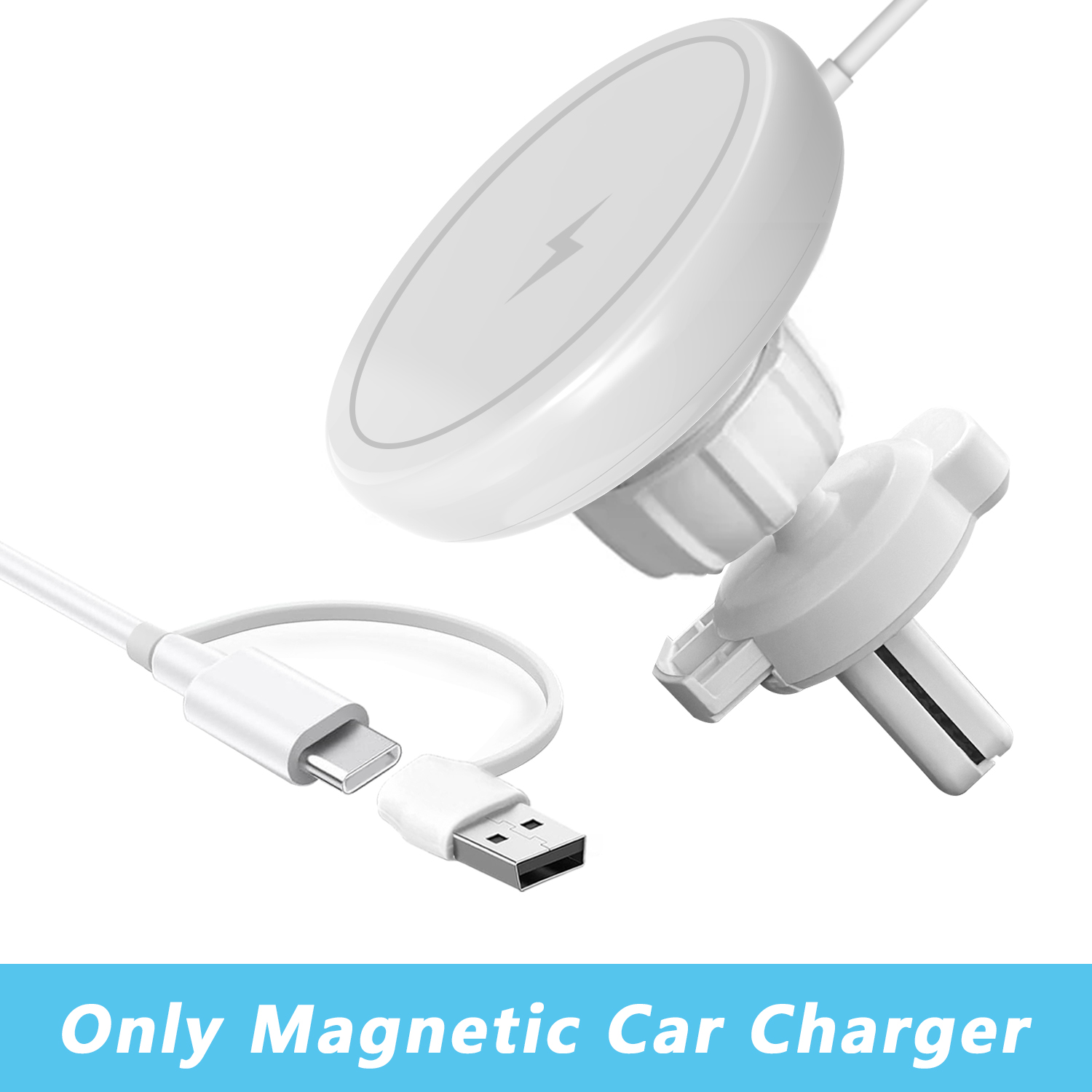
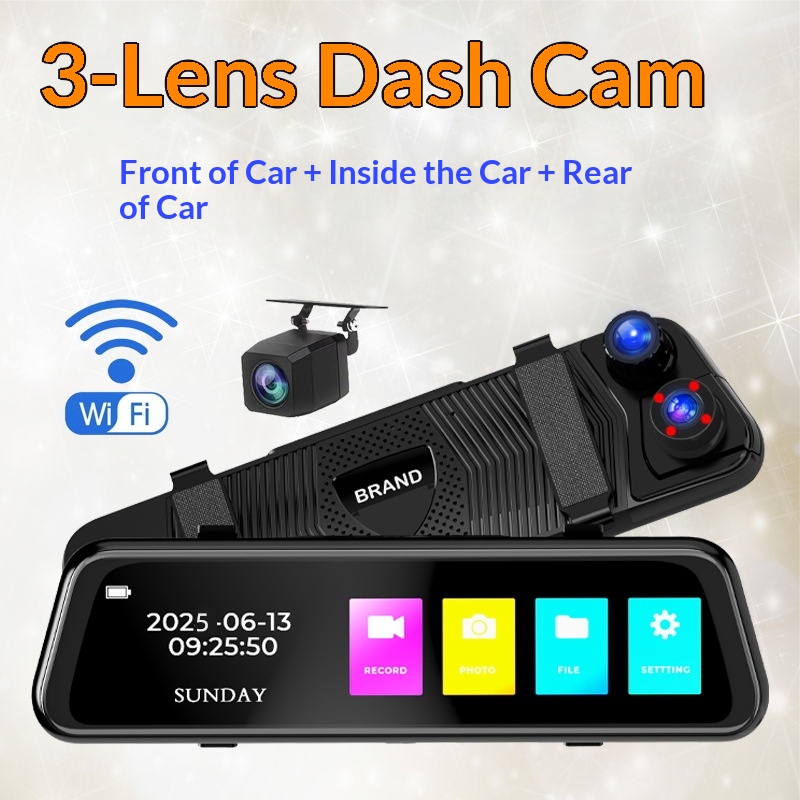
Combining Shenzhen's electronic supply chain dominance with rigorous international automotive manufacturing standards.
Backed by 6+ years of focused automotive vision R&D, Jemrok Industrial Technology (Shenzhen) Co., Ltd. maintains a specialized engineering team of 5 to 10 hardware and firmware specialists. We control the complete developmental pipeline from PCB schematic architecture to lens ISP tuning and dynamic trajectory algorithms.
Operating from a 1,500 m² state-of-the-art Shenzhen manufacturing facility, our automated assembly and SMT lines deliver an annual capacity ranging between 300,000 to 500,000 units. Every camera module undergoes high-temperature burn-in testing, waterproofing vacuum submersion tests, and vibration simulations.
Empowering tier-1 distributors, Amazon sellers, and commercial fleet managers, we offer accessible custom branding with an industry-leading OEM MOQ of just 50 sets. Full international regulatory compliance—including CE, FCC, and RoHS certifications—guarantees seamless customs clearance and global market penetration.
A comprehensive technical deep dive into optical sensors, signal transmission, and environmental sealing for automotive procurement buyers.
Vehicle reversing safety has evolved from a luxury option into a mandatory global regulatory requirement. Governed by international mandates such as the FMVSS 111 (Federal Motor Vehicle Safety Standards) in North America and UN ECE R158 in Europe, commercial and passenger light vehicles must be equipped with rear visibility systems capable of eliminating blind spots behind the rear bumper.
As a specialized OEM/ODM manufacturer, Jemrok designs reversing aid cameras that exceed basic compliance. Modern reversing assistance relies on precise integration between high-resolution optical sensors, low-latency image signal processors (ISP), and wide-angle optical lens stacks engineered to maintain geometric distortion under control. Eliminating rear blind spots reduces low-speed backing accidents by over 78% in commercial delivery vans, passenger SUVs, and heavy-duty trucks.
The core performance of any vehicle camera depends on its Image Sensor and Image Signal Processor (ISP) pairing. Conventional consumer-grade CMOS sensors fail under extreme automotive lighting conditions, such as direct headlight flare or total night darkness.
Achieving a wide Field of View (FOV) without severe fisheye warping is a fundamental optical engineering challenge. Standard cheap reversing cameras use plastic lenses (2P or 3P) that yellow, fog, and warp over time due to UV exposure and engine heat.
Jemrok reversing cameras utilize a Full-Glass Lens Assembly (6G / 6-Layer All-Glass) featuring an IR-Cut Filter coated with anti-reflective nano-layers. With a wide optical aperture of F/1.8 to F/1.2, these lens modules capture 170° horizontal FOV coverage while utilizing internal optical glass geometry to minimize barrel distortion. This ensures drivers perceive actual object distance during tight parking maneuvers.
Reversing aid cameras operate under harsh external automotive environments—exposed to high-pressure hot water washdowns, road salt corrosion, shock vibrations, and temperature swings ranging from -30°C to +85°C.
To prevent moisture ingress and internal lens fogging, Jemrok employs a multi-tier sealing protocol. Camera housings are constructed from die-cast zinc-aluminum alloys or automotive-grade ABS/PC blends. Internal PCBA boards are encased using automated epoxy potting techniques, and housing joints utilize high-durability silicone O-rings. Our flagship commercial vehicle cameras achieve an IP69K rating, resisting direct 100-bar high-pressure steam cleaning jets.
Key technological shifts that global wholesalers, importers, and fleet operators must anticipate for 2025–2030 sourcing strategies.
Future reversing aid cameras are evolving from passive display tools into active hazard detection sensors. Next-generation ODM cameras incorporate embedded Neural Processing Units (NPUs) capable of running real-time AI Pedestrian Detection (PD) and Blind Spot Detection (BSD) algorithms. The camera locally identifies human shapes and moving objects behind the vehicle, triggering visual and acoustic cab alerts without requiring an expensive external AI controller box.
Commercial trailer and RV reversing assistance is transitioning rapidly from wired harnesses to encrypted 2.4GHz / 5.8GHz digital wireless transmission and high-speed Wi-Fi 6 streaming. Wholesale buyers are seeking digital wireless backup camera systems that pair seamlessly with smartphone apps or high-definition streaming media rearview mirrors, dramatically cutting installation labor costs for end consumers.
To streamline inventory logistics, commercial fleet procurement demands universal voltage architecture. Modern OEM reversing camera modules must support 9V–36V wide DC voltage input featuring built-in power surge protection, reverse polarity safeguards, and load dump protection. Modular mounting brackets (license plate frames, flush-mount, surface-mount butterfly brackets) enable one single PCBA platform to cover multiple auto brands.
Expert answers addressing MOQ, customization options, testing standards, and order fulfillment processes.
For standard customized OEM orders (such as silk-screen logo printing, custom startup screens, specialized user manuals, and customized retail color box packaging), our MOQ starts at just 50 sets. For deep ODM hardware or housing mold development, MOQ targets depend on plastic/metal tooling requirements, typically starting at 500 to 1,000 units. Sample evaluation orders are supported from 2 units.
We support all global automotive aftermarket and factory monitor standards. Our cameras can be configured for AHD 1080P (25fps/30fps), AHD 720P, HD-TVI, HD-CVI, and traditional CVBS (NTSC/PAL) outputs. Connector options include standard RCA connectors, 4-Pin Aviation DIN connectors for heavy commercial vehicles, BMW-style 4-pin mini connectors, and custom harness connectors compatible with Android head units.
Jemrok enforces a 100% multi-stage quality control workflow. Every individual camera module undergoes automated optical alignment (AOI), 12-hour high/low temperature operational burn-in, salt-spray anti-corrosion exposure, and 100% vacuum pressure underwater immersion testing to verify IP68/IP69K sealing before entering final assembly packaging.
Standard product samples are dispatched within 1 to 3 business days. Custom OEM sample prototypes featuring branded firmware and logo printing take approximately 5 to 7 working days. Bulk production orders (1,000 to 10,000 units) are completed within 15 to 21 business days, backed by our 500,000 unit annual production capacity.
Yes. All Jemrok vehicle cameras, dash cams, and wireless car chargers are manufactured in strict compliance with international standards. We provide complete testing documentation for CE, FCC, RoHS, and E-Mark requirements, allowing global importers and brand owners to sell legally across Europe, North America, Australia, and Asia.
Partner directly with Shenzhen's premier OEM/ODM reversing camera manufacturer. Get factory-direct pricing, complete customization support, and rapid global delivery within 1 hour response time.
Get a Quote