5G WiFi / 2K
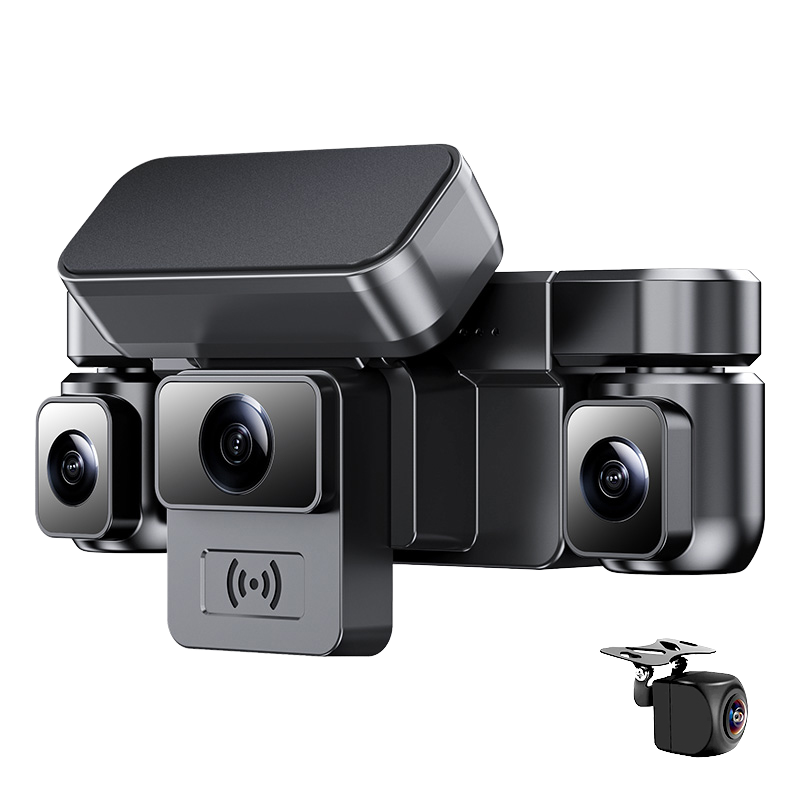
360 Degree 3 Channel IPS Screen Dash Cam 5G WiFi 2K Night Vision Video Recorder
3-Channel Optics
5G WiFi App
Loop Record
Engineered for global importers, automotive electronics brand owners, and fleet contractors. Verified CE, FCC, and RoHS compliant models direct from our Shenzhen manufacturing plant.
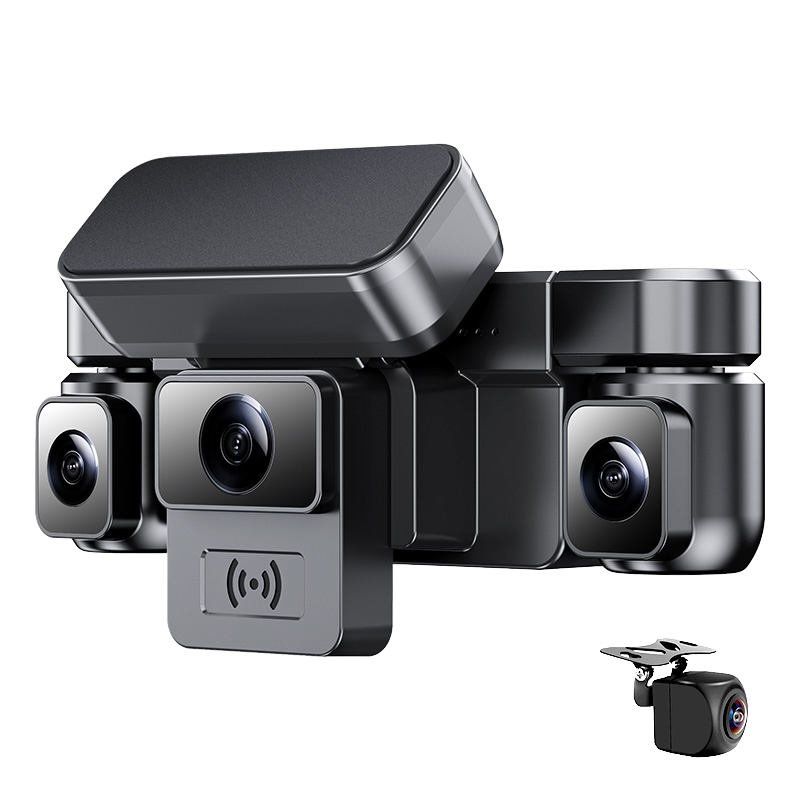
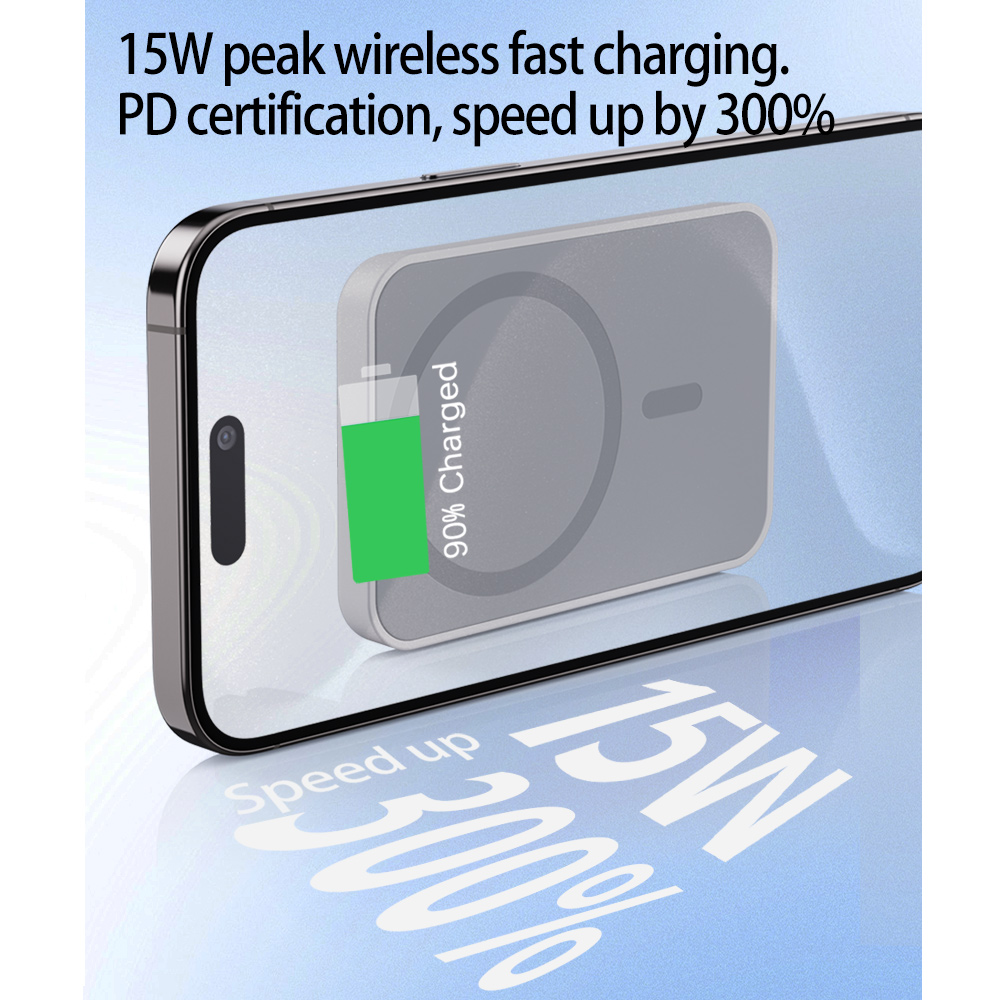
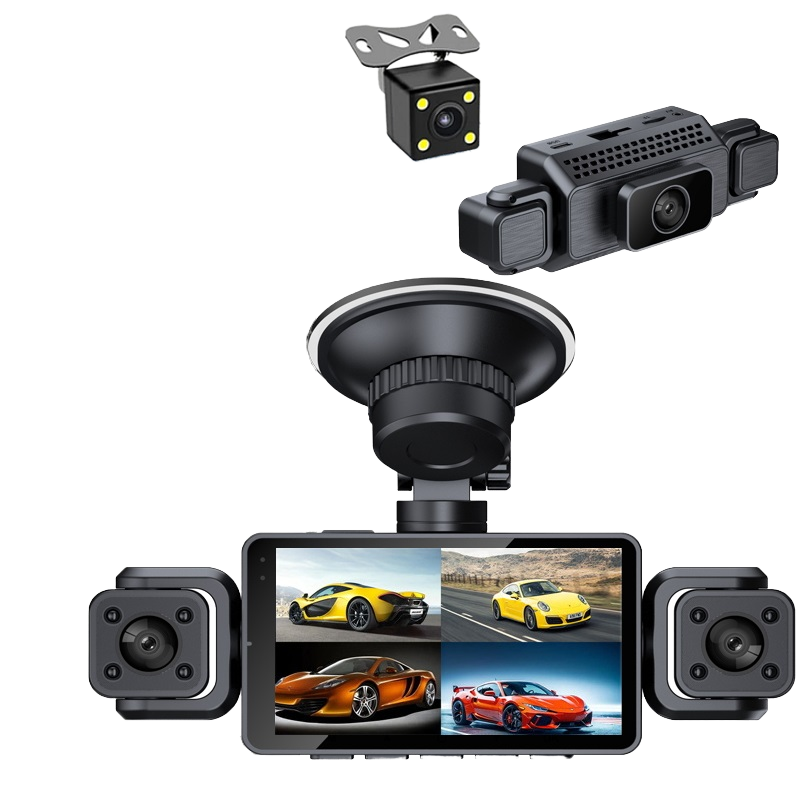
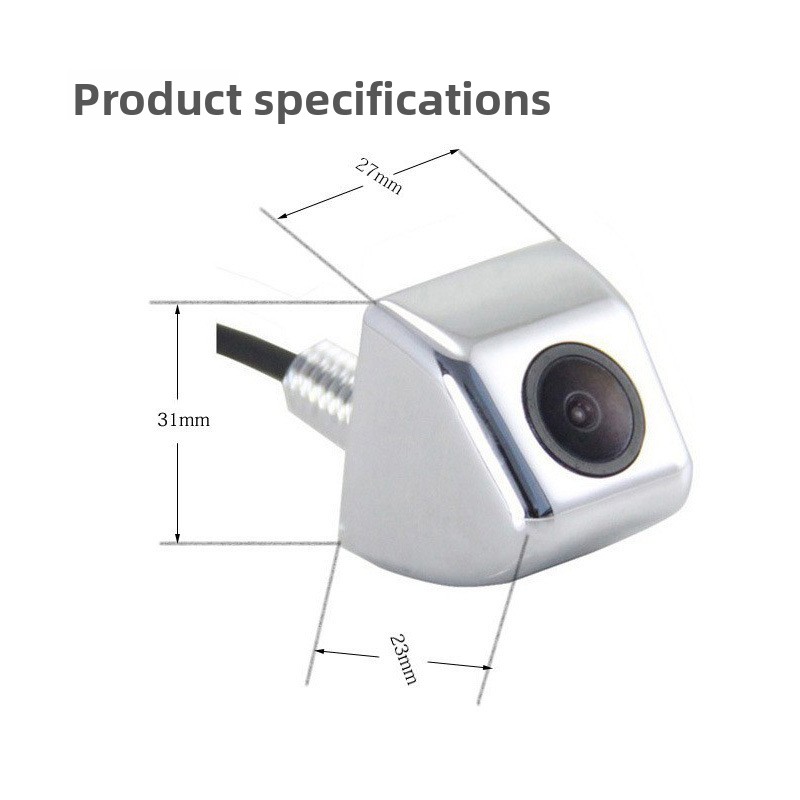
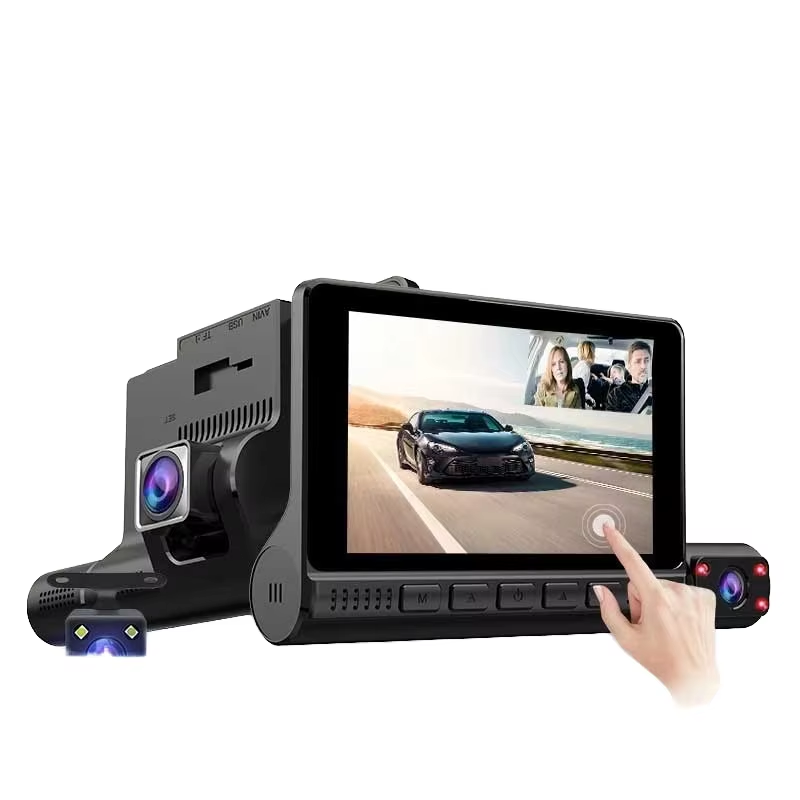
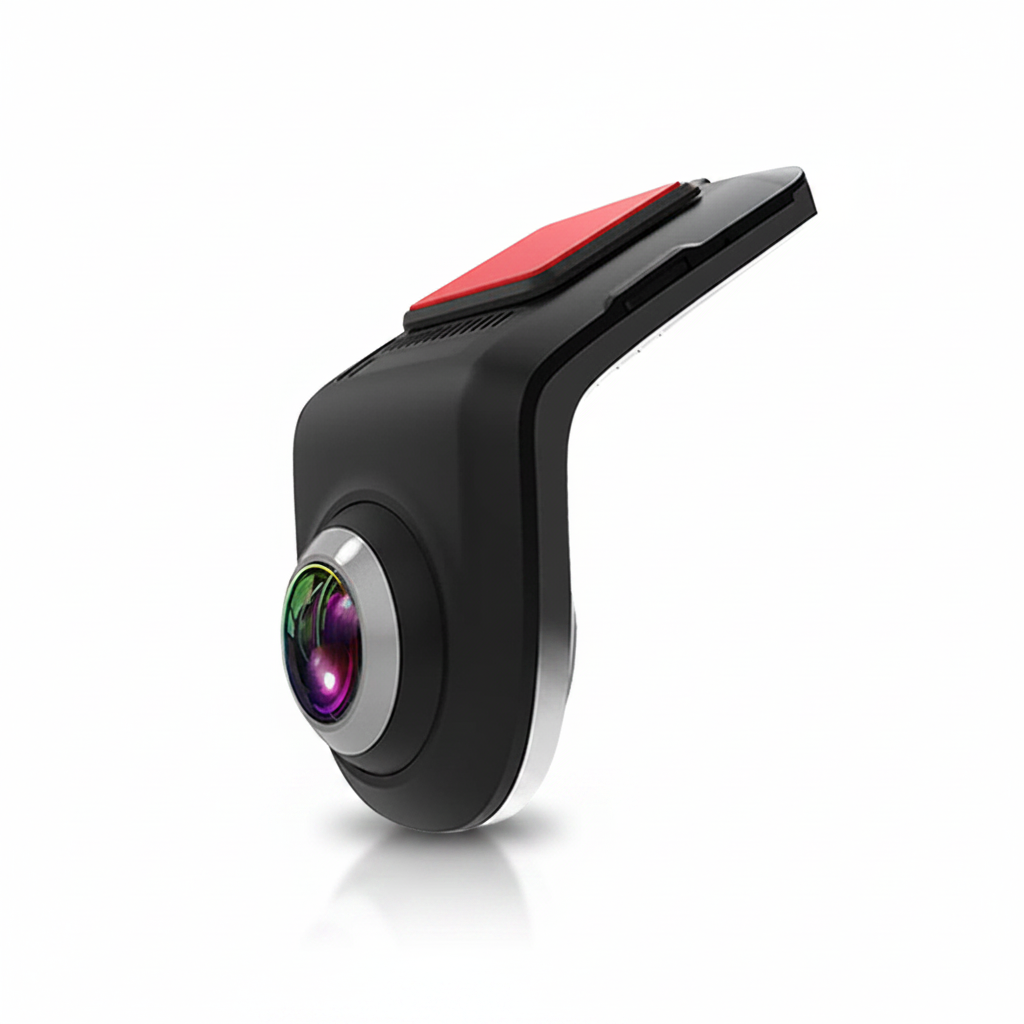
An authoritative technical analysis of automotive-grade image sensors, signal transmission, optical housing design, and quality standards for commercial and passenger vehicle integration.
Modern vehicle safety frameworks have transitioned rear-view optical sensors from simple luxury add-ons into mandatory, life-saving safety subsystems. As international mandates such as the US NHTSA rear-visibility ruling, European Union ECE R158 blind-spot regulations, and global NCAP rating standards enforce strict visibility requirements, the engineering complexity of car rear view cameras, backup sensors, and vehicle black boxes has increased dramatically.
For over two decades, Standard Definition Composite Video Blanking and Sync (CVBS) served as the primary signal standard for reversing cameras. However, CVBS is strictly limited to 480i or 576i resolution, suffering from cross-color interference, phase jitter, and severe degradation over extended cable lengths (such as those required in trucks, buses, and trailers).
Our OEM/ODM manufacturing facility at Jemrok Industrial Technology (Shenzhen) Co., Ltd. has spearheaded the shift toward high-definition automotive signal protocols:
The performance of a car rear camera under nighttime glare, wet asphalt, or pitch-black parking conditions is governed by optical sensor architecture and lens geometry. At Jemrok, our R&D engineers specify multi-layer full-glass lens configurations (6G / 4G1P) paired with premium CMOS sensors (including Sony STARVIS IMX series and SmartSens night vision chips).
Unlike low-cost plastic (PMMA) lenses that warp under cabin heat or yellow over prolonged UV exposure, 6-Layer All-Glass Optical Assemblies preserve precise focal lengths across temperature extremes from -40°C to +85°C. Combined with a large physical aperture (F1.6 to F1.8), our cameras maximize light throughput, delivering crisp night vision even when illuminated solely by the vehicle's reverse lamps.
A primary failure point in aftermarket and low-cost OEM reversing cameras is optical focus drift caused by thermal expansion of plastic lens barrels, alongside internal lens fogging. Jemrok resolves this through high-precision die-cast aluminum sensor housings, aerospace-grade thermal silica paste, and dual O-ring hermetic sealing pressurized with dry nitrogen gas. This guarantees 100% condensation-free optical stability under high-pressure hot-water washdowns (IP69K rated).
How next-generation optical hardware, embedded AI processing, smart power protection, and multi-channel synchronization are reshaping the vehicle safety landscape.
Transitioning from standard HDR to dual-gain Starlight WDR sensors (120dB+). This enables crystal-clear license plate recognition at night while preventing washing out when direct high-beam headlights hit the camera lens.
Modern rear cameras no longer just display video—they process it on-board. Micro AI NPU chips run real-time pedestrian and vehicle detection (BSD algorithms), warning drivers visually and audibly of imminent rear collisions.
Industrial commercial vehicles demand cameras built to withstand aggressive pressure washing and road salt. Precision automated dispensing seals alloy enclosures, securing IP68/IP69K compliance against high-pressure steam jets.
Integration of 5GHz high-speed Wi-Fi modules inside triple-channel and quad-channel dash cams allows instant downloading of high-bitrate 2K/4K emergency footage directly to smartphone apps and fleet management platforms.
Heavy trucks and buses operate on dynamic 12V–24V (up to 36V peak) electrical systems. Advanced buck-boost power modules with load dump surge protection safeguard internal camera boards from electrical spikes and thermal burnout.
Low-power timelapse recording synchronized with vehicle CAN-bus signals ensures seamless transition from driving mode to parking guard mode, preserving vehicle battery health while recording around-the-clock incident evidence.
Strategic guidance for sourcing managers, distributors, and OEM buyers navigating supply chain shifts, certification standards, and product differentiation.
As global automotive supply chains demand higher agility, shorter development cycles, and stricter compliance, B2B procurement strategies for car rear cameras and vehicle black boxes are undergoing pivotal shifts. Sourcing directors must align with factories capable of delivering technological modularity and reliable compliance.
Single rear-view cameras are increasingly being replaced by consolidated 3-channel and 4-channel monitoring hubs (covering Front 2K, Interior Cabin IR, Rear AHD, and Side Blind Spots). Buyers prefer unified supplier architectures that eliminate signal compatibility issues, minimize harness clutter, and lower total landed costs.
The rise of specialized e-commerce brands, localized automotive installers, and niche commercial fleets has driven demand for flexible OEM production. Sourcing partners require low initial minimum order quantities (starting from 50 sets for private labeling) to validate market fit before scaling up to mass production runs of thousands of units.
Western markets require comprehensive certification validation prior to import clearing. Professional exporters must provide fully verified CE, FCC, and RoHS test reports alongside ISO-aligned manufacturing quality controls. Importers are turning away from unverified trading brokers in favor of audited source factories with physical SMT lines and in-house environmental test chambers.
Based in Shenzhen, China, Jemrok Industrial Technology Co., Ltd. is a specialized OEM/ODM manufacturer dedicated exclusively to vehicle vision systems, car DVRs, and reversing safety cameras.
From silk-screen logo printing, silk packaging box design, customized firmware boot animations, and app language localization to complete housing mold creation and chip platform adaptation.
Every unit undergoes strict automated optical alignment, vibration shock testing, 24-hour high/low temperature burn-in (-40°C to +85°C), and 100% IP68/IP69K water submersion testing prior to packing.
Our experienced R&D team (spanning 5–10 senior firmware, optical, and mechanical engineers) provides direct technical documentation, SDK integration, and rapid prototype turnaround within 7–10 days.
Answers to common operational, compliance, engineering, and logistics questions from professional automotive electronics buyers.
Contact Jemrok Industrial Technology today to request full wholesale price lists, product specification sheets, or custom OEM project quotes. Our engineering team responds within 1 hour.