Featured OEM/ODM Vehicle Vision Solutions & Accessories
Explore our factory-direct OEM/ODM electronics catalog, engineered for B2B importers, automotive aftermarket distributors, fleet operators, and global brand owners. Each solution features robust hardware engineering, CE/FCC/RoHS compliance, and scalable customization options.
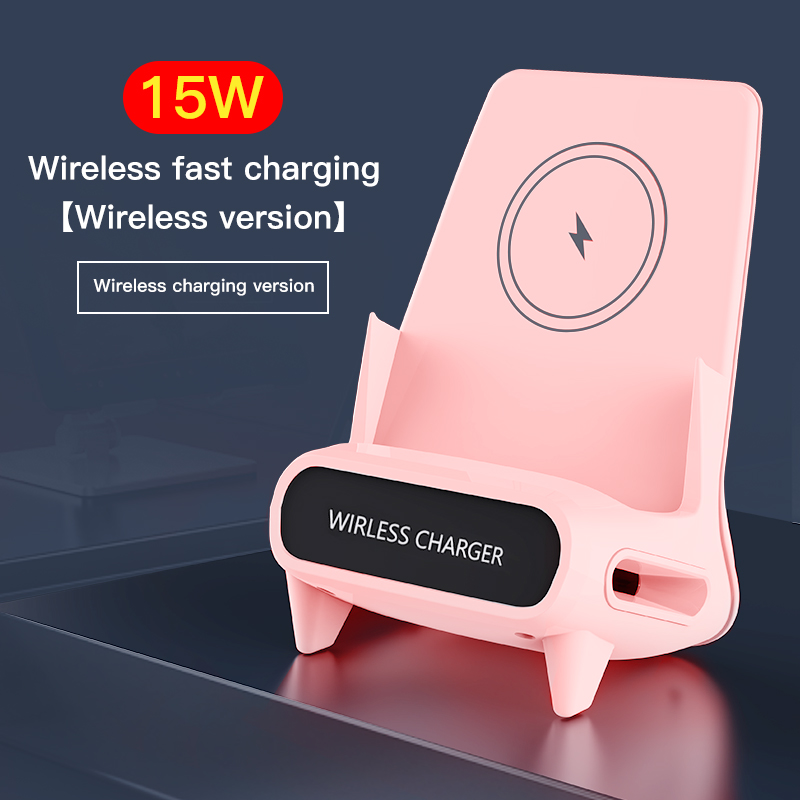
Newest 15W Magnetic Wireless Charger & Phone Tablet Holder Desk Stand Chair Wireless Charger Wholesale
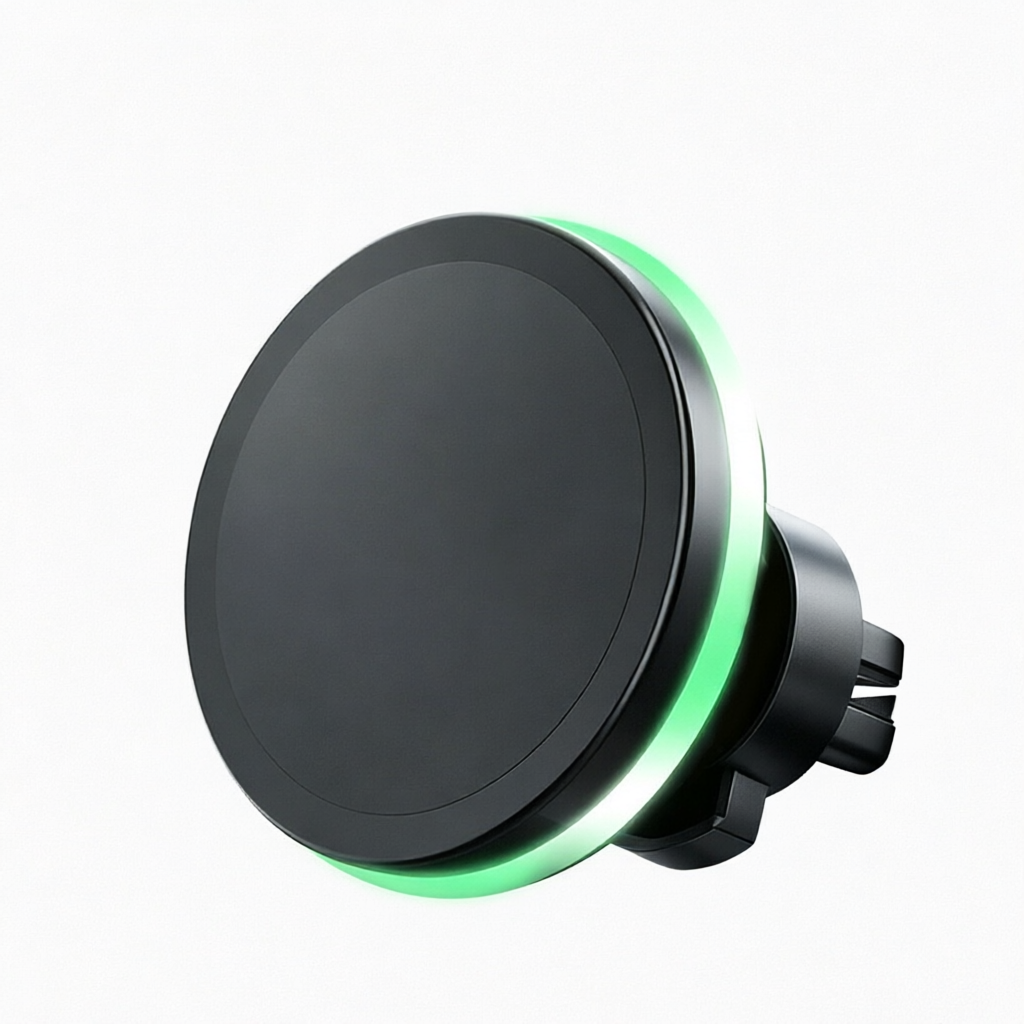
QC3.0 Magnetic Wireless Car Charger Mount Compatible with BMW, Mercedes and Tesla USB-C Stand for iPhone Samsung Galaxy Android
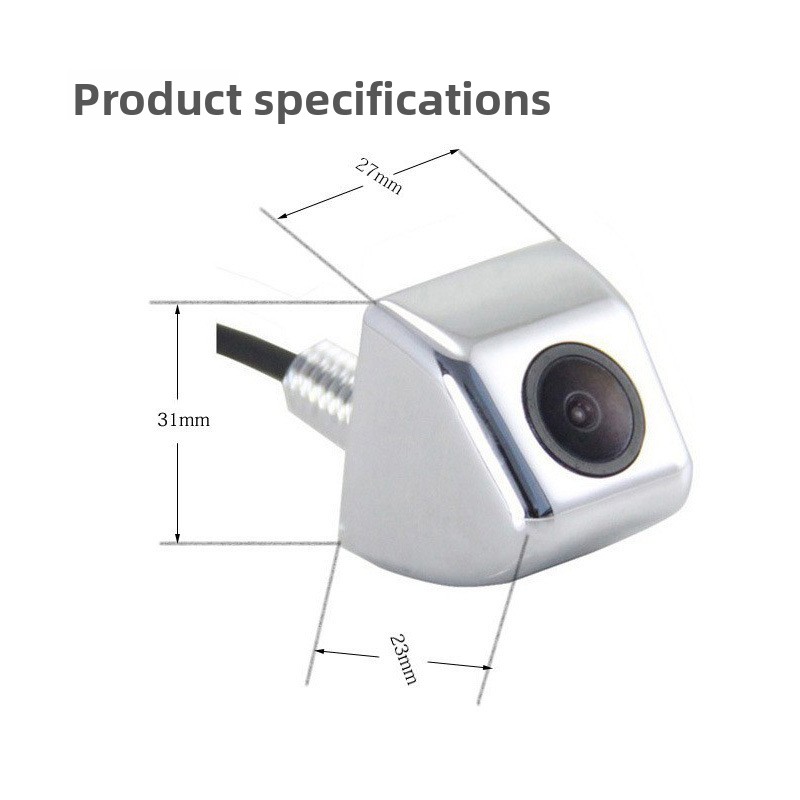
AHD 720 CCD Korean-style External Rear View Camera Reverse Backup Car Camera for Android Vehicles 12V Power and for All Cars
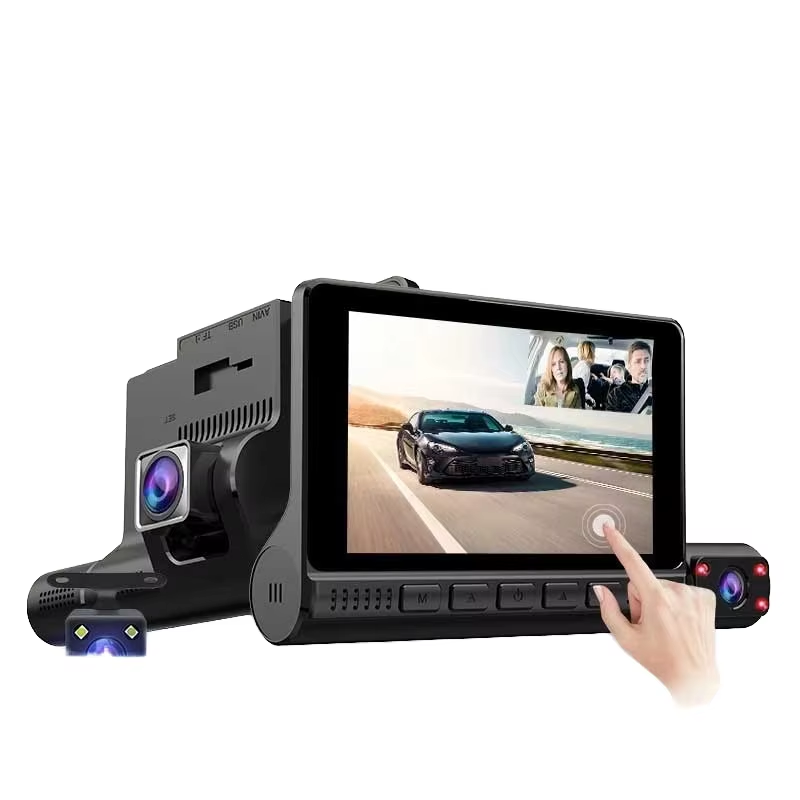
Car DVR 3 Cameras IPS Screen 4.0 Inch HD Dash Camera Dual Lens 120 Angle Loop Recording 3 Camera Dash Cam
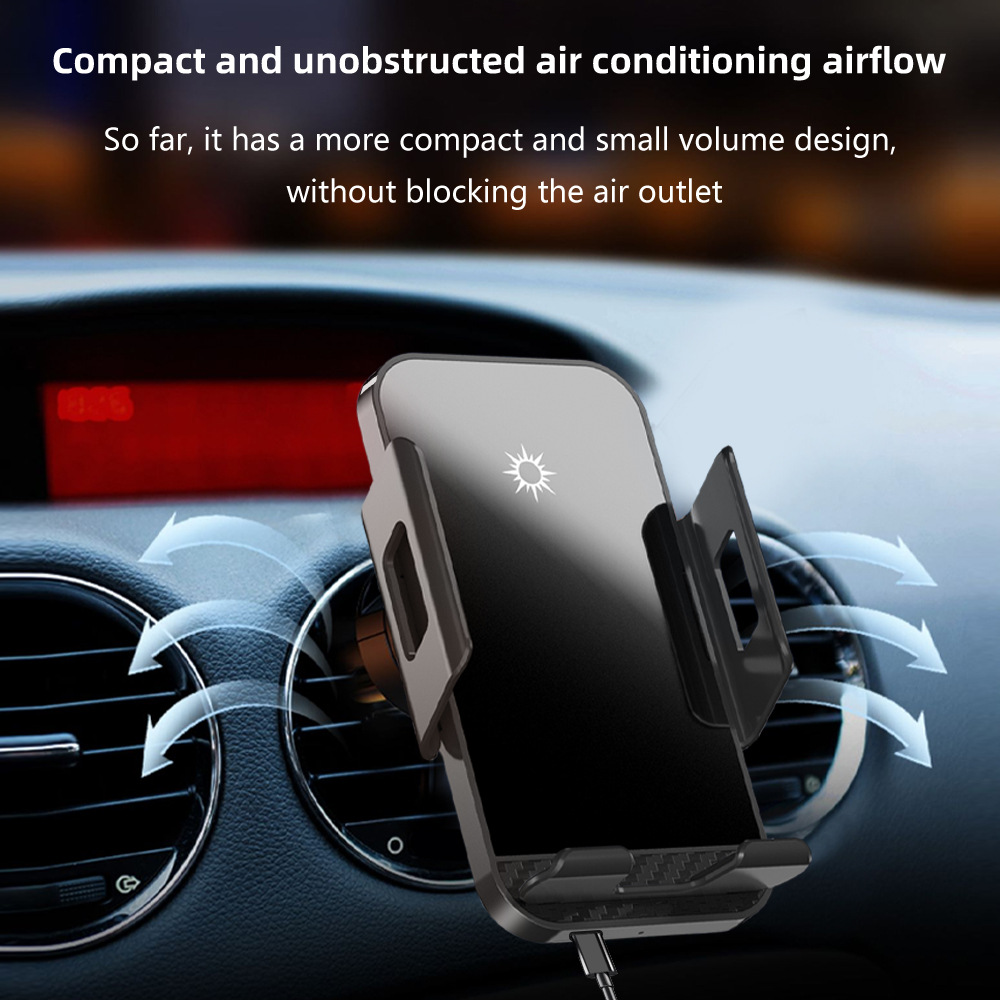
Best Sellers D18 Professional Flexible Transparent Intelligent Sensor Electric Car Wireless Charger 15W Fast Charging PD3.0
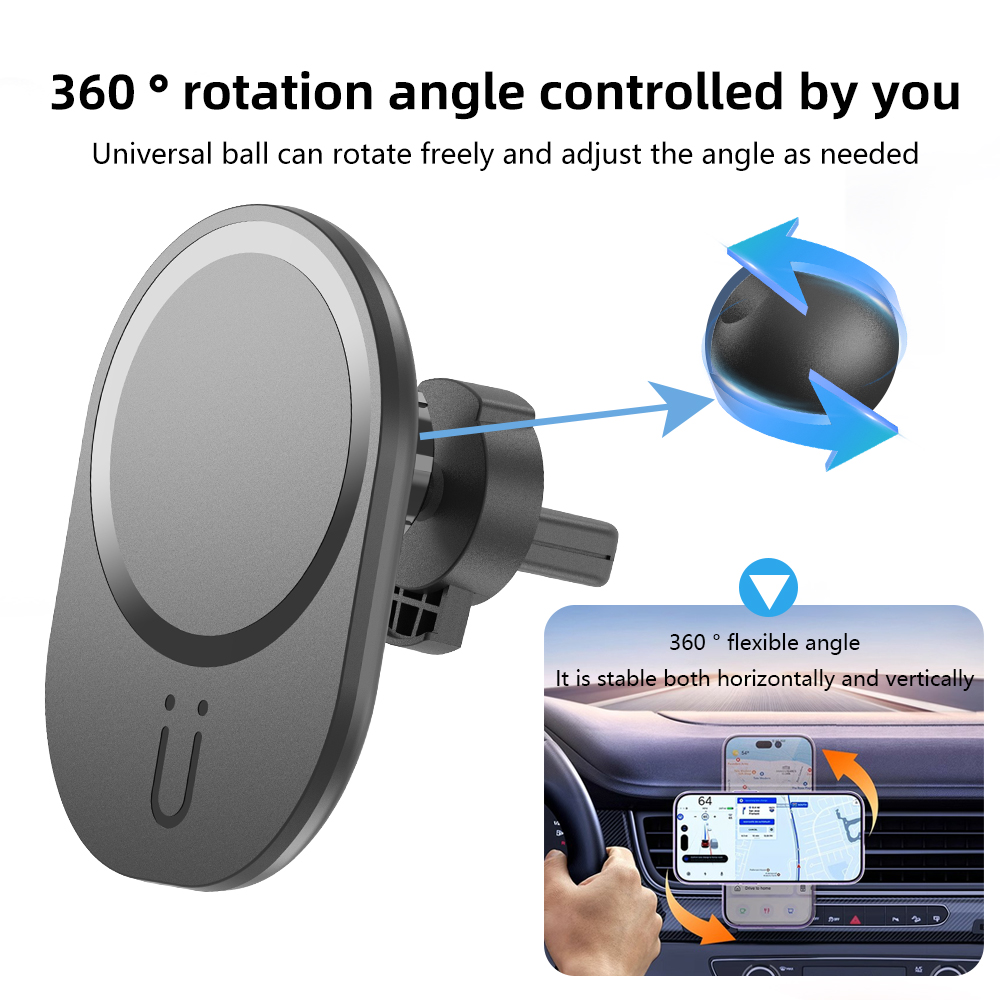
2026 Ultra Strong Magnetic Car Air Vent Wireless Charger for IP 15 Pro 15W ABS Fast Charging Pad Mobile Phone Holders OEM&ODM
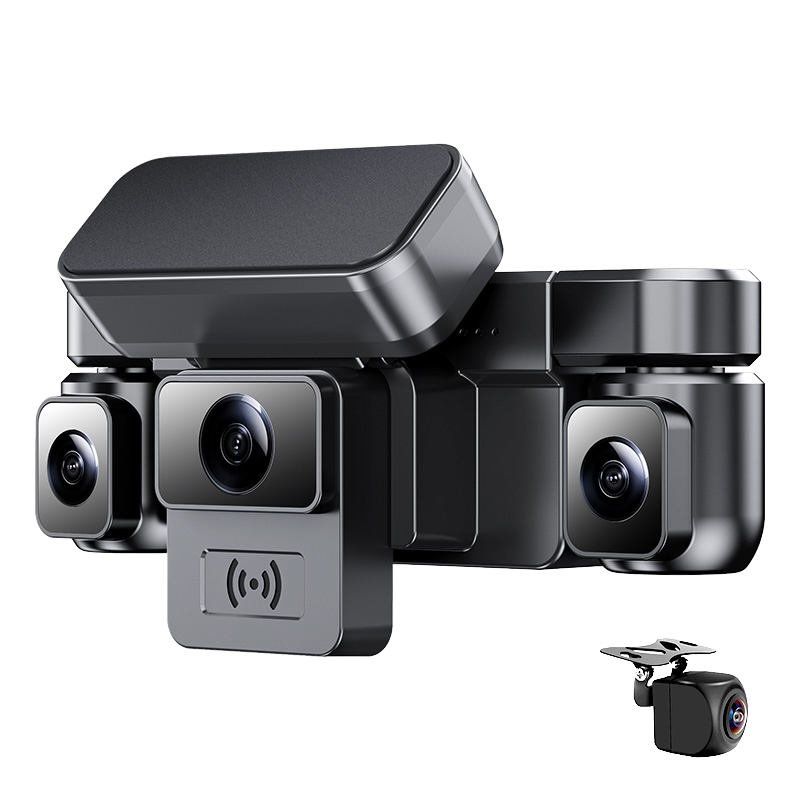
360 Degree 3Channel Car Camera IPS Screen DashCam 5G WiFi Front 2K Night Vision Car Black Box 1 Year Video Recorder Recording
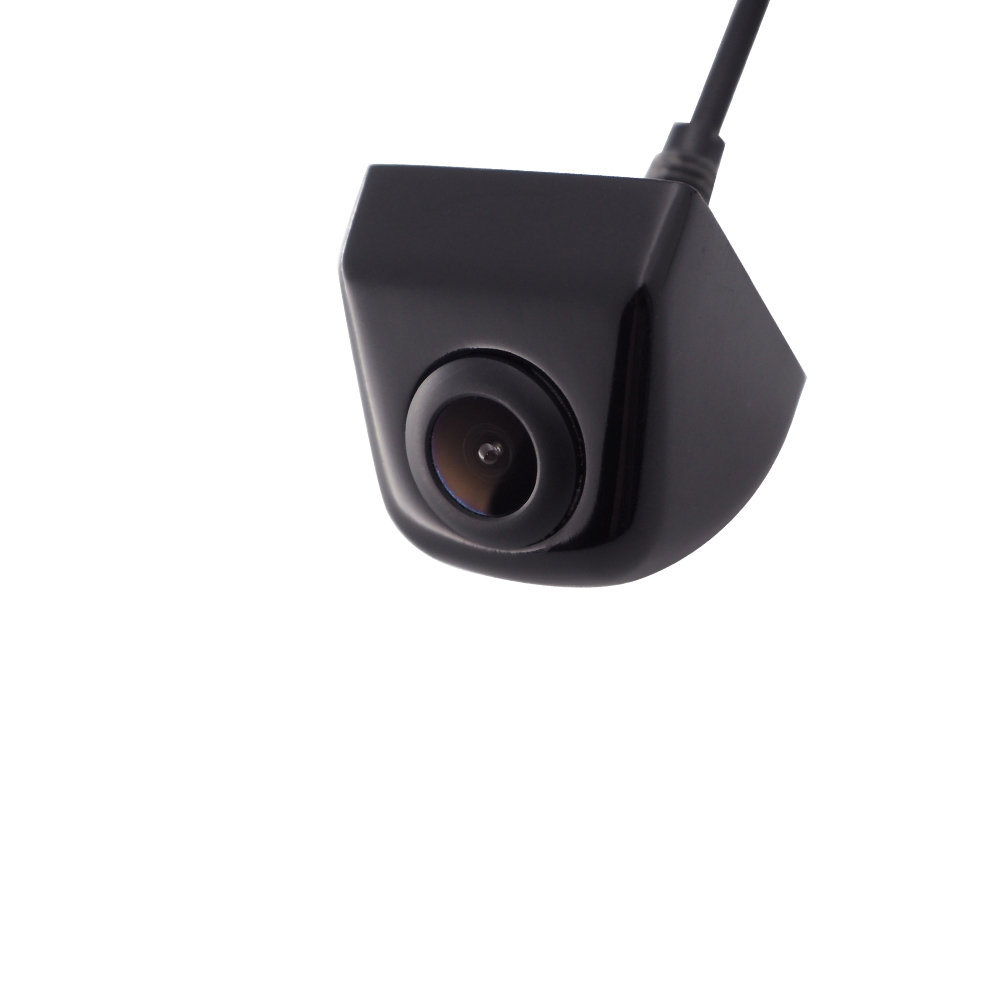
Hot Selling Reverse Parking Camera Night View Waterproof HD Car Backup Camera Universal Fitment Low Price for All Cars
Executive Overview: The Shift in Automotive Vision OEM/ODM Manufacturing
The global automotive vision and video monitoring industry is currently undergoing a massive structural transformation. Driven by stringent global transport safety mandates—such as the European Union’s General Safety Regulation II (GSR2), UN ECE R158 blind-spot monitoring compliance, and expanding insurance requirements across North America—the demand for high-performance car cameras, multi-channel dash DVRs, and streaming media rearview optical systems has reached an all-time high. International automotive electronics brands, commercial fleet managers, and tier-2 distributors are increasingly seeking specialized OEM/ODM manufacturing partners in China capable of handling sophisticated optics, AI-driven firmware, and ruggedized vehicle-grade hardware.
Navigating the global supply chain, however, requires more than just low-cost assembly. Sourcing modern vehicle imaging solutions requires rigorous engineering validation, low-light ISP calibration, thermal stability under extended operation, and flexible customization (from custom DSP boot screens and encrypted firmware to custom-molded housings). As an established Shenzhen-based automotive electronics manufacturer, Jemrok Industrial Technology (Shenzhen) Co., Ltd. bridge the gap between technical innovation and scalable factory output, providing turnkey manufacturing solutions tailored to global export markets.
Future Sourcing & Procurement Trends for Car Cameras (2025–2030)
To maintain a competitive edge, global procurement officers and brand owners must align their inventory strategies with emerging industry shifts. Below is an authoritative breakdown of the primary trends reshaping vehicle camera manufacturing and supply chain management:
1. Multi-Channel Synchronous Processing
Single-channel front cameras are rapidly losing market share to triple-channel (Front + Cabin + Rear) and 4-channel 360-degree coverage systems. Ride-hailing networks (Uber, Lyft) and commercial logistics fleets demand simultaneous interior cabin monitoring (with 940nm invisible IR night vision) and exterior road recording powered by high-throughput image signal processors (ISPs).
2. 5G Wi-Fi & Rapid Cloud Telematics
Legacy 2.4GHz Wi-Fi modules create severe bottlenecks when downloading large 2K/4K video files. Sourcing trends favor dual-band 5G Wi-Fi dash cams that allow instantaneous mobile app video previewing, fast file export, and direct cloud backup integration for real-time fleet telematics.
3. Low-Voltage AHD & Universal Compatibility
In the aftermarket backup camera sector, Korean-style external rear-view cameras utilizing AHD (Analog High Definition) 720P/1080P CCD sensors are replacing old CVBS sensors. These provide zero-latency reversing video feeds directly compatible with modern Android vehicle head units and wide-voltage (12V–24V) truck systems.
Technological Evolution in Vehicle Camera Manufacturing
As a senior OEM/ODM technical director, evaluating factory capabilities requires looking under the hood. Modern dash camera and reversing camera manufacturing relies on key technical milestones that dictate device lifespan, optic clarity, and thermal resilience:
A. Optical Sensor Calibration & Wide Dynamic Range (WDR/HDR)
Vehicles operate in volatile illumination environments—from direct midday sunlight to pitch-black rural highways. Advanced OEM factories utilize Sony STARVIS and high-performance CMOS sensors coupled with multi-frame HDR algorithms. By capturing exposure frames simultaneously, the system prevents license plate optical blooming caused by headlight reflections while illuminating shadowed roadside areas.
B. Supercapacitors vs. Lithium Batteries
A critical engineering shift in car camera development is the transition from lithium-ion batteries to industrial-grade supercapacitors. Internal dashboard temperatures inside parked vehicles can reach upwards of 85°C (185°F). Supercapacitors prevent thermal swelling, fire hazards, and battery degradation, ensuring reliable safe-shutdown video saving even in extreme climates across North America, the Middle East, and Australia.
C. AI-Powered ADAS & Driver Monitoring Systems (DMS)
Artificial Intelligence at the edge (Edge AI) is integrated directly into main system chipsets (e.g., Novatek, Sigmastar). Modern ODM camera designs incorporate Lane Departure Warning Systems (LDWS), Forward Collision Warning Systems (FCWS), and cabin-facing Driver Fatigue Monitoring (DMS) that tracks eye movement and head posture to issue immediate auditory alerts.
Why Partner with Jemrok Industrial Technology?
Located in Shenzhen, China's core electronics innovation hub, Jemrok Industrial Technology (Shenzhen) Co., Ltd. brings over six years of dedicated R&D and production excellence to global B2B clients.
In-House Engineering R&D
Our R&D engineering team handles everything from PCB circuit layout and optics alignment to custom MCU firmware coding, UI language localization, and bespoke housing shell engineering.
Agile OEM/ODM Customization
We empower small-to-medium distributors and large brands alike by offering private labeling, custom laser branding, modified boot screens, and custom retail packaging starting from an accessible low MOQ of just 50 sets.
Strict QA & Certification
Operating a 1,500 m² clean production workshop, every device undergoes rigorous high-temperature burn-in testing, vibration simulation, and optical focal checks to maintain full CE, FCC, and RoHS compliance.
Frequently Asked Questions (FAQ) for Global Car Camera Importers
▶ What is the typical Minimum Order Quantity (MOQ) for custom OEM dash cams?
Customized OEM/ODM orders (including silk-screen logo printing, custom startup logos, localized user interface languages, and customized retail box packaging) start from as low as 50 sets. For standard off-the-shelf factory models, sample orders can be requested starting from 2 pieces for technical evaluation before placing bulk orders.
▶ Which international compliance certifications are provided with your cameras?
All Jemrok automotive cameras, dash DVRs, and magnetic wireless chargers are designed and produced in strict accordance with international safety standards. Our products carry CE, FCC, and RoHS compliance certifications, ensuring smooth customs clearance and regulatory compliance across North America, Europe, Australia, and Asia.
▶ What is your factory's annual production capacity and lead time?
Our 1,500 m² Shenzhen manufacturing facility delivers between 300,000 and 500,000 units annually. Standard sample orders ship within 3 to 5 business days, while customized OEM mass production runs are typically completed and dispatched within 15 to 20 business days following artwork and prototype approval.
▶ How do multi-channel (3-channel/4-channel) dash cams handle heat dissipation and memory management?
Multi-channel recording requires significant processing power. Our hardware architecture utilizes specialized copper heat sinks coupled with thermal conductive pads and vented shell designs. For memory management, our proprietary firmware implements seamless H.264/H.265 loop recording with emergency G-sensor file locking, preventing memory card corruption and ensuring uninterrupted recording cycles.
▶ What customization depth is supported under your ODM engineering services?
Our end-to-end ODM development services cover complete hardware engineering. This includes plastic/metal tooling mold design, custom optical lens selection (FOV degrees, aperture size), board-level PCBA engineering, firmware integration for custom vehicle sensors or CAN-bus data, and specialized bracket mounts for specific vehicle models.
Partner with a Certified OEM/ODM Car Camera Manufacturer
Accelerate your market penetration with reliable vehicle vision technology, low MOQ customization, and direct factory pricing. Contact our sales engineering team today for instant product specs, wholesale pricing tier sheets, and OEM project consultation.