Recommended OEM/ODM Automotive Vision & Charging Solutions
Factory-direct commercial grade backup cameras, multi-channel DVR systems, and wireless mounting hardware.


1. Technical Architectural Overview of AHD Backup Cameras
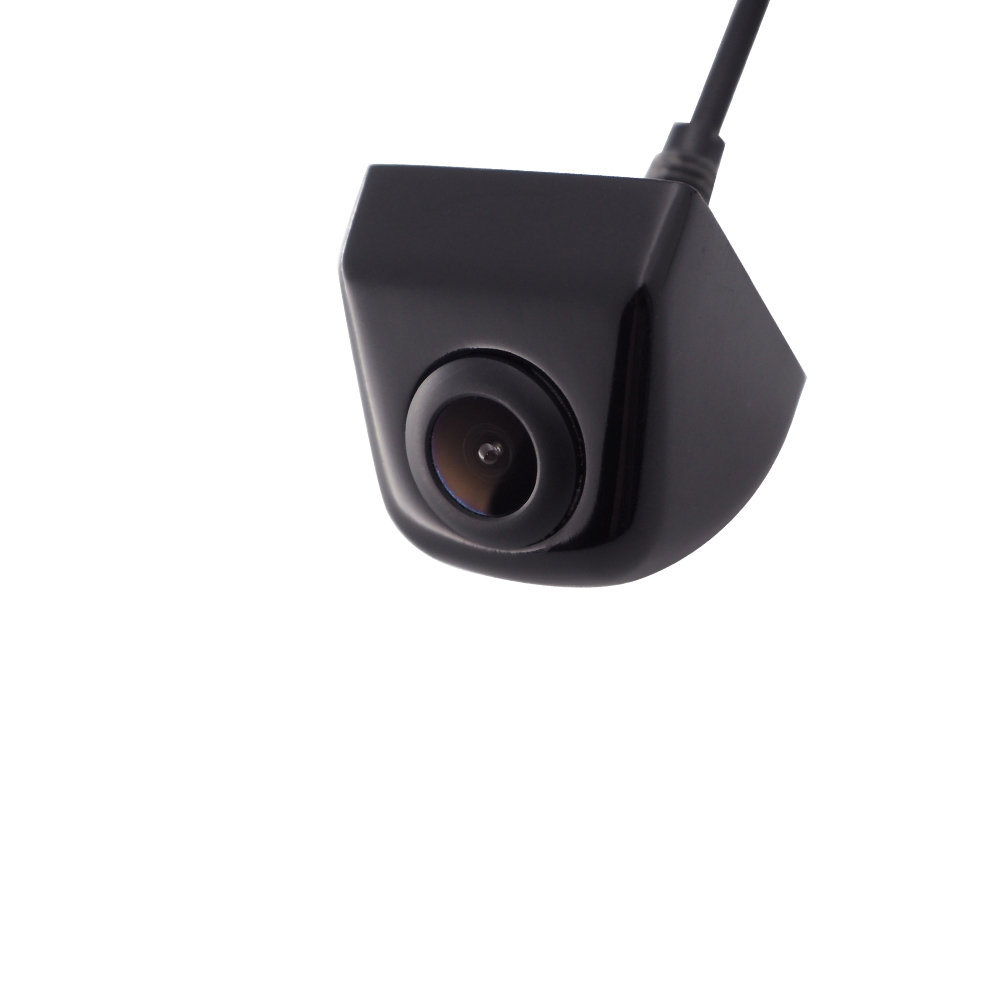
Automotive High Definition (AHD) visual monitoring represents a monumental leap over legacy Composite Video Blanking and Sync (CVBS) systems. For procurement managers, fleet operators, and Tier-1 automotive aftermarket distributors, selecting a reliable OEM/ODM AHD backup camera supplier requires an intimate understanding of high-frequency signal modulation, CMOS image sensor integration, and thermal management engineering.
AHD technology transmits high-definition progressive scan video (720P, 1080P, and 1440P) over standard coaxial or twisted-pair cabling without suffering from high-frequency latency or color crosstalk. Unlike uncompressed digital IP streams that introduce buffer delays ranging from 120ms to 350ms, AHD video pipelines maintain instantaneous zero-latency (under 1ms) real-time frame delivery. This zero-delay characteristic is vital for commercial reversing maneuvers, heavy-duty truck blind spot monitoring, and automated parking safety.
SEO & Technical Insight: Information Gain in vehicle safety systems centers around zero-latency signal processing. When evaluating an OEM/ODM supplier, verify whether their AHD ISP (Image Signal Processor) utilizes Advanced Y/C Signal Separation and 3D Dynamic Noise Reduction (3D-DNR) to prevent low-light image grain in extreme nighttime environments.
AHD vs. Legacy Signal Architectures in Automotive Vision
CVBS Analog Legacy
Limited to 480i/576i lines (0.3 Megapixels). Highly susceptible to high-frequency RF engine noise, color ghosting, and severe degradation beyond 5 meters of wiring cable length.
AHD (720P / 1080P / 2K)
High bandwidth progressive scan up to 2.1 Megapixels. Zero latency, cost-effective copper-clad wiring compatibility up to 500 meters, and immune to cellular network jamming.
Automotive Ethernet (IP)
Supports uncompressed ultra-HD and AI metadata. However, it incurs high manufacturing costs, demands complex ECU network switches, and exhibits processing latency.
2. Technological & Development Trends in AHD Reversing Systems
As global automotive safety regulations enforce mandatory rear-view monitoring (such as the US FMVSS 111 regulation and European General Safety Regulation GSR II), the demands placed on backup camera suppliers have extended far beyond simple video capture. Modern OEM/ODM procurement strategies are shaped by four major technological shifts:
A. Ultra-Low Light Starlight Vision & WDR Integration
Conventional backup cameras rely on power-hungry Infrared (IR) LED arrays that produce unnatural, monochromatic illumination with high reflection glare off license plates. Advanced OEM/ODM suppliers now integrate Sony STARVIS™ or GC-series High-Sensitivity CMOS sensors featuring back-illuminated pixel architecture. Coupled with hardware Wide Dynamic Range (WDR > 120dB) and F/1.6 ultra-large aperture glass lenses, modern AHD cameras capture crisp, full-color nocturnal footage under ambient light levels as low as 0.0001 Lux.
B. AI-Powered Blind Spot Detection (BSD) at the Edge
The convergence of analog high-definition video with edge-computing NPU (Neural Processing Unit) chips has revolutionized commercial vehicle safety. Modern ODM camera housings incorporate low-power AI chips directly on the camera board. This setup enables real-time pedestrian detection (VRU - Vulnerable Road User) and vehicle proximity alerts directly within the AHD video signal feed, displaying dynamic visual warning boxes on standard dashboard displays without requiring external AI control boxes.
C. ISO 20653 IP69K Extreme Waterproofing & Nitrogen Injection
Vehicle reversing cameras mounted near bumper rails or license plate frames are constantly exposed to high-pressure hot water washdowns, salt spray, and extreme thermal cycling (-40°C to +85°C). Premier OEM factories implement dual-layer O-ring ultrasonic sealing combined with internal nitrogen purging. This process neutralizes ambient humidity, permanently preventing lens fogging and internal component corrosion over multi-year operational cycles.
Wide-Voltage Regulators (9-36V)
Commercial trucks and agricultural equipment suffer from severe power surges (Load Dump up to 100V). Industrial AHD cameras use TVS protection and wide-voltage DC-DC converters.
Dynamic Trajectory Engine
Integrated micro-gyroscopes read vehicle steering angles to render active curved dynamic parking guidelines directly over the analog video output stream.
All-Glass Optical Lenses
Replacing cheap plastic lenses with 6G or 7G (6-layer/7-layer precision glass) optical element arrays ensures zero thermal focus shift when exposed to intense summer heat.
3. Global Sourcing & Procurement Trends for B2B Importers
Navigating the global supply chain for automotive electronics requires strategic foresight. Sourcing managers must balance cost efficiency with long-term component availability and compliance certification. Key procurement trends shaping the industry include:
1. Demand for Flexible, Low-MOQ Customized Hardware
Traditional automotive OEMs required minimum order quantities (MOQs) exceeding 5,000 units, creating inventory bottlenecks for regional brands and specialized fleet outfitters. Modern suppliers offer modular PCB designs that allow full private-label customization—including customized silk-screen logos, bespoke wire lengths, custom connector types (4-pin aviation connectors, RCA, or BMW connectors), and custom firmware boot logos—with MOQs starting as low as 50 to 100 sets.
2. Consolidation of Vision and Mobile Electronics Platforms
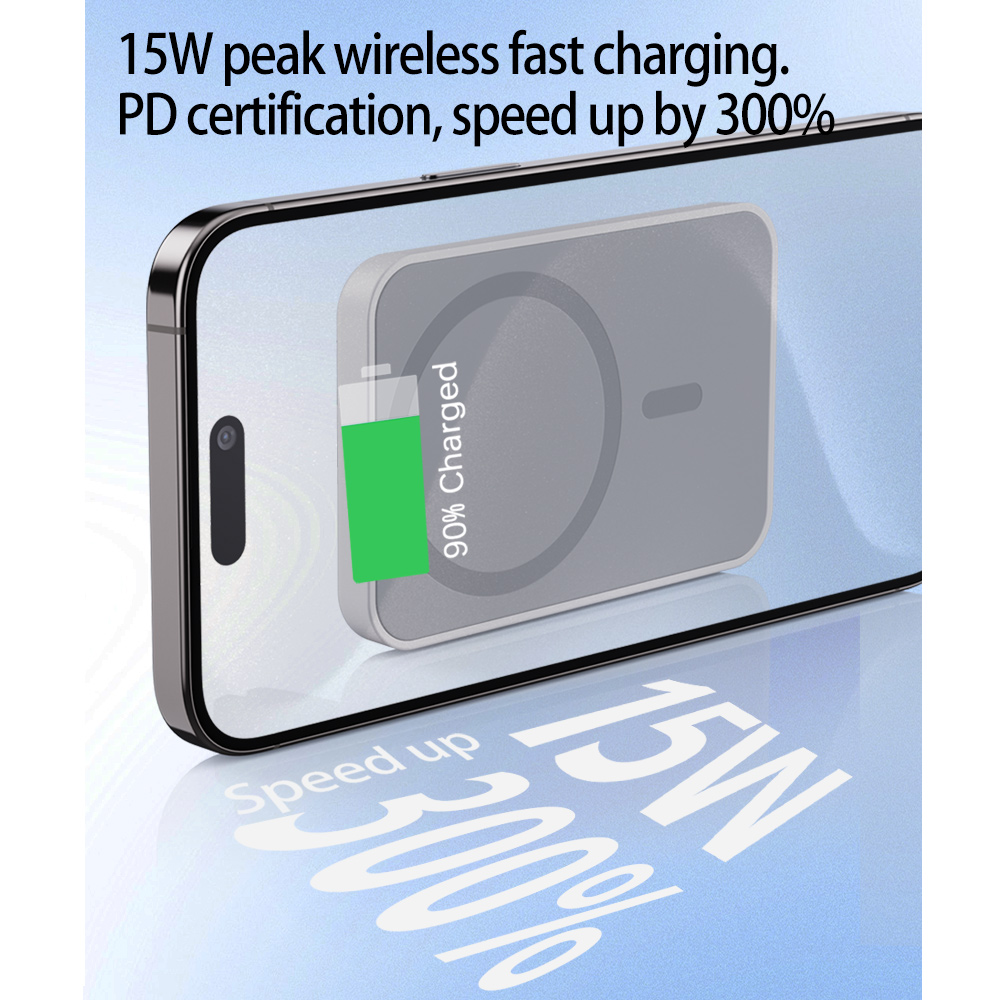
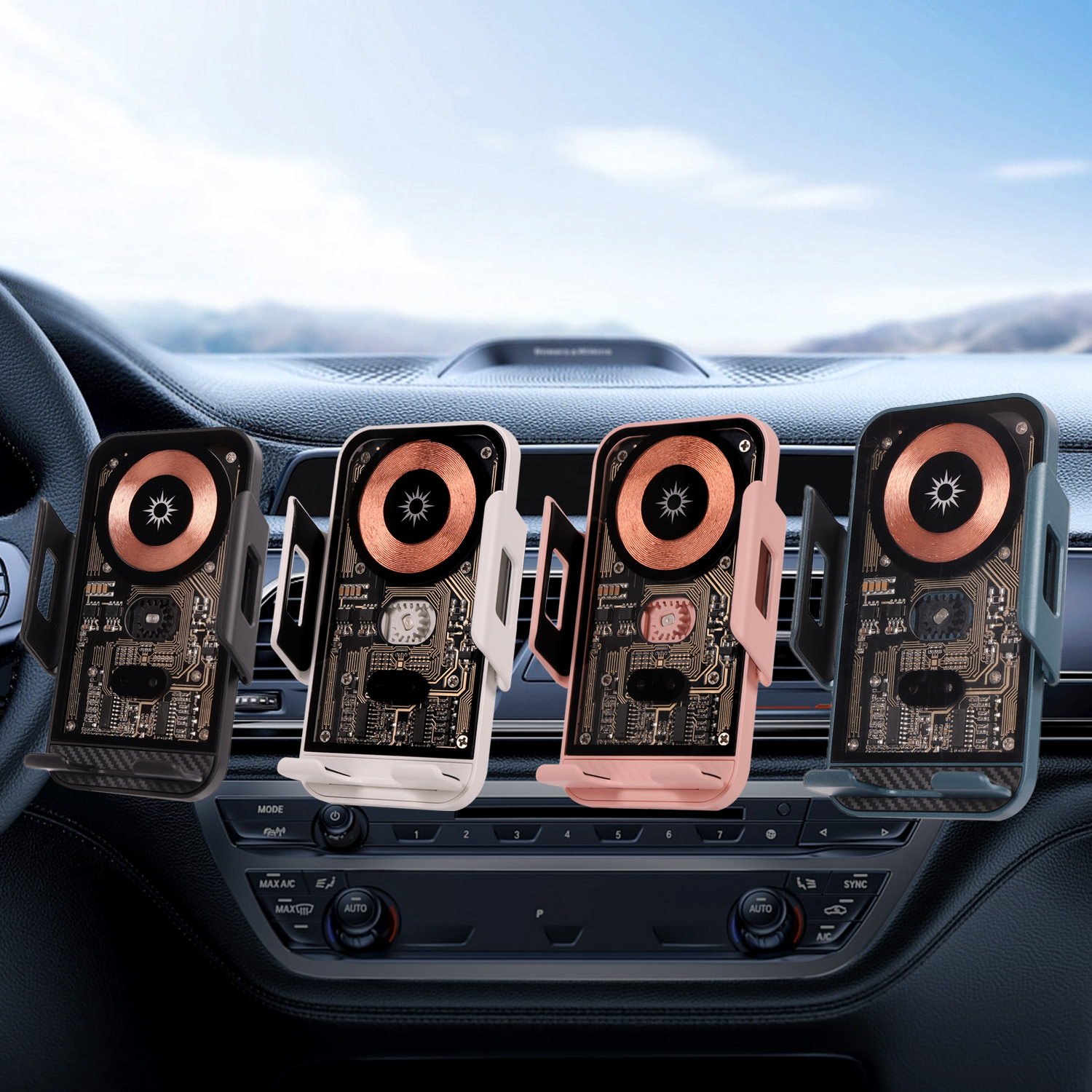
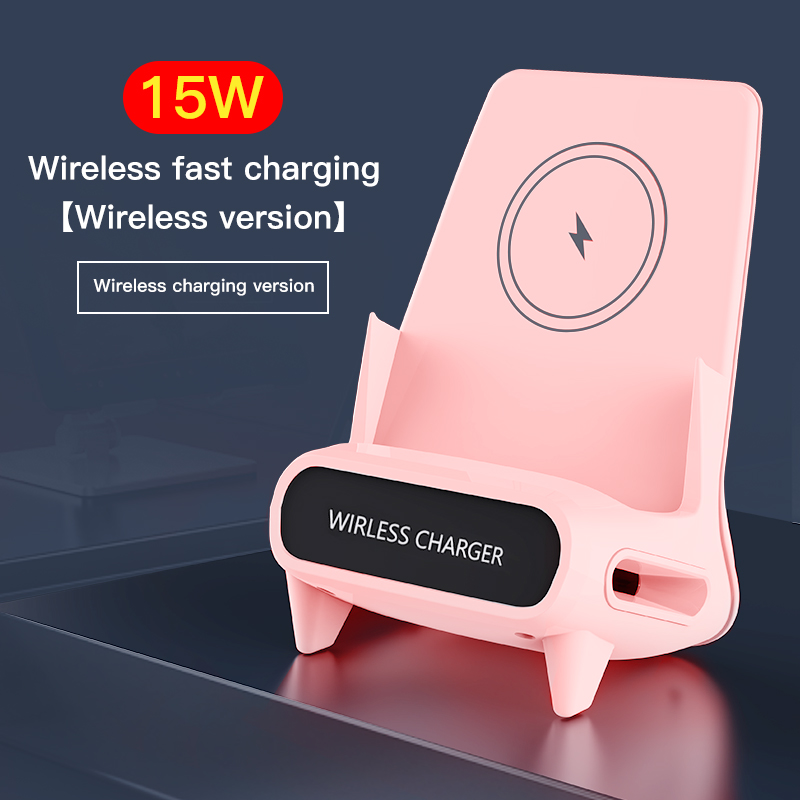
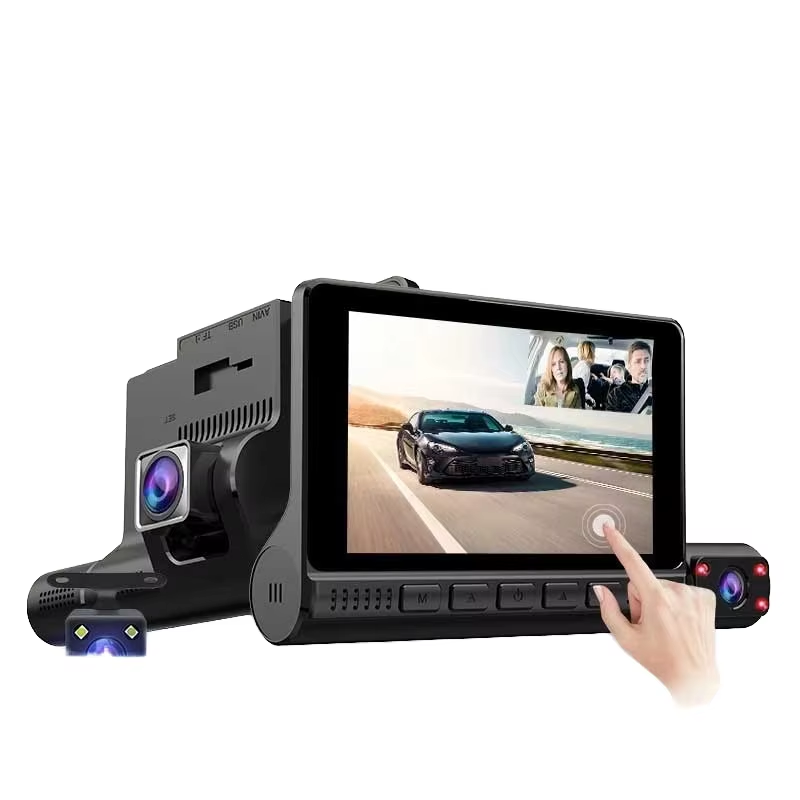
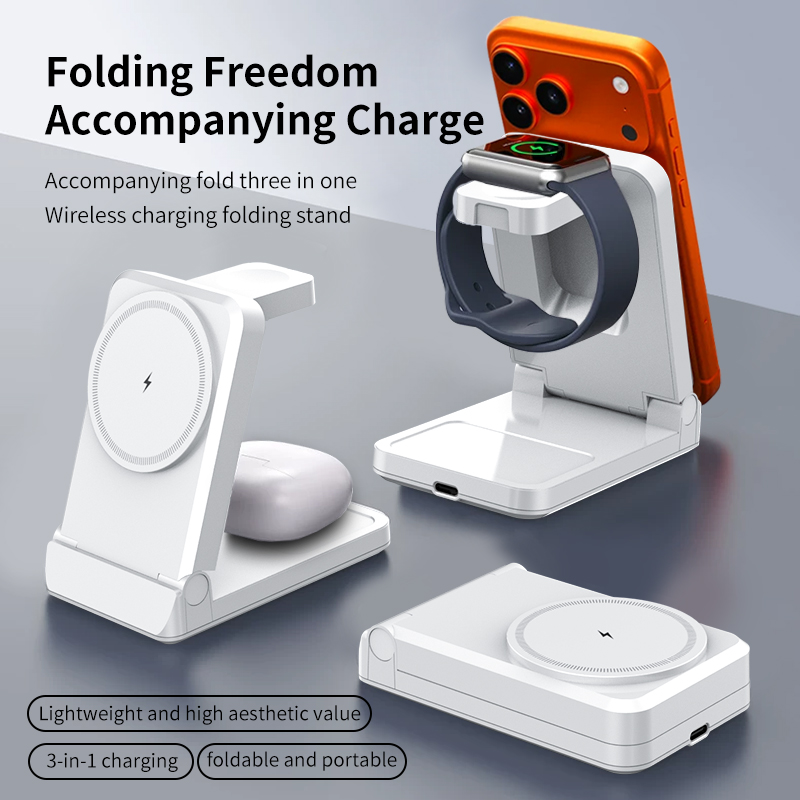
Importers are increasingly migrating away from single-purpose camera suppliers toward integrated solutions providers. Sourcing platforms that bundle AHD rear/side cameras with magnetic fast-charging vehicle mounts, smart dash cams, and digital rearview mirrors simplify supply chain logistics, reduce shipping overhead, and streamline RMA warranty management.
3. Rigorous Compliance & Electromagnetic Compatibility (EMC)
Unshielded camera electronics can generate severe radio frequency interference (RFI) that disrupts vehicle GPS navigation, keyless entry fobs, and FM/DAB radios. Global importers now mandate that backup camera factories provide verified CISPR 25 Class 3 or Class 5 EMC testing certificates alongside standard CE, FCC, and RoHS compliance documents.
Why Partner with Us: Enterprise Engineering & Manufacturing Advantages
Combining 6+ years of specialized R&D experience with rigorous quality control to empower global automotive brands.
Dedicated R&D & Specialized Factory Center
Operating a modern 1,500 m² production facility in Shenzhen with over 6 years of focused R&D in vehicle safety electronics. Our team of 5–10 senior hardware and optical engineers delivers rapid turnarounds on new platform developments.
High Production Capacity & Flexible SCM
Annual output ranges from 300,000 to 500,000 units, backed by automated SMT surface-mount lines, dust-free optical assembly rooms, and automated aging test chambers. We seamlessly scale from sample orders to high-volume fleet rollouts.
Low MOQ Customization (From 50 Sets)
We eliminate high barriers to entry by offering OEM/ODM private-label customization starting at just 50 sets. Tailor housing finishes, firmware parameters, UI languages, custom cables, and retail packaging to your exact brand standards.
International Compliance & Global Service
Products are certified compliant with CE, FCC, and RoHS standards. Exporting to over 30 countries across North America, Europe, Oceania, and Asia, supported by a 100% inquiry response rate within 1 hour.
4. Frequently Asked Questions (FAQ) for B2B Sourcing & Engineering
Key technical and procurement questions answered by our engineering and export team.
Partner with a Certified OEM/ODM AHD Backup Camera Factory
Streamline your supply chain with high-performance automotive visual products, competitive direct-factory pricing, and low MOQ customization. Contact our engineering team today for technical specs, instant pricing quotes, and sample evaluations.
Inquire Now