Executive Sourcing Insight: Modern automotive rear-vision technology is rapidly evolving from basic low-resolution analog video to high-definition (AHD/FHD), high dynamic range (>120dB HDR), CAN-bus integrated, and AI-powered edge vision units. Partnering with a specialized OEM factory ensures full hardware customization, optical active alignment (AA), rigorous IP69K environmental compliance, and long-term supply resilience.
Featured OEM Products & Commercial Hardware Solutions
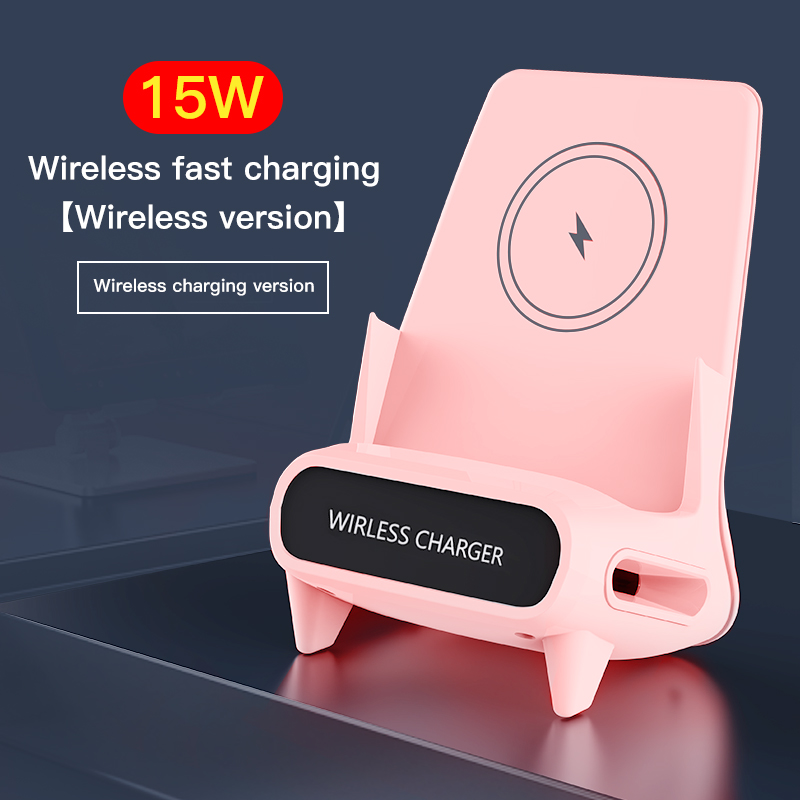
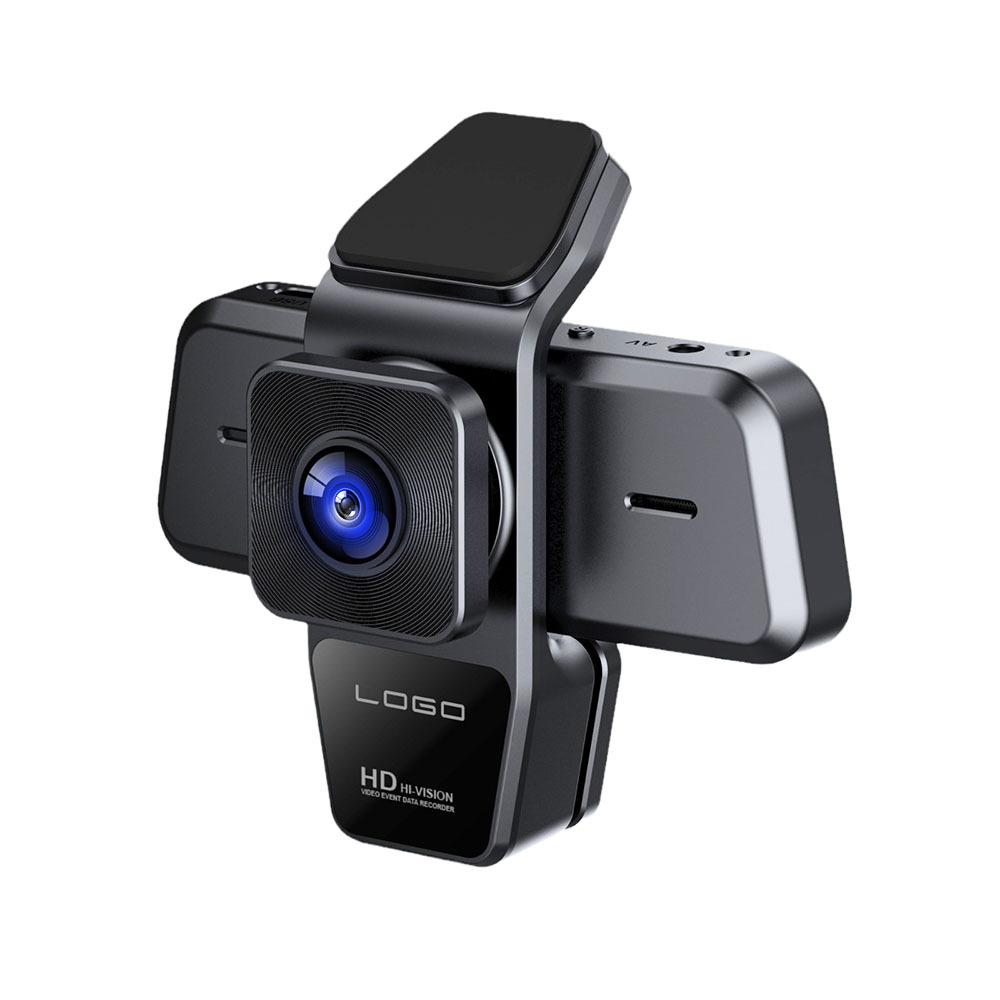
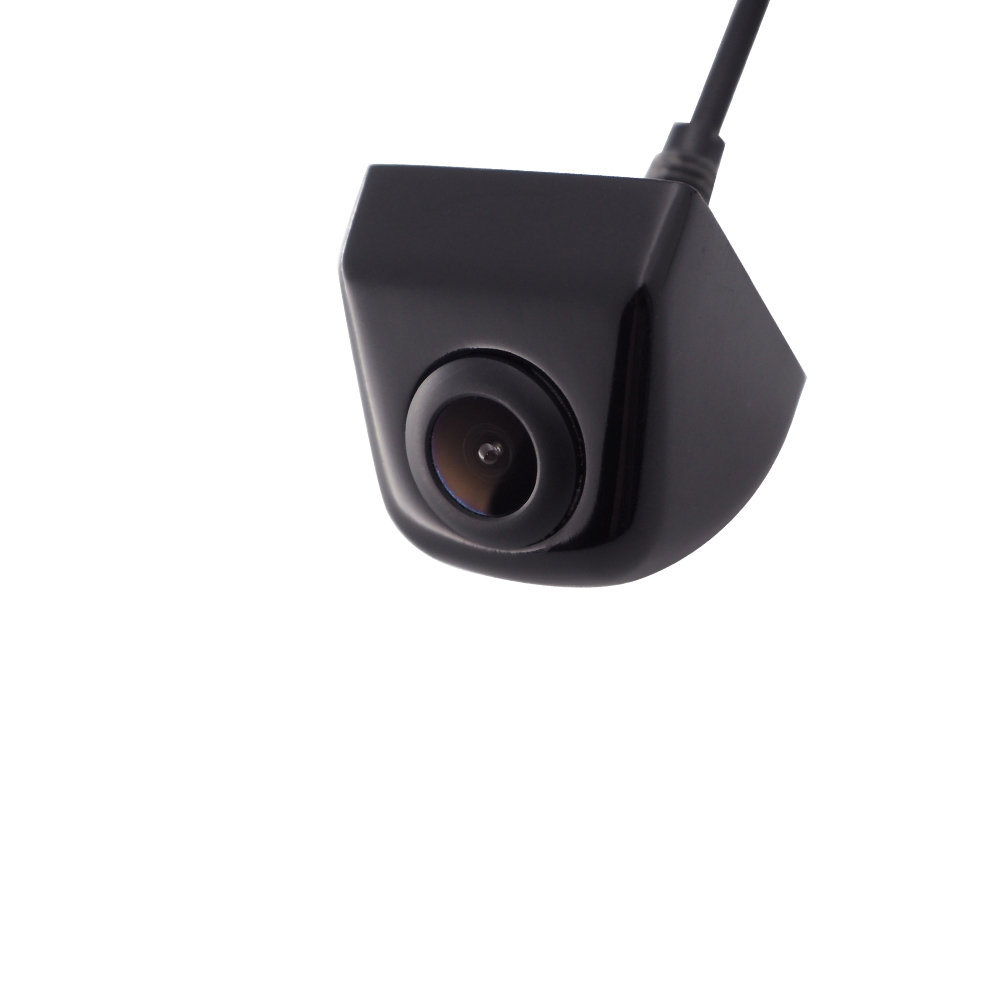
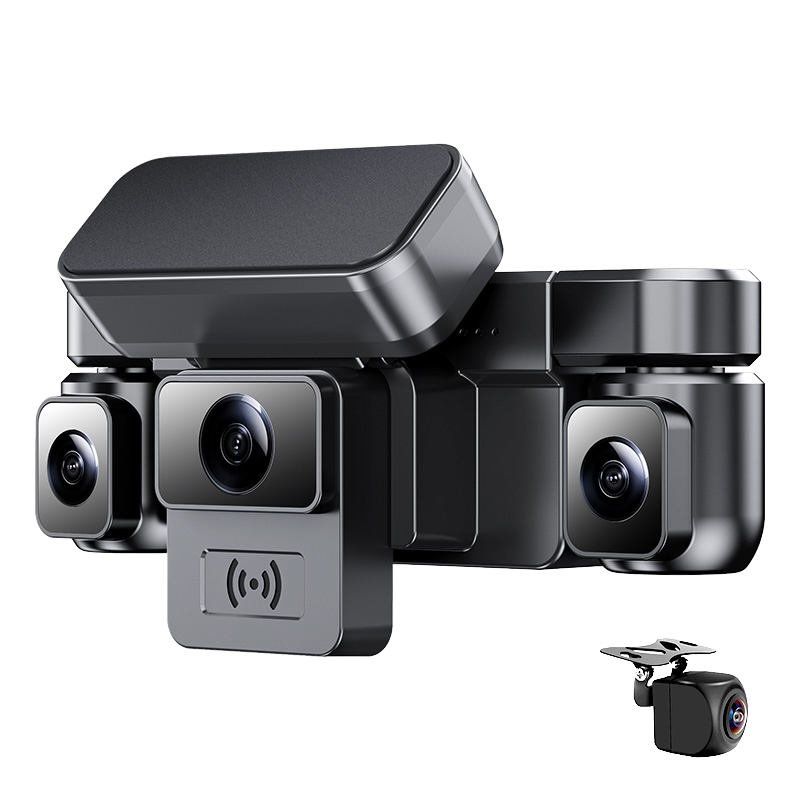
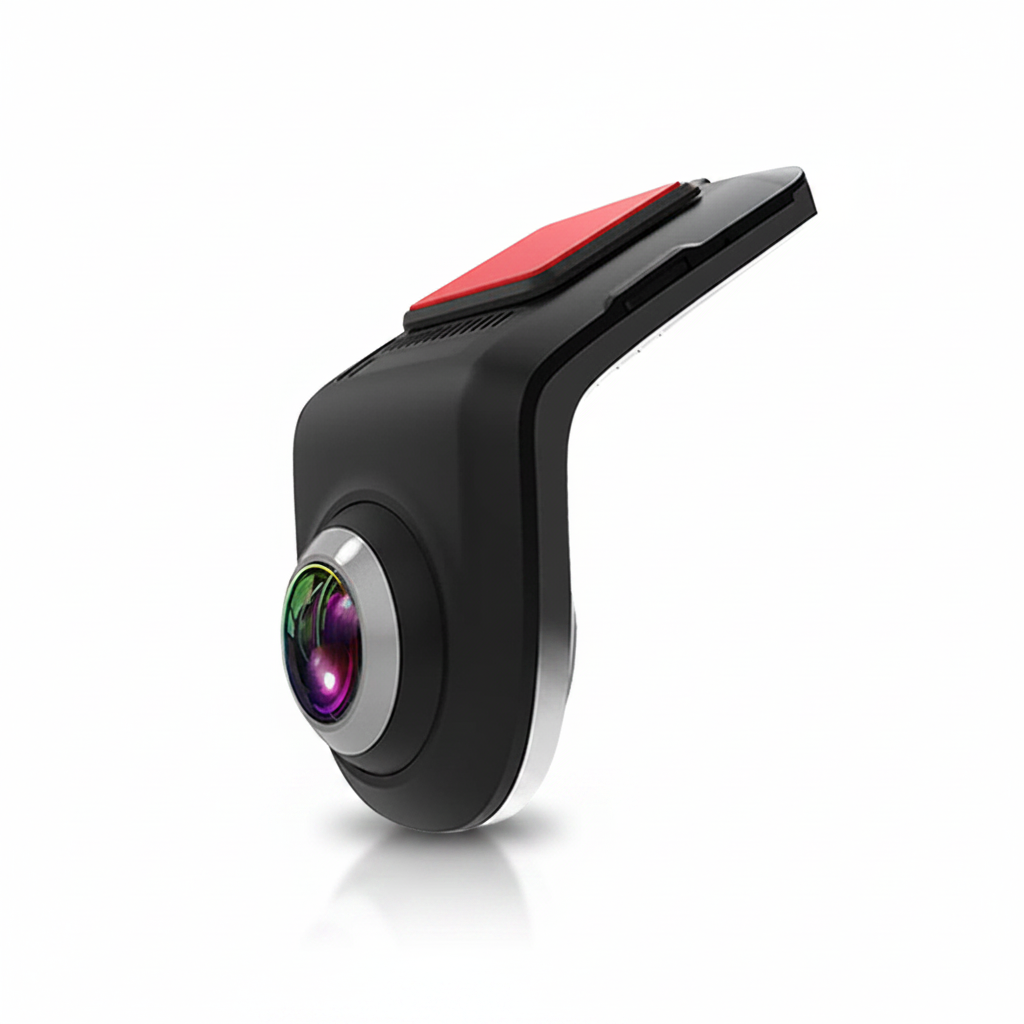
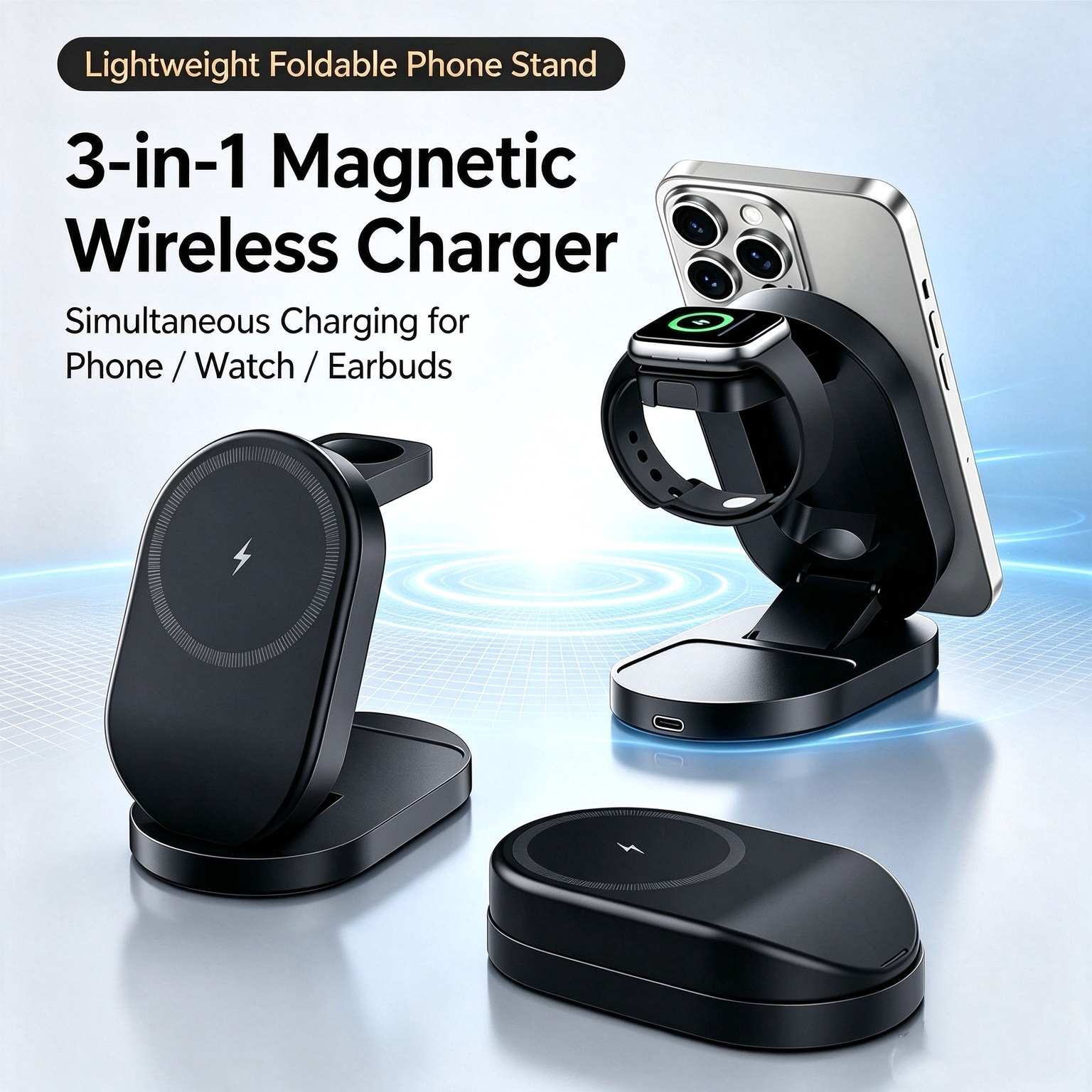
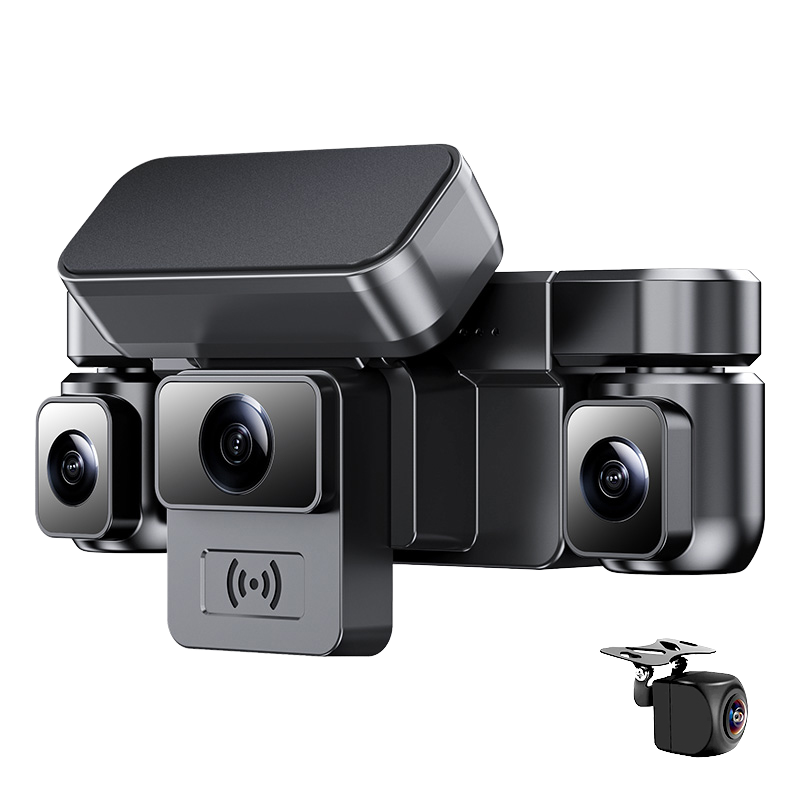
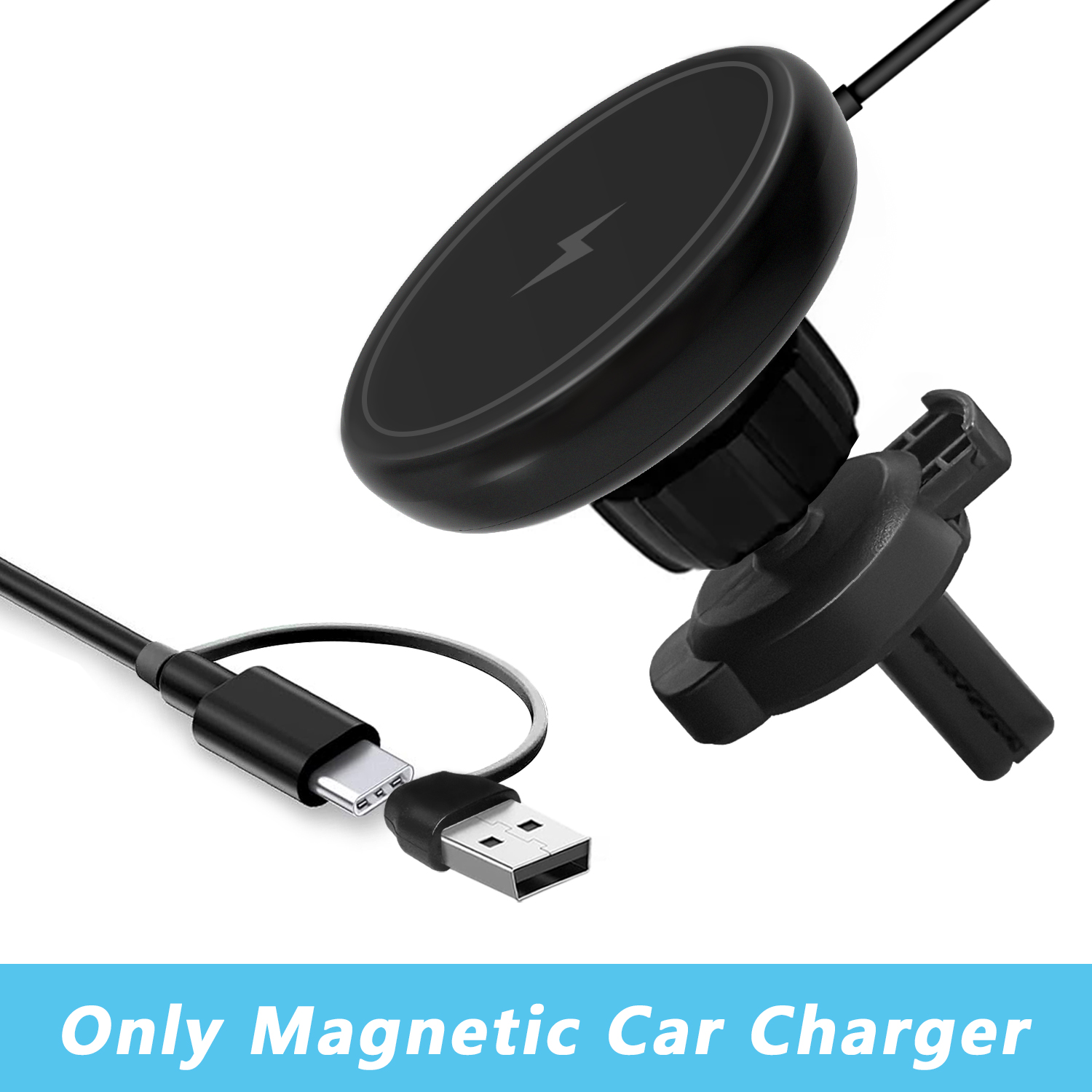
Explore our factory-direct, highly scalable automotive cameras and integration hardware designed for global B2B procurement.
1. Industrial Architecture & Engineering Standard for OEM Backup Cameras
In the contemporary automotive safety ecosystem, vehicle reversing vision systems are no longer treated as simple peripheral accessories; they are vital functional safety components integrated directly into Advanced Driver Assistance Systems (ADAS). A high-reliability vehicle backup camera demands rigorous optical-electronic synchronization, optimized image signal processing (ISP), and bulletproof thermal management.
From an OEM manufacturing perspective, custom camera development requires precise harmonization across four core technological pillars:
- CMOS Optical Sensors & ISP Tuning: Premium CMOS sensors (such as Sony STARVIS II or OmniVision HDR image sensors) offer sub-lux light sensitivity (<0.001 Lux). OEM customization allows custom ISP tuning curves to optimize spatial noise reduction (3DNR), high dynamic range balance (HDR > 120dB), and LED Flicker Mitigation (LFM) under severe headlamp flare or complex ambient lighting.
- Optical Lens Assemblies & Active Alignment (AA): Utilizing 6G (Six-Layer All-Glass) optical lenses ensures thermal stability across extreme automotive temperatures (-40°C to +85°C). To prevent peripheral optical blur and focal drift, state-of-the-art factories employ 6-axis Optical Active Alignment (AA) technology during SMT module bonding.
- Ingress Protection & Structural Sealing (IP69K): Industrial and commercial rear-view cameras undergo extreme environmental stress. Hermetic sealing using dual-component silicone dispensing combined with ultrasonic welding allows the hardware to survive direct high-pressure steam cleaning (IP69K) and salt-spray corrosion tests (ISO 9227).
- Automotive Protocol & Interface Serialization: Modern OEMs demand diverse video transmission protocols—ranging from traditional Analog High Definition (AHD 720P/1080P), CVBS, to high-speed digital deserializers like GMSL2 (Gigabit Multimedia Serial Link) and FPD-Link III for near-zero latency video feeds over long commercial vehicle chassis.
Technical Comparison: Commercial Fleet vs. Passenger Car OEM Camera Hardware
| Parameter | Passenger Vehicle OEM Standard | Commercial Fleet / Trucking OEM Standard |
|---|---|---|
| Operating Voltage | DC 9V – 16V (Transient Protection) | DC 12V – 36V Wide Voltage (Load Dump Protected) |
| Sensor Signal Output | AHD 1080P @ 30fps / GMSL2 / LVDS | AHD 1080P / 4-Pin Aviation Cable Analog |
| Ingress Rating | IP68 Waterproof | IP69K Hermetic Waterproof & Hydrophobic Coating |
| Dynamic Range | > 105 dB HDR | > 120 dB True WDR / Night Vision Enhanced |
| Angle of View (D/H/V) | 120° – 150° Wide FOV with De-warping | 140° – 170° Ultra-Wide FOV with Blind Spot Coverage |
| Structural Enclosure | ABS-PC Engineering Polymer / Aluminum Die-Cast | Heavy-Duty Zinc Alloy / Stainless Steel Bracket |
2. Product Development Trends: Next-Generation Automotive Vision Systems (2025–2030)
Procurement professionals and Tier-1 buyers must align their product roadmap with emerging technological shifts. Over the next five years, custom OEM backup camera engineering will be defined by four distinct trends:
1. Edge-AI Vision & Pedestrian Detection (PD)
Rear cameras are transforming into active safety sensors. Integrated Edge-AI NPU chips run real-time Computer Vision (CV) models directly on the camera hardware, identifying vulnerable road users (VRUs), pedestrians, and obstacles in real-time to trigger acoustic warning systems without relying on external ADAS computing units.
2. High-Speed SerDes & Automotive Ethernet
As centralized domain controllers replace fragmented ECU architectures, backup cameras are shifting toward uncompressed raw video transmission over coaxial or shielded twisted pair cables (STP). Interfaces such as Automotive Ethernet (100BASE-T1 / 1000BASE-T1) enable seamless multi-camera fusion for 360° Surround View Systems (SVS).
3. Intelligent Auto-Cleaning & Heating Lenses
Commercial vehicles and autonomous transit units operating in cold or muddy environments require continuous optical clarity. Next-generation OEM cameras integrate embedded micro-PTC heating elements to rapidly melt ice and snow, alongside pneumatic or fluid washer nozzles to remove mud and highway debris automatically.
3. Strategic Sourcing & Procurement Trends for B2B Importers
Global supply chain volatility and tightening international automotive safety standards (such as UN ECE R158 regarding reversing motion visibility) have fundamentally changed how enterprise buyers select camera manufacturers. Low unit price alone is no longer the sole decision metric; global buyers now focus heavily on Risk-Mitigated Total Cost of Ownership (TCO).
Key Sourcing Criteria for Global Buyers:
- Flexible Low MOQ Pilot Production: High-end custom tooling and NRE (Non-Recurring Engineering) costs often create high entry barriers. Advanced manufacturers offering low MOQ (starting from 50 sets for custom branding) allow buyers to execute rapid market validation before scaling up to 10,000+ unit mass production runs.
- IATF 16949 & ISO Quality Frameworks: Automotive hardware production requires stringent quality management. Partnering with factories operating under IATF 16949 certified quality management systems guarantees low Defect Per Million (DPM) rates and structured APQP / PPAP documentation for seamless automotive auditing.
- Modular OEM Hardware Platforms: Leading Chinese manufacturers maintain pre-tested modular hardware architecture platforms. This allows custom buyers to easily mix and match optical sensors, housing designs, cable lengths, and connector types (e.g., Aviation 4-Pin, RCA, BMW 4-Pin, Fakra) while shortening product development time from months to weeks.
Factory Core Competencies & Enterprise Advantages
Why Tier-1 Automotive Brands, Fleet Management Solutions, and Global Distributors Partner with Jemrok.
In-House Automotive R&D
Our dedicated R&D engineering department handles everything from schematic design, 8-layer PCB layout, firmware modifications, ISP color calibration, to structural mold engineering. Custom boot screens, multi-language UI, and custom housing tooling are seamlessly executed.
Rigorous Quality Assurance (100% Inspection)
Every single manufactured unit undergoes rigorous 100% End-of-Line (EOL) testing. This includes optical resolution chart calibration, waterproof immersion testing, thermal shock chamber cycling (-40°C to +85°C), and 24-hour continuous burn-in aging tests.
Global Regulatory Compliance
All Jemrok custom backup camera models, dashcams, and mobile power solutions fully comply with CE, FCC, RoHS, and REACH international environmental and electrical safety directives, ensuring hassle-free customs clearance and market insertion across EU and North American markets.
Frequently Asked Questions (FAQ) for B2B Sourcing
Detailed technical and commercial answers designed for OEM project managers, supply chain Directors, and engineering buyers.
Ready to Elevate Your Automotive Camera Product Line?
Whether you need custom logo printing on established platforms or ground-up ODM engineering, our Shenzhen factory technical team is ready to assist your team with direct engineering support and competitive pricing.
Inquire Now