Catalog & Portfolio
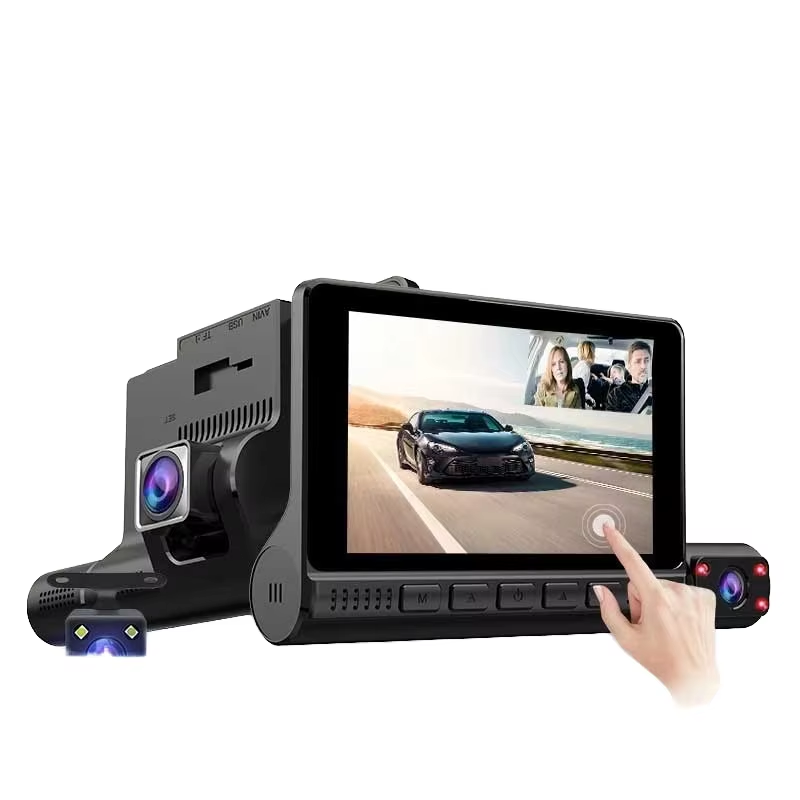
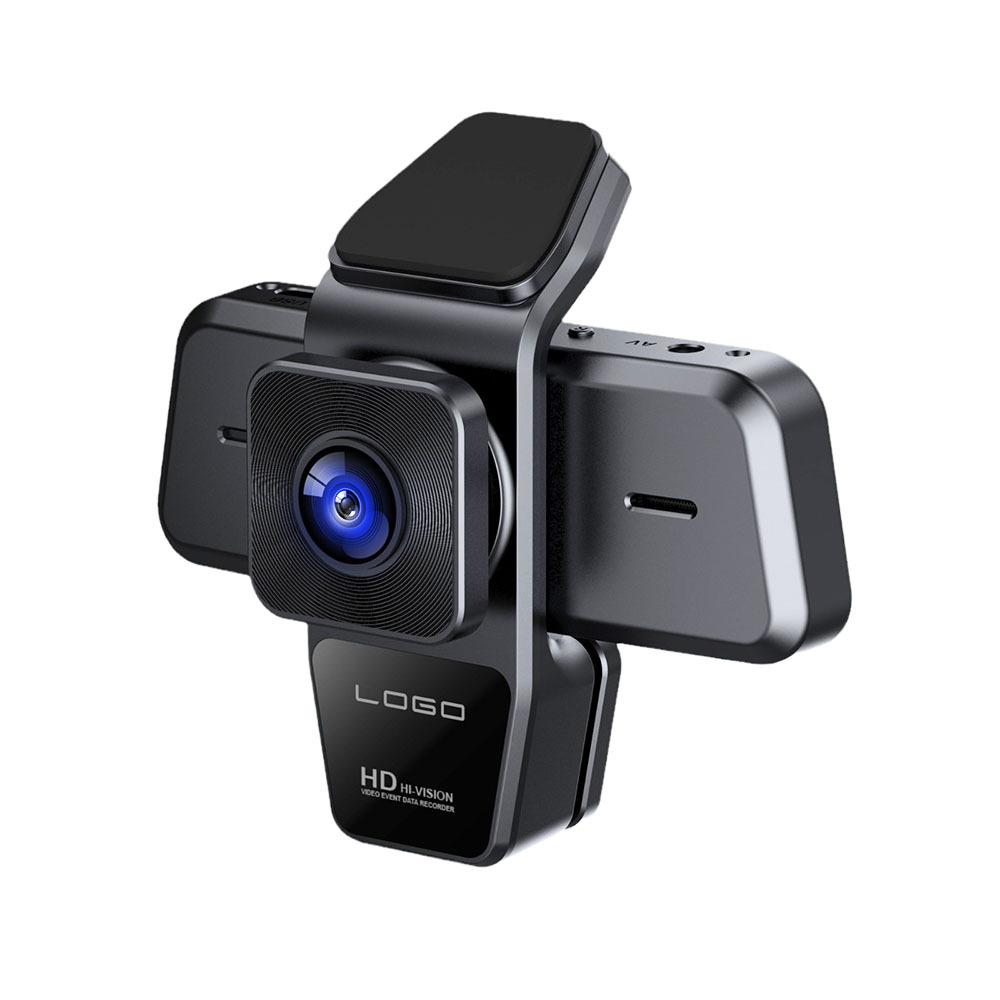
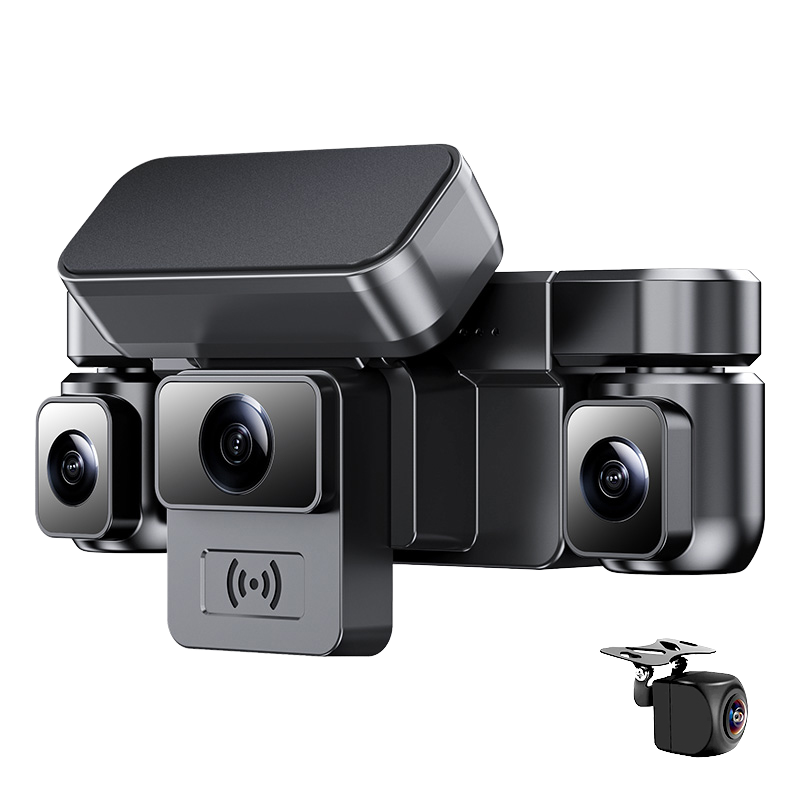
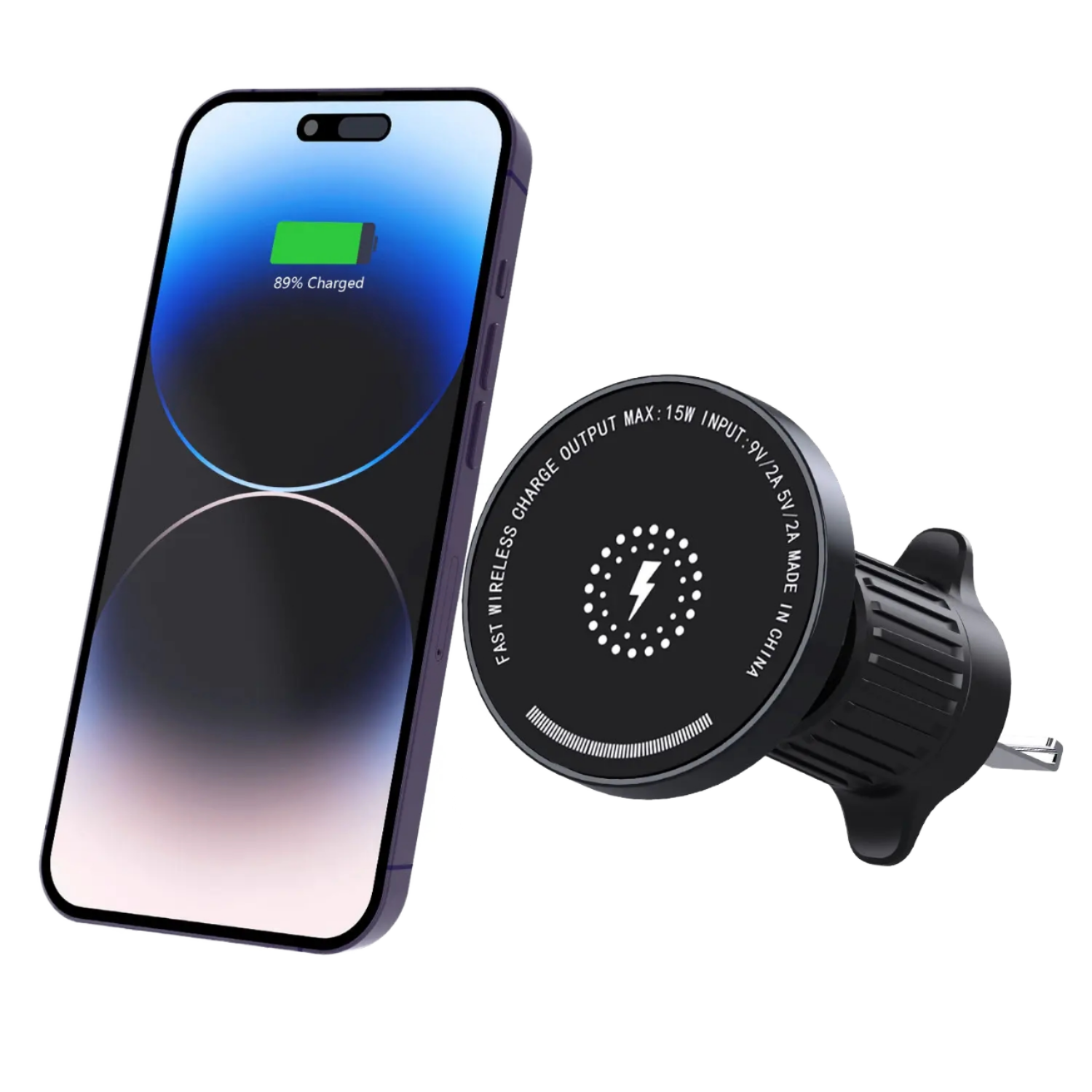
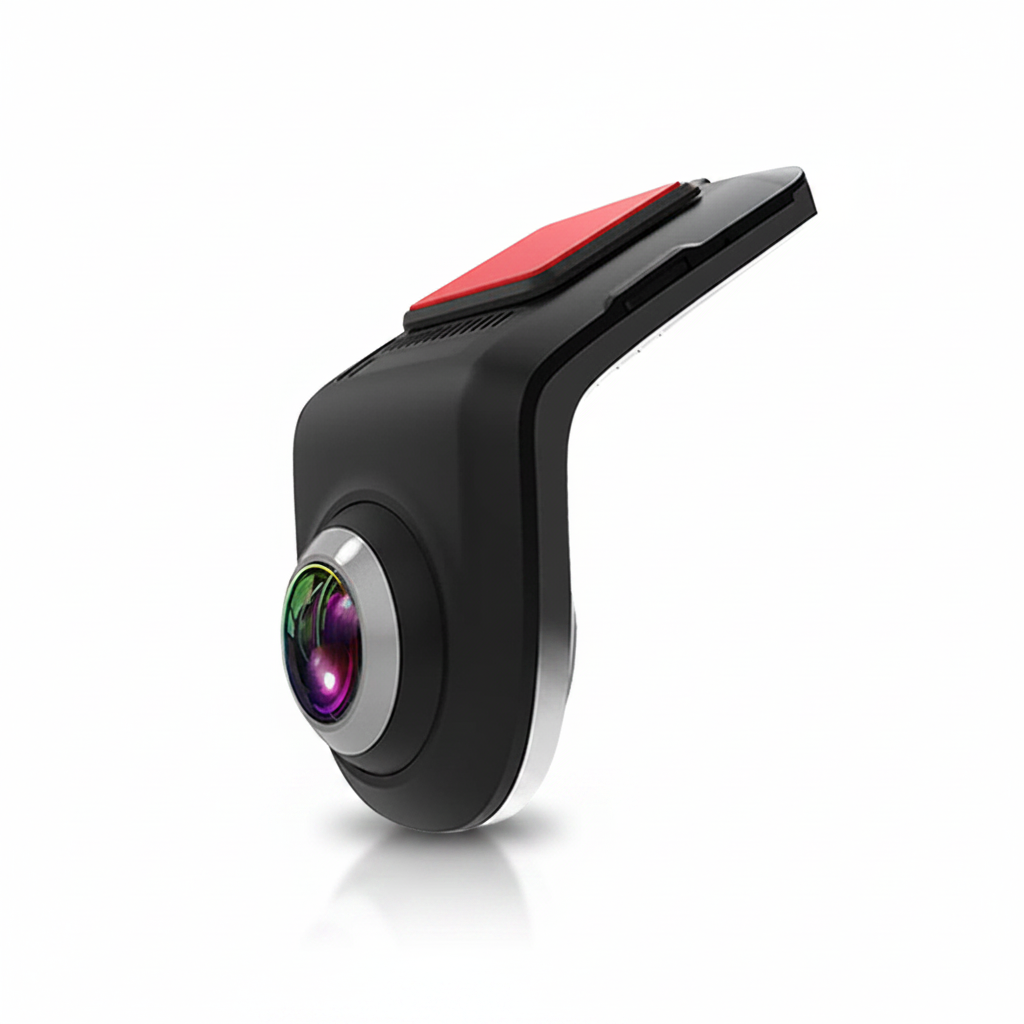
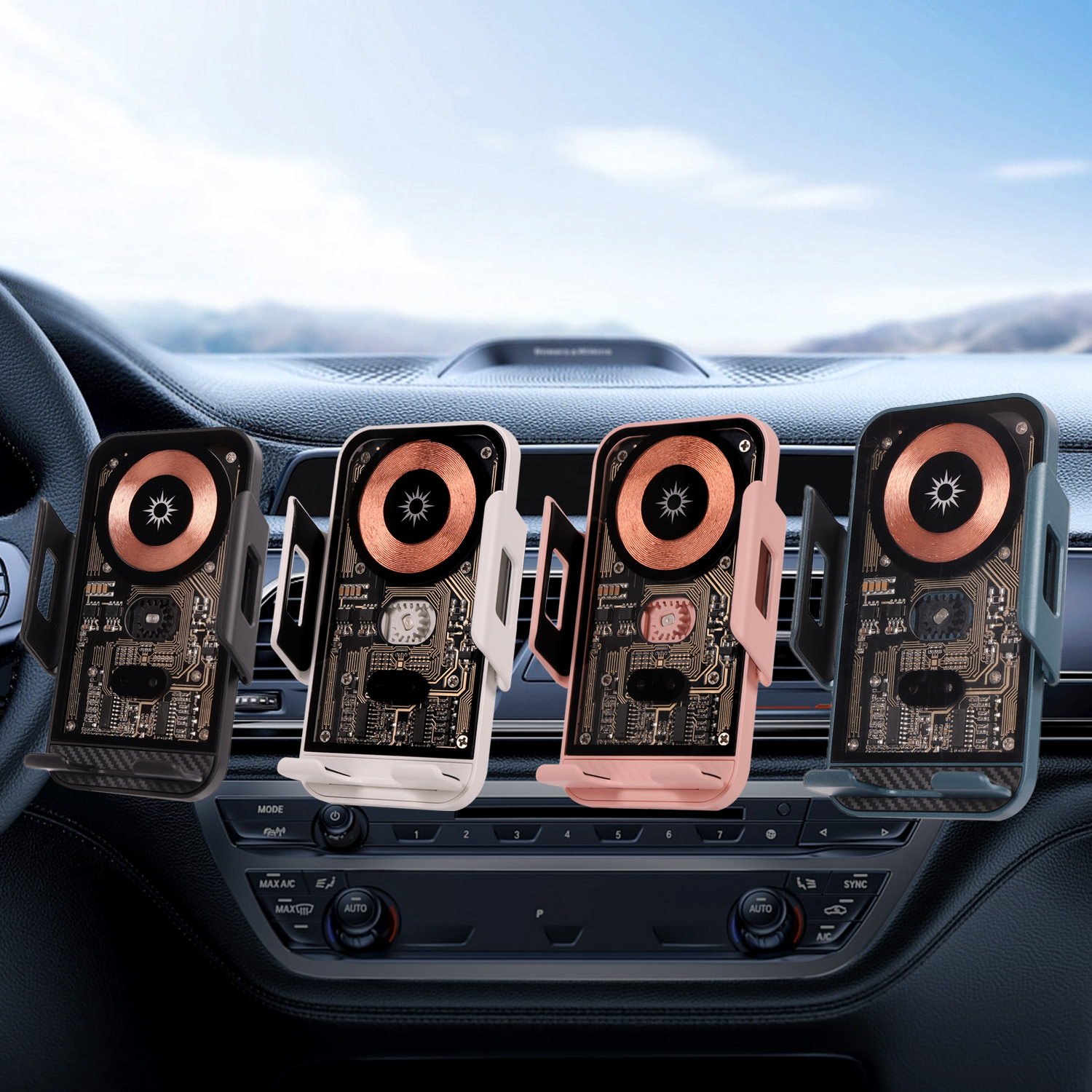
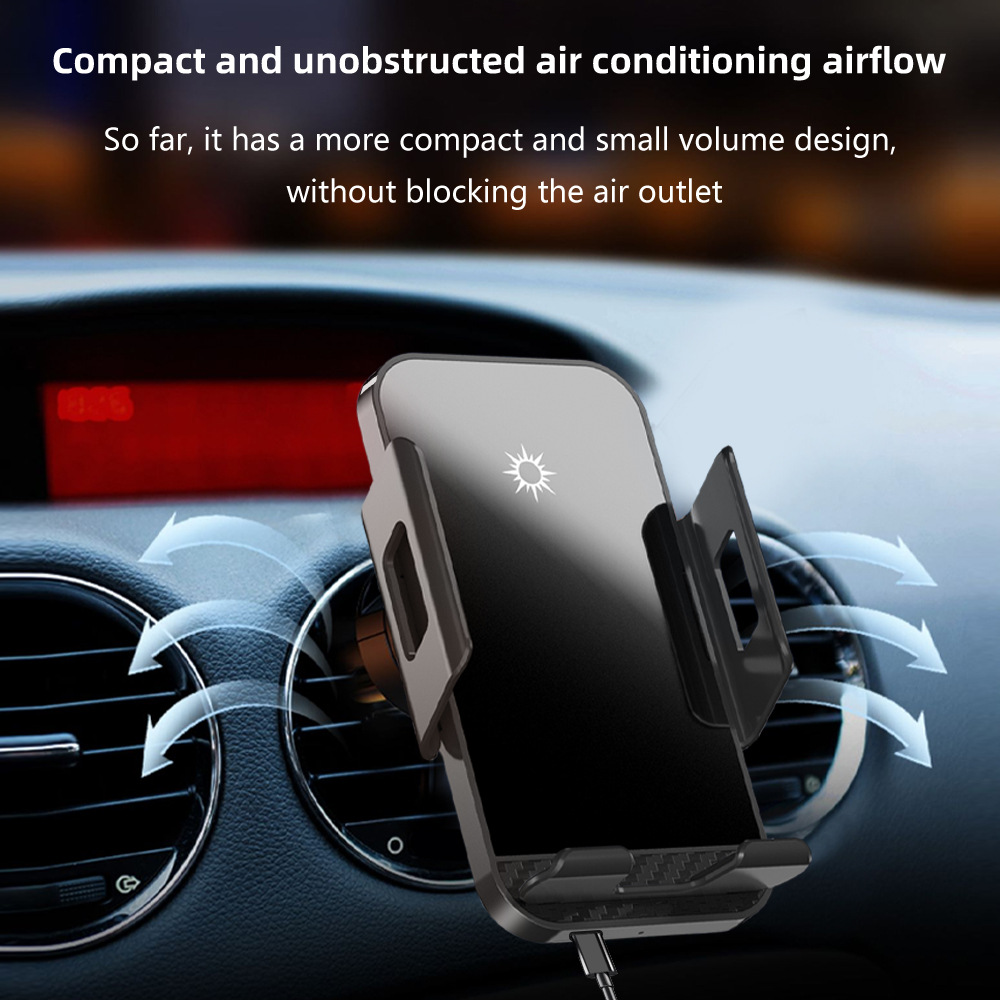
Featured Commercial Vehicle Vision Systems
Factory-direct OEM/ODM camera modules, multi-channel car DVRs, and high-definition commercial fleet vision devices engineered for global distributors.
Industry Whitepaper
Engineering Excellence in Commercial Truck Vision & Rear View Camera Manufacturing
In the modern logistics, transportation, and heavy equipment sectors, rear view and surrounding vision systems are no longer passive luxury accessories; they are vital safety and liability-reduction tools. Commercial fleets operate under rigorous road environments involving high vibration, extreme temperature fluctuations, exposure to corrosive salt spray, and continuous long-hour duty cycles. Selecting a specialized OEM Truck Rear View Camera Factory & Wholesaler is critical for commercial vehicle OEMs, fleet managers, automotive system integrators, and regional wholesalers seeking long-term operational reliability.
As an established industry pioneer based in Shenzhen, China, Jemrok Industrial Technology (Shenzhen) Co., Ltd. brings over six years of dedicated optical R&D, structural engineering, and automated production experience to the global automotive market. Operating a modern 1,500 m² certified manufacturing facility, Jemrok specializes in custom OEM and ODM vehicle safety hardware, producing between 300,000 and 500,000 advanced vision units annually for partners across North America, Europe, Asia, and Oceania.
Value-Added Sourcing Mandate
Our manufacturing philosophy eliminates middle-man margins and guarantees strict component traceability. From SMT circuit design to anti-vibration potting, every rear view camera module is tailored to meet specific industrial voltage standards, IP ratings, and custom hardware enclosure aesthetics.
Core OEM Manufacturing Directives
- Wide Voltage Compatibility (DC 12V–32V): Built-in transient voltage suppressors (TVS) to withstand truck engine cold-cranking and voltage surges up to 60V.
- True Automotive-Grade IP69K Sealing: Fully potted aluminum housings engineered to withstand high-pressure hot water jets and immersion.
- Sony STARVIS™ Night Vision Integration: High sensitivity CMOS sensors delivering sub-0.01 Lux color performance in pitch-black environments.
- Flexible Low-MOQ Customization: Private labeling, custom boot logo firmware, customized wiring looms (4-Pin aviation connectors), and bespoke housing colors starting at 50 sets.
6+
Years R&D Focus
1,500m²
Shenzhen Plant Area
500,000
Annual Unit Capacity
50 Sets
Low OEM MOQ
30+
Export Destinations
Manufacturing Power
Enterprise OEM & ODM Production Capabilities
Why leading global distributors, fleet safety contractors, and aftermarket brands establish long-term manufacturing agreements with Jemrok Industrial Technology.
Full-Spectrum In-House R&D
Our dedicated engineering team (comprising 5–10 senior hardware, optical, and firmware engineers) oversees every stage of development. From PCB layout and thermal simulation to custom Linux/RTOS software tailoring, we convert operational fleet requirements into market-ready hardware rapidly.
AQL Quality Control Protocols
Quality assurance is embedded at every manufacturing node. All optical sensor chips undergo 100% dark-room calibration and automatic resolution testing (MTF charts). Every completed camera unit undergoes 24-hour thermal shock aging (-30°C to +80°C) and rigorous IP68/IP69K water submersion verification.
International Compliance
All heavy-duty truck camera systems, car DVRs, and surrounding safety products produced in our factory fully conform to CE, FCC, E-Mark (ECE R10), and RoHS regulatory frameworks, facilitating smooth customs clearance and compliance across European and North American territories.
Technical Architecture
Engineering Heavy-Duty Truck Vision Hardware
Understanding the optical, electrical, and structural engineering specs that distinguish commercial vehicle cameras from consumer-grade passenger car electronics.
1. Optical & Glass Construction
Consumer dashcams often utilize plastic (PMMA) lens elements that warp or yellow under prolonged UV exposure and extreme heat. Jemrok truck rear view cameras employ all-glass (6G or 7G) multi-layer optical assemblies with IR-cut filters. This prevents focal drift at temperatures reaching +80°C and maintains high Modulation Transfer Function (MTF) sharpness across the entire 120° to 170° ultra-wide field of view.
2. Signal Transmission (AHD vs. CVBS vs. Ethernet)
Commercial trucks and semi-trailers require cable runs exceeding 15 to 25 meters. Traditional CVBS analog signals suffer severe degradation, line noise, and color bleeding over such distances. Our heavy-duty camera systems leverage Analog High Definition (AHD 1080P/720P) and raw LVDS / IP digital video protocols transmitted via shielded 4-pin aviation connectors, ensuring zero-latency, noise-free rear view visibility.
3. Power Electronics & Transient Surge Protection
Truck electrical architecture is notorious for load dumps, reverse polarity events, and voltage spikes during heavy engine starts. Jemrok integrates wide-input DC-DC step-down converters (supporting 12V–32V continuously) coupled with self-recovering fuses and TVS diodes capable of absorbing high-voltage transients up to ISO 7637-2 standard compliance.
4. Thermal Dissipation & Nitrogen Potting
Infrared (IR) LEDs produce substantial thermal output during nighttime operation. Without intelligent thermal management, heat degrades the CMOS image sensor, causing severe image noise (graininess). Our commercial cameras feature die-cast zinc or aluminum housing acting as a physical heat sink, filled with thermally conductive silicone epoxy resin to eliminate internal condensation and seal against dust and humidity.
5. Dynamic Range (WDR & HDR) Processing
Reversing out of a dimly lit loading bay into direct harsh sunlight presents extreme dynamic range challenges. Utilizing multi-exposure Hardware WDR (Wide Dynamic Range) DSP processors, our sensors capture bright highlight detail and shadow detail simultaneously, preventing blown-out high contrast zones and ensuring clear obstacle detection.
6. Vibration & Mechanical Durability
Commercial trucks and construction machinery (dump trucks, excavators, agricultural tractors) subject vision systems to constant low-frequency chassis vibration and severe shocks. Our camera brackets are manufactured from heavy-gauge stainless steel or reinforced die-cast alloy tested under 10G vibration standard testing protocols.
Market Insights
Industry & Product Development Trends in Commercial Vision
The global market for commercial vehicle video safety systems is undergoing a technological revolution driven by regulatory mandates, AI innovation, and fleet digitization. Key macro trends shaping the hardware requirements of tomorrow include:
1. AI-Powered Edge Computing (ADAS & BSD Integration)
Traditional passive rear view cameras are rapidly transitioning to active artificial intelligence systems. Modern truck cameras now feature embedded NPU (Neural Processing Unit) edge processors that perform real-time Blind Spot Detection (BSD), Pedestrian Collision Warning (PCW), and driver fatigue monitoring without requiring external processing boxes.
2. Digital Side Mirror Replacement (CMS - Camera Monitor Systems)
International regulations (UN ECE R46) increasingly permit commercial heavy vehicles to replace bulky traditional physical mirrors with aerodynamic Camera Monitor Systems. CMS drastically reduces aerodynamic drag, fuel consumption, and eliminates traditional optical blind spots during turns and low-light maneuvers.
3. Wireless 5G & Low-Latency WiFi Video Streaming
For articulated trucks, semi-trailers, and modular agricultural equipment, running physical copper cabling between the tractor and trailer is labor-intensive and prone to wire wear. Emerging trends favor digital 2.4GHz and 5.8GHz point-to-point encrypted wireless transmission modules capable of transmitting uncompressed 1080P video with latencies under 100ms.
4. Full Integration with Fleet Telematics & FMS Platforms
Procurement teams are prioritizing camera hardware that seamlessly interfaces with third-party Telematics Control Units (TCUs) via CAN-bus (J1939 / OBD-II), RS232, or Ethernet. Live streaming, video event uploads triggered by G-sensors, and remote video playback are standard operational expectations for fleet operators.
Strategic Sourcing
Future Procurement Trends for Fleet Wholesalers & OEMs
How corporate buyers and supply chain executives can optimize total cost of ownership (TCO) and safeguard their supply chain through strategic OEM partnerships.
Shift Toward Direct OEM Factory Partnerships
Global distributors are moving away from middle-man trading companies in favor of direct, audited factory contracts. Direct factory engagement grants wholesale buyers complete control over hardware component selection, customized firmware architecture, long-term spare parts availability, and competitive direct pricing.
Agile Low-MOQ & Modular Customization
Rapid market changes require procurement strategies that minimize capital lockup in excess inventory. B2B buyers now seek flexible OEM partners offering low minimum order quantities (MOQs starting from 50 sets for customized products) combined with modular hardware platforms that can be quickly adapted for multiple vehicle models.
ESG & Environmental Compliance Mandates
Sustainability mandates across European and North American markets necessitate supply chain transparency. Modern procurement frameworks evaluate factories based on RoHS lead-free soldering processes, energy-efficient manufacturing machinery, recyclable packaging designs, and compliant workplace ethics standards.
Help & Sourcing FAQ
Frequently Asked Sourcing Questions
Clear answers to technical, logistical, and commercial questions commonly asked by enterprise buyers, OEM engineers, and importers.
What is the Minimum Order Quantity (MOQ) for custom OEM truck camera orders?
Our minimum order quantity for custom OEM/ODM production (including silk-screen logo printing, custom boot screens, customized menu software, bespoke housing colors, and retail packaging) starts at only 50 sets. For off-the-shelf standard models, sample testing orders can be placed starting from 2 units for quality evaluation before bulk commitment.
How do your truck cameras handle 24V commercial vehicle voltage spikes?
Unlike passenger car electronics that operate strictly on 12V, our commercial truck cameras are engineered with an integrated wide-voltage DC-DC power supply supporting a continuous range of DC 12V to 32V. Furthermore, the internal power circuit features transient voltage suppression (TVS) diodes that protect the sensor against high-voltage inductive spikes and load dump occurrences common in heavy diesel trucks.
What certifications and quality standards do your cameras meet?
All products manufactured at our Shenzhen facility comply with international standards including CE, FCC, and RoHS. Specific heavy-duty camera models feature verified IP68 and IP69K waterproof/dustproof test reports. Full compliance documentation and test certificates can be provided during sample evaluation.
What custom OEM/ODM options are supported by Jemrok's R&D team?
Our in-house design and engineering team supports comprehensive customization across both hardware and software layers, including:
• Custom aluminum housing tooling & optical lens angle adjustments (60°, 90°, 120°, 150°, 170°).
• Board-level customization (AHD, CVBS, LVDS, USB, Ethernet/IP outputs).
• Firmware modifications (boot logo, user interface language, customized parking gridlines, distance markers).
• Specialized connector wiring (4-pin aviation connectors, RCA, BMW 4-pin, waterproof M12 connectors).
• Customized branding and retail packaging box design.
What is your monthly manufacturing capacity and production lead time?
Our 1,500 m² Shenzhen factory produces between 300,000 and 500,000 camera and DVR units annually. Typical lead times for sample orders are 3–5 business days. Standard OEM production orders are completed and dispatched within 15–20 business days, depending on custom tooling and component specifications.
How do your cameras achieve night vision performance in complete darkness?
We incorporate high-sensitivity Sony STARVIS™ and OmniVision CMOS sensors featuring low light sensitivity down to 0.001 Lux. Combined with high-power 850nm or 940nm Infrared (IR) LEDs or white LED fill-lights with automatic light-sensor control (CDS), our cameras provide crystal-clear monochrome or full-color night vision imaging over distances exceeding 15 to 20 meters.
Partner with a Trusted OEM Truck Camera Manufacturer Today
Accelerate your product launch, reduce after-sales return rates, and secure competitive direct factory pricing. Contact our engineering and commercial sales team to request product samples, factory audit reports, and complete wholesale catalogs.