Featured Vision & Electronics Product Lines
Direct-from-factory vehicle cameras, chargers, and monitoring systems engineered for global importers and distributors.
Industrial Sourcing Analysis: Custom OEM Reverse Camera Manufacturing
In the rapidly evolving automotive electronics market, selecting an experienced Custom OEM Reverse Camera Manufacturer & Wholesaler is no longer just a purchasing decision—it is a critical strategic imperative for Tier-1 automotive distributors, aftermarket brand owners, commercial fleet operators, and OEM assembly partners. Automotive backup vision systems have transitioned from luxury add-ons to mandatory safety components under international vehicle safety mandates (such as the US FMVSS 111 regulation and EU General Safety Regulation GSR II).
This whitepaper provides an engineering-grade breakdown of rear-view camera technology, component selection metrics, custom tooling workflows, quality control protocols, and global procurement trends. Developed by Jemrok Industrial Technology (Shenzhen) Co., Ltd., this document incorporates over six years of focused research and development in automotive vision engineering, multi-channel car DVR manufacturing, and high-reliability reversing safety platforms.
Technical Architecture: Optics, Sensors, and Signal Processing
To achieve superior night vision, wide-angle clarity, and zero-latency video rendering, reverse camera engineering requires harmonious integration across three core hardware layers: Optical Lens Assemblies, Image Sensor Semiconductors, and Image Signal Processors (ISP).
1. Optical Lens Assemblies: All-Glass (6G / 6G+1IR) vs Plastic Configurations
Many low-cost wholesale cameras utilize plastic (PMMA) lens elements that degrade under solar UV exposure, turning yellow and warping under engine heat. OEM vehicle cameras manufactured by Jemrok utilize 100% glass optical stacks (4G, 6G, or 6G+1IR with infrared cutoff filter). All-glass lenses ensure optical clarity, stable focus across extreme temperature ranges, and superior light transmission (apertures down to F1.8 or F1.6). Furthermore, lens distortion correction (LDC) algorithms are integrated into the firmware to maintain wide field-of-view angles (140° to 170° FOV) while reducing peripheral image warping.
2. CMOS Image Sensor Technology & Low-Light Sensitivity
Image sensor selection dictates low-light performance (lux rating) and dynamic range during night reversing. Modern automotive backup systems utilize back-illuminated (BSI) CMOS sensors, such as Sony STARVIS™ IMX series or high-sensitivity OmniVision sensors. These sensors achieve minimal lux requirements (0.01 Lux to 0.001 Lux ultra-night vision), enabling drivers to see clearly in pitch-black parking environments without relying solely on reverse lighting.
3. Video Signal Formats: CVBS vs. AHD 720P/1080P vs. Digital Wireless
Selecting the appropriate signal transmission format is vital for system compatibility with factory head units, aftermarket Android displays, or fleet telematics monitors.
| Transmission Standard | Resolution | Signal Latency | Transmission Distance | Ideal Application Scenario |
|---|---|---|---|---|
| CVBS (NTSC / PAL) | 480P / 600 TVL | < 5 ms (Zero) | Up to 10 meters | Legacy Vehicles, Cost-Sensitive Aftermarket |
| AHD (Analog High Def) | 720P / 1080P HD | < 10 ms (Zero) | Up to 30 meters (Coaxial) | Android Head Units, Fleet Commercial Trucks |
| LVDS / FPD-Link III | 1080P / 2K Uncompressed | Near-Zero Digital | Up to 15 meters | OEM Factory Installed Dashboards & ADAS |
| 2.4GHz FHSS Digital Wireless | 720P / 1080P Encrypted | 100 - 120 ms | Up to 100 meters (Line of Sight) | Heavy Trailers, Agricultural Machinery, RVs |
Full OEM / ODM Customization Spectrum for Global Wholesalers
As a direct manufacturer based in Shenzhen, China's core electronics hub, Jemrok delivers flexible contract manufacturing capabilities. We enable brand owners to bring custom reverse camera platforms from initial concept sketch to mass production in as little as 30 to 45 days.
Custom Housing & Tooling
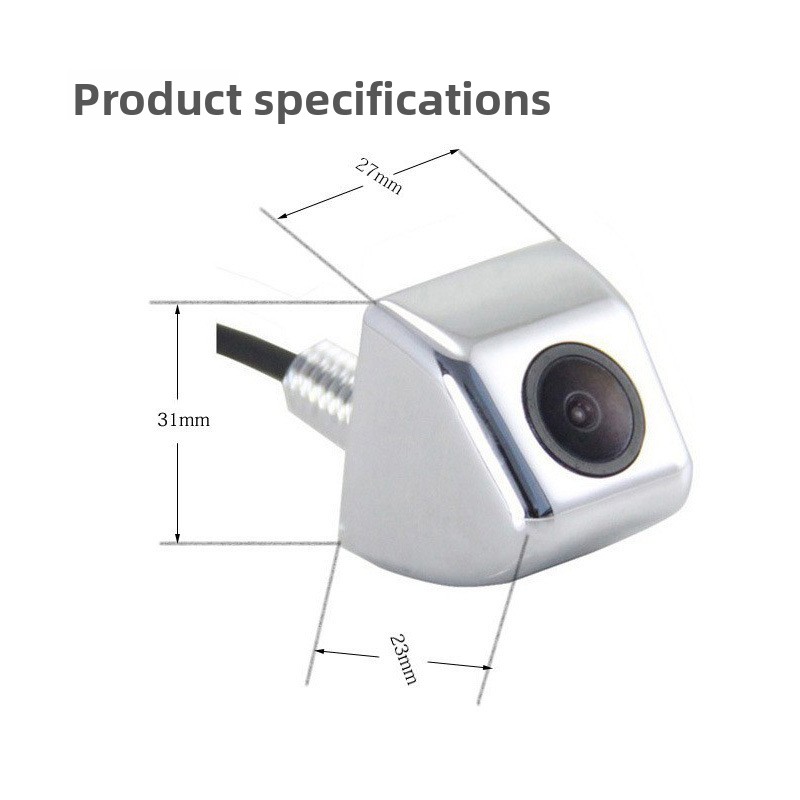
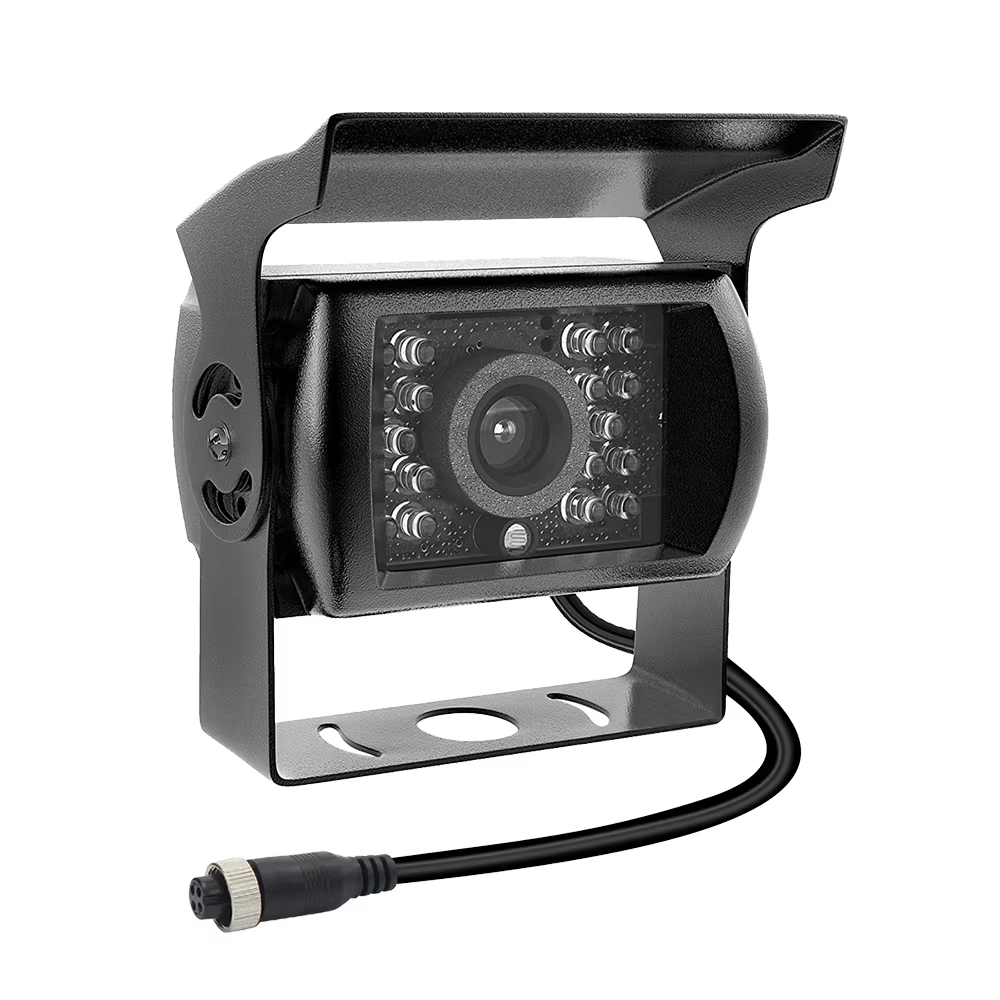
Die-cast zinc alloy, ABS plastic molding, Korean-style external flush mounts, license plate integrated brackets, and heavy-duty commercial metal enclosures.
Hardware & PCB Engineering
12V to 24V-36V wide-voltage power module integration, anti-interference filter circuits, reverse polarity protection, and customized low-power standby designs.
Firmware & ISP Tuning
Dynamic dynamic guideline trajectory algorithms, custom boot-up brand logos, PAL/NTSC switching via control loops, and custom color reproduction profiles.
Cable & Connector Tailoring
Standard RCA connections, 4-pin M12 aviation waterproof screw plugs, BMW mini 4-pin/6-pin harness connectors, and custom wire lengths up to 20 meters.
Packaging & Branding
Custom silk-screen logo printing, laser engraving, customized retail color box packaging, User Manual translation (EN, DE, FR, ES, RU), and barcoding.
Regulatory Compliance
Tailored testing and certification assistance for CE, FCC, RoHS, E-Mark (E9/E13), REACH, and IP69K liquid ingress validation documentation.
Future Trends in Reverse Camera Sourcing & Procurement (2025-2030)
The global vehicle camera market is experiencing a profound paradigm shift driven by technological advancement and evolving buyer demands. Importers and procurement officers must align their product portfolios with these key trajectory trends:
A. AI-Powered Blind Spot Detection (BSD) & Pedestrian Recognition
Traditional reverse cameras only display visual feeds to the driver. Next-generation OEM cameras integrate low-power NPU (Neural Processing Unit) chips directly inside the camera housing. This enables real-time AI object detection (vulnerable road users, pedestrians, cycling hazards) and issues immediate acoustic or visual alerts onto the monitor, reducing backover accidents in commercial trucks and buses without requiring expensive external ADAS processors.
B. High-Definition 1080P AHD Replacing Legacy CVBS
As aftermarket Android displays and digital monitors become standard across global fleets, demand for standard definition (480P CVBS) is dropping rapidly. AHD 1080P cameras offer four times the pixel resolution at nearly identical hardware costs, delivering sharp color reproduction and superior edge clarity during nighttime maneuvering.
C. Streaming Media Digital Rearview Mirrors
Commercial vans, box trucks, and SUVs with obstructed rear windows are aggressively adopting streaming media rearview mirrors paired with wide-angle rear cameras. Replacing standard reflective glass with ultra-bright LCD screens driven by continuous rear camera feeds eliminates interior blind spots caused by passengers, headrests, or cargo loads.
D. Extreme Environment Ingress Protection (IP69K Standard)
Standard IP67 waterproofing is no longer sufficient for heavy-duty commercial fleet applications. Modern fleet buyers require IP69K ratings—ensuring the camera module can withstand close-range, high-pressure, high-temperature washdowns (up to 100 bar pressure at 80°C) without moisture ingress or lens fogging.
Enterprise Quality Control & Reliability Assurance
To maintain a defect rate consistently below 0.3%, Jemrok operates strict quality assurance procedures across every stage of manufacturing inside our 1,500 m² Shenzhen facility.
Thermal Shock Testing
Cameras undergo 48-hour environmental chamber testing alternating between -40°C and +85°C to verify thermal solder integrity and lens stability.
High-Pressure Water Submersion
100% of camera modules are submerged under 1.5 meters of water and subjected to high-pressure water spray before housing sealing approval.
Vibration & Drop Stress
Simulating 3-axis continuous roadway vibration across commercial vehicle frames to ensure zero loose optical elements or cracked solder joints.
Why Global B2B Buyers Partner with Jemrok
Located in Shenzhen, China, Jemrok Industrial Technology (Shenzhen) Co., Ltd. stands out as a dedicated manufacturer specializing exclusively in car DVRs, vehicle reversing cameras, and mobile vision monitoring systems.
Unlike general trading vendors, our focused R&D engineering team (5–10 specialized hardware/firmware engineers) releases new design upgrades every quarter, helping our international distributors stay ahead of market trends. With an annual manufacturing output of 300,000 to 500,000 units, we balance high-volume scale with low-barrier OEM customization—supporting brand startup orders from as low as 50 sets.
- Factory Direct Value: Eliminates middleman trading margins for competitive B2B wholesale pricing.
- Rapid Inquiry Response: Dedicated account management team providing engineered quotes within 1 hour.
- Full Certification Compliance: Products manufactured compliant with CE, FCC, and RoHS market entry standards.
- Global Export Reach: Serving verified fleet clients and automotive importers in 30+ countries across North America, Europe, Asia, and Oceania.
Frequently Asked Questions (FAQ) for Reverse Camera Wholesalers
What is the Minimum Order Quantity (MOQ) for custom OEM reverse camera branding?
Customized OEM orders featuring personalized logo printing, custom packaging, and branded boot screens start at a low threshold of just 50 sets. For standard in-stock wholesale models, sample evaluation orders can be placed starting from 2 units.
What is the typical production lead time for wholesale and OEM orders?
Standard wholesale product shipments are dispatched within 3 to 7 working days. Custom OEM mass production orders typically require 15 to 20 working days, depending on housing tooling requirements and packaging customization depth.
How do I choose between AHD and CVBS reverse cameras for my target market?
CVBS (analog) is ideal for older factory screen integrations and entry-level cost-sensitive markets. AHD (720P/1080P) is recommended for modern aftermarket Android head units, commercial truck monitors, and premium brand listings requiring crisp high-definition resolution.
Are Jemrok vehicle cameras compatible with commercial 12V–24V voltage systems?
Yes. While standard passenger car cameras run on 12V DC, our commercial truck and bus cameras are engineered with wide-voltage power modules supporting 12V–24V (up to 36V DC peak) to withstand vehicle battery spikes and heavy generator loads.
What international certifications do your products comply with?
All Jemrok products are designed and manufactured in compliance with CE, FCC, and RoHS environmental standards. Complete test reports and documentation can be provided to support customs clearance and local regulatory compliance.
Accelerate Your Vehicle Camera Lineup Today
Partner directly with Shenzhen’s specialized OEM reverse camera manufacturer. Contact our engineering team for technical specifications, custom tooling quotes, and sample evaluation packages.