Featured OEM Automotive Night Vision & Camera Modules
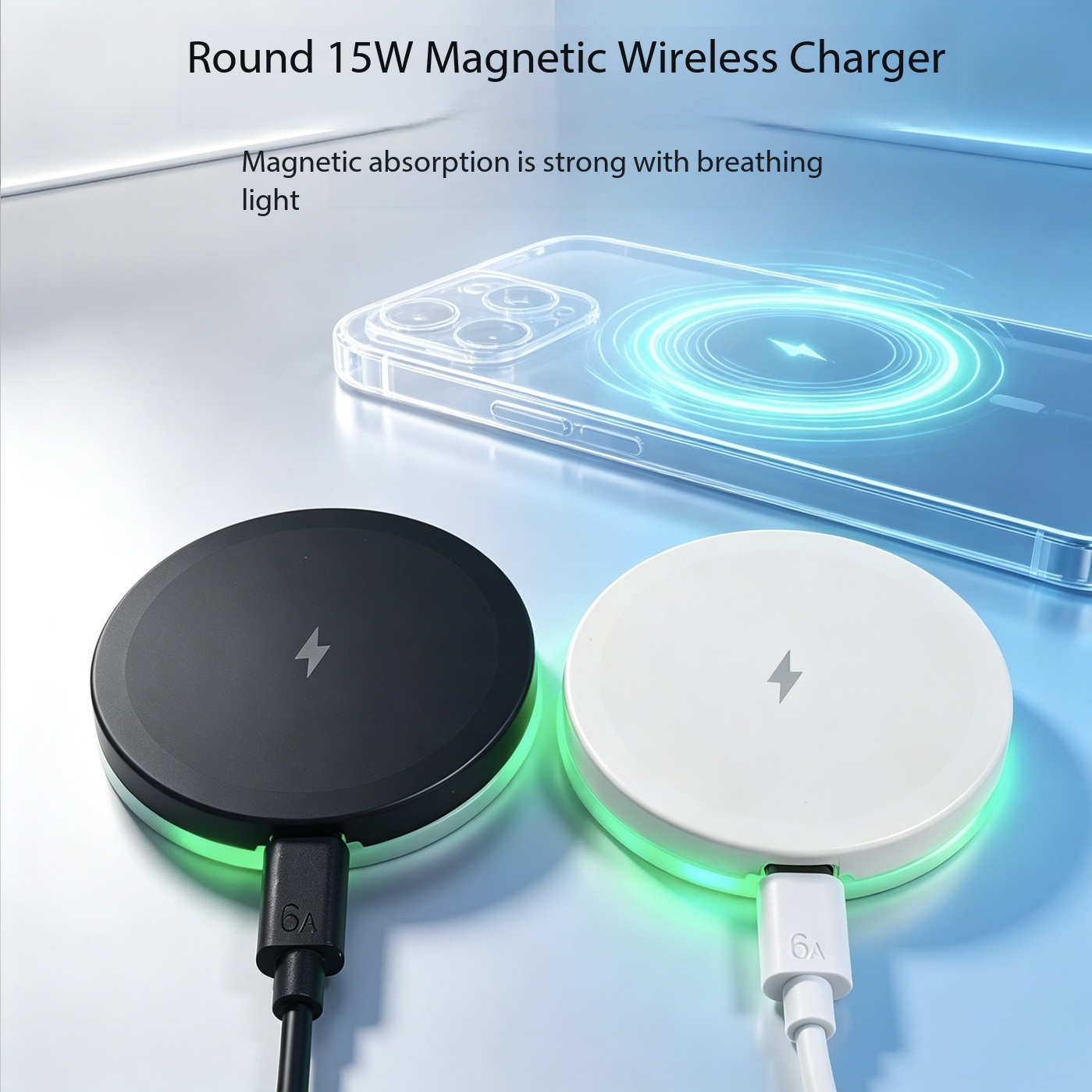
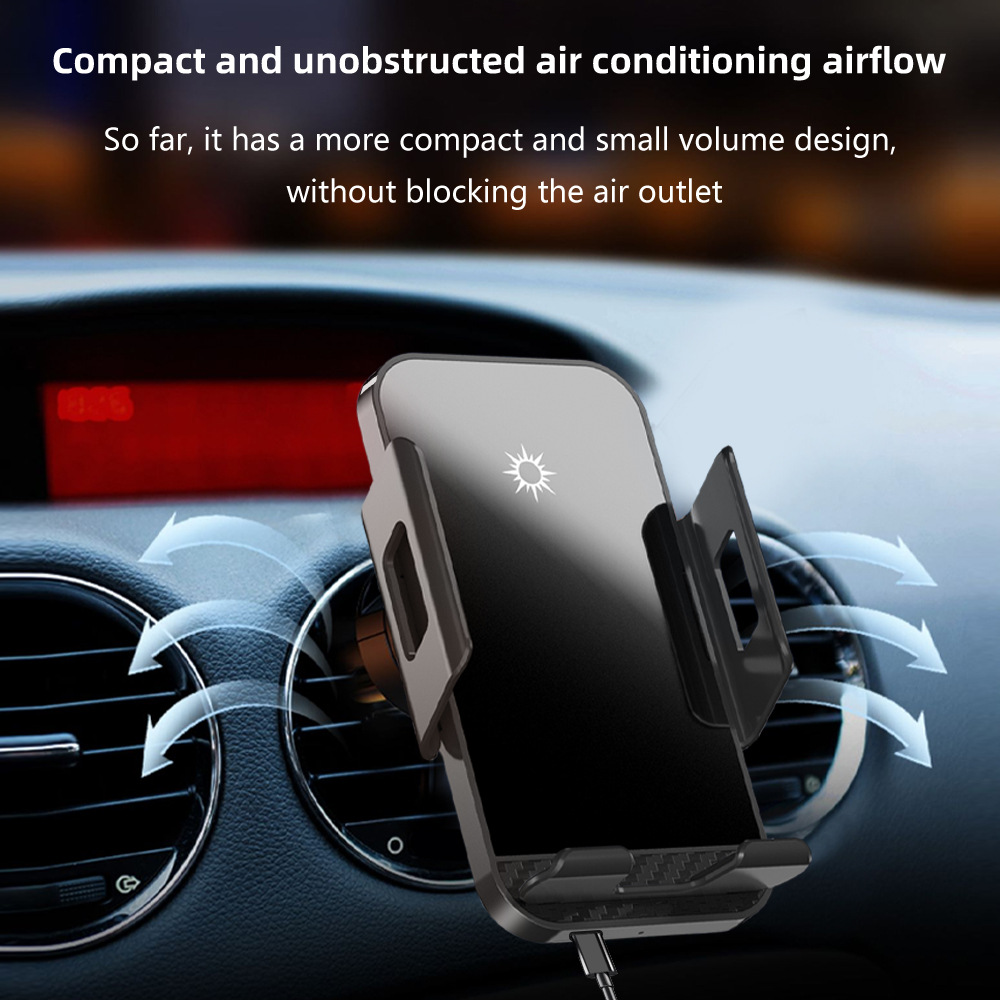
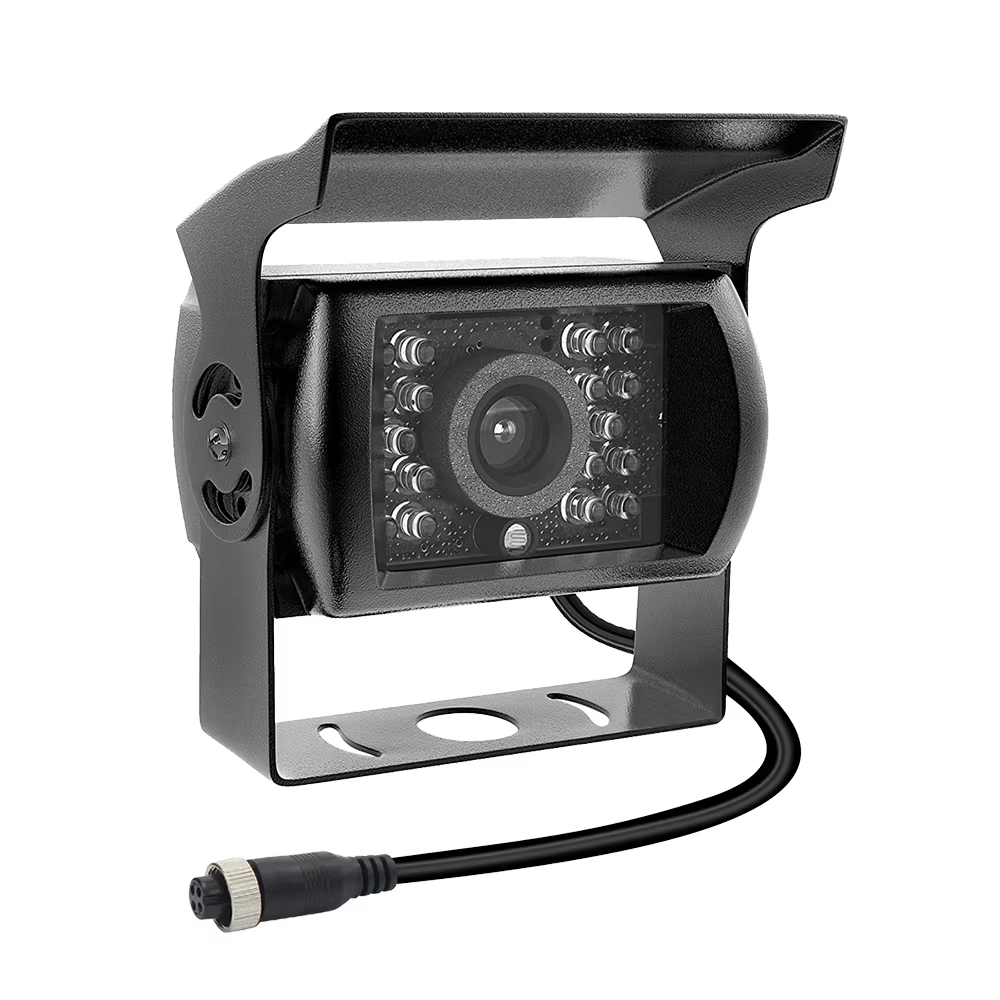
Explore our high-performance automotive rear view cameras, wireless chargers, and multi-channel vehicle monitoring platforms manufactured to strict CE, FCC, and RoHS standards.
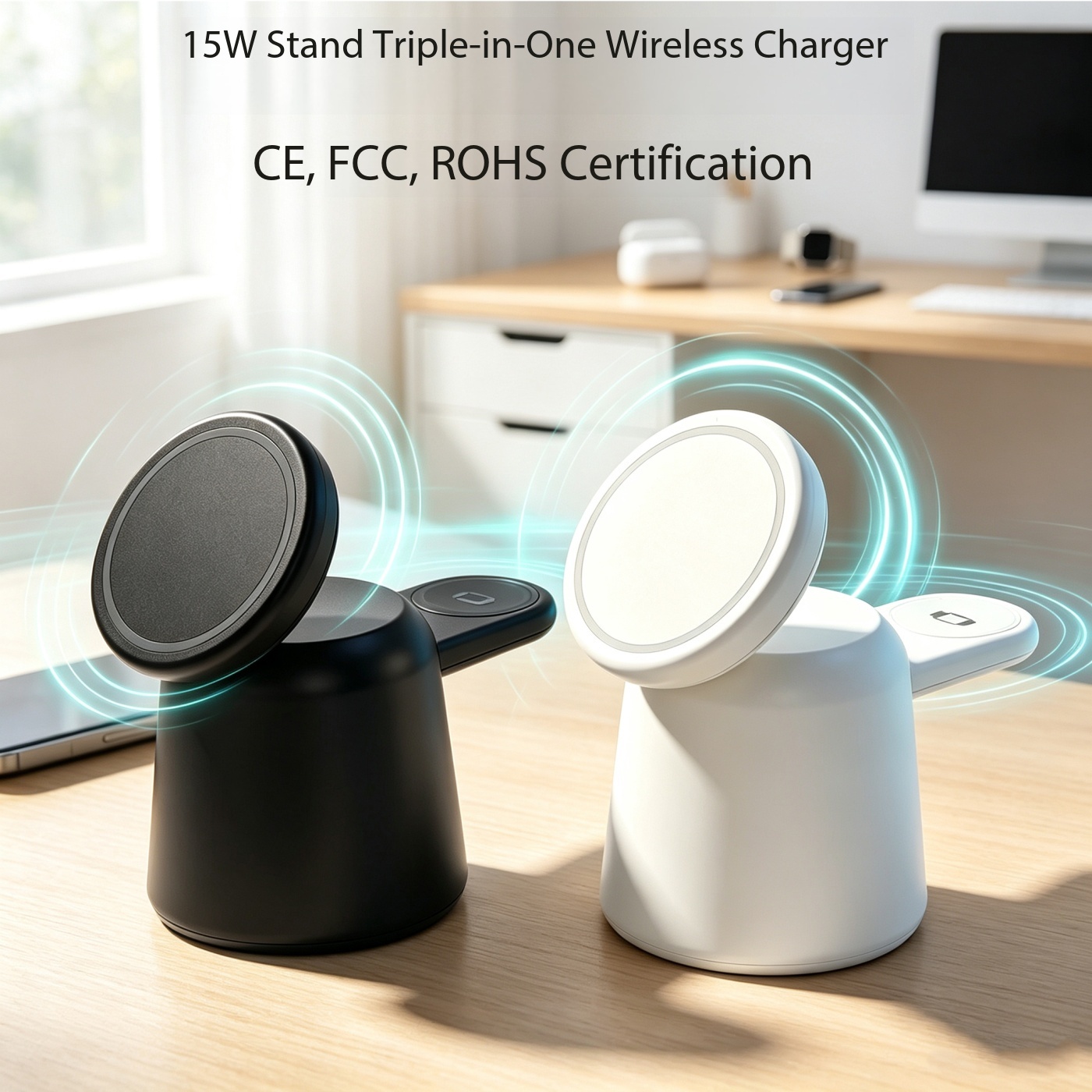
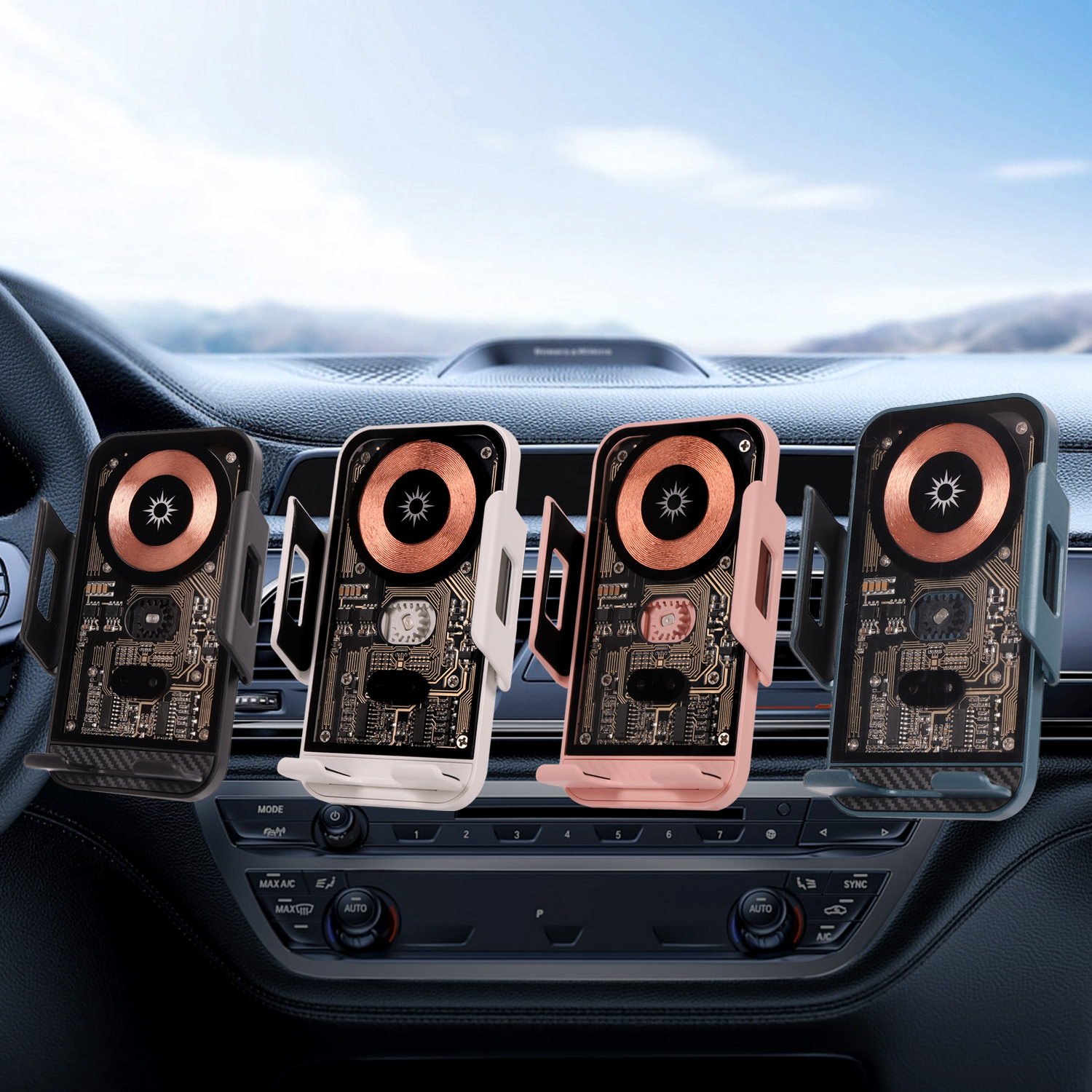
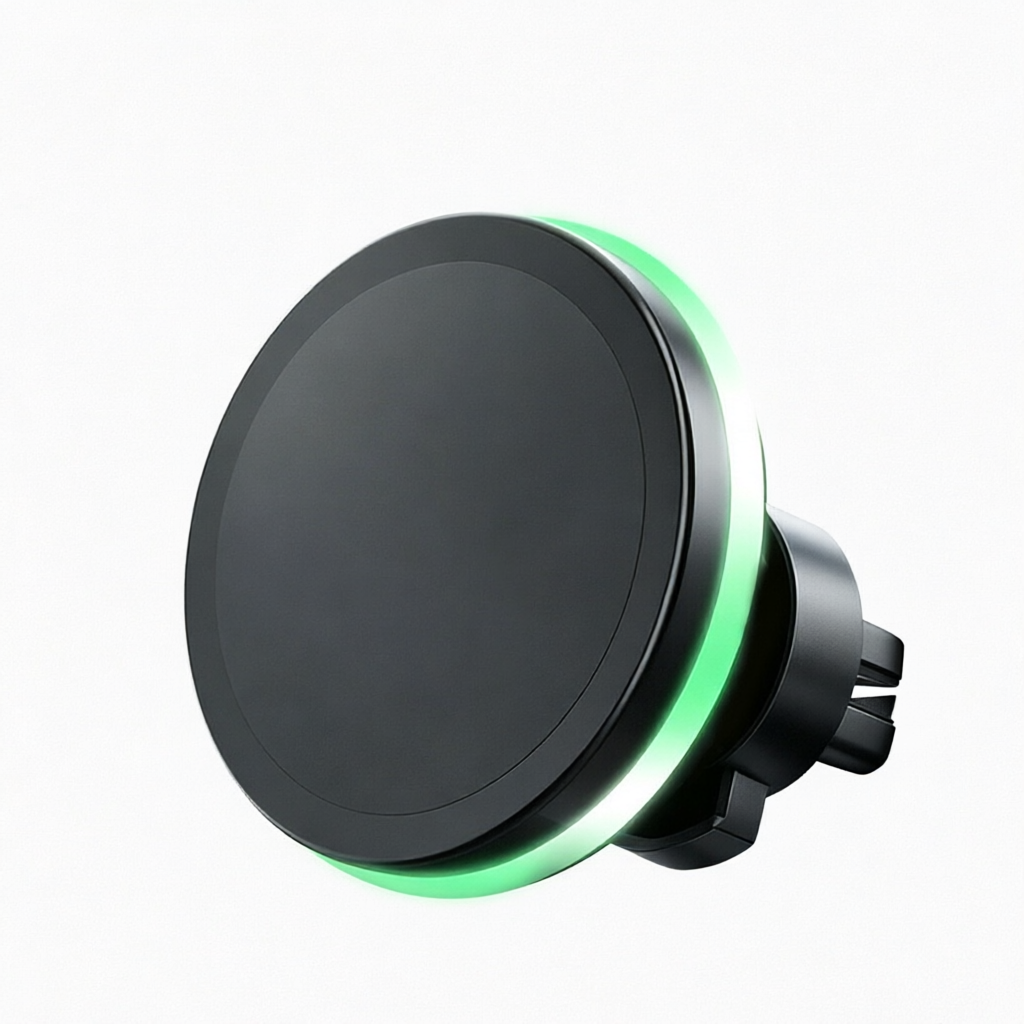
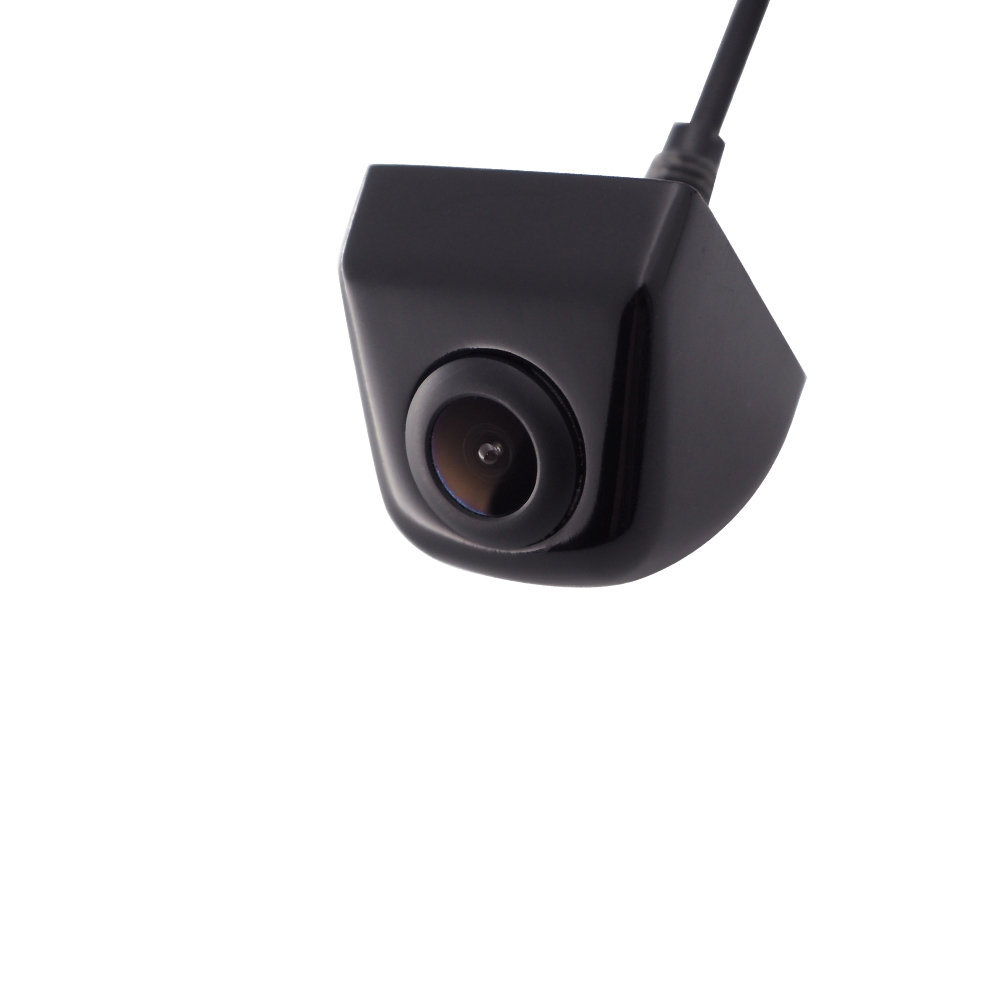
Jemrok Industrial Technology: Elite Automotive Camera Manufacturing
Direct-from-factory OEM/ODM solutions engineered in Shenzhen, China. Built on 6+ years of dedicated optical research and advanced surface-mount technology (SMT).
In-House Optical & Firmware R&D
Supported by 5–10 senior engineering specialists focusing on ISP fine-tuning, low-light signal noise reduction (SNR), and custom CAN-bus protocol integration for seamless automotive electronics syncing.
Active Alignment (AA) Lens Assembly
We utilize computerized Active Alignment processing to calibrate optical lenses across 6 degrees of freedom, guaranteeing uniform corner-to-corner sharp image resolution and zero tilt distortion under temperature shifts.
Rigorous Environmental Testing
Every camera batch undergoes IP69K thermal water immersion tests, high/low temperature bake cycles (-40°C to +85°C), vibration endurance testing, and salt spray anti-corrosion qualification prior to packaging.
Technical Architecture & Evolution in Custom Night Vision Rear View Cameras
In the rapidly evolving automotive vision market, reverse parking safety and commercial fleet driver monitoring demand unprecedented clarity in total darkness. Traditional rear view cameras suffered from dynamic range washing under blinding headlights and severe pixelation in near-zero lux environments. Today, custom OEM night vision rear view camera manufacturers leverage advanced hardware-software convergence to achieve extreme low-light visibility.
1. Sensor Physics: Sony STARVIS 2 & Ultra-Low Lux Performance
The primary differentiator in premium automotive night vision cameras lies in sensor architecture. Modern OEM factories utilize backside-illuminated (BSI) and stacked CMOS sensors such as Sony STARVIS 2 (IMX662 / IMX675) and Omnivision HDR series. Unlike standard front-side illuminated sensors, BSI sensor technology repositions the wiring layer behind the photodiode array, dramatically maximizing light absorption area.
Combined with ultra-large aperture lenses (F/1.4 to F/1.6) featuring multi-layer anti-reflective optical glass, these camera modules capture light sensitivity below 0.0001 Lux. This enables vivid color reproduction even under ambient starlight conditions without requiring aggressive infrared LED illumination that can cause washouts on reflective license plates.
2. ISP Algorithms: 3D-DNR, True HDR, and LED Flicker Mitigation (LFM)
Optics alone cannot compensate for high dynamic range challenges, such as reversing out of a dark garage into direct sunlight or encountering oncoming high-beam headlights at night. OEM custom cameras utilize specialized Image Signal Processors (ISPs) running real-time frame processing:
- Real-Time 3D Dynamic Noise Reduction (3D-DNR): Compares consecutive video frames to filter out spatial and temporal signal noise without sacrificing image sharpness or causing temporal ghosting trails.
- Multi-Exposure True HDR (>120dB): Simultaneously captures high-speed long and short exposures, merging them at the pixel level to prevent overexposed highlights from headlights while revealing hidden obstacles in shadowed zones.
- LED Flicker Mitigation (LFM): Synchronizes sensor exposure timing with digital automotive LED tail lights and road signage, eliminating image flickering on commercial displays.
Automotive Camera Transmission Signal Comparison Matrix
Selecting the correct video transmission signal architecture is vital for system integrators, auto OEMs, and fleet buyers. The table below illustrates key performance tradeoffs across major automotive camera transmission formats:
| Transmission Tech | Max Resolution | Signal Latency | Max Cable Distance | EMC/EMI Immunity | Target Application |
|---|---|---|---|---|---|
| CVBS (Analog) | 480p / 570p | < 1ms (Instant) | Up to 10m | Moderate | Legacy Passenger Cars, Budget Retrofits |
| AHD (Analog High Def) | 1080p @ 30fps | < 5ms (Imperceptible) | Up to 30m (Coaxial/UTP) | High (Shielded) | Commercial Trucks, Buses, Caravans |
| LVDS / FAKRA (Digital) | 4K / 8MP | < 2ms | Up to 15m | Very High (Automotive Grade) | OEM Factory Headunits & ADAS Systems |
| IP Ethernet (100BASE-T1) | 1080p / 2K | 30ms - 80ms | Up to 100m | Maximum (Galvanic Isolation) | Intelligent Fleets & Telematics Hubs |
Future Procurement Trends in Vehicle Vision & Reversing Systems (2025–2030)
Global automotive supply chains are shifting rapidly toward unified vehicle safety ecosystems. As regulatory bodies enforce stricter blind-spot detection and reversing safety mandates, importers and fleet procurement managers must align with custom OEM factories capable of integrating future-proof engineering features.
Integration of AI-BSD Blind Spot Analytics
Procurement is transitioning from passive visual monitoring to active warning systems. Modern rear view cameras incorporate onboard NPU edge AI chips capable of real-time pedestrian detection (PD) and vehicle detection (VD), highlighting collision risks directly on the driver screen without needing bulky external ECU boxes.
Wide-Voltage Power Management (DC 9V–36V)
Commercial buyers are prioritizing heavy-duty wide-voltage power supplies with transient surge suppression. Built-in load-dump protection prevents camera burnouts caused by voltage spikes during heavy diesel engine cranks or alternator load switches in 12V/24V truck fleets.
Thermal Infrared Fusion & Hybrid Sensors
To conquer extreme foggy, snowy, or zero-light road environments, next-generation OEM prototypes fuse far-infrared (FIR) thermal imaging cores with traditional high-definition optical CMOS sensors, presenting dual-spectrum vision for zero-visibility navigation.
Frequently Asked Questions for Custom OEM Night Vision Camera Sourcing
Get direct answers regarding custom tooling, Non-Recurring Engineering (NRE) costs, lead times, and quality assurance workflows.
Partner with a Trusted OEM Night Vision Camera Factory
Accelerate your time-to-market with proven automotive camera platforms, direct factory pricing, and dedicated engineering support from Shenzhen's leading vehicle vision manufacturer.