Wholesale Product Portfolio
Featured Automotive Cameras, Multi-Channel Recorders & In-Vehicle Accessories Ready for OEM/ODM Private Labeling
Executive Summary & Automotive OEM Vision Electronics Ecosystem
The global automotive camera market is undergoing a structural paradigm shift. As autonomous driving architectures advance from L2+ assist to higher automation levels, and as commercial fleet safety compliance becomes strictly regulated across North America, Europe, and the Asia-Pacific region, custom OEM automotive camera manufacturing has evolved from basic video recording to complex Optical-Electronic System Integration. B2B importers, Tier-1 automotive electronics distributors, and fleet telemetry providers no longer seek generic off-the-shelf consumer cameras. Instead, market leadership requires hardware engineered for critical operating conditions, ultra-low light performance, precise ISP (Image Signal Processor) tuning, and customized firmware frameworks.
This industry whitepaper serves as an authoritative procurement guide compiled by senior automotive system architects and supply chain directors at Jemrok Industrial Technology (Shenzhen) Co., Ltd. It analyzes core engineering parameters, optical assembly standards, upcoming technological vectors for 2025–2030, and key evaluation metrics for establishing high-yield OEM/ODM factory partnerships in China's Silicon Valley.
Enterprise Advantages & Factory Manufacturing Infrastructure
Direct OEM/ODM Capabilities Eliminating Intermediary Overhead
Dedicated Focus & Deep R&D Expertise
Unlike generic consumer electronics traders, Jemrok specializes exclusively in in-vehicle vision and charging hardware. With over six years of concentrated engineering, our 5–10 senior software and hardware engineers develop custom PCB layouts, optical lens matches, and ISP image algorithms tuned for challenging road environments.
Flexible OEM/ODM Production Architecture
We break traditional high-barrier factory constraints by supporting OEM private labeling starting from as few as 50 sets. For standard sampling and bench evaluation, orders can be fulfilled from 2 pieces. This agility enables global brands to pilot regional markets with minimal capital exposure.
Rigorous Automotive Quality Compliance
Operating out of our 1,500 m² Shenzhen production plant, our manufacturing workflow complies with international export standards including CE, FCC, and RoHS. Every camera unit undergoes multi-stage functional verification, 100% full-burn-in high-temperature aging tests, and optical alignment calibration.
Rapid Time-to-Market & Agile Support
With a 300,000 to 500,000 annual unit output capacity, we maintain strict lead-time schedules. Our international sales engineering division guarantees a prompt inquiry response within 1 hour, maintaining a high repeat-buyer retention rate across more than 30 countries.
Full-Stack Hardware & Firmware Customization
We provide full-scope customization services including physical housing design, custom boot animation, localized GUI menu languages, hardwire kit power management, high-speed Wi-Fi module integration, and customized retail packaging solutions.
Synergistic Cockpit Ecosystem Integration
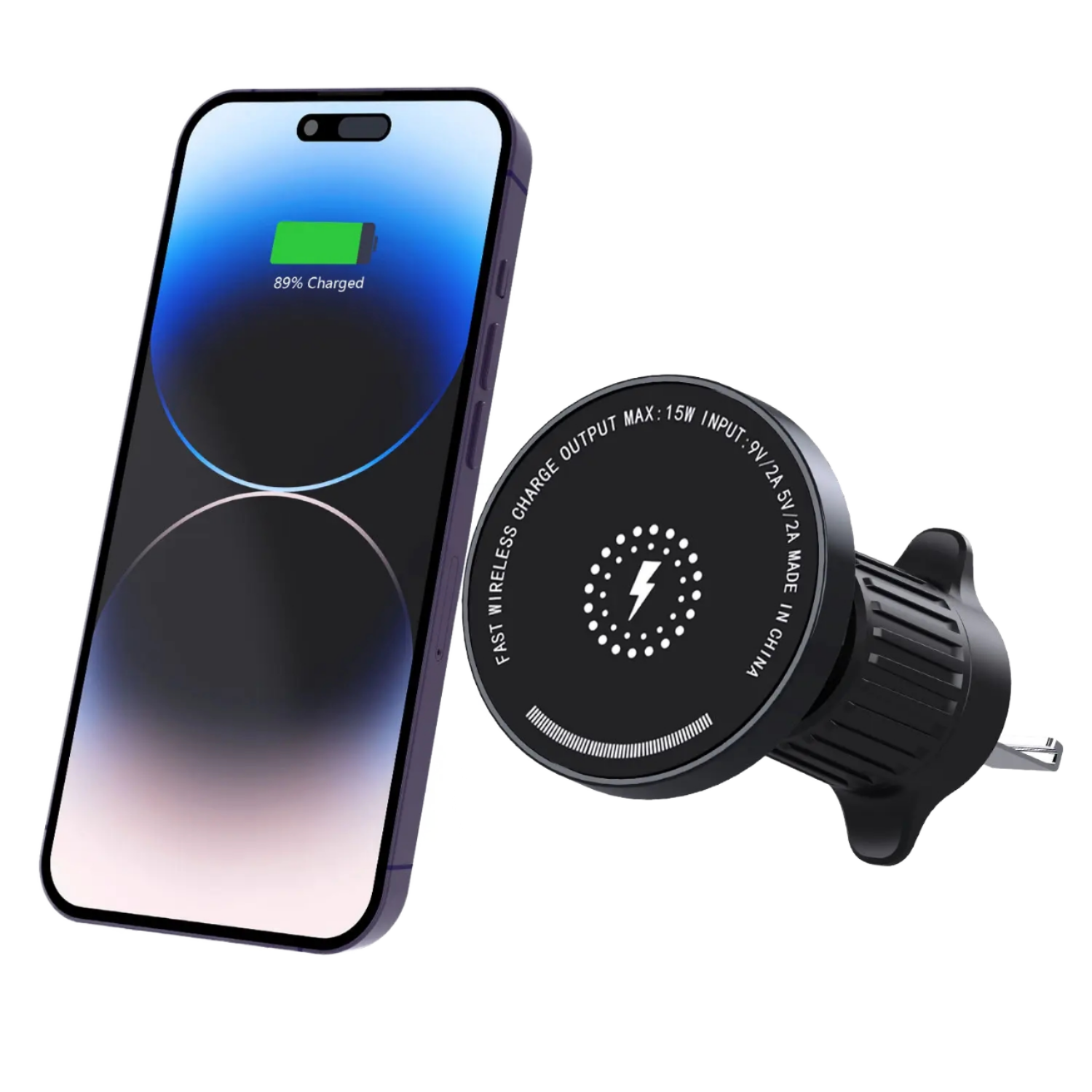
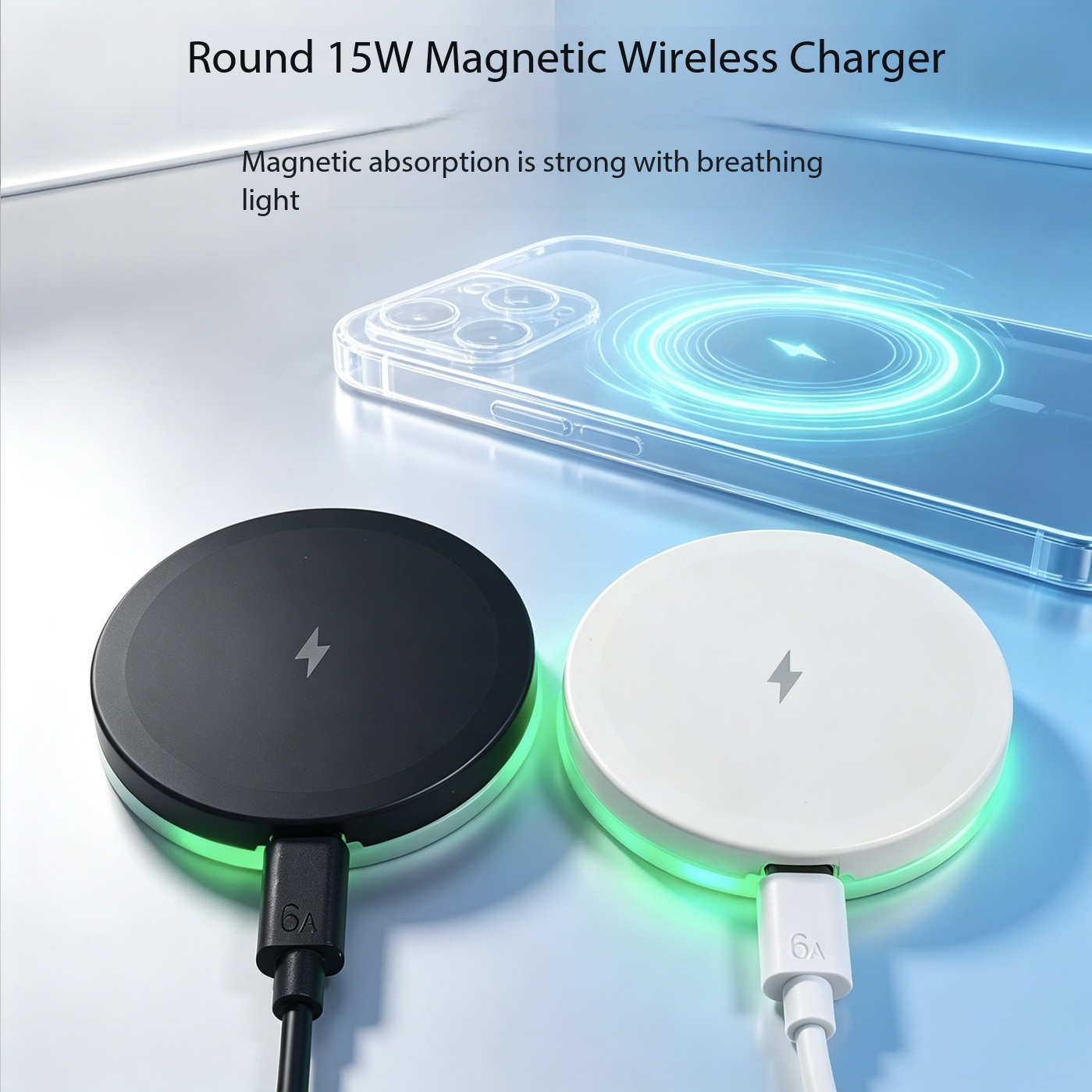
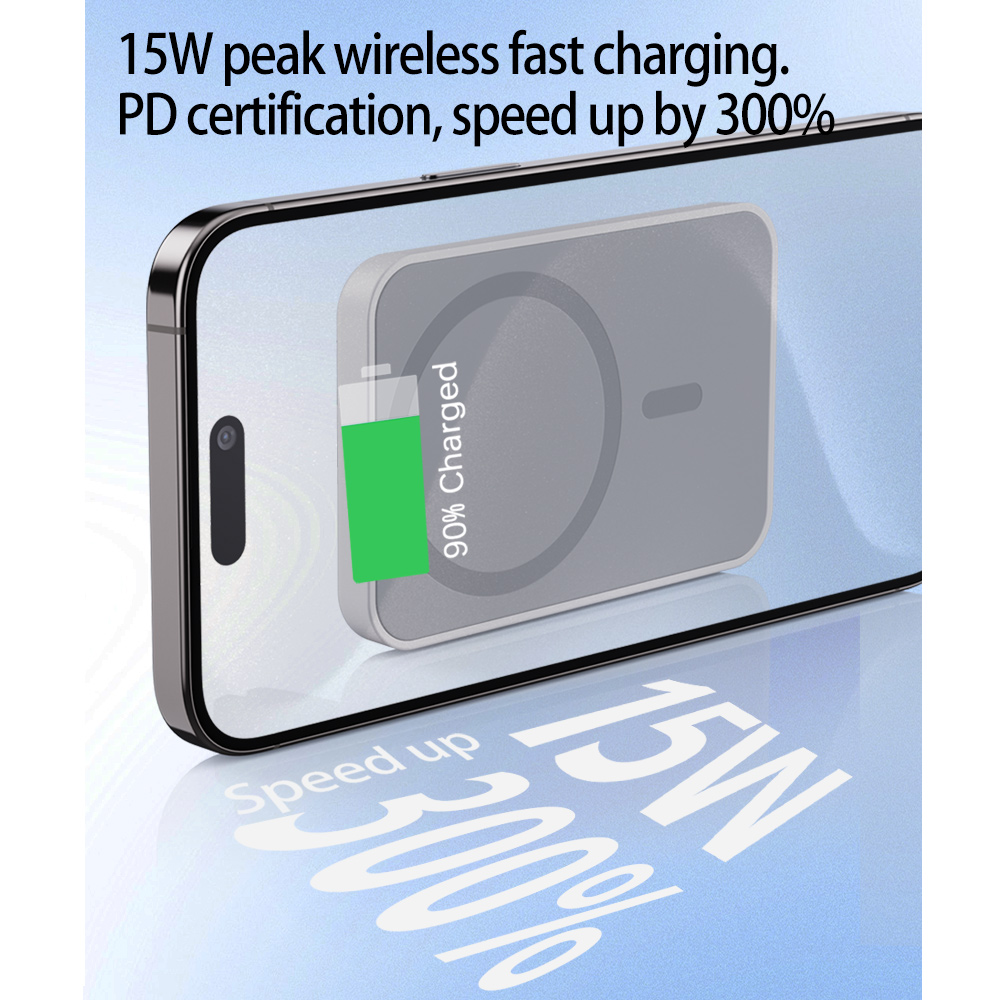
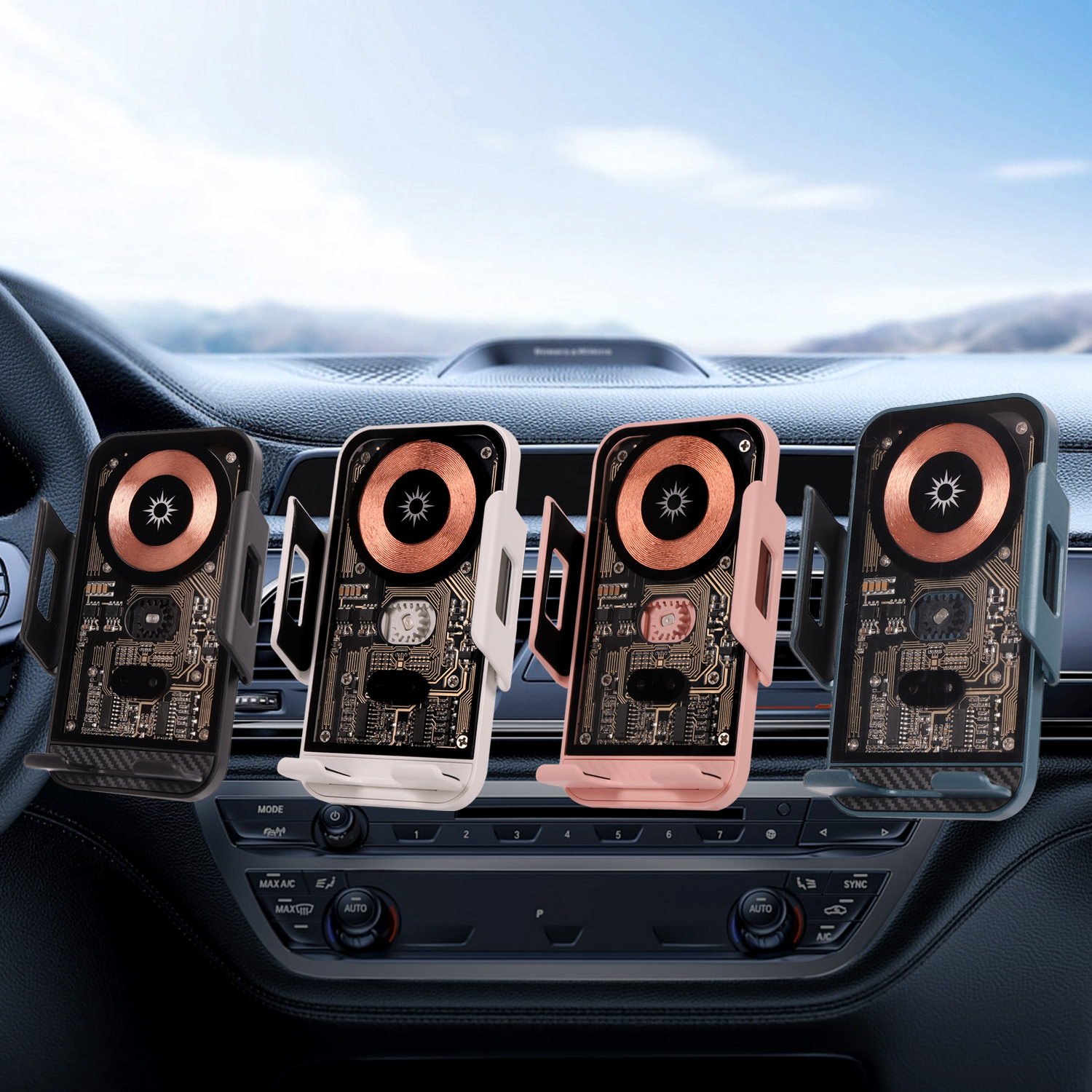
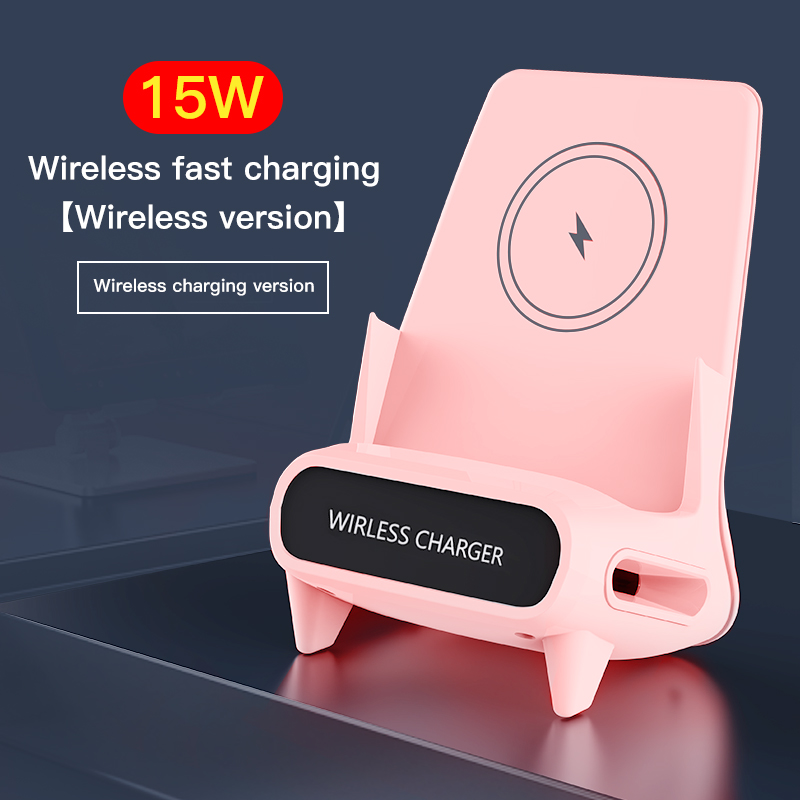
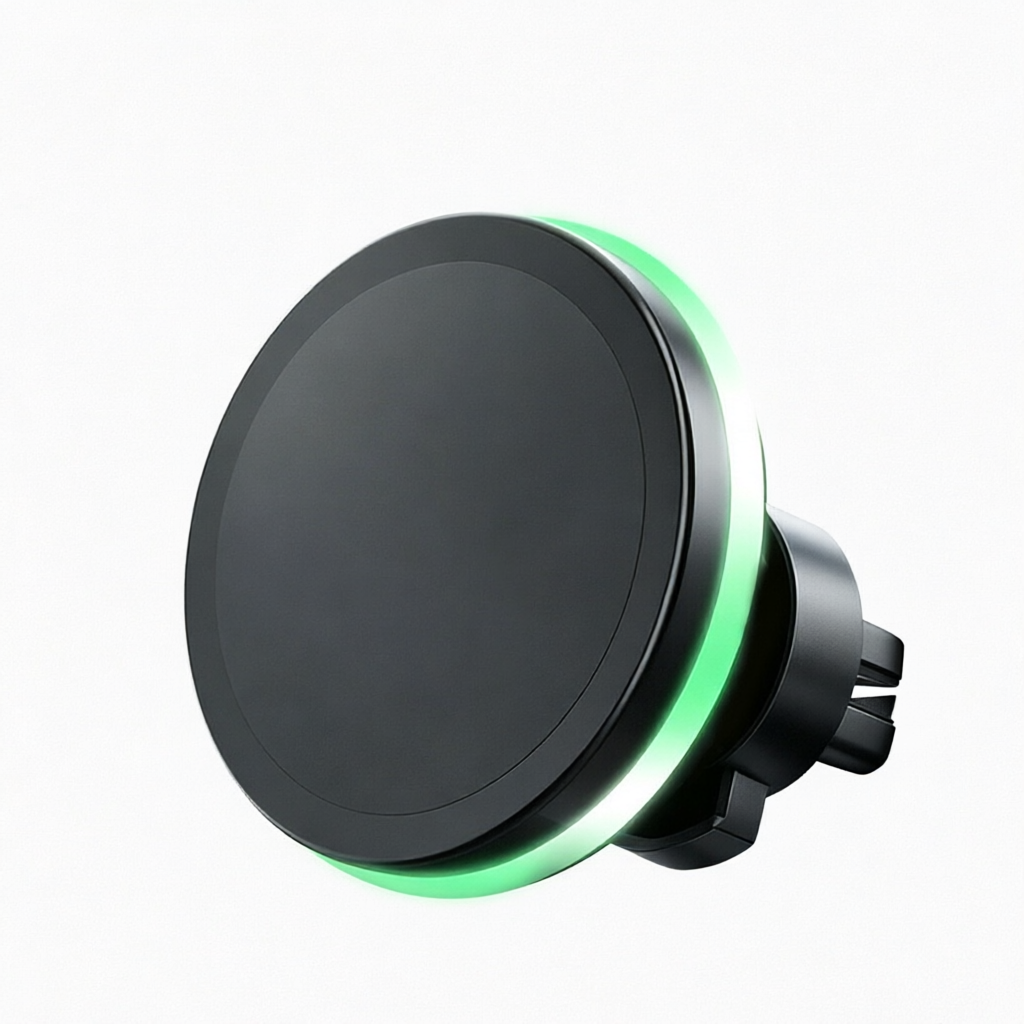
In addition to advanced multi-channel Dash Cam and AHD backup systems, our technical portfolio extends to high-efficiency in-vehicle magnetic wireless charging mounts (15W MagSafe and QC3.0 compatible) engineered for extreme vibration resistance and thermal efficiency.
In-Depth Engineering Breakdown: Automotive Camera System Architecture
To make informed B2B procurement decisions, commercial buyers must understand the primary hardware stack components that determine the field reliability, image fidelity, and lifespan of automotive camera hardware.
1. Optical Lens Assembly & Aperture Engineering
Automotive environments experience temperature fluctuations from -20°C to +70°C (or up to +85°C for commercial applications). Low-end plastic lenses suffer from severe thermal focal shift, resulting in blurry recordings under direct sunlight. OEM-grade cameras utilize 6G all-glass lens stacks integrated with metallic lens barrels and F/1.6 or F/1.8 large apertures to maintain optical sharpness across extreme thermal cycles.
2. Sensor Selection & ISP Dynamic Range (WDR/HDR)
Capturing license plates during high-speed night driving or exiting dark tunnels demands high dynamic range (>120dB WDR). By coupling STARVIS ultra-low-light CMOS sensors with high-performance processors (such as Novatek or Allwinner platforms), our OEM cameras achieve balanced exposure, effective 3D noise reduction (3DNR), and crisp 2K/4K resolution.
3. Multi-Channel Signal Synchronization & Bus Protocols
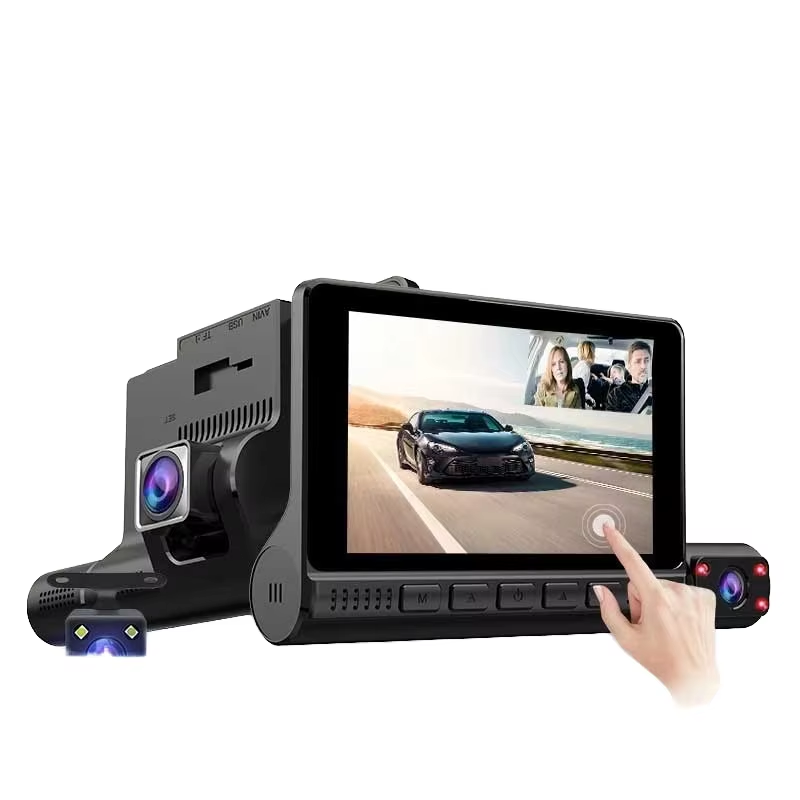
Modern 3-channel and 4-channel car DVR systems require concurrent real-time encoding (H.264/H.265 compression) across front, cabin, rear, and lateral blind-spot feeds without frame dropping. Commercial transport systems utilize high-bandwidth AHD (Analog High Definition) or digital LVDS signal lines over 4-pin aviation connectors to ensure zero latency and anti-interference performance.
4. Power Management & Thermal Supercapacitors
Traditional lithium-ion batteries pose severe fire and swelling risks under high cabin heat during vehicle parking. Premium OEM automotive cameras replace lithium cells with industrial-grade supercapacitors. These ensure safe emergency video write-closing during sudden vehicle power interruptions and support 24/7 parking monitoring hardwire kits.
Future Procurement Trends & Technology Roadmap (2025–2030)
Key Innovation Vectors Shaping the Next Generation of In-Vehicle Safety Equipment
Trend 1: AI-Powered Edge Vision & ADAS/DMS Integration
Future dash cameras are expanding beyond passive video recording into edge-computing safety terminals. OEM buyers are increasingly specifying embedded AI algorithms for Advanced Driver Assistance Systems (ADAS)—including Lane Departure Warning (LDWS) and Forward Collision Warning (FCWS)—alongside Driver Monitoring Systems (DMS) for fatigue and distraction detection via cabin-facing infrared cameras.
Trend 2: Cloud Telematics & High-Speed 5G/Wi-Fi 6 Interconnectivity
Fleet operators and ride-hailing services (such as Uber, Lyft, and commercial logistics transport) require instantaneous video access. The procurement trend is shifting rapidly toward dual-band 5G/2.4GHz Wi-Fi and built-in 4G/5G LTE cellular modules. This enables real-time GPS tracking, automatic collision cloud uploading, emergency SOS broadcast, and remote live-view monitoring.
Trend 3: High-Voltage Commercial Vehicle System Standardizations
With global electrification in public transport, trucks, and heavy machinery, camera systems must support 12V–24V–36V wide voltage input ranges, alongside robust reverse polarity protection, surge protection, and IP68/IP69K heavy-duty waterproof enclosures capable of withstanding high-pressure steam cleaning.
Trend 4: Seamless Cockpit Power & Wireless Mounting Synergy
Modern vehicle interior aesthetics demand clean cabin setups without cluttered wires. Wholesalers are bundling smart multi-channel cameras with high-grade magnetic fast-charging mounts (15W MagSafe/PD2.0 platforms) utilizing automatic electric sensor clamping mechanisms and heat dissipation design.
Step-by-Step B2B Factory Audit & Sourcing Checklist
When selecting a Chinese automotive camera OEM manufacturer, professional procurement managers should evaluate suppliers against these five core benchmarks:
1
Verify SMT Assembly & Optical Alignment Precision
Ensure the factory utilizes automated SMT lines and dedicated active alignment (AA) optical bench equipment. Manual lens focusing leads to uneven corner blur and high return rates.
2
Audit Environmental Stress Screening (ESS)
Confirm that batch samples undergo rigorous thermal shock testing (-30°C to +80°C), vibration table testing simulating rough road conditions, and ESD static discharge testing (IEC 61000-4-2).
3
Review Firmware Source Code Flexibility
Ensure the supplier's in-house software engineers can modify SDK parameters—such as G-sensor impact trigger thresholds, video clip loop length, parking guard voltage cut-offs, and custom branded startup logos.
4
Assess Intellectual Property & Compliance Certification
Request certified CE, FCC, RoHS, and E-mark test reports directly from accredited testing laboratories (SGS, TUV, or Intertek) to prevent customs delays or marketplace takedowns.
Frequently Asked Questions (FAQ) for B2B Sourcing
Expert Answers to Critical Procurement, Technical, and Logistical Questions
What is the minimum order quantity (MOQ) for custom OEM dash camera orders?
For custom OEM production—including custom logo silk-screening, custom boot animation software, localized menu languages, and bespoke box design—our starting MOQ is 50 sets. For standard unbranded units or sample evaluation, we support trial orders starting from 2 pieces.
Which certifications do Jemrok automotive cameras and chargers comply with?
All Jemrok products are manufactured under strict quality standards and comply fully with CE, FCC, and RoHS regulations. Specific heavy-duty commercial vehicle cameras also conform to IP68/IP69K waterproof ingress standards. Full certification files and test reports are provided upon request prior to mass production.
What is your facility's annual production capacity and standard production turnaround time?
Our 1,500 m² Shenzhen manufacturing plant delivers between 300,000 to 500,000 units annually. Standard sample dispatch takes 3–5 business days. Mass production lead times for custom OEM orders typically range from 15 to 25 calendar days depending on component customization depth.
Can Jemrok develop completely new ODM hardware platforms or physical molds?
Yes. Our in-house R&D team consists of senior mechanical designers, PCB hardware engineers, and firmware developers. We offer turnkey ODM services—from industrial design rendering and rapid 3D sample prototyping to plastic injection tooling, PCB layout, and custom software development.
How do supercapacitors compare to lithium batteries in automotive camera reliability?
Supercapacitors are significantly superior for automotive applications. Unlike lithium batteries, which degrade rapidly under heat and pose explosive swelling risks inside hot vehicles, supercapacitors operate safely across high temperature ranges (-20°C to +70°C), deliver extended lifespan, and guarantee safe write-saving of emergency video clips during sudden electrical failure.
How should buyers choose between 1-channel, 2-channel, 3-channel, and 4-channel configurations?
Single-channel cameras suit budget-conscious retail lines. 2-channel (Front + Rear) and 3-channel systems (Front + Cabin + Rear) are ideal for private cars, rideshare drivers (Uber/Lyft), and taxi fleets requiring interior coverage. 4-channel and 360-degree surround systems paired with 12V–24V wide voltage capabilities are designed for trucks, buses, commercial logistics fleets, and heavy equipment blind-spot mitigation.
Partner with a Leading Shenzhen OEM Automotive Camera Factory
Elevate your product catalog with high-reliability, certified automotive vision systems and fast wireless charging solutions engineered for global markets. Get instant factory-direct pricing, custom engineering consultation, and sample support within 1 hour.