Wholesale Vehicle Cameras & Power Electronics
High-precision optical rear cameras, multi-channel car DVRs, and high-performance automotive accessories manufactured under rigorous IATF quality controls.
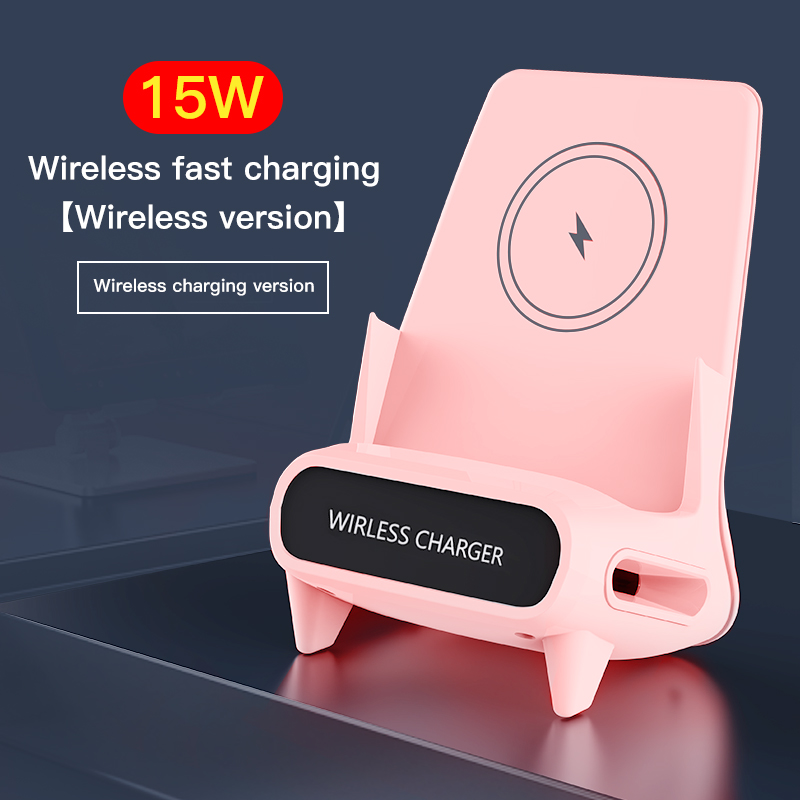
Newest 15W Magnetic Wireless Charger & Phone Tablet Holder Desk Stand Chair Wireless Charger Wholesale
View Details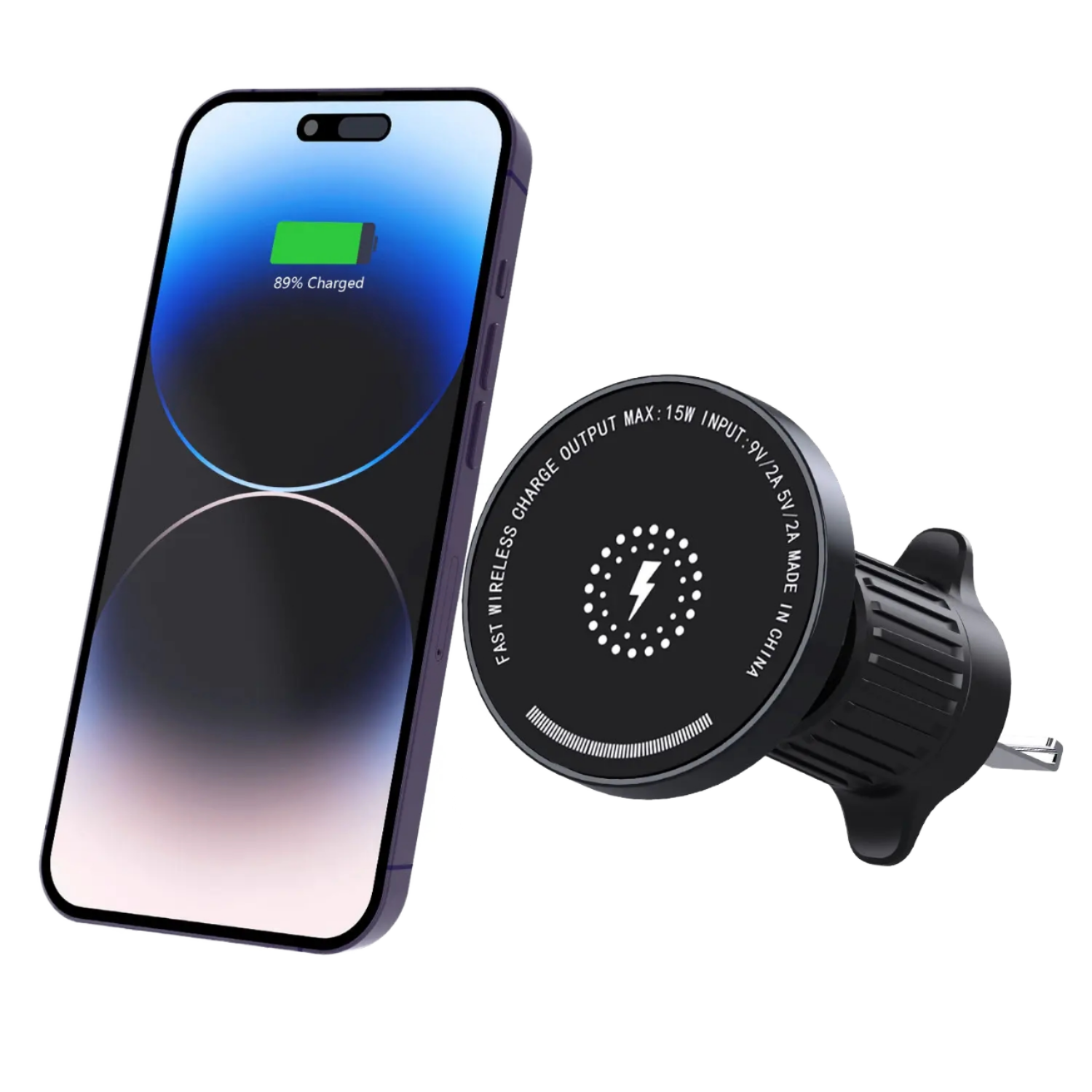
Strong Magnetic 15W Wireless Fast Charging Car Phone Holder 360 Degree Rotation Mgsafe Air Vent Mount for iPhone Car Charger
View Details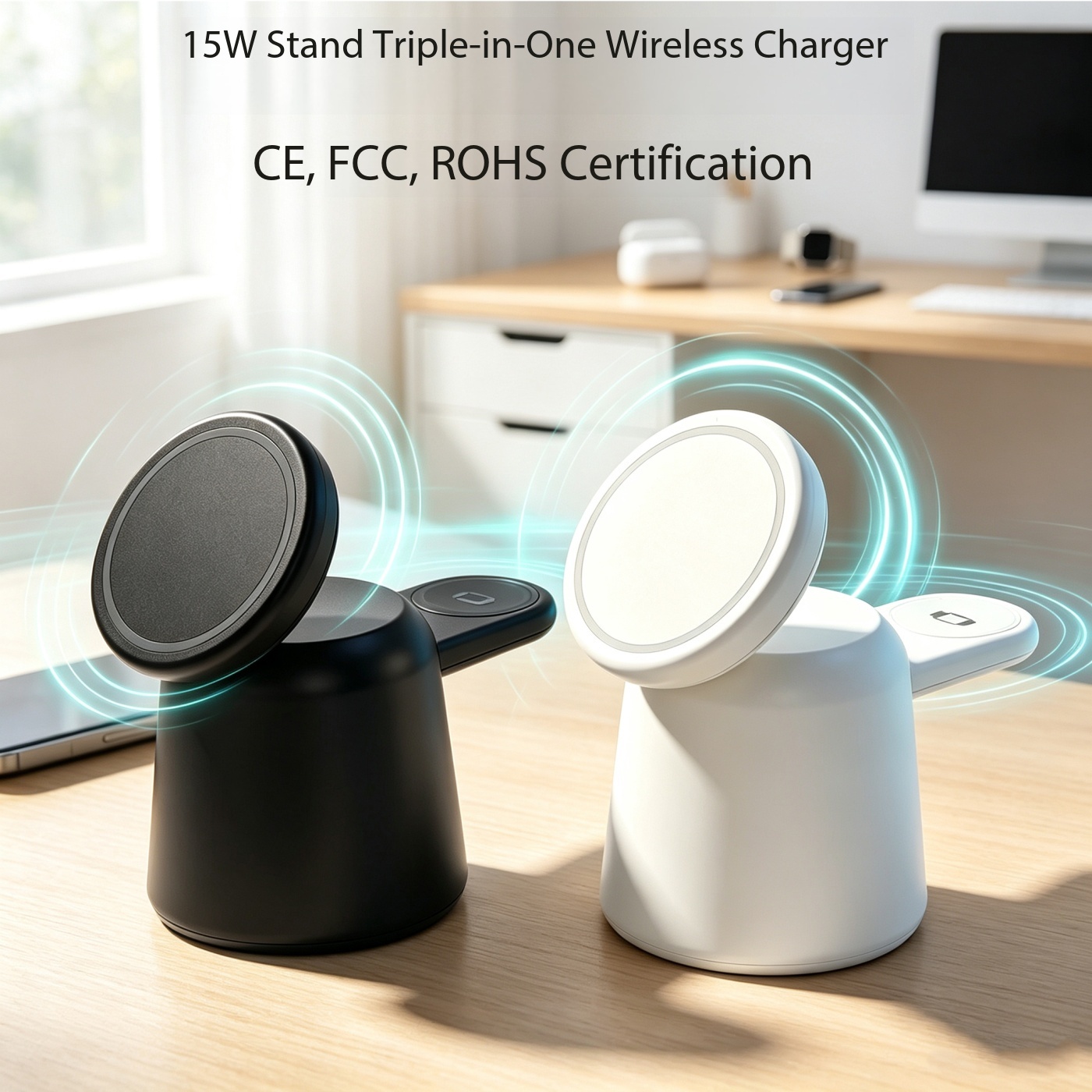
3-in-1 Portable Magnetic Wireless Charging Station Foldable Design 360 Rotation Type-C Port 15W Fast Charging for Mobile Phone
View Details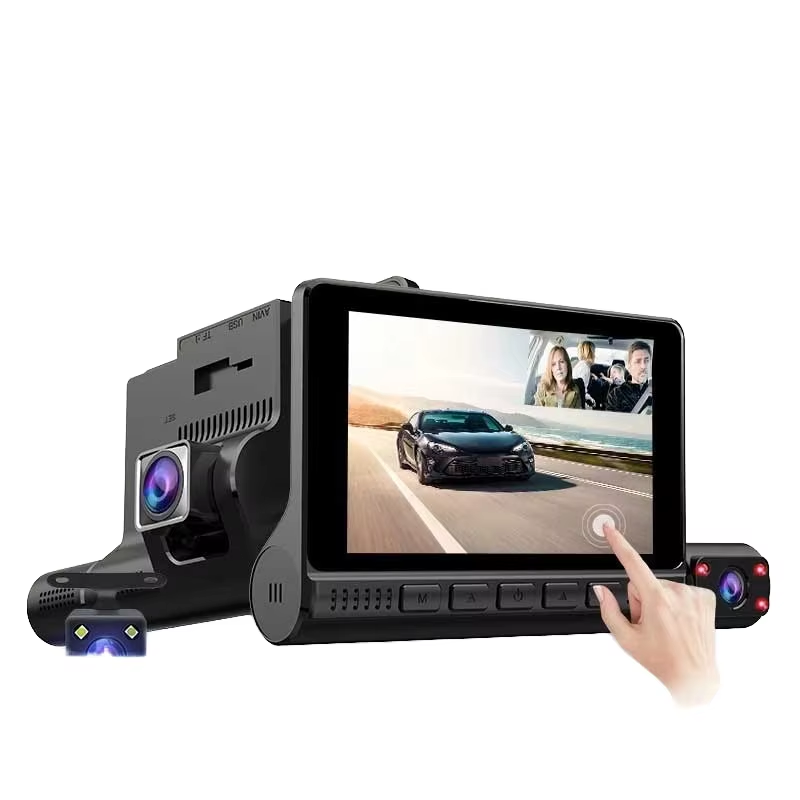
Car DVR 3 Cameras IPS Screen 4.0 Inch HD Dash Camera Dual Lens 120 Angle Loop Recording 3 Camera Dash Cam
View Details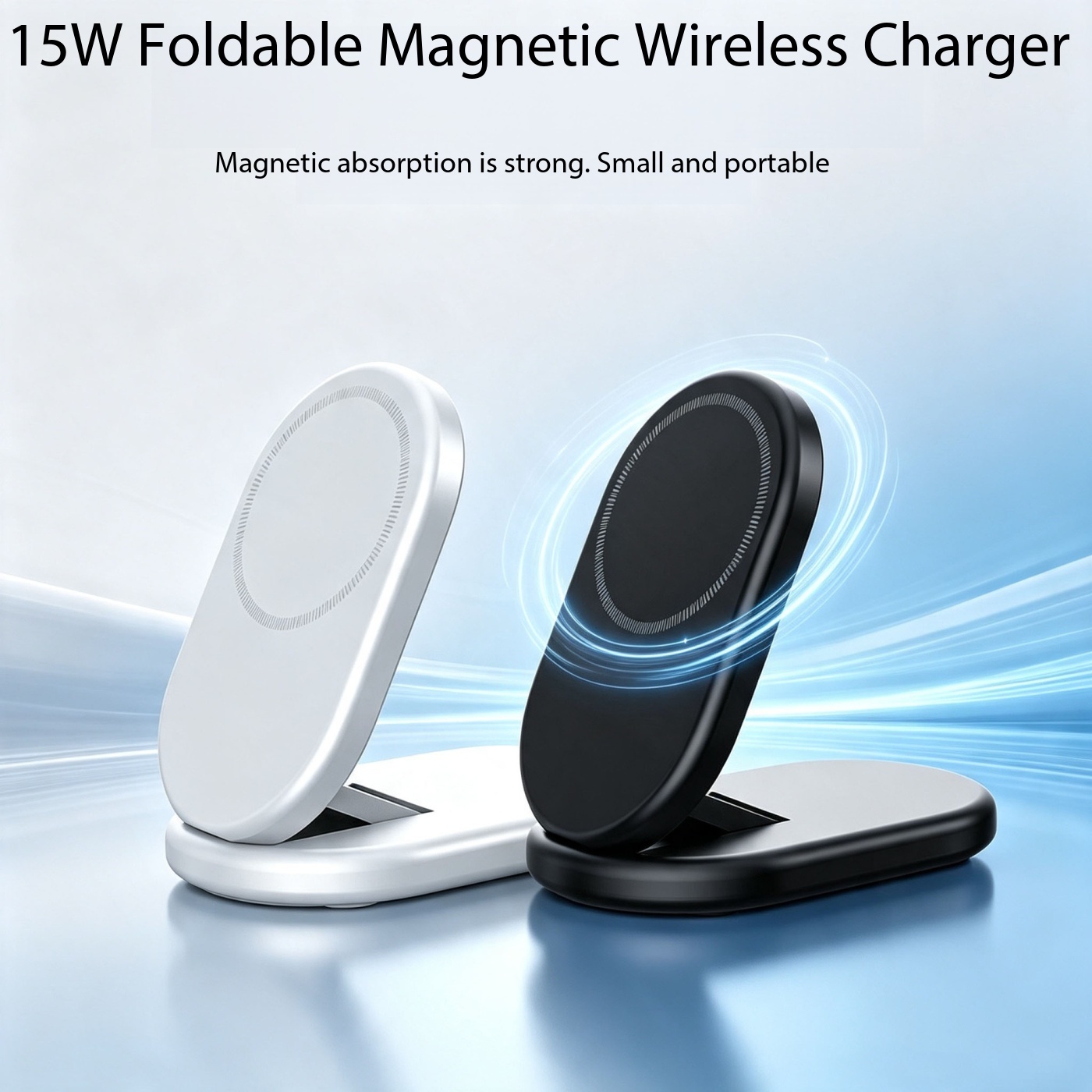
2026 Most Popular Magnetic Flexible Foldable Wireless Charging Stand Max 15W Fast Charging Dock Logo Customizable Gift
View Details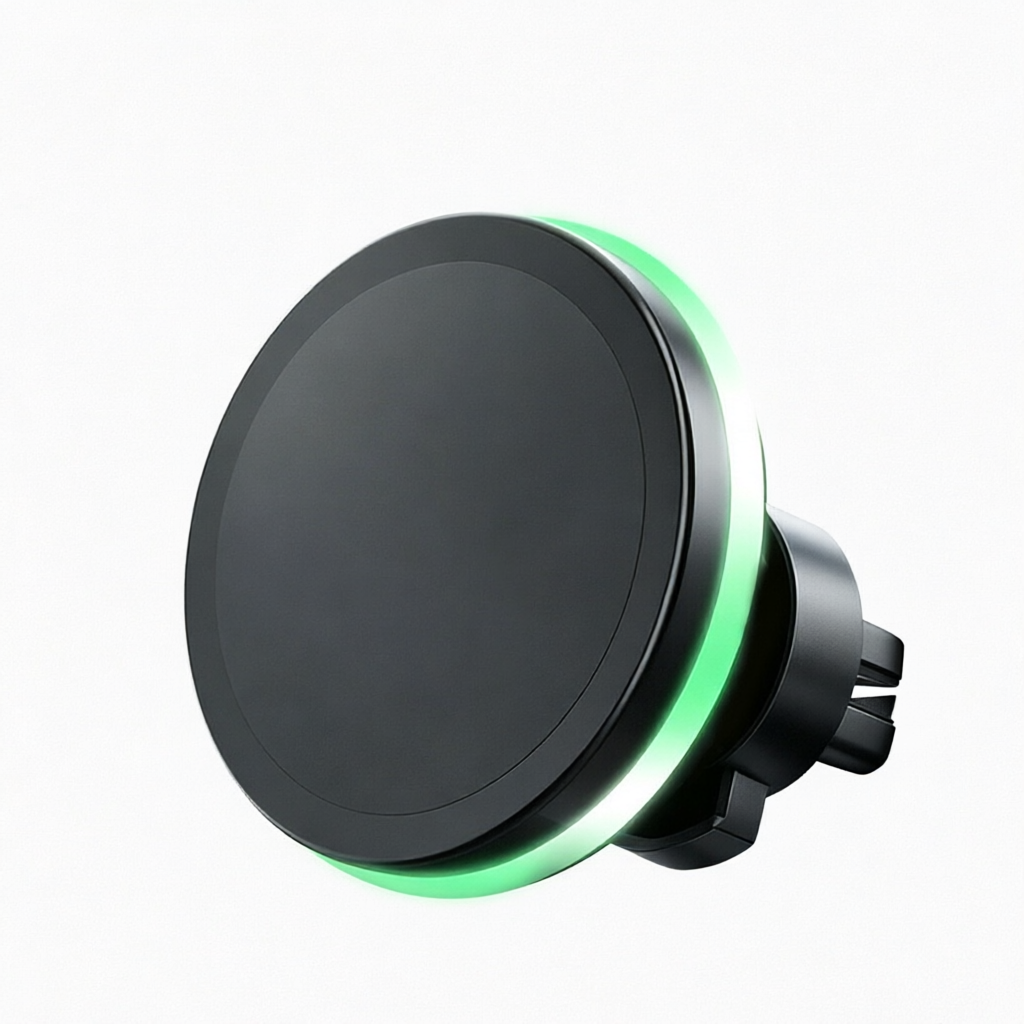
QC3.0 Magnetic Wireless Car Charger Mount Compatible with BMW, Mercedes and Tesla USB-C Stand for iPhone Samsung Galaxy Android
View Details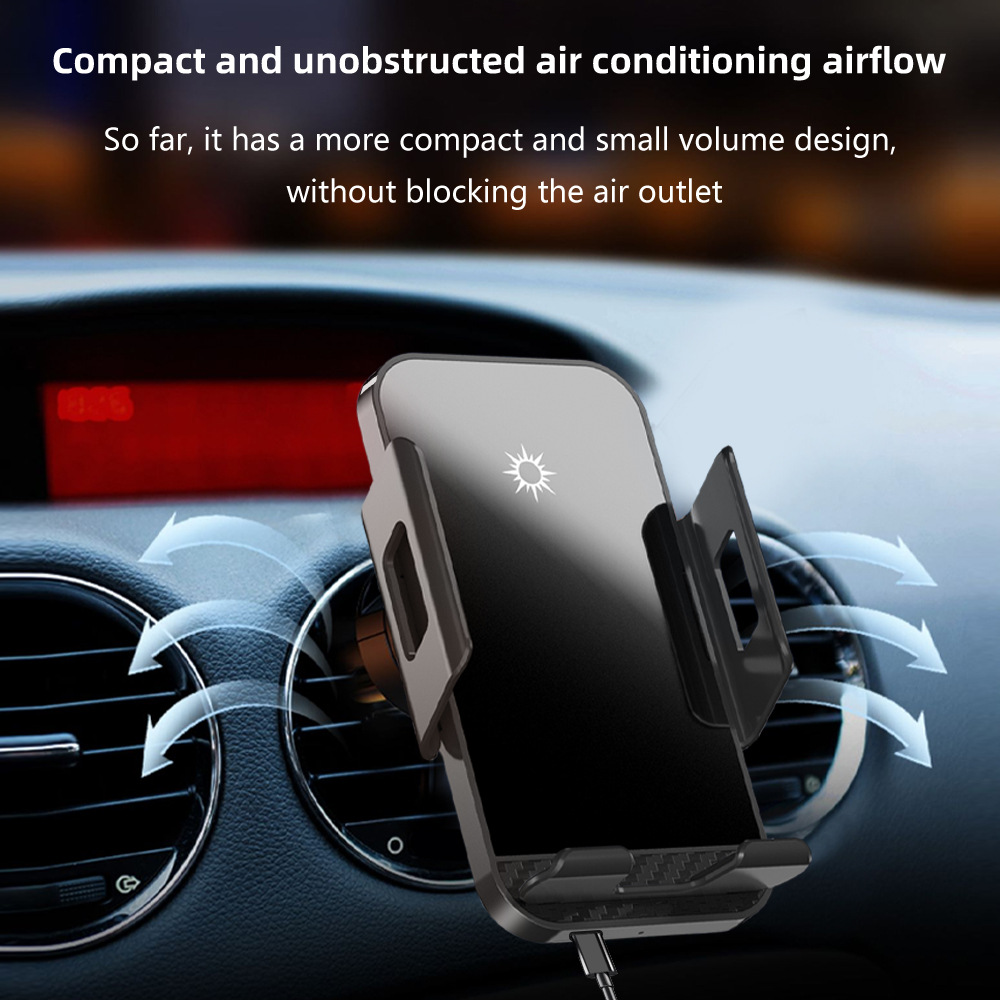
Best Sellers D18 Professional Flexible Transparent Intelligent Sensor Electric Car Wireless Charger 15W Fast Charging PD3.0
View Details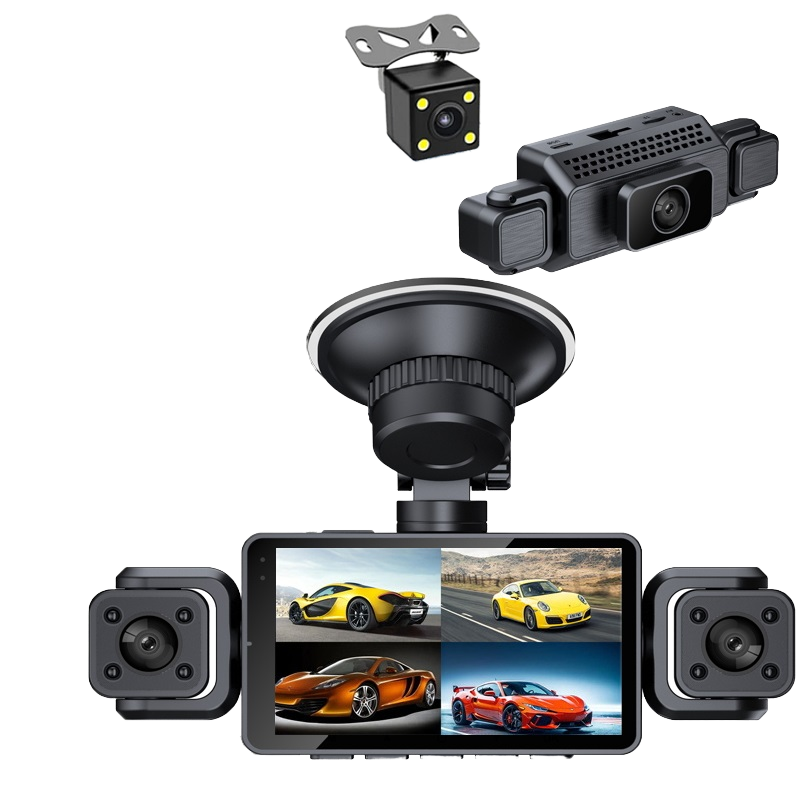
3 Inch 4 Cameras Car Black Box 1080P HD Video Recorder with Night Vision G-Sensor 360 Degree Dash Cam Built-in WIFI for All Cars
View DetailsComprehensive Technical Analysis: Architectural Standards of Wide Angle Rear Cameras
In modern automotive vision engineering, sourcing high-reliability Wide Angle Rear Cameras requires a deep evaluation of optical physics, sensor architecture, thermal endurance, and signal transmission formats. China’s advanced electronics manufacturing ecosystem—centered in Shenzhen—has shifted from low-cost analog assembly to high-precision automotive-grade system design. For commercial importers, tier-2 distributors, and fleet managers, understanding these technical variables provides a decisive competitive edge when selecting supply partners.
1. Optical FOV Physics vs. Barrel Distortion Correction (LDC)
A true wide-angle reversing camera must balance expansive horizontal visibility with realistic spatial depth perception. Field of View (FOV) ratings strictly differentiate standard backup cameras from advanced commercial optical modules:
- 120° to 140° Standard FOV: Provides adequate coverage for compact sedans but introduces severe blind spots at the outer rear quarter panels.
- 150° to 170° Wide FOV: The industry sweet spot for passenger cars, offering cross-traffic visibility while keeping image curvature manageable via optical lens tuning.
- 180° Ultra-Wide FOV (Fisheye Lens): Essential for large commercial trucks, buses, and RVs. Captures bumper-to-bumper panoramas, enabling complete blind-spot eradication.
To prevent fisheye optical distortion from impairing driver spatial judgement, leading Chinese suppliers integrate DSP-level Lens Distortion Correction (LDC) algorithms. By employing multi-element full-glass lenses (such as 6G or 4G2P configurations with aspherical optical elements), light rays entering at acute angles are corrected prior to digital quantization, ensuring straight horizontal lines remain parallel across the image plane.
2. Image Sensor Architectures & High Dynamic Range (HDR) Performance
Nighttime reversing safety depends heavily on sensor light sensitivity and dynamic response. Standard CMOS sensors frequently fail when exposed to high-contrast environments, such as headlight glare from trailing vehicles or reversing out of dark underground garages into bright sunlight.
Sony STARVIS™ Technology
Utilizes back-illuminated pixel architecture to achieve high sensitivity in NIR (Near Infrared) spectrums, capturing crisp, noise-free full-color video down to 0.001 Lux illumination.
Real-Time HDR (>120dB)
Combines multi-exposure frames (short and long exposures) in real-time to prevent highlight blowout while elevating shadow details during extreme contrast scenes.
AHD High-Definition Signal
Replaces outdated CVBS analog signals with Analog High Definition (AHD 720P / 1080P), enabling uncompressed video transmission over 50-meter coaxial cabling without latency or interference.
Comparative Matrix: Optical Camera Modules & Signal Formats
To assist global procurement directors in matching camera specifications with regional market demands, the table below outlines core hardware parameters across primary product tiers:
| Specification Parameter | Entry-Level CVBS Camera | Commercial AHD 1080P Camera | Next-Gen AI Rear BSD Camera |
|---|---|---|---|
| Optical Lens Construction | 2G2P / 4G Glass-Plastic Mix | 6-Glass Full-Glass + IR Filter | 6G Aspherical Optical Glass |
| Signal Protocol | NTSC / PAL Analog (480TVL) | AHD 2.0 / TVI / CVI (1080P) | AHD / Digital LVDS / Ethernet |
| Dynamic Range (HDR) | Standard Dynamic Range (<60dB) | WDR Digital Range (80-100dB) | True Hardware HDR (>120dB) |
| Ingress Protection Rating | IP67 Surface Water Resistant | IP68 / IP69K High-Pressure Waterproof | IP69K Hermetic Laser Seal |
| Operating Voltage | 12V DC Only | 9V - 36V Wide Voltage Range | 9V - 36V Dynamic Power Supply |
| Intelligent Analytics | Static Parking Grid Lines | Dynamic Trajectory Lines (CAN-bus) | AI Pedestrian & BSD Detection |
Future Sourcing & Development Trends in Automotive Vision (2025–2030)
The global automotive camera market is transitioning rapidly driven by autonomous driving mandates, commercial fleet safety regulations, and consumer demands for ultra-clear night vision. Overseas buyers sourcing from China must align their product portfolios with these four macroeconomic technological shifts:
Trend 1: Fusion of AI Edge Computing with Rear Cameras (Rear BSD & MOD)
Conventional passive rear cameras that merely stream video feeds to a display are being replaced by Intelligent Edge-AI Camera Modules. Equipped with embedded Neural Processing Units (NPUs running at 1.0 to 4.0 TOPS), modern rear camera housings can independently perform real-time object detection:
- Blind Spot Detection (BSD): Alerts drivers to approaching vehicles in adjacent lanes within a 15-meter range.
- Moving Object Detection (MOD): Detects pedestrians, children, or cyclists moving behind the reversing vehicle, triggering automatic cabin alerts or braking signals.
Trend 2: IP69K Hermetic Sealing & Thermal Endurance Innovation
Automotive rear cameras endure harsh environmental degradation—including high-pressure steam cleaning, road salt corrosion, and extreme ambient thermal swings. Future procurement mandates strictly prioritize cameras featuring IP69K ingress protection. Leading Chinese factories utilize ultrasonic plastic welding, double-layer silicone potting resins, and nitrogen-filled lens cavities to prevent moisture condensation under extreme thermal cycling (-40°C to +85°C).
Trend 3: Expansion of Wide-Voltage (9V–36V) Multi-Fleet Standardisation
Historically, suppliers maintained separate SKUs for 12V passenger cars and 24V commercial trucks. Modern engineering integrates wide-voltage power conversion modules directly onto the camera PCB. This unified circuit architecture protects against transient voltage spikes, load dumps, and electrical noise common in commercial vehicles, drastically simplifying inventory management for global distributors.
Trend 4: Automotive Ethernet (BroadR-Reach) & Wireless 5G Transmission
As vehicle electronic architectures transition toward centralized domain controllers, rear cameras are adopting Automotive Ethernet (100BASE-T1) and high-frequency 5.8GHz wireless streaming protocols. This enables zero-latency, high-bitrate video streaming directly into digital cockpit displays, Android head units, and telemetry dashboards.
Enterprise Advantages: Why Partner with Jemrok Industrial Technology
Headquartered in the core technology manufacturing hub of Shenzhen, China, Jemrok Industrial Technology (Shenzhen) Co., Ltd. stands out as a specialized designer, manufacturer, and exporter of advanced vehicle vision platforms, dash cameras, streaming media mirror recorders, and wide-angle backup camera systems. Unlike generalist trading firms, Jemrok focuses exclusively on automotive safety electronics, delivering verified manufacturing reliability and end-to-end customization support.
OEM & ODM Flexibility (MOQ 50 Sets)
We empower growing brands and regional distributors by offering full customization—including laser-engraved logos, custom boot screens, localized UI languages, specialized wire harness lengths, and custom retail packaging starting at just 50 units.
In-House R&D & Engineering Expertise
Our facility houses 5 to 10 dedicated automotive optics and firmware engineers. We launch brand new camera platforms every quarter, providing our international partners with immediate access to cutting-edge market innovations.
Certified Rigorous Quality Control
Operating a 1,500 m² state-of-the-art facility, our production lines achieve an annual capacity of 300,000 to 500,000 units. Every camera undergoes 100% optical alignment testing, high-pressure waterproof immersion, thermal aging, and vibration stress testing.
Global Compliance & Supply Chain Efficiency
Jemrok products comply fully with international quality standards including CE, FCC, and RoHS certifications. Serving buyers across more than 30 countries in North America, Europe, Southeast Asia, and Oceania, our dedicated sales engineering team guarantees an industry-leading average inquiry response time of under 1 hour.
Frequently Asked Questions: Global Sourcing & Manufacturing Guidance
Below are authoritative answers to common procurement, engineering, and logistics questions encountered by foreign buyers sourcing wide-angle rear cameras from China:
1. How do I determine the right Field of View (FOV) for my market target?
For standard consumer vehicles, a 140° to 170° wide-angle camera offers optimal rear coverage without causing severe visual distortion. For commercial vehicle fleets, trucks, and school buses, we recommend 180° ultra-wide fisheye cameras combined with built-in Lens Distortion Correction (LDC) software or AI-based Blind Spot Detection (BSD) to completely eliminate rear blind spots.
2. What is the Minimum Order Quantity (MOQ) for custom OEM orders?
At Jemrok Industrial, our flexible OEM customization services begin at a low threshold of just 50 sets. This includes custom brand logo printing, customized silk-screened housing, tailored gift box packaging, and firmware boot logo integration. For evaluation and prototyping, standard sample orders are available starting from 2 pieces.
3. What is the true difference between IP67, IP68, and IP69K waterproof ratings?
IP67 rate cameras withstand temporary water immersion up to 1 meter for 30 minutes. IP68 provides continuous submersion protection under deeper pressure. IP69K is the highest industrial standard, certifying complete resistance against high-temperature, high-pressure steam cleaning (100 bar pressure at 80°C). All Jemrok commercial rear cameras are IP68 or IP69K tested for extreme weather durability.
4. Can your cameras interface directly with third-party Android units and fleet monitors?
Yes. We engineer multi-format output cameras supporting AHD (1080P/720P) and traditional CVBS switching. Utilizing standard RCA, 4-PIN aviation connectors, or custom pinouts, our cameras seamlessly pair with aftermarket Android head units, standalone dashboard monitors, commercial MDVR black boxes, and factory displays.
5. What is the typical lead time for wholesale sample orders and bulk production?
Sample orders are processed and shipped within 1 to 3 business days. Bulk OEM production orders typically take 12 to 20 days depending on the customization complexity and component sourcing cycles. Rapid air freight or cost-effective sea freight options can be arranged directly with our shipping team.
Partner with China's Premier Wide Angle Rear Camera Supplier
Elevate your product catalog with high-precision optical cameras, verified CE/FCC/RoHS compliance, and factory-direct wholesale pricing. Connect with our engineering team today for instant quotes and product specifications.
Inquire Now