Strategic Sourcing of Automotive Surveillance & Telematics Systems from China's OEM Hub
The commercial and passenger automotive electronics landscape is undergoing a structural transition toward integrated, high-definition, multi-channel video telematics. Sourcing vehicle camera systems directly from verified China wholesale manufacturers gives global importers, fleet operators, and automotive brands a distinct market edge. By bridging cutting-edge Sony STARVIS™ optics, edge AI processor platforms, and direct-factory price efficiency, OEM/ODM buyers eliminate multi-tier supply chain markups while delivering superior road safety compliance.
As regulatory frameworks like the EU's General Safety Regulation II (GSR II) and the U.S. NHTSA commercial fleet mandates enforce strict visual monitoring and driver assistance standards, vehicle camera procurement requires more than off-the-shelf consumer gadgets. Modern automotive deployment demands industrial thermal durability, wide voltage protection (9-36V DC), loop-recording firmware stability, and seamless cloud telematics integration via 4G/5G modules.
High-Performance Vehicle Vision Systems & Mobile Power Accessories
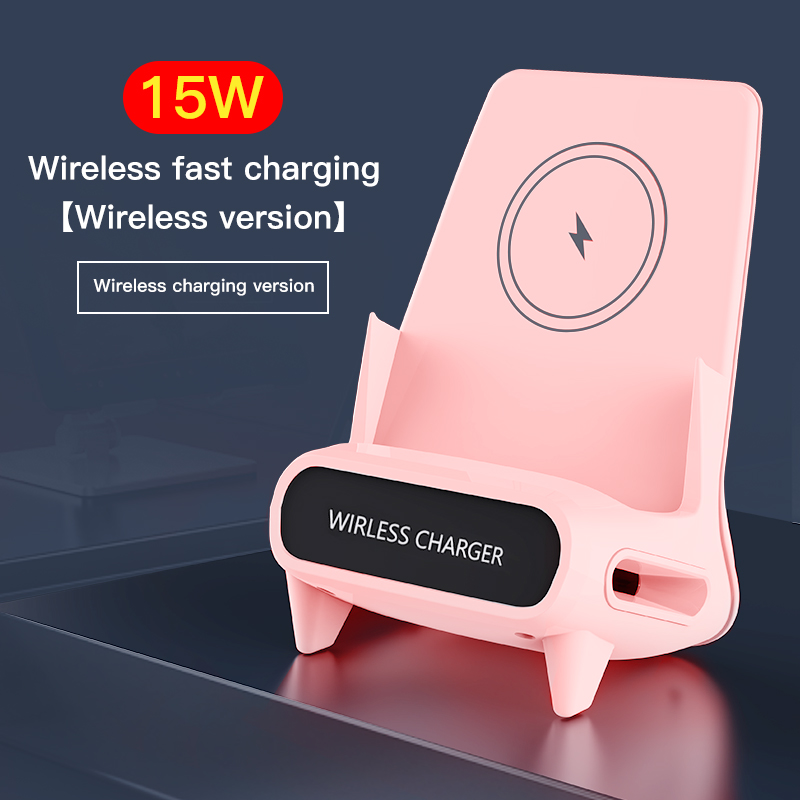
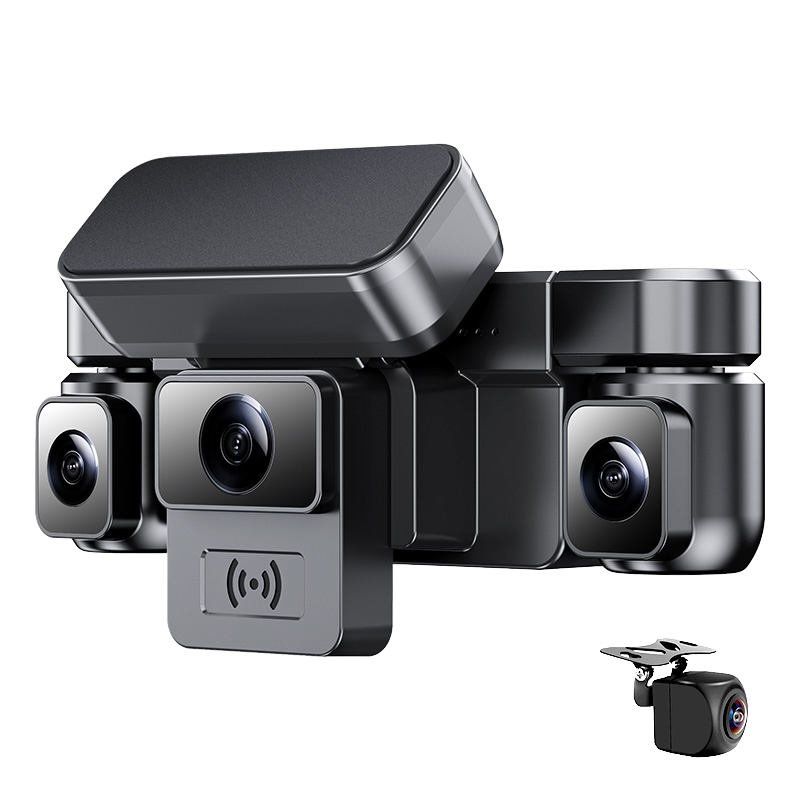
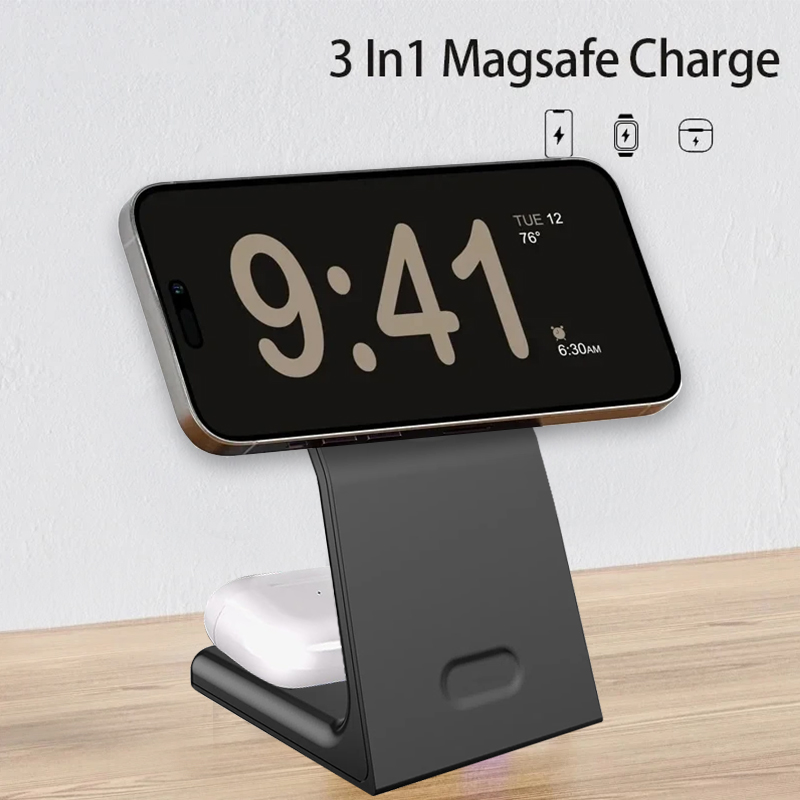
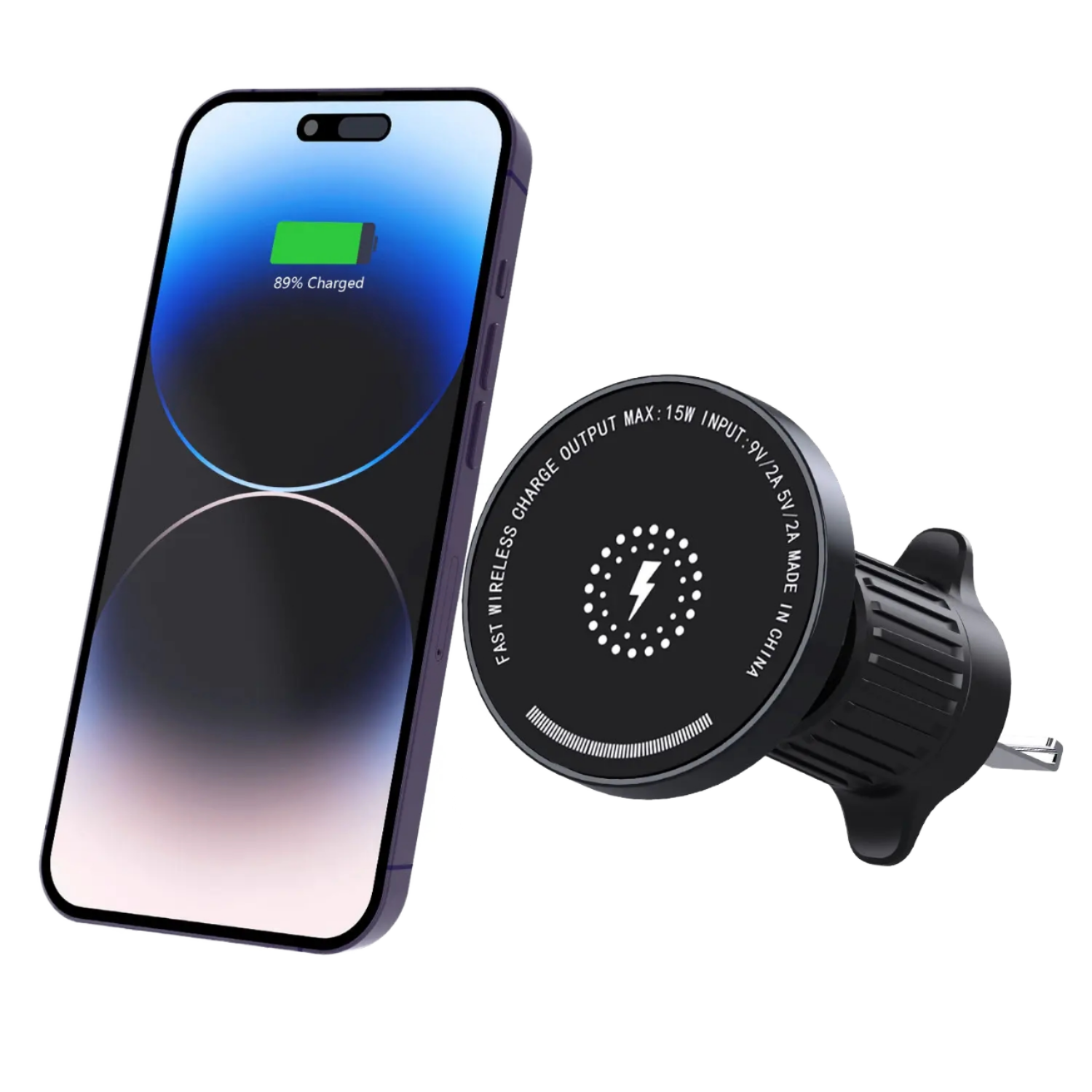
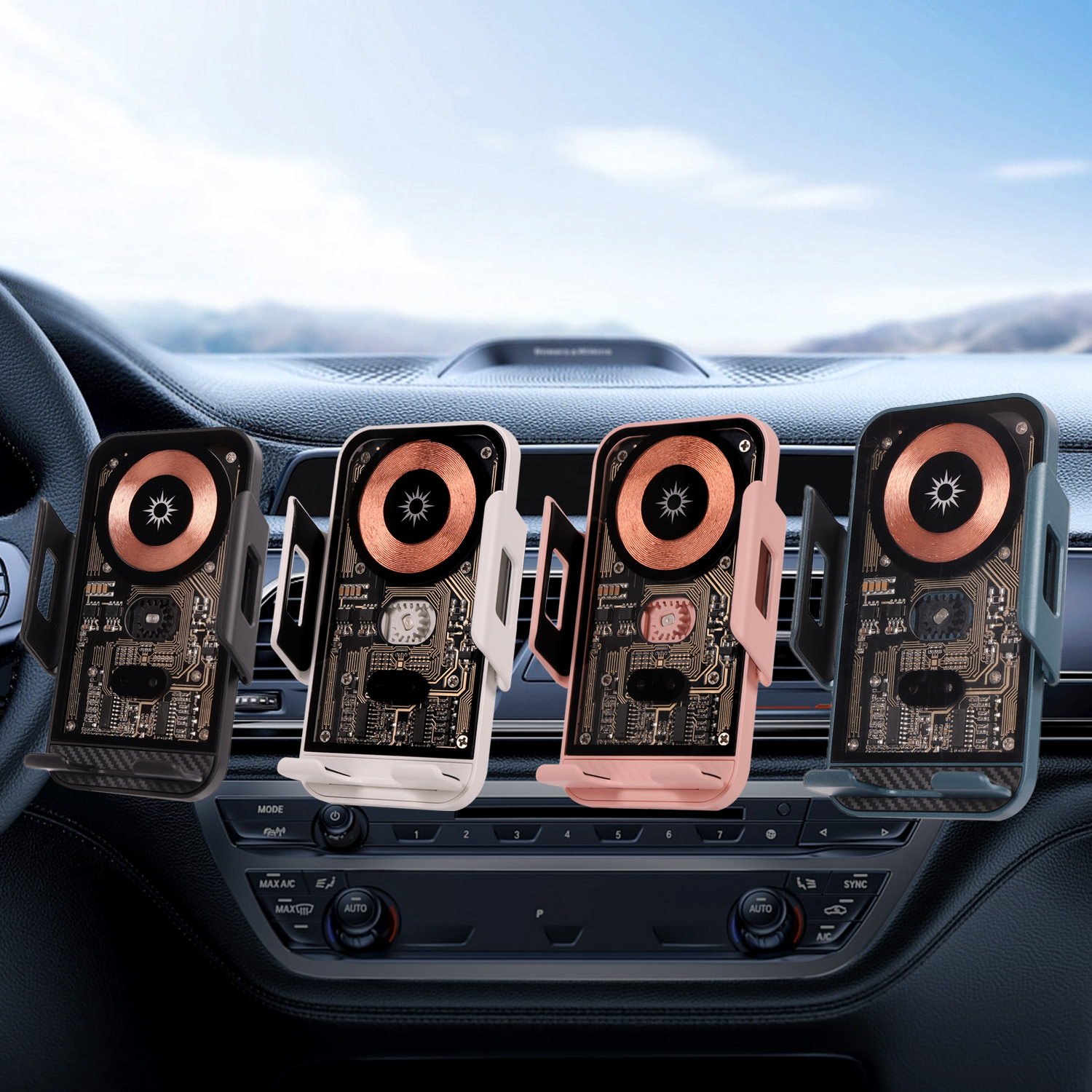
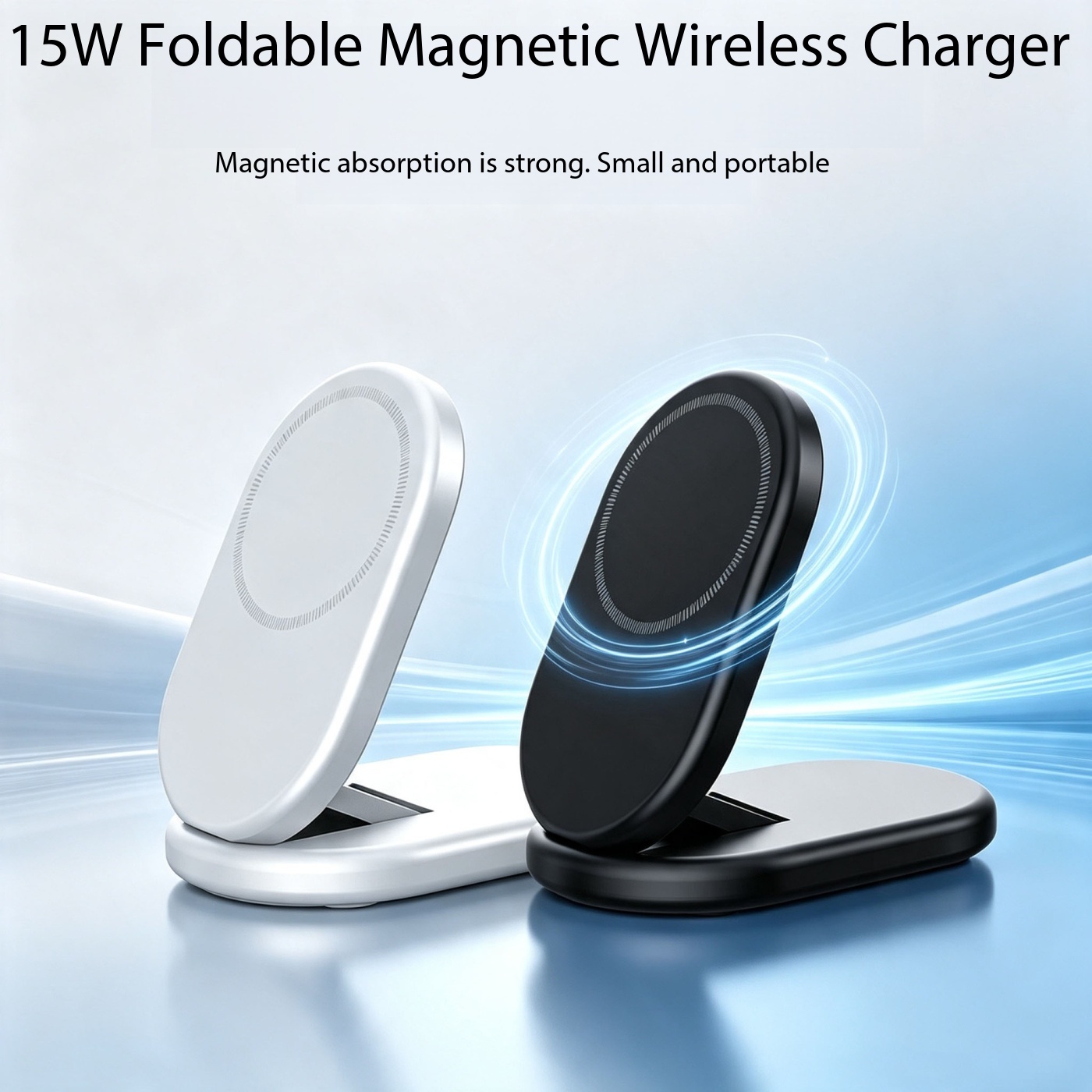
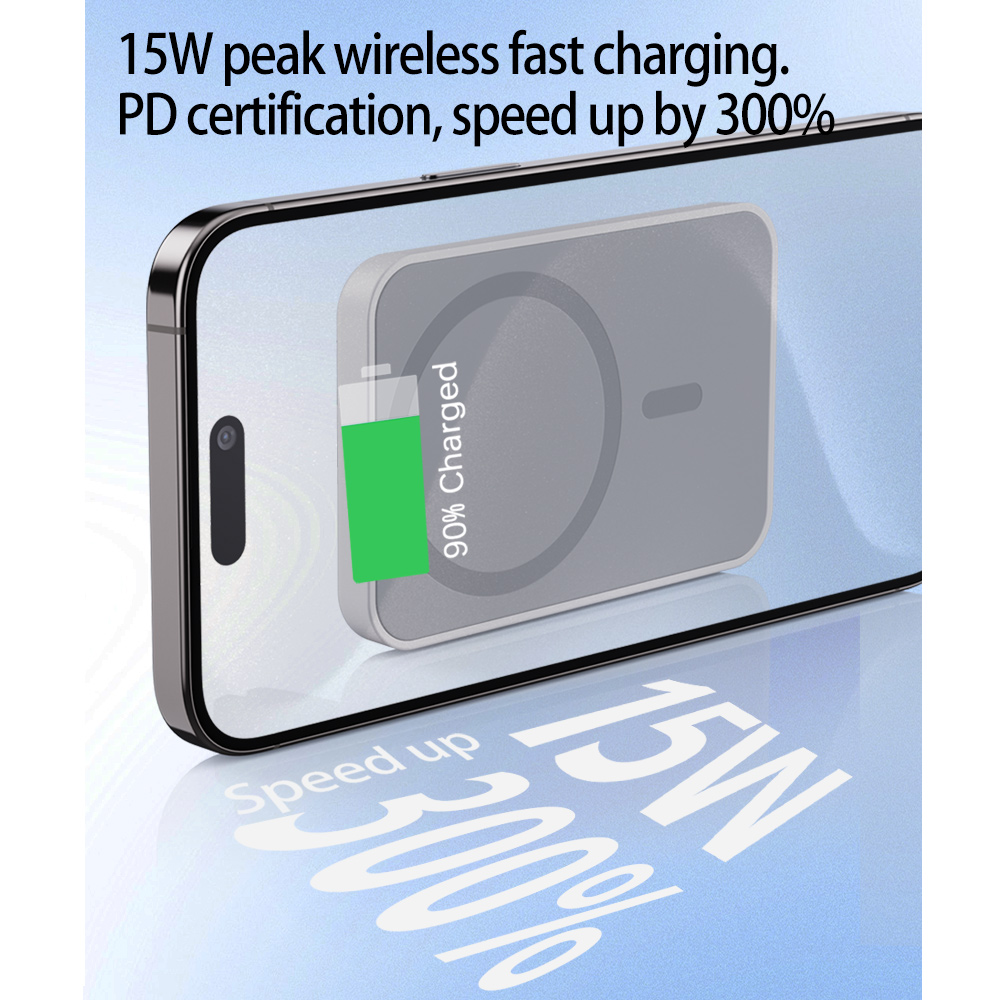
Explore our factory-direct wholesale offerings engineered for fleet telematics, consumer retail, and automotive aftermarket distribution.
Automotive OEM Manufacturing Benchmarks
Key performance indicators validating our enterprise factory capacity, compliance standards, and global logistics execution.
Future Procurement Trends in Vehicle Camera & Telematics Systems
As commercial fleet operations and passenger car safety standards evolve rapidly, wholesale procurement buyers must align their product roadmaps with key technology trends shaping the next decade.
1. Transition from Dual-Channel to Omnidirectional 360° Surround Systems
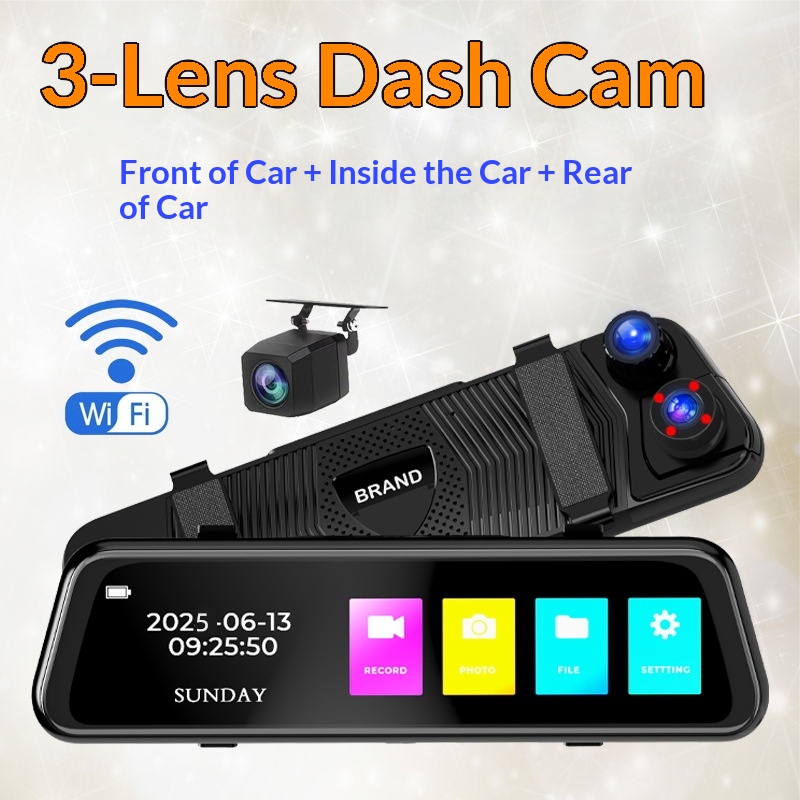
Standard forward-facing cameras are rapidly giving way to 3-channel and 4-channel architectures. Ride-hailing platforms (Uber, Lyft), taxi fleets, and commercial haulers now require simultaneous coverage of the road front, driver cabin (with IR night vision), vehicle rear, and side blind spots. Procurement orders are shifting toward integrated 360° IPS screen consoles that record all angles concurrently to resolve liability disputes instantly.
2. Edge-AI Integration: Driver Monitoring (DMS) & ADAS Integration
Modern vehicle camera systems are transforming from passive video loop recorders into intelligent active safety terminals. Factory-level hardware now integrates System-on-Chip (SoC) platforms supporting real-time Advanced Driver Assistance Systems (FCWS, LDWS) and Driver Monitoring Systems (fatigue detection, phone distraction alarms). Importers looking for premium margins are actively sourcing AI-assisted camera units with customized SDK firmware.
3. Supercapacitor Power Units Replacing Lithium-Ion Batteries
Thermal safety is the primary failure point for auto electronics exported to hot climates (Middle East, Southern US, Australia). Sourcing trends overwhelmingly favor supercapacitors over traditional lithium battery cells. Supercapacitors prevent thermal expansion, explosion risks, and operational failure across extreme temperature ranges from -20°C up to 70°C (-4°F to 158°F), guaranteeing uncorrupted video file saving upon sudden power loss.
4. High-Frequency 5G WiFi & Direct Cloud Telematics Uploads
Legacy 2.4GHz WiFi connectivity is insufficient for streaming large 2K/4K high-bitrate video logs. Sourcing contracts now specify 5GHz/5G high-speed Wi-Fi chipsets for instantaneous smartphone app pairing and event clip extraction. Furthermore, commercial fleet procurement demands 4G LTE/5G SIM card slots for live remote streaming, GPS vehicle tracking, and automated G-sensor incident upload directly to AWS or custom fleet management portals.
Core Architectural Developments in Vehicle Camera Manufacturing
To assist procurement managers in writing rigorous technical specifications, the following evaluation matrix details the critical hardware and optic parameters separating commercial-grade camera systems from consumer-level accessories.
| Hardware Component | Consumer-Grade Specification | Jemrok Industrial OEM Standard | Commercial Advantage |
|---|---|---|---|
| Optical Image Sensor | Generic CMOS (1080P / 720P) | Sony STARVIS™ 2 IMX675 / GC2053 HD Sensor | Ultra-low light clarity, license plate readability at night |
| Lens Architecture | 3-Layer Plastic (3P) Plastic Mount | 6-Glass (6G) Full Glass + F1.8 IR Filter Lens | Prevents lens warping & blur under high solar heat |
| Main Processor (SoC) | Single-core Entry Microcontroller | Dual/Quad-Core High-Speed Vision Processor | Handles multi-channel real-time rendering without frame drops |
| Power Protection | 12V Fixed Input (Li-ion Battery) | 9V–36V Wide Voltage Range + Supercapacitor | Prevents power surges in heavy trucks & extreme heat risks |
| Video Compression | H.264 Baseline Profile | H.265 High Efficiency Video Coding (HEVC) | Reduces SD card storage & bandwidth consumption by 50% |
| Reversing Vision Standard | CVBS Analog Signal (480P) | AHD 720P / 1080P Digital HD Video Output | Zero-latency crisp rear view on Android displays & mirrors |
Why Partner with Jemrok Industrial Technology (Shenzhen) Co., Ltd.?
Located in the heart of China’s automotive electronics innovation ecosystem, Jemrok Industrial Technology (Shenzhen) Co., Ltd. is a dedicated manufacturer focused strictly on the R&D, optical engineering, and mass production of vehicle camera systems, car DVR black boxes, and streaming media mirror recorders.
Focused Optical R&D (6+ Years)
Unlike generalist trading firms, our in-house engineering team (5-10 senior hardware and firmware developers) concentrates entirely on driving, reversing, and parking safety cameras. We launch innovative models every quarter to keep your brand ahead of market competition.
Scalable 1,500 m² Production Facility
Equipped with dust-free optical assembly cleanrooms, automated SMT inspection lines, optical alignment tools, and thermal burn-in aging chambers, our facility yields between 300,000 to 500,000 units annually with rigorous 100% quality inspection prior to shipment.
Low OEM/ODM Customization Thresholds
We eliminate barriers for growing brands and regional distributors by accepting custom OEM orders from as low as 50 sets. We provide complete private labeling: custom boot logo screens, user interface localization, laser logo engraving, and tailored retail packaging.
Global Compliance: CE, FCC, RoHS
All Jemrok product lines are built in compliance with international safety and electromagnetic standards. Complete CE, FCC, and RoHS documentation and lab test reports are available on request to accelerate customs clearance across Europe, North America, Asia, and Oceania.
Frequently Asked Questions for International Buyers
Clear, factual responses regarding sample testing, custom firmware development, warranty terms, and volume pricing.
Customized OEM/ODM orders (including custom boot logo, localized menu languages, laser branding, and tailored packaging) start from just 50 sets. For initial sample evaluation and market testing, standard in-stock models can be sampled starting from 2 units.
Our specialized R&D engineering team provides full turnkey ODM services: PCBA layout design, custom housing mold development, optical lens matching, sensor ISP calibration, and specialized firmware features (such as custom CAN-bus triggers or fleet management software integration).
All our production lines operate under strict quality management frameworks. Products are manufactured in compliance with international CE, FCC, and RoHS standards. Model-specific test certification files are promptly provided upon order placement for seamless regulatory compliance.
A 2-channel dash cam records only the road ahead and the rear. A 3-channel system adds an interior cabin camera equipped with infrared (IR) night vision LEDs. This setup is indispensable for ride-share drivers (Uber/Lyft/Taxi) and commercial logistics operators who require full inside-and-outside litigation protection.
Standard sample orders ship within 3 to 5 working days. Mass OEM production orders (50 to 5,000 units) typically complete assembly, aging tests, and quality inspection within 15 to 20 days. We offer flexible FOB, CIF, or DDP delivery terms via express air freight or ocean freight.
Partner with a Trusted China Vehicle Camera Factory Today
Empower your brand with industry-leading vehicle vision electronics, custom firmware capabilities, and direct wholesale manufacturer pricing. Speak directly with our engineering team for instant quotes and tech specs.