Executive Industry Whitepaper
Navigating the Global Automotive Vision & Reversing Safety Ecosystem
As global automotive safety standards tighten under regulatory directives like ISO 26262 functional safety and ECE R158 blind-spot visibility mandates, the international demand for high-reliability vehicle imaging systems has reached unprecedented heights. Sourcing from top-tier China wholesale car parking camera factories has evolved beyond mere unit cost negotiation; it now requires deep technological alignment, chip-level validation, waterproof IP rating verification, and long-term ODM engineering agility.
Automotive Grade QC
Tier-1 production protocols including SMT optical inspection, salt-spray corrosion chamber testing, and 72-hour continuous thermal stress burn-in cycles.
Advanced ISP & Optics
Integration of Sony STARVIS CMOS sensors, Full HD AHD/CVI/TVI transceivers, Wide Dynamic Range (WDR), and high-transmittance 6G glass lenses.
Flexible OEM/ODM Customization
Low-barrier entry starting from 50 sets for private label logo printing, firmware UI localization, housing mold engineering, and custom harness pinouts.
High-Demand Wholesale Inventory
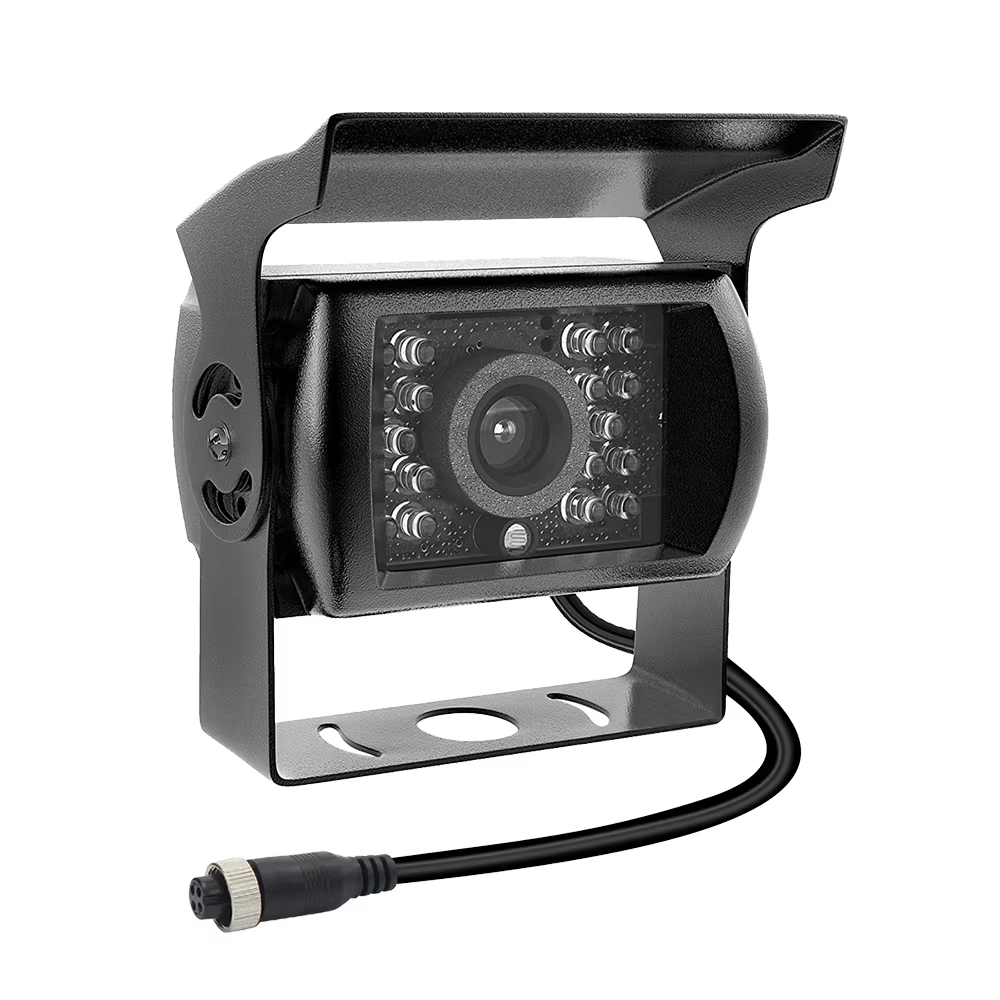
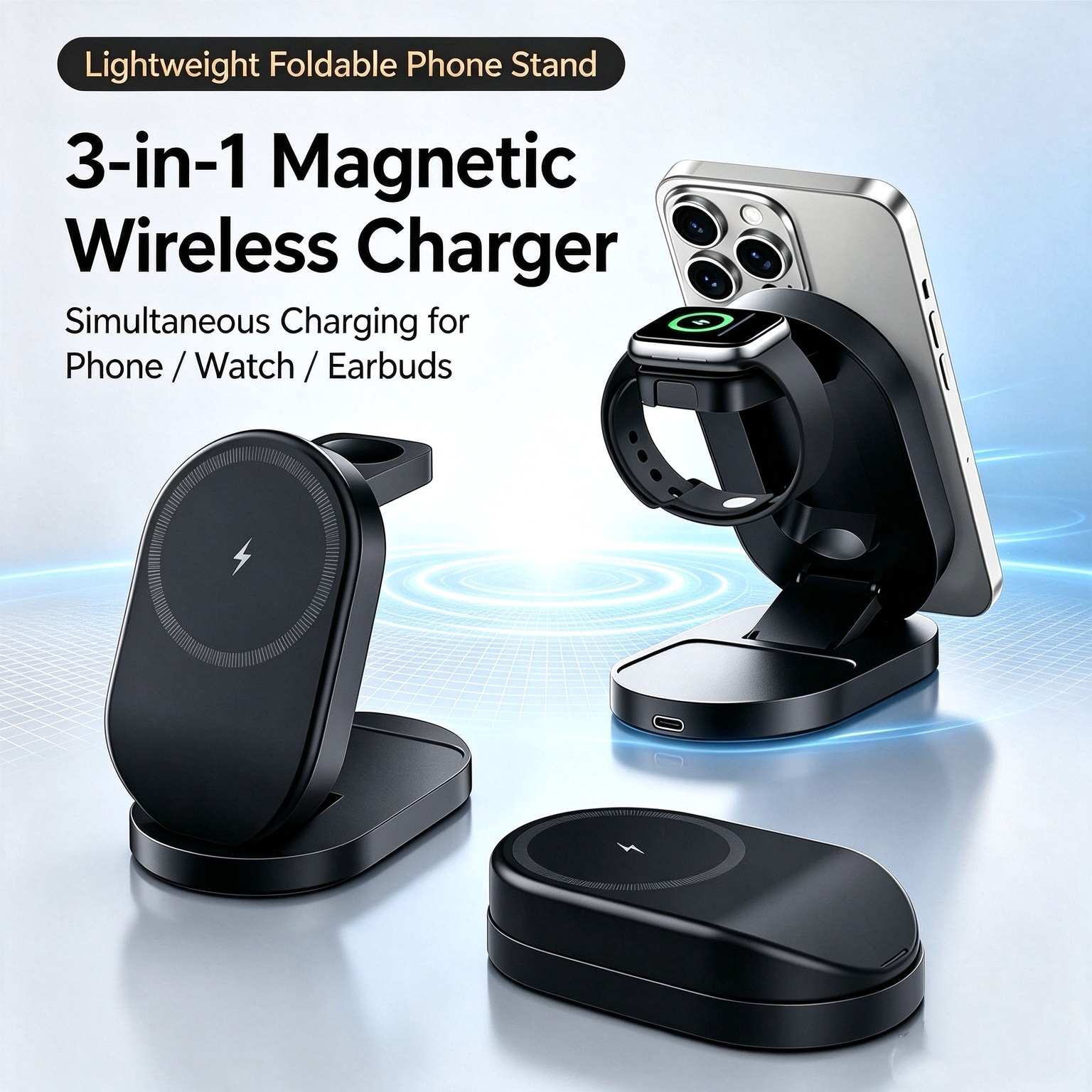
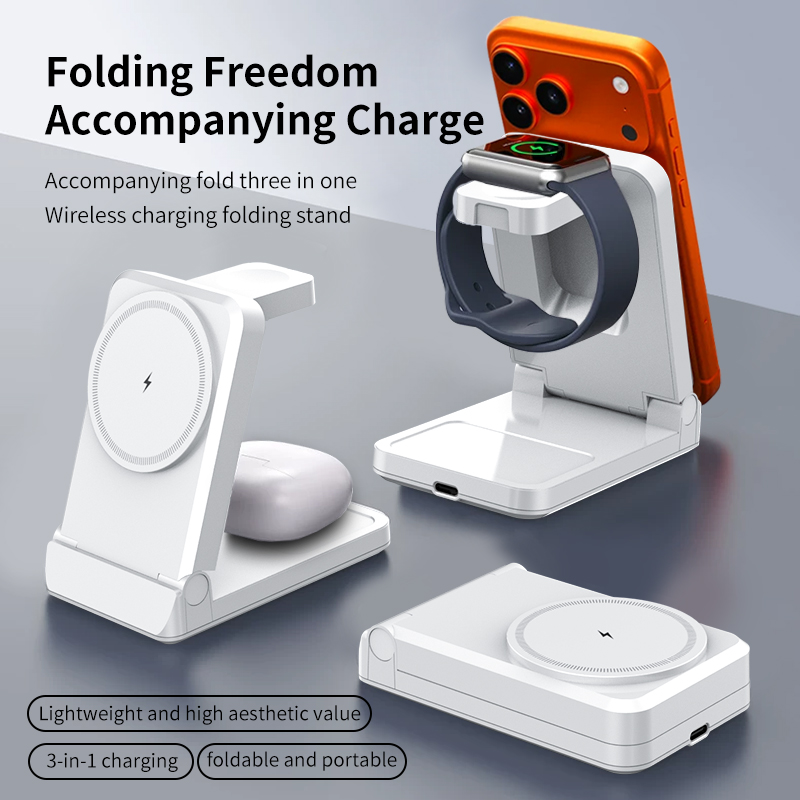
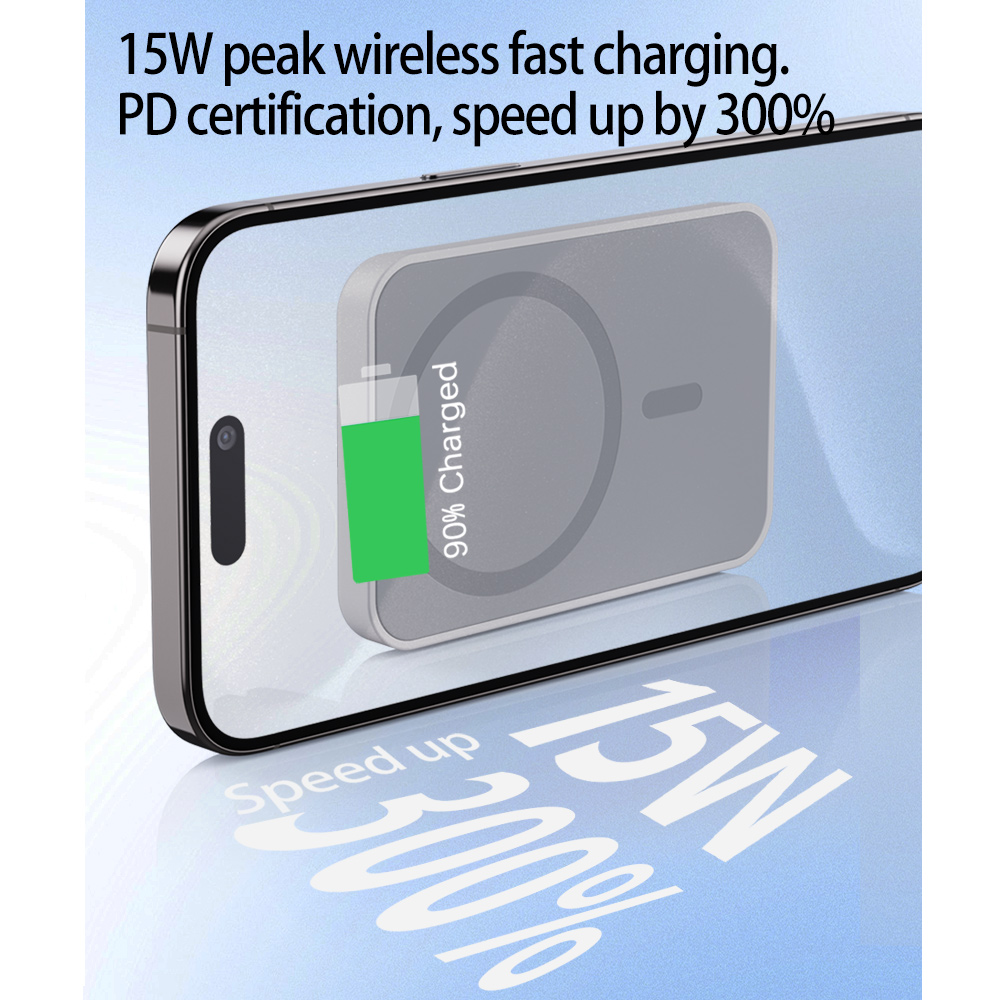
Featured Vehicle Cameras & Imaging Systems
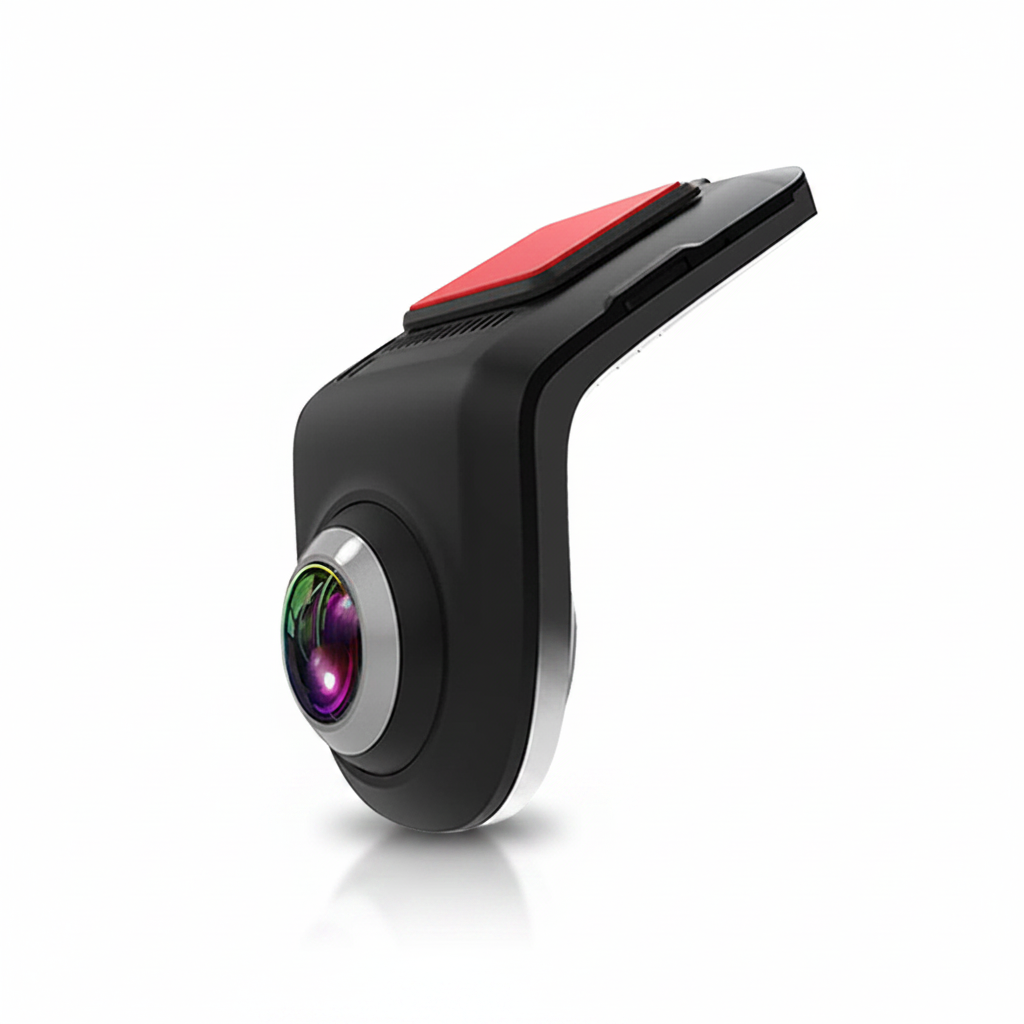
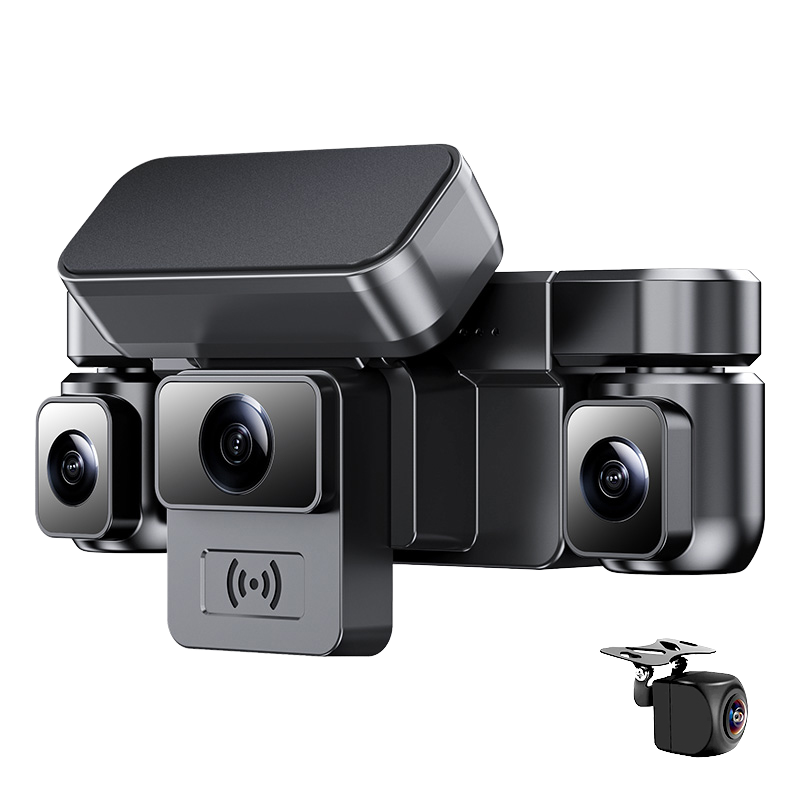
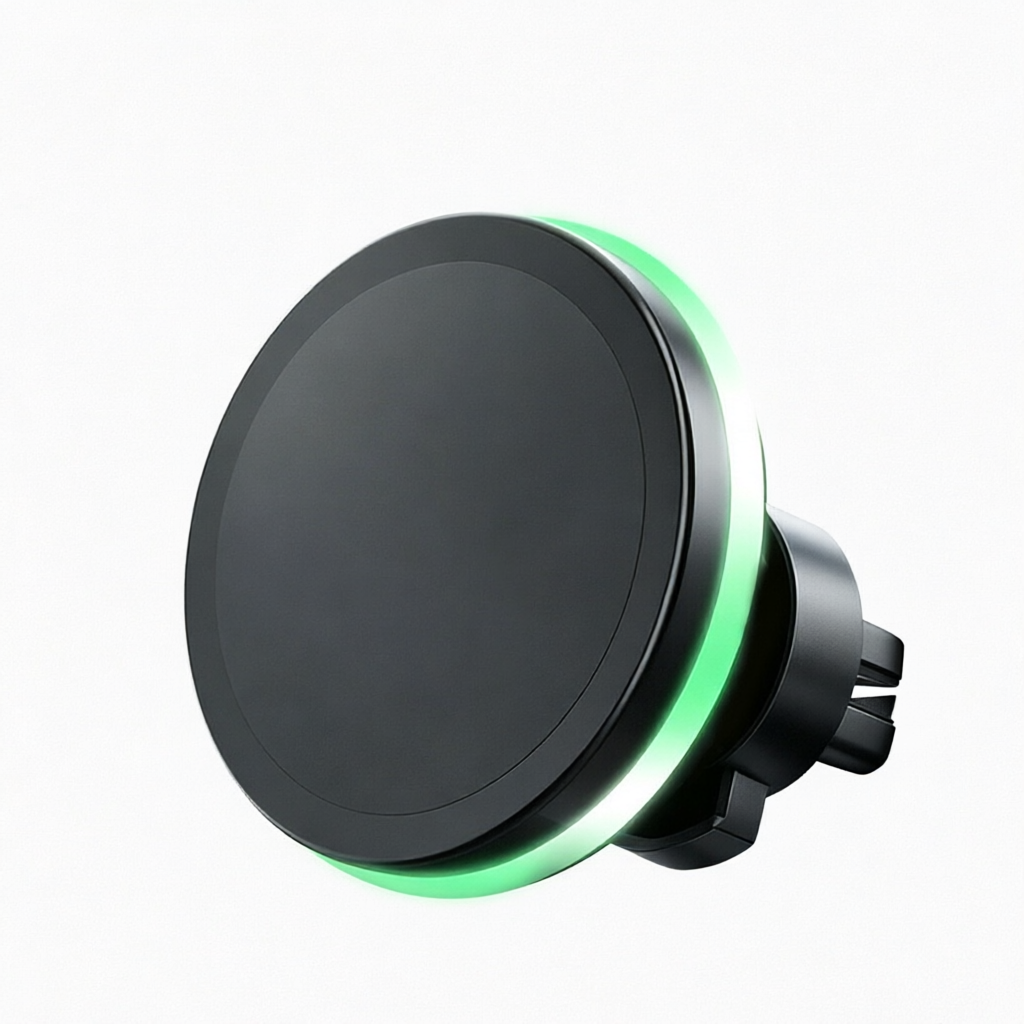
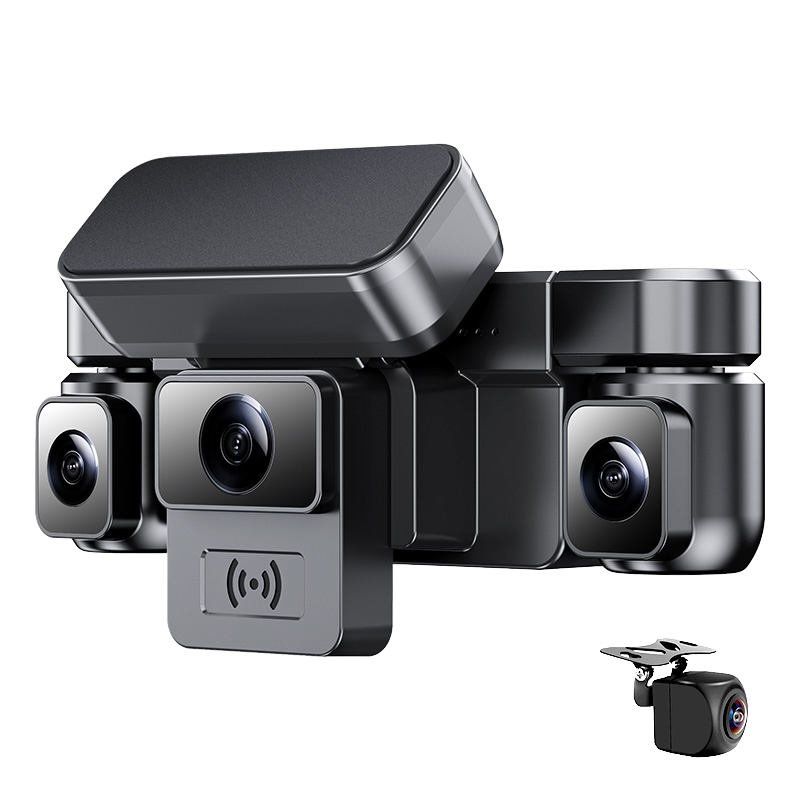
Direct factory-supplied camera platforms and companion dash recording units designed for commercial fleets, passenger vehicles, and automotive aftermarket distributors.
Manufacturing Capabilities
Jemrok Industrial Technology: Factory Infrastructure
Headquartered in the electronics manufacturing hub of Shenzhen, China, Jemrok combines 6+ years of specialized R&D with rigorous quality assurance frameworks to support global B2B procurement partners.
1,500 m²
Production Facility
500,000
Max Annual Capacity
50 Sets
Low OEM MOQ
30+
Export Destinations
The Shenzhen Manufacturing Advantage: Direct Access to Component Supply Chains
Operating directly out of Vanke Star City Mansion in Shenzhen, our engineering facility benefits from immediate proximity to key semiconductor distributors, optical lens foundries, and precision plastic injection facilities. This centralized supply ecosystem enables fast prototyping cycles (under 14 days for custom enclosures) and lowers unit production overhead.
Unlike trading intermediaries, our in-house engineering group (comprising 5 to 10 dedicated R&D engineers) directly supervises board layout design, firmware compiling, Image Signal Processor (ISP) calibration, and thermal management testing. Every batch produced meets strict CE, FCC, and RoHS international compliance criteria.
Technical Whitepaper Deep Dive
Car Parking Camera Engineering & Technology Trends
An architectural breakdown of image sensor mechanics, signal transmission standards, weatherproofing methodologies, and power stabilization circuits shaping modern automotive vision systems.
1. CMOS Sensor Physics & ISP Tuning
Modern car reversing cameras have fully transitioned away from legacy low-resolution NTSC/PAL CVBS analog systems toward high-definition Analog High Definition (AHD) and digital Ethernet protocols. Utilizing advanced back-illuminated (BSI) CMOS sensors (such as Sony STARVIS series and SmartSens platforms), modern camera modules achieve light sensitivity down to 0.001 Lux.
Through specialized Image Signal Processor (ISP) tuning, Wide Dynamic Range (WDR) and High Dynamic Range (HDR) algorithms compress extreme contrast ratios—preventing headlamp blooming at night while preserving shadow detail under direct sunlight.
2. Thermal Dissipation & IP69K Sealing
Automotive exterior cameras operate under harsh environmental stress, exposed to high-pressure hot water washdowns, sub-zero winters, and blazing summer road temperatures exceeding 80°C. Leading Chinese factories employ fully automated glue-filling (potting) processes utilizing thermal-conductive epoxy resins.
This structural sealing guarantees IP68/IP69K ingress protection against moisture and dust, while simultaneously acting as a heat sink to draw thermal energy away from the sensor chip, drastically reducing hot-pixel noise during prolonged operation.
3. Wide Voltage & Transient Spike Suppression
Commercial trucks, buses, and heavy machinery operate on 12V to 24V DC electrical architectures subject to severe voltage fluctuations, load dumps, and inductive kickback during engine ignition. Professional-grade parking cameras integrate wide-voltage DC-DC buck converters operating seamlessly from 9V up to 36V DC.
Integrated Transient Voltage Suppressor (TVS) diodes absorb electrical surges up to 3000W, preventing catastrophic power supply failure on commercial fleet deployments.
| Technology Parameter | Legacy Parking Cameras (Pre-2020) | Current Market Standard (2024-2025) | Next-Gen OEM Trend (2025-2030) |
|---|---|---|---|
| Video Signal Standard | CVBS (480P / 600 TVL) | AHD / TVI / CVI (720P / 1080P) | LVDS / Ethernet / Wireless 5G 2K |
| Night Vision Sensor | Standard CMOS (0.1 Lux) | BSI Low-Illumination (0.01 Lux) | Sony STARVIS 2 / Infrared AI (0.0001 Lux) |
| Lens Architecture | 2G2P Plastic/Glass Hybrid | Full 6-Layer All-Glass (6G) + IR Cut | 6G/7G Aspheric Low-Distortion Lenses |
| Ingress Protection | IP67 Rubber Gasket Seal | IP68 Potting Epoxy Injection | IP69K Hermetic Sonic Weld + Nano Coated |
| Operating Voltage | Fixed 12V DC (±10%) | Wide Voltage 9V–30V DC | 9V–36V Smart Power Management + CAN-Bus |
Procurement Forecasting
Future Procurement & Sourcing Trends in China
Strategic insights for international buyers, automotive importers, and brand owners navigating the evolving manufacturer ecosystem in China over the next 5 years.
Convergence of Reversing Cameras & AI-ADAS
The boundary between simple passive rear-view cameras and active safety systems is fast disappearing. Future procurement requests from European and North American importers increasingly mandate edge-computing AI chips built directly into camera housings. These smart cameras run real-time System-on-Chip (SoC) algorithms capable of detecting vulnerable road users (VRU), pedestrians, and approaching vehicles without requiring an expensive central processing ECU. B2B buyers should prioritize suppliers with active AI firmware development teams.
Rise of Multi-Channel Panoramic & Wireless Ecosystems
Commercial fleets and ride-share operators are migrating toward 360-degree surround-view multi-channel configurations. Modern 3-channel and 4-camera black box systems record front, interior cabin, left/right blind spots, and rear views simultaneously. Coupled with high-frequency 5G WiFi and Bluetooth protocols, wireless video transmission to dashboard displays and mobile applications is eliminating labor-intensive vehicle wiring installations.
Low-MOQ Customization & Direct-to-Market Agility
Traditional factory requirements of 1,000+ units for custom branding are being replaced by agile manufacturing frameworks. Top Chinese factories like Jemrok now support OEM/ODM customized orders starting from just 50 sets. This shift empowers niche automotive brands, regional distributors, and e-commerce sellers to launch custom-branded product lines rapidly with minimal capital risk and quick inventory turnarounds.
Vendor Qualification Matrix
How to Evaluate & Audit China Parking Camera Wholesalers
A practical 4-step supplier audit framework engineered for international procurement managers to eliminate product quality risks and ensure supply continuity.
Step 1: Board-Level SMT Inspection
Ensure your supplier utilizes automated Surface Mount Technology (SMT) lines equipped with 3D Automated Optical Inspection (AOI). Hand-soldered PCBA boards exhibit high failure rates under vehicle vibration and thermal expansion stress.
Step 2: Waterproofing & Thermal Testing
Request documented test reports verifying IP68 or IP69K ingress ratings. Ensure the factory subjects 100% of finished camera units to water immersion submersion testing and high/low-temperature chamber cycling (-30°C to +75°C).
Step 3: Certification Compliance
Validate that certification paperwork (CE, FCC, RoHS, E-Mark) carries valid test laboratory accreditation numbers. Compliant documentation prevents costly delays, customs seizures, or marketplace removal on platforms like Amazon and eBay.
Why Global Importers Partner with Jemrok Industrial Technology
By combining dedicated R&D expertise with automated manufacturing in Shenzhen, Jemrok provides overseas buyers with a transparent, highly responsive manufacturing partnership. With an average response window of under one hour, comprehensive sample evaluation kits (available from 2 units), and a steady stream of quarterly product innovations, we provide the supply chain stability required to scale your vehicle safety catalog.
Frequently Asked Questions
B2B Procurement & Sourcing FAQ
Detailed answers to the most common technical, logistical, and commercial inquiries submitted by international automotive camera buyers.
What is the minimum order quantity (MOQ) for custom OEM branding?
Customized OEM/ODM orders (including custom laser-engraved logos, personalized boot screens, localized user menu languages, and branded giftbox packaging) start from an accessible baseline of just 50 sets. For standard, unbranded in-stock models, sample orders can be requested starting from 2 pieces for technical evaluation prior to volume commitment.
Which regulatory certifications do Jemrok vehicle cameras carry?
All vehicle cameras, dash recorders, and wireless mounts produced by Jemrok strictly conform to CE, FCC, and RoHS environmental standards. Complete test certificates, lab test reports, and declaration of conformity documents are available upon request for customs clearance across North America, Europe, Australia, and Asia-Pacific.
What is your current monthly and annual production capacity?
Operating across our 1,500 m² Shenzhen production facility, our automated SMT lines and assembly benches deliver an annual output ranging between 300,000 and 500,000 units per year depending on product complexity and multi-channel hardware requirements.
How do I choose between AHD 720P, AHD 1080P, and CVBS camera systems?
CVBS (standard definition) is generally reserved for legacy display monitors or budget aftermarket head units. AHD 720P offers an excellent balance of cost and crystal-clear clarity for standard 7-inch displays. AHD 1080P delivers true High Definition imaging suitable for larger touchscreen Android monitors and commercial vehicle displays. We recommend selecting AHD 1080P WDR models for optimal low-light night performance.
What engineering support is available for custom ODM development projects?
Our in-house engineering team (comprising 5 to 10 experienced R&D specialists) provides complete end-to-end ODM engineering support. This includes industrial design (ID), mechanical enclosure tooling (MD), PCBA schematic design, custom lens optic selection, ISP fine-tuning, firmware feature customization, and CAN-bus protocol integration.
How does wide-voltage support benefit commercial fleet camera applications?
Standard passenger vehicle cameras operate on fixed 12V DC systems. Heavy commercial trucks, buses, tractors, and construction vehicles utilize 24V electrical architecture that experiences severe voltage spikes during ignition. Our wide-voltage (12V-24V / 9V-36V) commercial cameras integrate buck-boost regulation and transient voltage protection to prevent board burnout and ensure zero downtime for fleet deployments.
Initiate Your Custom Camera Sourcing Strategy Today
Contact our engineering sales team to request custom factory quotations, detailed product specification datasheets, or sample evaluation kits. Our typical sales response time is guaranteed within one hour.