Executive Sourcing Brief: The Evolution of Rear View Systems
The global automotive rear view camera and driver assistance ecosystem is undergoing a generational paradigm shift. Transitioning from legacy analog CVBS (Color, Video, Blanking, and Sync) architectures toward high-bandwidth AHD (Analog High Definition), LVDS (Low-Voltage Differential Signaling), and Ethernet-based sensor fusion, modern rear view systems serve as fundamental building blocks for passive and active vehicle safety. For automotive commercial buyers, fleet procurement directors, and tier-1 distributors sourcing from China, navigating this technical transformation requires evaluating suppliers not merely on unit cost, but on fundamental R&D engineering integrity, optical sensor capabilities, wide-voltage protection standards, and long-term firmware scalability.
As a leading automotive electronics manufacturing specialist headquartered in Shenzhen's tech innovation corridor, Jemrok Industrial Technology (Shenzhen) Co., Ltd. presents this authoritative technical whitepaper. Designed to deliver quantifiable Information Gain for automotive enterprise procurement, this whitepaper analyzes supplier qualification parameters, real-world deployment challenges across passenger and commercial fleets, key technological trends through 2030, and direct product benchmarks from our manufacturing lines.
Featured Rear View Systems & Fleet Vision Products
Our flagship lineup combines high-sensitivity optical sensors (Sony STARVIS CMOS platforms), IP68/IP69K ruggedization, multi-channel synchronous recording DSP chipsets, and automotive-grade wide-voltage (12V–24V) circuit protection. Explore our standard engineering platforms ready for OEM private labeling:
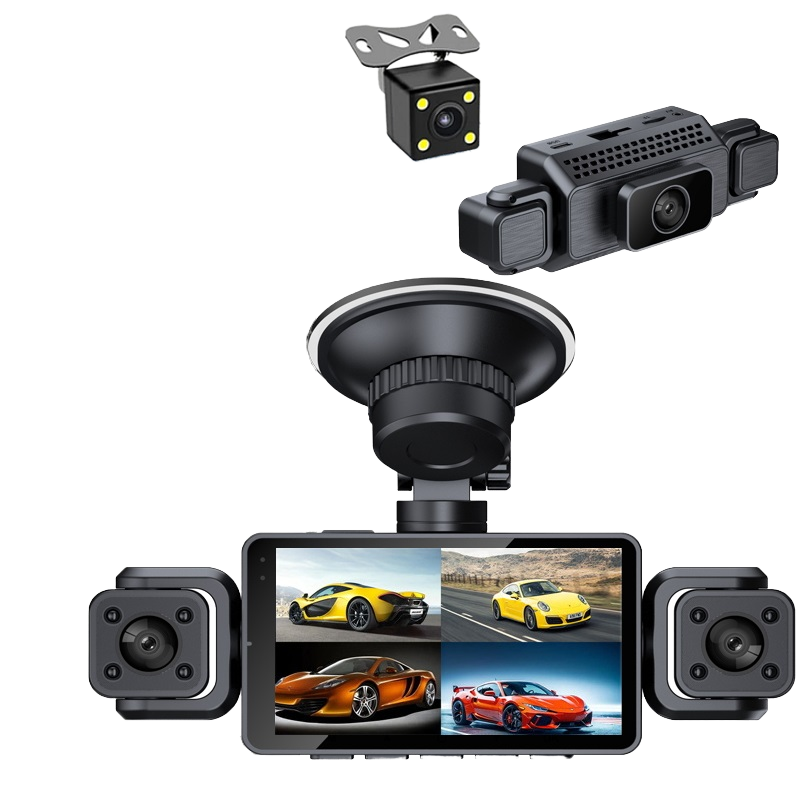
- 4-Channel 1080P Simultaneous Recording
- 360° Panoramic Surround Surveillance
- Integrated G-Sensor & WiFi Module
- Night Vision Enhanced Optical Sensor
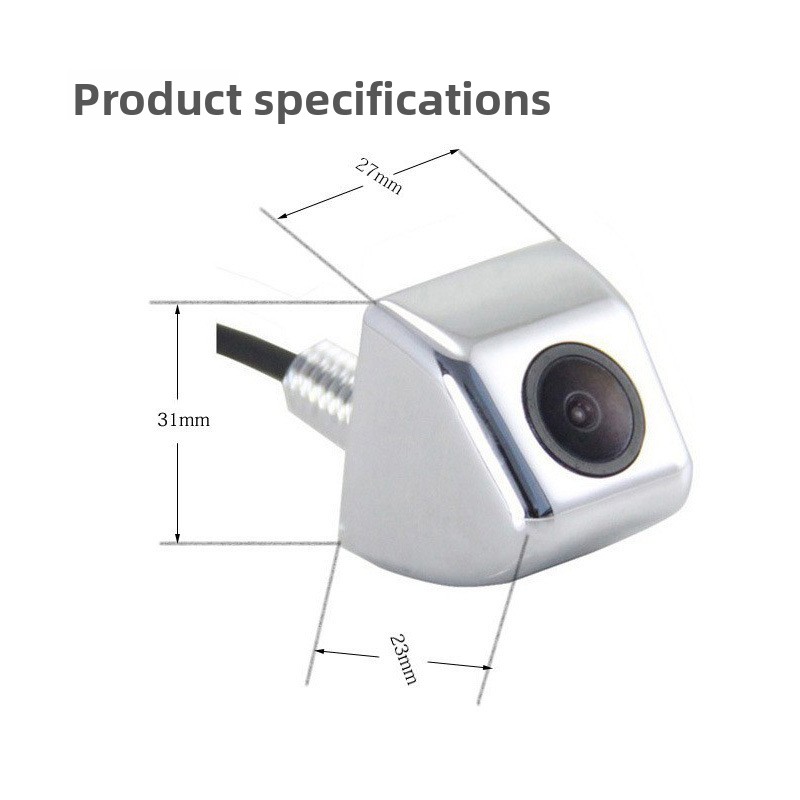
- AHD 720P High-Dynamic Resolution
- IP68 Weatherproof & Anti-Fog Glass
- 170° Wide Field of View (FOV)
- Universal Android Head Unit Sync
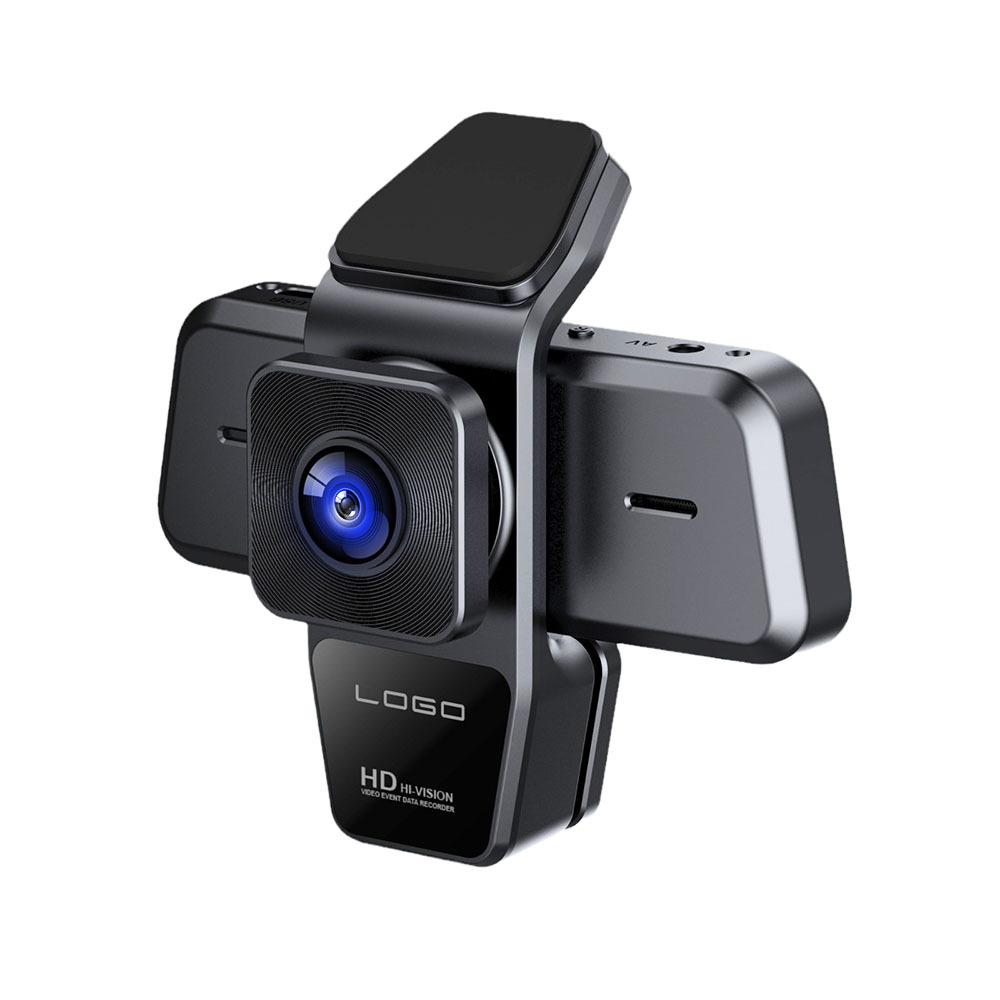
- Front, Cabin & Rear Triple Coverage
- IR Cabin Night Vision LEDs
- Automated Motion & Impact Sensing
- Seamless H.264 Loop Recording
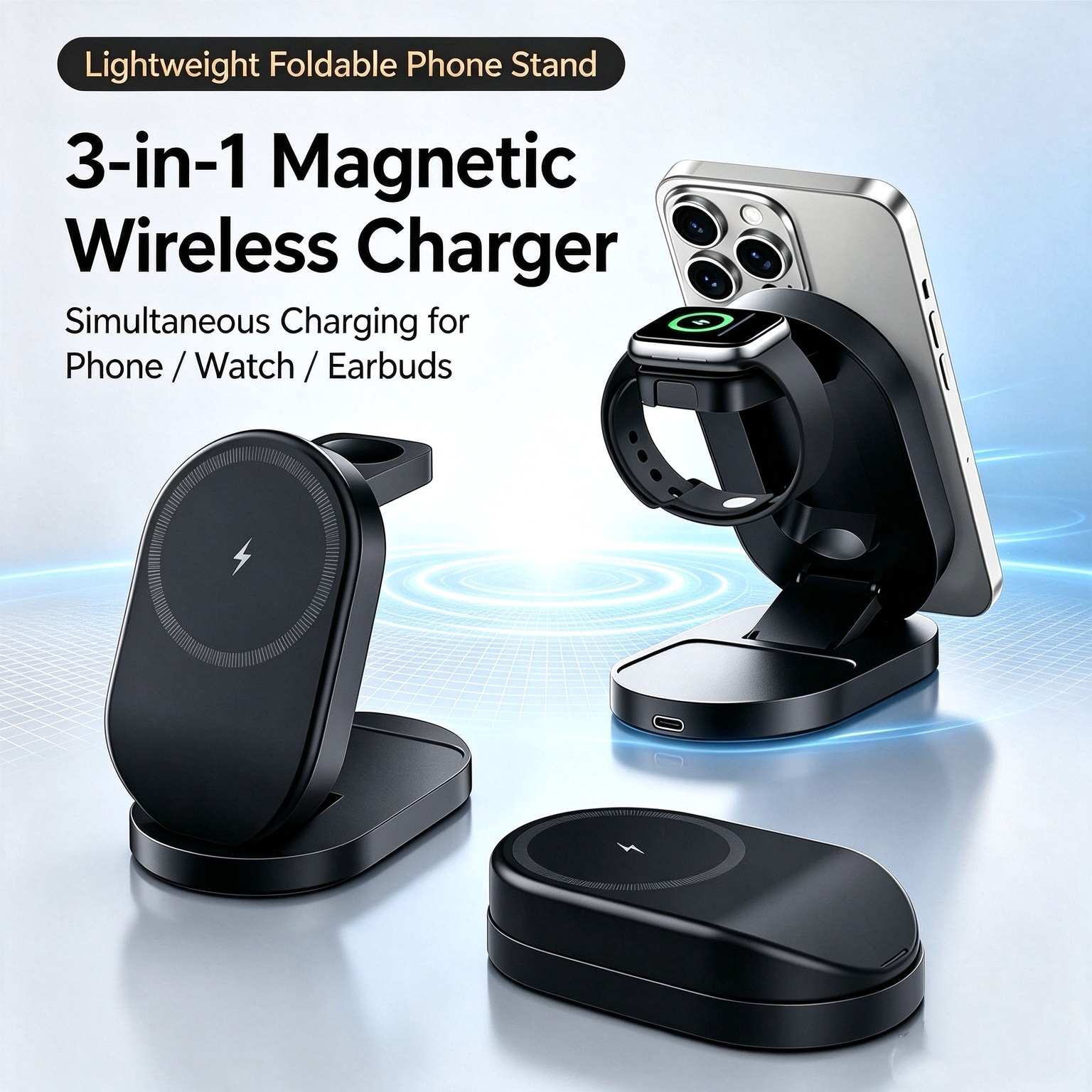
- 15W Qi-Certified Fast Wireless Charge
- Strong N52 Magnetic Array
- Cockpit Mount for Driver Devices
- Multi-Device Simultaneous Output
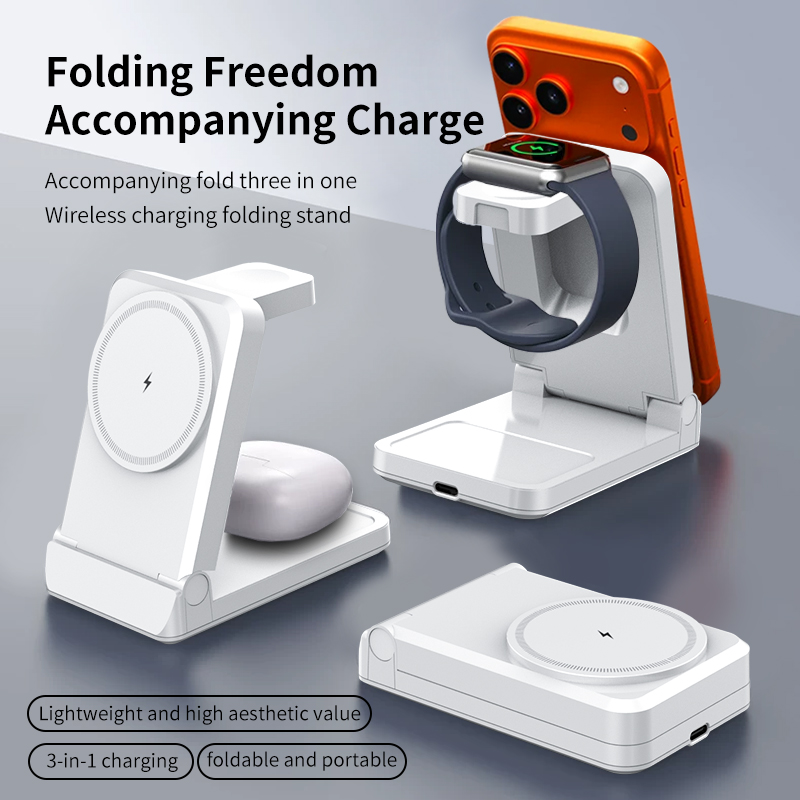
- Compact Foldable Travel Design
- Intelligent Temperature Protection
- High-Grade Aluminum & ABS Casing
- Universal iOS & Android Compatibility
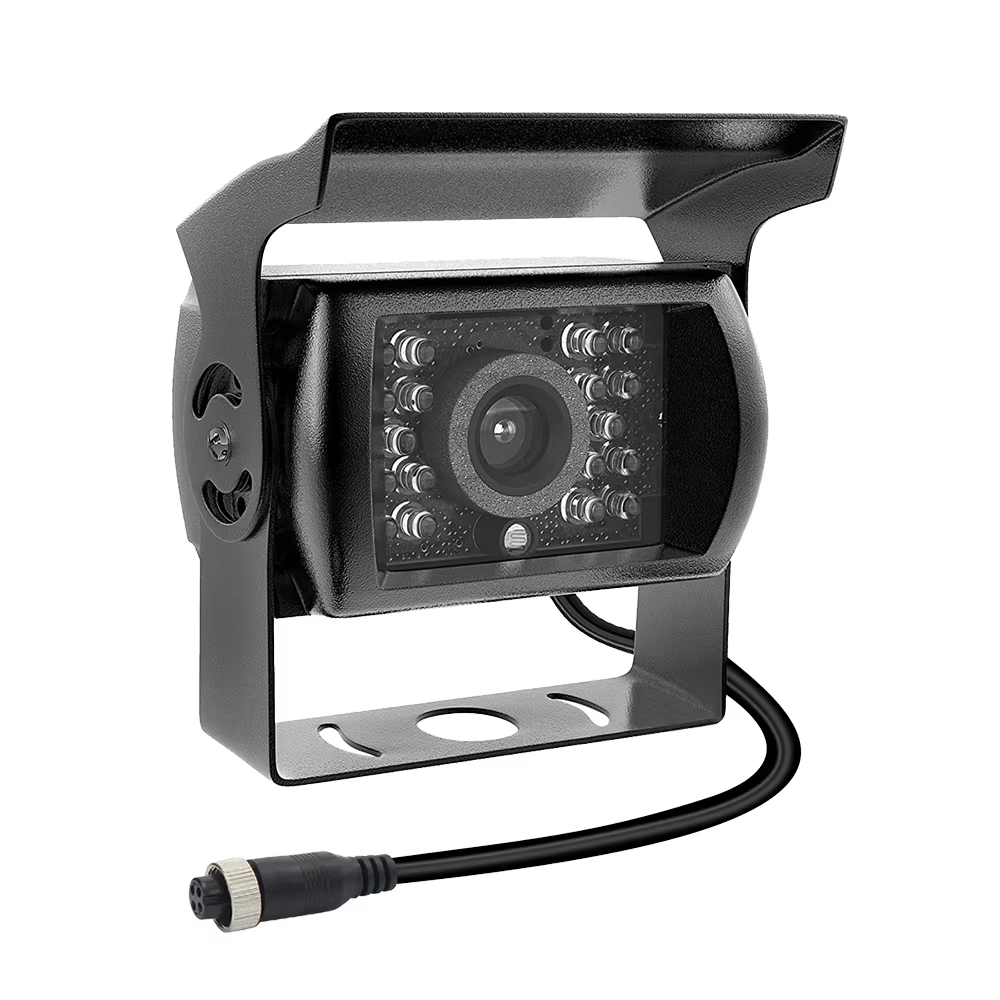
- 12V–24V Heavy-Duty Wide Voltage
- IP69K Immersion Waterproof Rating
- Heavy Housing Anti-Vibration Metal
- 18-IR LED Superior Night Vision
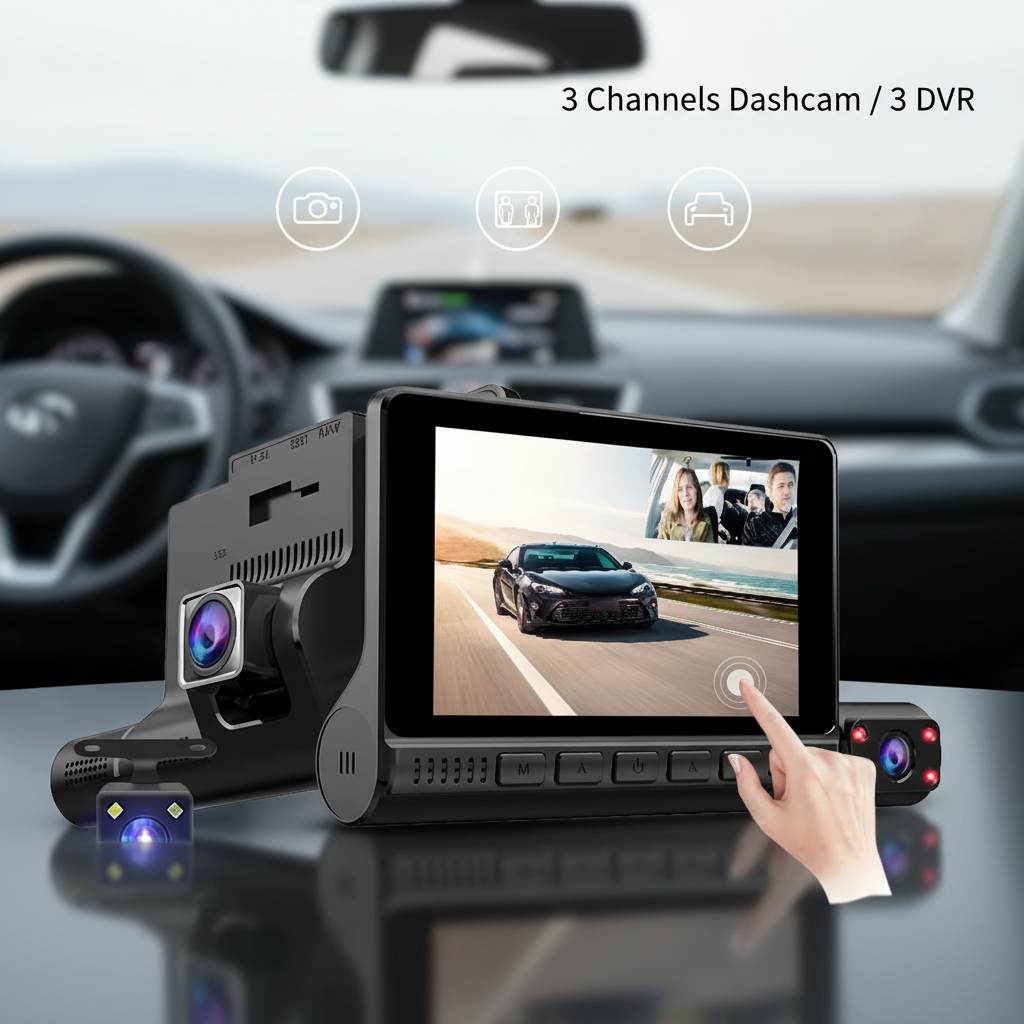
- 4.0-Inch High-Resolution IPS Panel
- Dual Lens 120° Wide Dynamic Angle
- Synchronous Rear View Switching
- Automated Collision Lock (G-Sensor)
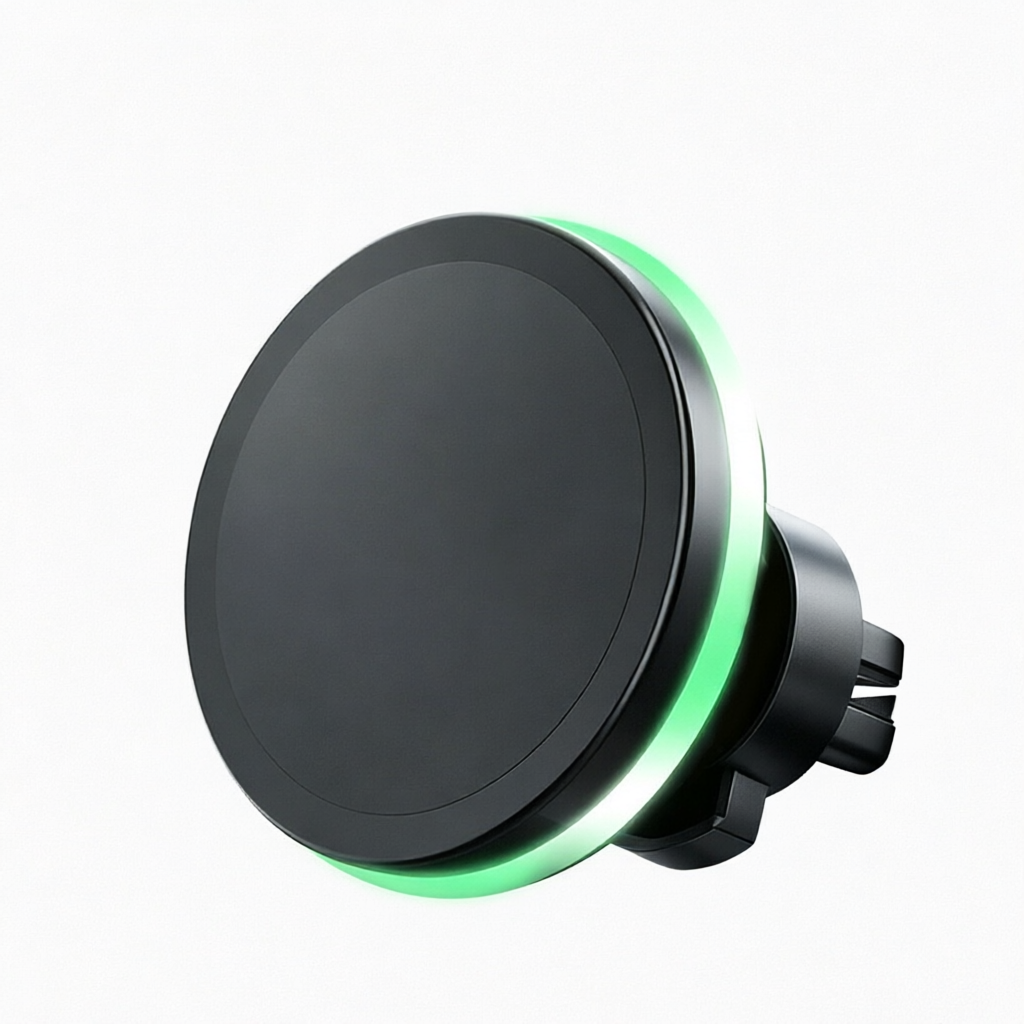
- QC3.0 High-Speed Protocol Support
- Custom Air-Vent & Dash Mount Clips
- Optimized for Modern Vehicle Cabins
- USB-C High-Current Delivery Interface
Enterprise Blueprint: Jemrok Manufacturing Capability
Headquartered in the global electronics manufacturing epicenter of Shenzhen, Jemrok Industrial Technology (Shenzhen) Co., Ltd. operates as a specialized engineering manufacturer focused exclusively on car DVRs, dash cameras, streaming media rearview mirror systems, and commercial fleet safety cameras. With over six years of concentrated R&D investment, our 1,500 m² ISO-aligned production facility addresses the strict requirements of international distributors, OEM automotive brand owners, and fleet management operators.
Flexible OEM/ODM Customization
Unlike large-scale generic contract assemblers that require 1,000+ unit commits, Jemrok offers customized OEM branding starting at just 50 sets. Our in-house software and mechanical design teams support tailored boot screens, UI localization, custom firmware logic, laser-engraved logo branding, and bespoke retail packaging.
Rigorous Quality Assurance
Every single optical assembly undergoes multi-stage stress testing: high-temperature aging chambers (70°C for 48 hours), thermal shock cycles (-20°C to +70°C), IP68/IP69K water submersion verification, and EMI/EMC compliance testing aligned with international CE, FCC, and RoHS standard guidelines.
Engineering-First R&D Team
Staffed by 5 to 10 senior hardware and software engineers, our R&D center releases new vehicle vision platforms every quarter. From adapting wide-dynamic range (WDR) image tuning to integrating 5G WiFi and AI driver assistance algorithms, we maintain a technology roadmap aligned with current global market trends.
Future Sourcing & Procurement Trends (2025–2030)
Global automotive supply chains are shifting rapidly due to regulatory updates, autonomous driving requirements, and heightened consumer safety expectations. Professional buyers sourcing car rear view systems from China must factor the following technical trends into their 3-to-5-year procurement strategies:
1. Complete Transition from Analog to Digital Transmission
Legacy CVBS analog video channels suffer from color bleeding, line interference, and sub-480p resolution limits. High-volume procurement is now 100% focused on AHD (720P/1080P) for aftermarket replacement and LVDS / FPD-Link III for OEM integrated screens. AHD technology allows crystal-clear 1080P video transmission over coaxial cables up to 50 meters without latency, ideal for long-wheelbase commercial trucks and buses.
2. Edge-AI Integration: ADAS and Blind Spot Detection (BSD)
Rear view cameras are evolving from passive display feed sources into intelligent active sensing nodes. Modern DSP chipsets (such as Mstar, Novatek, and Allwinner) now embed lightweight neural processing units (NPUs). These enable real-time Blind Spot Detection (BSD), Lane Departure Warning Systems (LDWS), and Moving Object Detection (MOD) directly at the rear view node, alerting drivers to vulnerable road users (VRUs) without relying on expensive central compute modules.
3. CMS (Camera Monitor Systems) Replacing Glass Mirrors
Under UN ECE Regulation 46 and ISO 16505 standards, digital streaming media rearview mirrors are legally replacing physical reflective glass mirrors in Europe and Asia. CMS eliminates aerodynamic drag, expands field-of-view by up to 300%, and removes A/B/C pillar blind spots. Procurement orders for full-screen IPS/OLED streaming mirror recorders with anti-glare HDR capabilities are growing at a CAGR of 24.5%.
Industry Development & Technical Hardware Benchmarks
Evaluating China-based suppliers requires auditing specific component-level specifications. The technical matrix below compares traditional low-tier vehicle cameras against modern automotive-grade rear view systems engineered by Jemrok:
| Technical Parameter | Legacy / Low-Cost Tier | Jemrok Automotive-Grade Standard | Commercial Fleet Specification |
|---|---|---|---|
| Optical CMOS Sensor | 1/4" Cheap CMOS (VGA/480P) | 1/2.8" Sony STARVIS / GC Full HD Sensor | Sony STARVIS 2 Night Vision Sensor |
| Video Output Protocol | CVBS Analog (NTSC/PAL) | AHD 720P / 1080P Signal Sync | AHD / LVDS Digital Signal Feed |
| Lens Optics & Housing | 2G2P Plastic Lens, Plastic Shell | 6G Full Glass Lens, Aluminum Alloy | 6G Metal Barrel, Anti-Scratch Sapphire Coating |
| Dynamic Range (HDR) | Software WDR (<60dB) | True Hardware HDR (≥105dB) | True Hardware HDR (≥120dB) Dual Exposure |
| Ingress Protection (IP) | IP67 (Basic Splash Resistant) | IP68 Waterproof Submersion | IP69K High-Pressure Steam Jet Proof |
| Input Voltage & Protection | 12V DC Only (No Spike Surge) | 12V DC with TVS Diode Protection | 12V–36V Wide Voltage with ISO 7637-2 Protection |
| Operating Temperature | -10°C to +50°C | -20°C to +70°C | -30°C to +85°C (Automotive Grade) |
Supplier Qualification Framework for OEM Buyers
When conducting supplier audits in China for rear view vision technology, enterprise buyers must verify specific technical and operational capabilities. The matrix below outlines how Jemrok compares against general trading vendors and legacy Tier-1 OEMs:
1. Lens Thermal Drift Stability
Inexpensive plastic-lens assemblies warp when exposed to direct sunlight on vehicle tailgates, causing severe defocusing. Jemrok employs all-glass (6G) lenses with fixed metal barrels, ensuring crisp image focus across extreme temperature swings from -30°C to +85°C.
2. Transient Voltage & Load Dump
Commercial vehicle alternators generate voltage spikes up to 100V during load dump events. Our commercial truck cameras incorporate ISO 7637-2 transient voltage suppression (TVS) diodes and wide-voltage DC-DC step-down buck regulators to eliminate field failures.
3. Anti-Glare HDR ISP Tuning
At night, tailgating headlight glare can wash out rear view camera feeds, making license plates unreadable. Jemrok tunes image signal processors (ISP) for multi-exposure high dynamic range (HDR), balancing dark shadows and intense light spots simultaneously.
B2B Sourcing FAQ: Enterprise Buyer Inquiries
Key technical, logistical, and compliance answers prepared by our engineering and export team:
Partner with China's Premier Car Rear View System Manufacturer
Accelerate your product roadmap with factory-direct pricing, flexible 50-set OEM customization, and proven automotive-grade quality control. Contact our Shenzhen engineering team today for technical datasheets, sample orders, and custom price quotations.