Enterprise Excellence: Leading China Car Rear View Camera Manufacturing
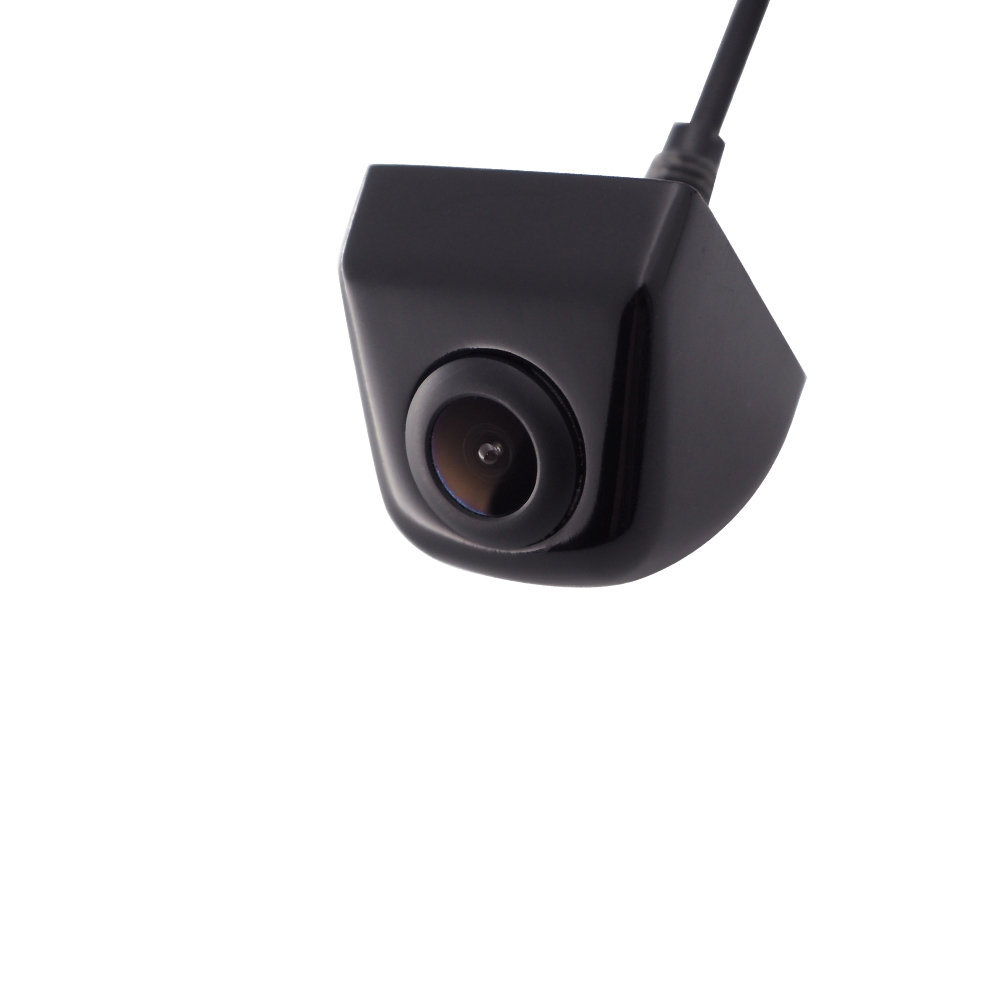
In the rapidly evolving landscape of automotive safety, selecting a qualified tier-1 OEM manufacturing partner in China is a critical strategic decision for global distributors, brand owners, and fleet management solution providers. As a premier China Top Car Rear View Camera Manufacturer & Wholesaler based in the technology hub of Shenzhen, Jemrok Industrial Technology (Shenzhen) Co., Ltd. stands out by offering end-to-end vision system engineering, rigorous quality assurance, and agile production flexibility.
Unlike standard trading operations or generic electronics factories, Jemrok has spent over six years exclusively mastering vehicle vision architectures. Operating from a state-of-the-art 1,500 m² manufacturing plant, our specialized engineering teams integrate advanced CMOS sensor tuning, dynamic trajectory algorithms, high-grade optical lens bonding, and robust thermal protection into every camera assembly. Our factory produces between 300,000 and 500,000 units annually, maintaining strict compliance with international automotive standards including CE, FCC, and RoHS directives.
Agile OEM & ODM Customization
From private logo printing, customized boot screens, and tailored UI languages to complete hardware platform development starting at a low MOQ of just 50 sets.
Automotive-Grade Reliability
Every camera undergoes IP69K waterproof submersion testing, 24-hour thermal shock stress cycles (-30°C to +85°C), and anti-vibration testing to guarantee zero field failures.
Quarterly R&D Innovation
Our dedicated R&D team continuously rolls out next-generation camera solutions featuring Sony STARVIS 2 night vision, 4K resolution, AI BSD, and 5G Wi-Fi synchronization.
Technological Evolution of Automotive Rear View Camera Systems
The global vehicle camera industry has shifted dramatically from basic analog video feeds to intelligent, high-definition spatial vision nodes. Understanding these technical transitions allows B2B buyers to optimize their product portfolios and maximize retail margins.
1. Sensor Architecture: Transition from CVBS Analog to High-Definition AHD & Digital LVDS
Historically, commercial and passenger backup cameras relied on analog NTSC/PAL CVBS signals offering modest resolutions (420-520 TV Lines). Modern automotive safety standards demand crisp, latency-free imaging. Today's manufacturing standard centers on Analog High Definition (AHD 720P / 1080P) and high-speed digital LVDS interfaces. AHD technology allows uncompressed, full High-Definition video transmission over standard coaxial cabling up to 50 meters without signal degradation or frame dropping—making it ideal for both passenger cars and heavy-duty commercial vehicles.
2. Optical Superiority: Starlight Night Vision & WDR/HDR Integration
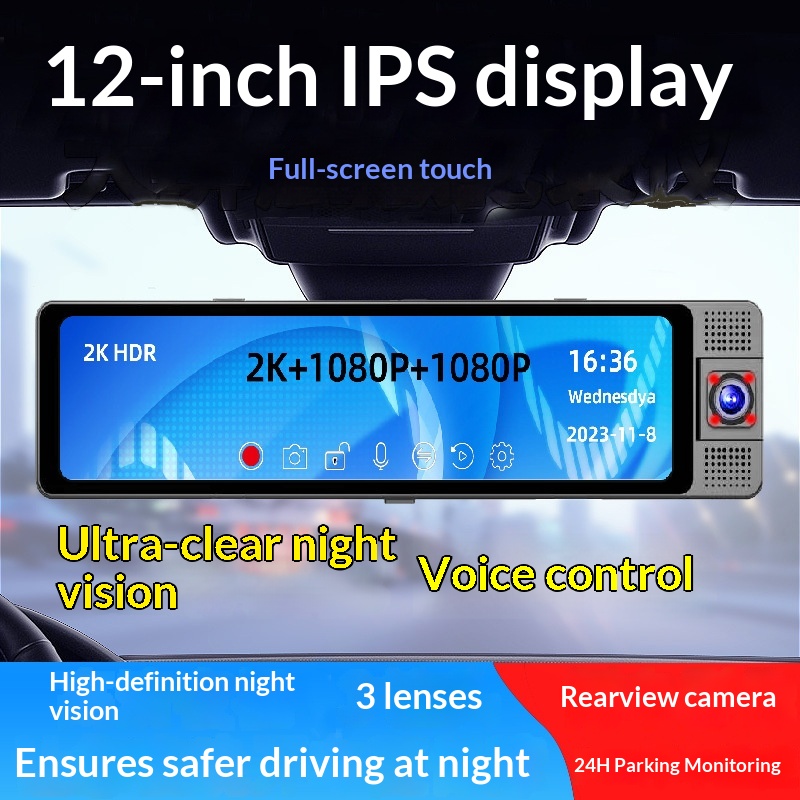
A major cause of consumer dissatisfaction with low-grade rear cameras is poor image clarity under low-light or high-contrast driving conditions (such as exiting a tunnel or reversing into an unlit alleyway). Modern professional rear view cameras utilize 6-Glass (6G) optical lenses with F1.6 to F1.8 large apertures combined with Starlight-grade CMOS sensors (such as Sony STARVIS series). Coupled with hardware-level Wide Dynamic Range (WDR) and High Dynamic Range (HDR), these cameras equalize extreme brightness and harsh shadows, revealing clear license plates and pedestrian movements in near-total darkness (0.001 Lux).
| Technical Feature | Legacy Analog (CVBS) | Standard AHD 720P/1080P | Next-Gen AI & Digital Rear Vision |
|---|---|---|---|
| Resolution | 480 x 272 / 720 x 480 pixels | 1280 x 720 / 1920 x 1080 pixels | 2560 x 1440 (2K) up to 3840 x 2160 (4K) |
| Low-Light Sensitivity | > 1.0 Lux (Requires IR LEDs) | 0.01 Lux (Starlight Night Vision) | 0.0001 Lux (Ultra-Starlight HDR Sensor) |
| Waterproof Standard | IP67 (Basic Splash Resistant) | IP68 / IP69K (High-Pressure Washproof) | IP69K Hermetic Nitrogen-Sealed Housing |
| Dynamic Parking Lines | Static Printed Lines | Built-In Gyro Dynamic Trajectory | CAN-Bus Active Stepping Guidance |
| Intelligent Features | None | Motion Detection | AI-BSD (Blind Spot Detection) & MOD |
3. Dynamic Parking Guidelines: Built-In Gyro vs. CAN-Bus Integration
Modern consumers demand active dynamic parking guidelines that curve automatically as the steering wheel turns. High-end rear view cameras from China manufacturers now feature integrated trajectory chips equipped with internal gyroscopes. These chips calculate vehicle chassis rotation in real time without requiring complex connections to the vehicle's internal CAN-Bus system, simplifying installation for aftermarket consumers while delivering OEM-level guidance responsiveness.
Future Procurement Trends in Car Rear View & Vehicle Vision Systems
As autonomous driving assistance (ADAS) becomes mandatory across global regional markets, vehicle cameras are no longer standalone passive accessories. Procurement managers, automotive chain stores, and fleet managers must align their purchasing strategies with key market trends reshaping the industry:
- Integration of Artificial Intelligence at the Edge (AI-BSD Cameras): Future rear view cameras will embed micro-NPU chips directly inside the camera housing. These edge-AI algorithms perform real-time Blind Spot Detection (BSD) and Moving Object Detection (MOD). When a pedestrian, cyclist, or approaching vehicle enters the rear danger zone, the camera directly triggers auditory and visual alerts to the monitor or infotainment display, preventing backing collisions.
- Commercial Vehicle Wide-Voltage & Heavy-Duty Standardisation (12V–36V): The rapid expansion of global logistics requires ruggedized rear vision systems built for trucks, buses, agriculture machinery, and heavy trailers. Modern procurement prioritizes wide-voltage tolerance (DC 12V to 36V), heavy-duty aviation 4-pin connector cables, stainless steel mounting brackets, and IP69K hot-water jet pressure resistance.
- Wireless & Digital High-Bandwidth Transmission Protocols: While wired connections remain dominant for absolute zero-latency applications, next-generation 2.4GHz and 5GHz digital wireless rear view cameras featuring encrypted point-to-point pairing are taking over the RV (Recreational Vehicle), camper, and trailer markets. Modern digital wireless systems eliminate signal interference, supporting 1080P real-time streaming over distances exceeding 100 meters.
- Streamlined Customization via Low-MOQ Agile Supply Chains: Global importers are increasingly avoiding mass inventory stockpiles in favor of rapid, smaller production batches. Manufacturers offering flexible customization—such as custom wire lengths, specialized mounting brackets, specialized glass coatings, and custom packaging at MOQs of 50–100 sets—gain a decisive competitive advantage in global B2B supply chains.