Commercial Bus Vision & Automotive Mobile Electronics
Direct OEM/ODM platforms, vehicle safety monitors, and high-performance fleet accessories
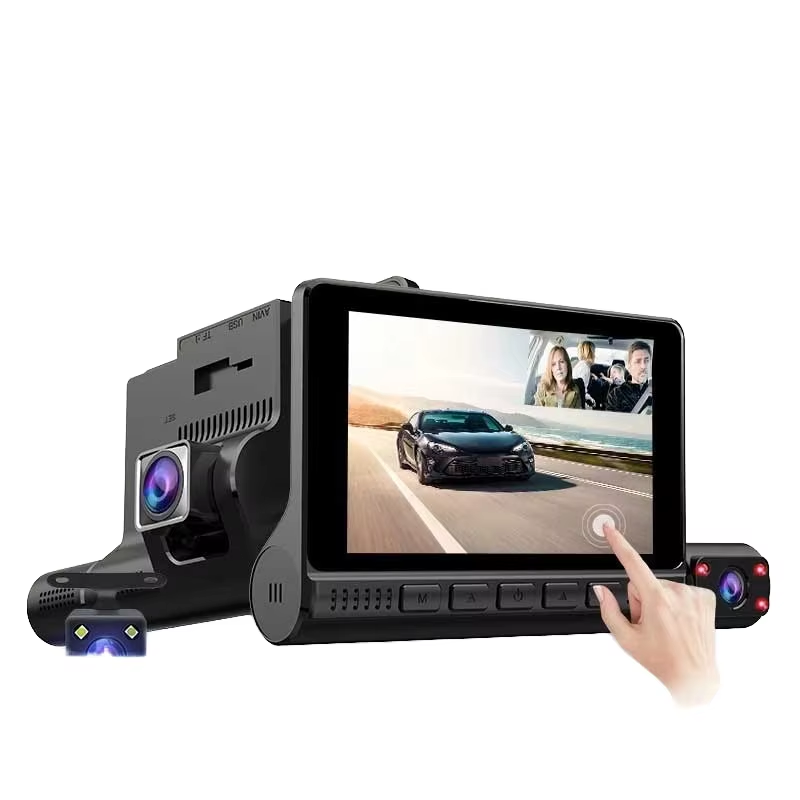
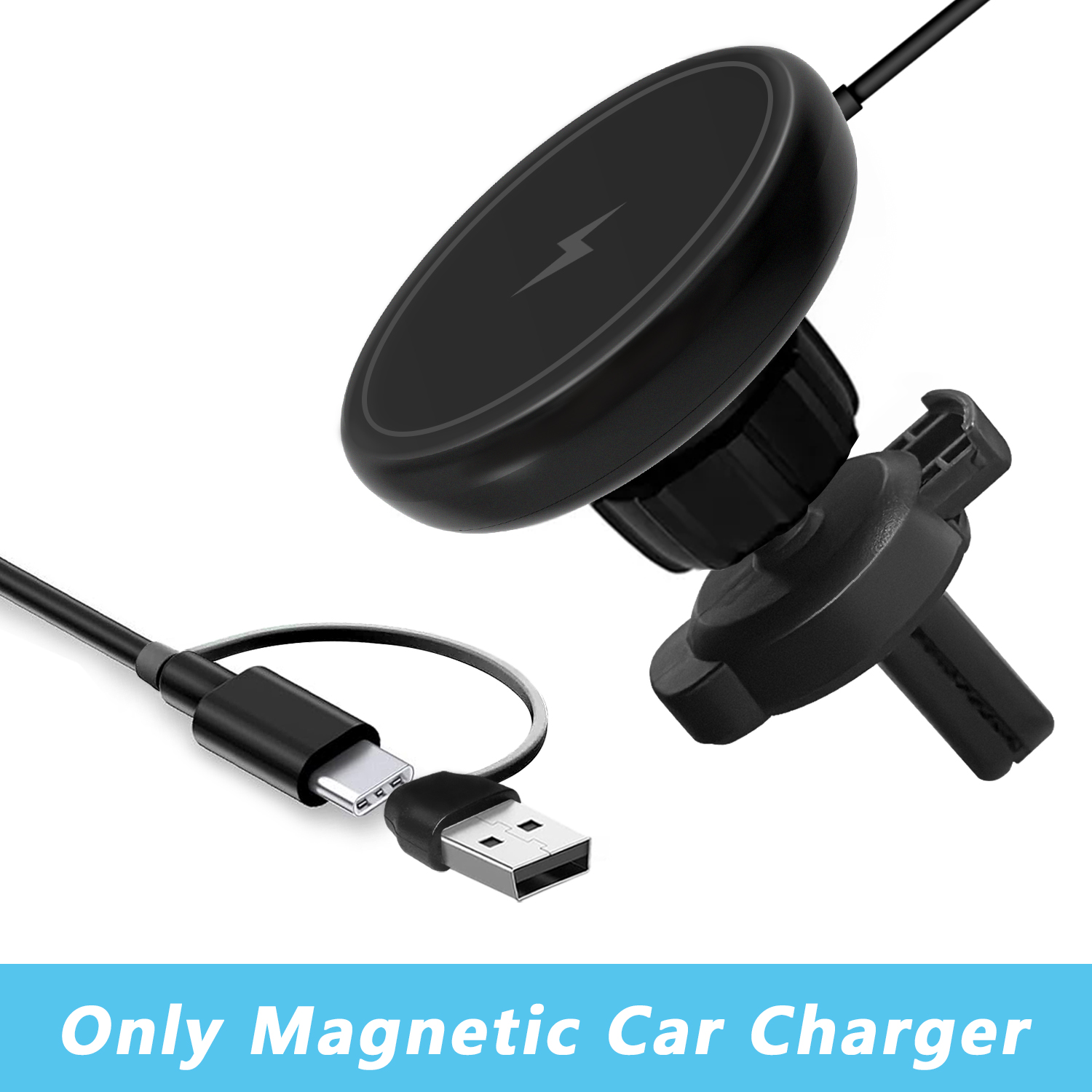
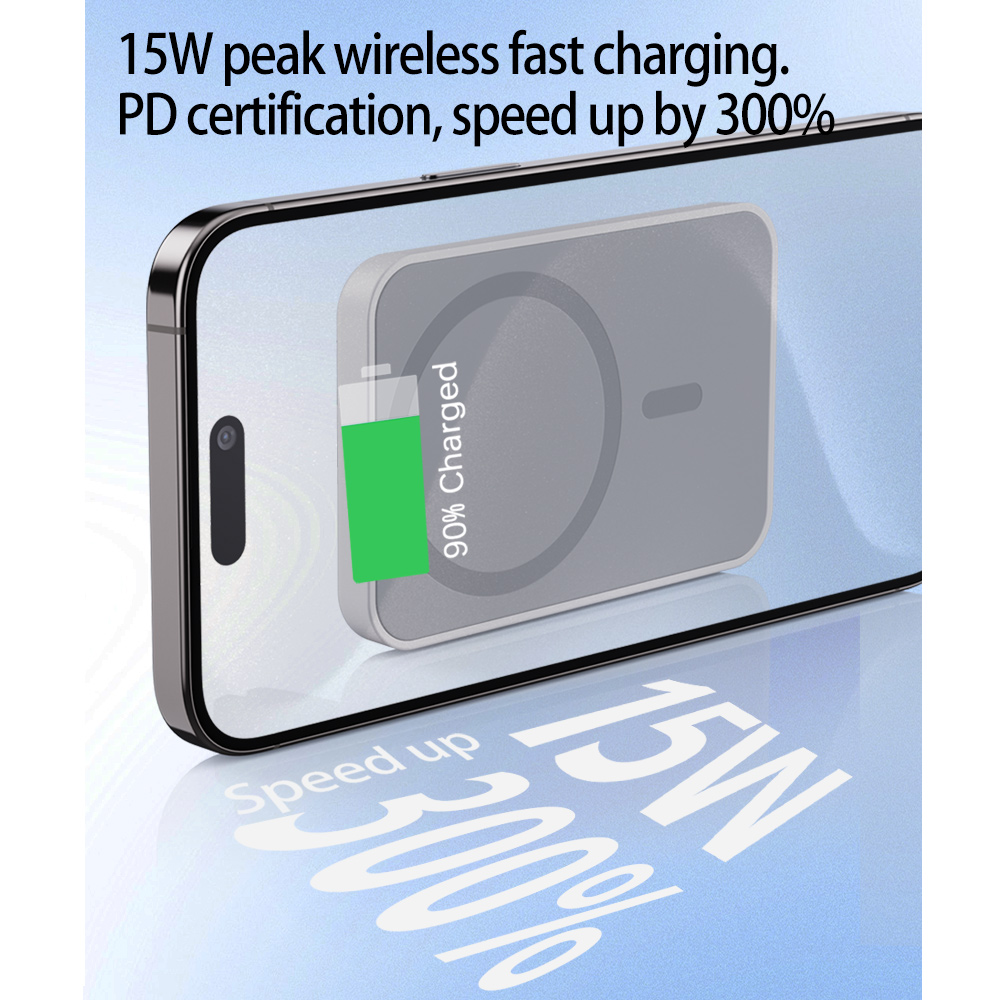

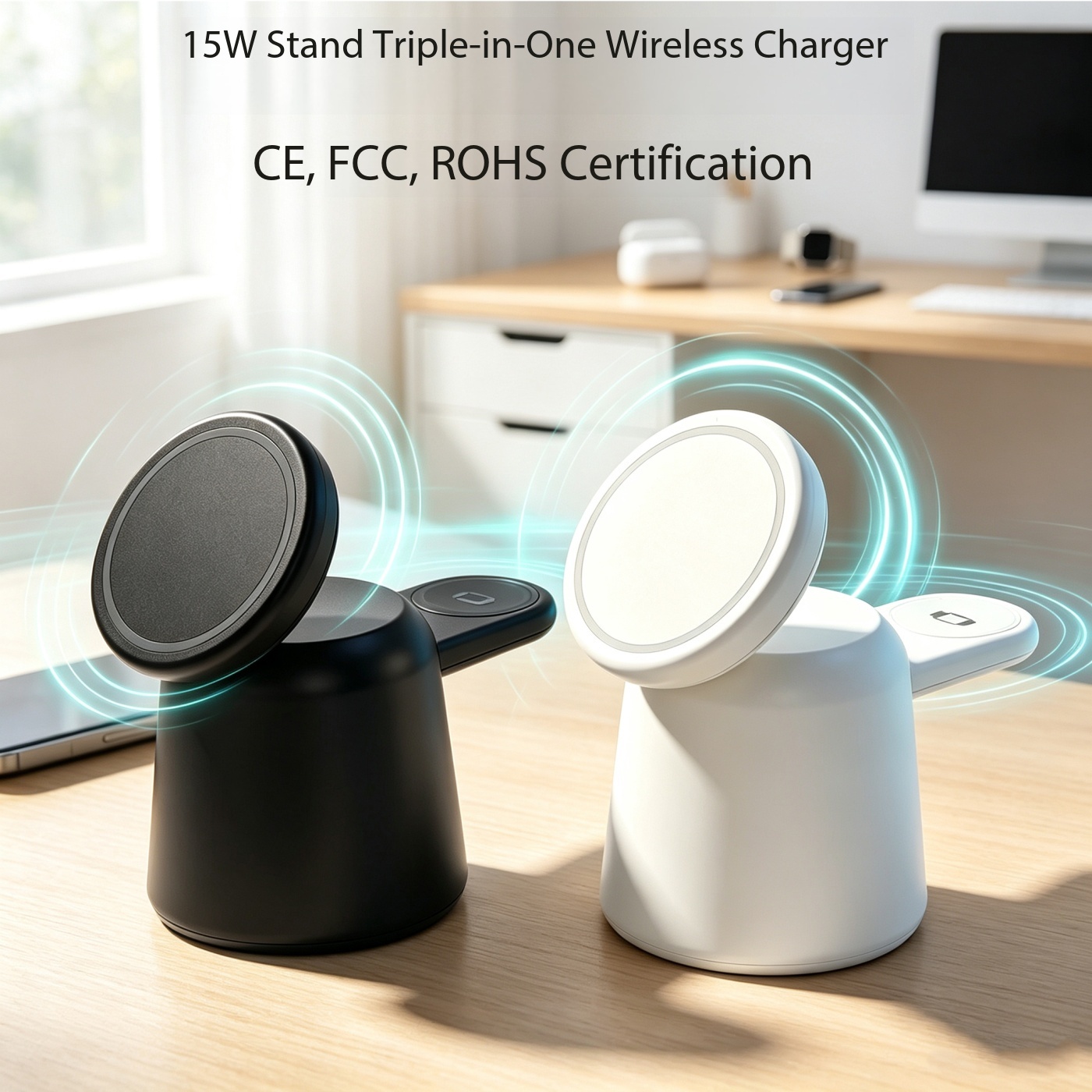


1. Executive Overview: The Evolution of Commercial Transit Surveillance
The global commercial passenger transport sector—encompassing public city buses, intercity coaches, school transport fleets, and corporate shuttles—is undergoing a rapid technological convergence. Standard closed-circuit television (CCTV) systems are no longer sufficient to meet modern fleet management, risk mitigation, and regulatory compliance standards. Today’s transit operators require intelligent **Mobile Digital Video Recorders (MDVR)** integrated with multi-channel HD optics, telematics, and artificial intelligence at the edge.
When sourcing from **China bus camera suppliers and exporters**, international procurement teams, fleet directors, and automotive system integrators must look beyond basic sensor resolutions. Evaluating supplier capability requires an engineering-level understanding of vehicle power stability, wide dynamic range (WDR) optics for high-contrast transit corridors, thermal endurance, shock resistance, and compliance with international automotive standards such as **ISO 16750**, **ECE R10 (E-Mark)**, **CE**, **FCC**, and **RoHS**.
2. Technical Architecture & Engineering Selection Criteria
Commercial buses operate under harsh physical environments. Electrical noise, vehicle alternator voltage spikes, engine vibration, wide temperature swings, and severe weather conditions demand specialized hardware designs. Below is an engineering evaluation matrix for selecting commercial-grade bus cameras and vehicle recording hardware:
| Engineering Feature | Consumer/Standard Dash Cam | Commercial Bus Camera (Jemrok Industrial Grade) | Operational Impact on Fleet |
|---|---|---|---|
| Voltage Input & Protection | 5V via USB / 12V Cigarette Lighter | 9V – 36V Wide Voltage with TVS Surge Protection | Prevents motherboard burnout from bus battery jumpstarts and transient voltage spikes. |
| Cabling & Connectors | 3.5mm Jack / Micro-USB | 4-Pin Aviation DIN Connectors (M12 Threaded) | Waterproof, dustproof, and vibration-proof signal locking without dropouts. |
| Optical Sensor & Night Vision | Standard CMOS (F2.0) | Sony STARVIS / AHD 1080P Low-Light (F1.6 - F1.8) | Captures crisp license plates and passenger details in near-total darkness (0.001 Lux). |
| Housing & Thermal Dissipation | Plastic Enclosure (0°C to 60°C) | Cast Aluminum / Zinc Alloy (IP68/IP69K, -40°C to +85°C) | Resists high-pressure fleet washings and continuous operating heat. |
| Channel Capability | 1 to 2 Channels (Front/Rear) | 3, 4, to 8 Channels (Surround, Cabin, Blind Spot) | Eliminates 360-degree blind spots around 12-meter to 18-meter articulated buses. |
Crucial Hardware Components for Bus Cameras
1. **Wide-Voltage Power Management Circuitry (9V–36V Input):** Heavy-duty transit buses operate on 24V electrical architectures. During engine ignition or heavy auxiliary loads, bus voltage can fluctuate wildly between 18V and 32V. A professional bus camera supplier integrates Transient Voltage Suppression (TVS) diodes, reverse polarity protection, and delayed power-down supercapacitors to ensure corrupt-free video file saving during sudden power loss.
2. **M12 4-Pin Aviation Cable Interconnects:** Unlike consumer grade 3.5mm or USB connections that wiggle loose under bus chassis vibrations, M12 aviation connectors feature threaded nickel-plated metal sleeves with rubber O-ring seals. They carry video signal, audio, camera power, and ground through a single shielded cable, shielding against electromagnetic interference (EMI) from the bus generator.
3. **Infrared (IR) & Starlight Night Vision:** Interior passenger cabin monitoring requires invisible 940nm IR LEDs (to avoid distracting passengers or drivers at night), while external reversing and side-view cameras utilize starlight-grade CMOS sensors paired with 850nm illumination to cut through pitch-black depot yards and rainy highways.
3. Enterprise Advantages: Partnering with Jemrok Industrial Technology
Based in the global electronics capital of Shenzhen, **Jemrok Industrial Technology (Shenzhen) Co., Ltd.** operates as a direct manufacturer dedicated exclusively to vehicle visual monitoring, dash cameras, streaming media mirror recorders, and multi-channel commercial car black boxes.
1,500 m² Production Base
Our modern facility houses high-speed SMT lines, automated optical inspection (AOI), dust-free lens assembly chambers, and specialized burn-in aging racks delivering 300,000 to 500,000 units annually.
Strict Quality Assurance
Every single camera module undergoes rigorous waterproof testing (immersion & high-pressure jet), thermal shock cycling (-40°C to +85°C), and 3D vibration simulation to guarantee zero field failures.
Agile OEM/ODM Customization
With an in-house R&D engineering team of 5–10 specialists, we support low MOQs (from 50 sets) for custom firmware compilation, boot screen logos, multilingual menus, housing colors, and specialized box designs.
4. Future Bus Camera & Telematics Procurement Trends (2025–2030)
As public transit agencies and commercial fleet operators accelerate digital transformation, procurement requirements are shifting from isolated recording devices to fully networked IoT nodes. B2B buyers should align their purchasing strategies with the following technology vectors:
A. On-Edge AI: ADAS, DMS, and Blind-Spot Detection (BSD)
Future bus camera installations rely on real-time neural processing units (NPU) integrated directly within the camera or MDVR hardware. - **Driver Monitoring Systems (DMS):** Cabin-facing cameras track eye blink rate, facial orientation, yawning, phone usage, and smoking to sound instant audible alerts and flag fleet managers via cloud telemetry. - **Advanced Driver Assistance Systems (ADAS):** Forward-facing cameras process lane drift, forward collision warnings (FCW), and pedestrian detection in city crosswalks. - **Side Blind-Spot Detection (BSD):** Radar-guided or vision-based side cameras automatically detect cyclists and pedestrians alongside 12-meter bus turning radiuses, significantly reducing urban accident liability.
B. Electric Bus (EV Bus) High-Voltage EMC Shielding
With global municipal fleets switching to zero-emission battery electric buses (BEVs), electromagnetic compatibility (EMC) has become a primary engineering hurdle. High-voltage battery packs (350V–700V DC) and heavy-duty traction inverters generate high-frequency electrical noise. Next-generation bus cameras utilize double-shielded coaxial wiring, ferrite bead suppression, and isolated power converters to prevent screen flickering or signal loss.
C. Cloud V2X & 5G Real-Time Video Telematics
Traditional SD-card manual video extraction is being replaced by automatic Wi-Fi offloading at bus depots and 5G cellular streaming. Fleet dispatchers can live-view multi-channel camera feeds, track GPS locations in real time, and automatically upload G-sensor trigger event clips directly to Amazon Web Services (AWS) or private cloud servers.
5. Frequently Asked Questions (FAQ) for Bus Camera Procurement
Ready to Upgrade Your Commercial Fleet Safety Architecture?
Partner directly with Shenzhen's leading OEM/ODM vehicle camera manufacturer. Get direct factory pricing, engineering sample units, and customized production timelines within 1 hour.
Contact Us