
Executive Whitepaper: Sourcing CE Certified Wide Angle Car Cameras in a Regulatory-Driven Market
The global automotive vision safety ecosystem is undergoing an unprecedented technological and regulatory transformation. As vehicle safety directives—such as the European Union’s General Safety Regulation II (GSR II) and updated US National Highway Traffic Safety Administration (NHTSA) rear-visibility mandates—tighten compliance metrics, the commercial demand for high-reliability, CE-certified wide-angle car cameras has escalated significantly. For global electronics importers, fleet telemetry providers, and automotive accessory wholesalers, securing a direct manufacturing partnership with verified OEM/ODM suppliers is no longer merely a pricing decision; it is a critical strategy to mitigate supply chain liability, compliance failure, and product recall risks.
Future Procurement Trends in Automotive Vision (2025–2030)
To establish long-term market leadership, wholesale buyers must align their procurement cycles with overarching technological shifts within the automotive aftermarket and commercial fleet telematics sectors:
1. Multi-Channel Blind Spot Elimination
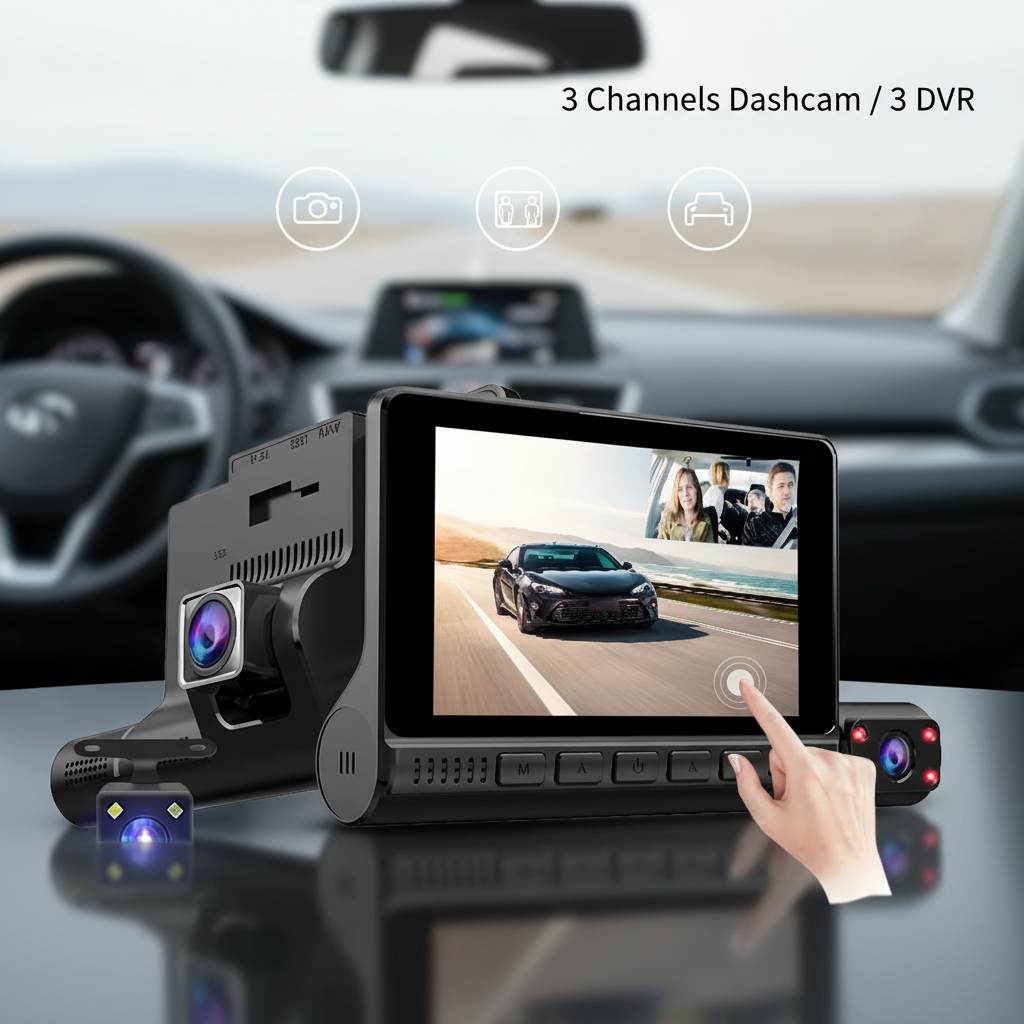
Single-channel dash cameras are rapidly being replaced by 3-channel (Front, Interior Cabin, Rear) and 4-channel 360° coverage setups. Fleet operators and ride-share services require unified recording platforms that eliminate blind spots across standard passenger sedans, delivery vans, and heavy-duty commercial haulers.
2. AHD Analog High Definition & Wide Voltage Architecture
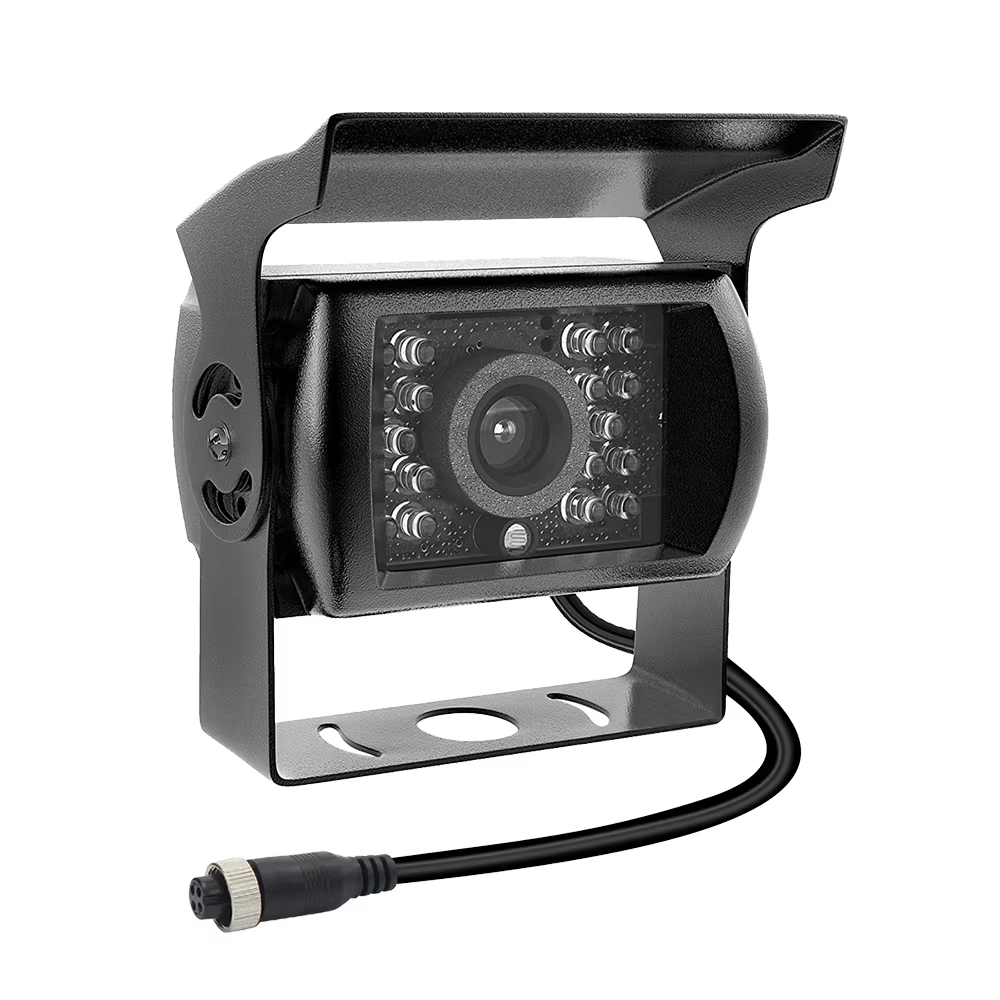
Commercial vehicle logistics demand robust, low-latency video feeds over long cable distances. AHD (Analog High Definition) 720P and 1080P sensors coupled with 12–24V wide-voltage dynamic step-down power regulation ensure stable operation despite heavy engine starter voltage spikes.
3. AI-Enhanced ISP & Optical Distortion Correction
Super-wide-angle lenses (140° to 170° FOV) historically suffered from fisheye warping, rendering license plates unreadable at outer margins. Modern ISP (Image Signal Processor) firmware incorporates hardware-level de-warping algorithms to deliver wide visual coverage without geometric distortion.
Product Engineering & Technological Innovation Breakdown
At Jemrok Industrial Technology (Shenzhen) Co., Ltd., continuous R&D investment drives optical engineering breakthroughs designed explicitly for demanding automotive operating environments. Below is a detailed technical comparison of architectural choices facing buyers today:
| Technical Parameter | Standard Commercial Grade | Jemrok Industrial Enterprise Grade | Wholesale Sourcing Benefit |
|---|---|---|---|
| Lens Construction | 2G2P or Plastic Lens Elements | 6-Glass (6G) Full Glass + IR Cut Filter | Prevents thermal blurring at high dashboard temperatures (>70°C). |
| Field of View (FOV) | 90° – 110° Narrow Coverage | 120° – 170° Ultra-Wide Optical Coverage | Captures up to 4 lanes of traffic plus side pedestrian sidewalks. |
| Night Vision Sensor | Standard CMOS Sensor | Sony STARVIS / AHD High Sensitivity CCD | Superior low-light SNR (Signal-to-Noise Ratio) in pitch-black parking environments. |
| Power Architecture | 12V Fixed Voltage LDO | 12-24V Wide Voltage with Transient Surge Suppression | Prevents mainboard burnout in large trucks, buses, and heavy machinery. |
| Thermal Threshold | -10°C to +50°C (Lithium Battery) | -20°C to +70°C (Supercapacitor Options) | Zero risk of battery swelling, explosion, or thermal shutdown under direct sunlight. |
Enterprise Capabilities & Strategic Factory Advantages
Jemrok Industrial Technology operates a specialized 1,500 m² modern manufacturing facility in Shenzhen, China, dedicated entirely to vehicle safety vision systems. Rather than operating as a broad trading company, Jemrok concentrates its technical engineering talents exclusively on camera hardware design, PCB layout optimization, firmware development, and precision optical assembly.
Why Partner with Jemrok for Direct Factory Sourcing?
- Flexible OEM & ODM MOQ: Unlike rigid Tier-1 manufacturers requiring orders of 2,000+ units, Jemrok supports emerging brand owners, regional fleets, and private label importers with custom logo printing, custom boot screens, localized firmware UI, and customized packaging starting from just 50 sets.
- Rigorous ISO Quality Control Matrix: Every unit leaving the assembly line undergoes a 100% multi-stage testing procedure: optical resolution chart alignment, high-vibration bench simulation, 24-hour continuous burn-in power testing, and IP68 water immersion chamber validation for all external rear cameras.
- Direct Sourcing Cost Advantages: By purchasing direct from the original Shenzhen factory, importers eliminate additional trading markups, gaining a 15% to 25% pricing margin edge against market competitors while receiving guaranteed technical support direct from the engineering team.
- Compliance Assurance: Jemrok products strictly adhere to international environmental and safety standards, holding comprehensive test reports for CE (EMC/LVD), FCC Part 15 subpart B, and RoHS Directive compliance to guarantee smooth customs clearance at European and North American ports.
Frequently Asked Questions (FAQ) for B2B Importers & Wholesalers
What specific CE certification testing documents do you provide for European customs clearance?
We supply complete CE EMC (Electromagnetic Compatibility) and LVD (Low Voltage Directive) test reports issued by accredited third-party testing laboratories. These documents confirm compliance with EN 55032 and EN 55035 standards, ensuring that our car cameras do not emit harmful radio frequency interference or disrupt vehicle electronic systems.
What is the typical turnaround lead time for OEM branded camera orders?
Sample evaluation orders are dispatched within 2 to 4 working days. Customized OEM mass production orders (50 to 1,000 sets)—including silk-screen logo printing, custom packaging boxes, customized instruction manuals, and boot screen firmware customization—are typically fulfilled in 12 to 18 business days.
How do your 12–24V wide-voltage truck cameras prevent failure in commercial fleets?
Commercial trucks and heavy buses experience severe electrical noise and load-dump voltage transients when cranking engines. Our heavy-duty camera modules integrate isolated DC-to-DC buck converters and Transient Voltage Suppressor (TVS) diodes that regulate incoming power safely between 9V and 36V, preventing mainboard voltage destruction.
Can we request custom firmware functions for specific regional markets?
Yes. Our in-house R&D engineering team provides full software adaptation services. We can customize menu navigation languages, video recording bitrate settings, default video loop cycle lengths, G-sensor shock sensitivity curves, and custom GPS speed stamp overlays to match local consumer preferences.
What waterproofing standard is guaranteed for external vehicle backup cameras?
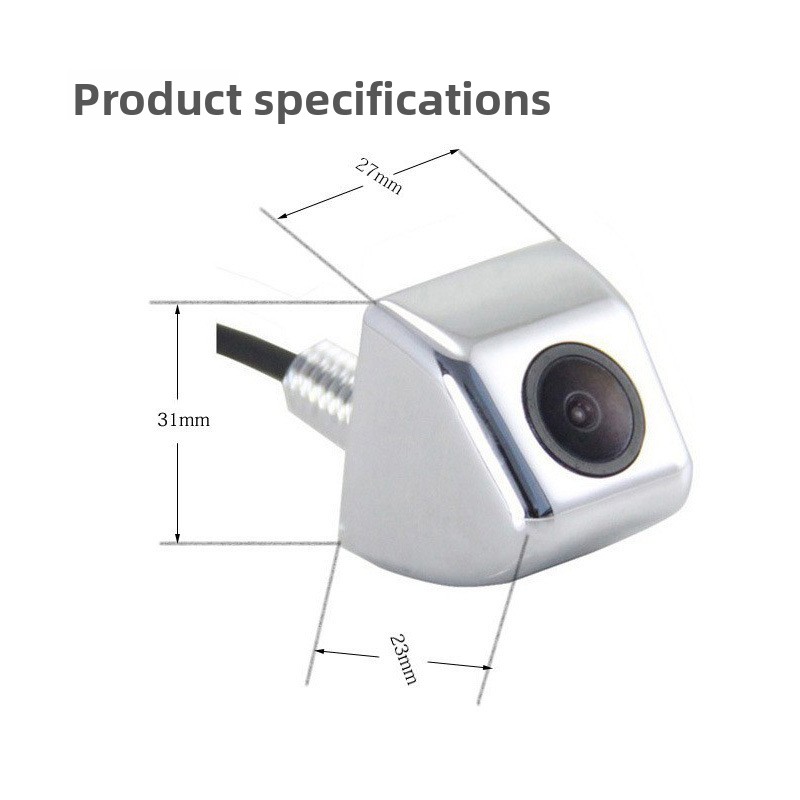
All external reverse cameras (such as our AHD 720P Korean-style and License Plate Frame models) are sealed with automated structural silicone adhesive and vacuum pressure tested to achieve true IP68 waterproofing. They resist direct high-pressure car washes, road salt spray, and extreme rainstorms without condensation build-up inside the lens glass.