0%

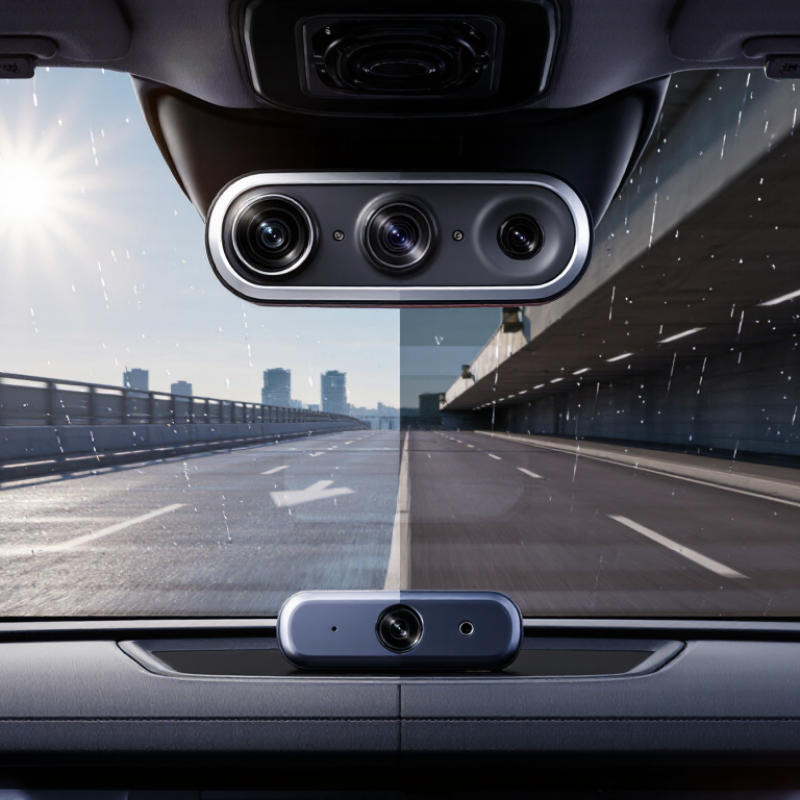
Global buyers need more than a camera with a sharp image. They need dependable performance across changing light, weather, temperature, and vehicle platforms. An Automotive Camera may face glare from a wet road at noon, then capture a dim parking garage minutes later. Small differences in lens quality, image processing, calibration, and production consistency can shape the final result.

Professor Amnon Shashua, Mobileye co-founder and a prominent computer-vision researcher, has emphasized the camera’s role in interpreting road scenes. His view is often summarized as: “The camera is the only sensor that can understand semantics.” Buyers should treat that idea as a useful perspective, not a complete purchasing rule. Camera systems work within a larger vehicle architecture, and their capabilities depend on integration, testing, and operating conditions.

This guide examines suppliers through practical questions: What applications do they support? Can they provide stable image quality at scale? How clearly do they document testing, interfaces, and calibration requirements? Look beyond headline resolution. A crisp image on a specification sheet does not prove reliable performance on a vibrating vehicle or a rain-streaked windshield. That distinction is easy to miss.

Supplier comparisons also have limits. Product ranges change, and a strong fit for one vehicle program may not suit another. Buyers should verify current specifications directly, request relevant test evidence, and assess support across the vehicle’s expected service life. No shortlist can replace that work. A little skepticism helps.
Top Automotive Camera Suppliers for Global Buyers

Automotive Cameras: Technologies, Types, and Vehicle Applications

Automotive cameras turn a driver’s view into measurable image data. Rear-view cameras help reveal low obstacles hidden behind a vehicle, while front and side cameras support parking and low-speed maneuvering. Surround-view systems combine several wide-angle images into a bird’s-eye display. The image can look seamless, though stitching may distort curbs or moving objects. A camera is not magic.

For driver assistance, forward-facing cameras identify lane markings, vehicles, and road signs; some systems combine camera input with radar. Cabin-facing cameras can monitor driver attention. Most use compact CMOS sensors, with high dynamic range helping preserve detail across bright sunlight and shadow. The Insurance Institute for Highway Safety reported that rearview cameras were associated with a 17% reduction in backing-crash rates; cameras paired with rear parking sensors showed a 42% reduction in its 2019 study. NHTSA’s rear-visibility rule also made rear-view imaging standard equipment on new light vehicles in the United States from 2018. Performance still depends on lens calibration, clean glass, and weather. A muddy lens can make a sophisticated system surprisingly ordinary.

How Leading Suppliers Differ in Products and Expertise

Automotive camera suppliers differ in what they build and how deeply they support integration. Some focus on compact rear-view or front-facing cameras, while others offer surround-view systems, cabin monitoring, or several camera types in one package. Compare more than resolution. A wide-angle lens may capture a parking bay but distort nearby objects. Low-light tuning matters in dim garages. Glare handling matters at noon. Small details count.

A supplier’s expertise also shows in validation and engineering support. Ask how sample units perform across temperature changes, vibration, rain exposure, and difficult lighting. Request test conditions, not just a pass statement. Check connector options, calibration tools, image-format compatibility, and production traceability. Practical answers are useful. A polished demo is not enough. Global buyers should also assess response times, technical documentation, and support across time zones. I would still leave room for uncertainty: vehicle layouts and software needs vary, so a camera that works well in one test vehicle may need fresh tuning in another. Compare evidence from your own integration trials before committing to volume.

Key Criteria for Evaluating Automotive Camera Suppliers

Choosing an automotive camera supplier starts with the vehicle’s real operating conditions, not a polished sample image. Ask for measured performance in bright sun, tunnel exits, rain, and low-light parking. Numbers matter. Review resolution alongside dynamic range, color consistency, lens distortion, and image latency. A sharp image can still arrive too late for a driver-assistance function. Request test reports that identify camera position, temperature, exposure settings, and evaluation methods. Without those details, comparisons can be misleading.

Check how the supplier validates vibration, thermal cycling, moisture resistance, and long-term image stability. Ask about component traceability, change control, production capacity, and support for software or calibration updates. Clear documentation helps teams integrate cameras across vehicle variants and regional requirements. Also examine failure-analysis response times; a camera that passes initial testing may drift after months of use. That risk is easy to underestimate. Cost deserves scrutiny, but the lowest quote may exclude fixtures, revalidation, or field support. Compare total integration effort, not only unit price. One uncomfortable point: scorecards can reward neat paperwork over useful evidence. Look for repeatable test data and specific corrective actions. No checklist is perfect.

Global Sourcing: Quality Standards, Compliance, and Production Capacity

For global buyers, camera sourcing starts with evidence, not catalog claims. Ask for current quality certificates, audit scope, and the address of the site covered. A certificate is useful, but it does not prove that every production line follows the same controls. Check how suppliers track lens focus, image noise, connector fit, and sealing after assembly. Small details matter. Request sample inspection records and failure-analysis reports, with sensitive customer information removed.

Compliance depends on the destination market and vehicle application. Confirm which electromagnetic compatibility, material, and product-safety requirements apply, then ask how test reports map to the exact camera version. A housing change can affect thermal performance or water resistance. It may also trigger new testing. Requirements can differ, so buyers should verify them with qualified local specialists rather than rely on a broad “globally compliant” claim. That phrase sounds reassuring, but it can hide gaps.

Production capacity needs the same scrutiny. Compare stated monthly output with recent delivery records, staffing, equipment, and backup plans for critical components. Ask how the supplier manages lot traceability and alerts customers when a process changes. A pilot run can expose issues that a polished presentation will not. Still, one audit cannot predict every disruption. Keep a realistic buffer for validation and corrective work.

Matching Suppliers to Vehicle Programs and Regional Markets

A camera supplier should be matched to the vehicle program, not selected by resolution alone. Check low-light performance, lens heating, vibration tolerance, image-processing compatibility, and calibration support. A useful match is rarely the camera with the highest resolution. Fit matters. The OICA reported 93.5 million vehicles produced worldwide in 2023, with Asia-Oceania accounting for about 55 million. That scale makes regional production capacity and dependable delivery important alongside image quality. Ask suppliers for validation results from conditions close to the vehicle’s intended use, such as wet roads, glare, dust, or freezing temperatures.

Regional demand also changes the right technical package. The IEA’s Global EV Outlook 2024 reported nearly 14 million electric cars sold in 2023, around 18% of global car sales. This shift does not make every EV camera system identical; it does make platform timing, packaging, and software integration worth checking early. Requirements and road conditions vary by market, so confirm that the supplier can support local testing, calibration, and documentation. Not just pixels. One uncomfortable detail: procurement plans can look tidy on paper, then stumble during winter validation or a late interface change. Compare suppliers using program-specific evidence, including sample images, environmental test records, production capacity, and a clear escalation path when defects appear.

Top Automotive Camera Suppliers for Global Buyers

Matching Suppliers to Vehicle Programs and Regional Markets

Illustrative 1–5 planning scores (5 = higher priority), not measured market data or supplier ratings. The chart compares typical program considerations: ADAS capability, environmental durability, cost sensitivity, and regional validation/localization. Actual requirements vary by vehicle platform, regulation, and buyer.

FAQS

What do automotive cameras help drivers see?

Rear cameras reveal low obstacles behind a vehicle. Front and side cameras support parking and slow maneuvers.

How does a surround-view system create a bird’s-eye image?

It combines wide-angle images from several cameras. The display can look seamless, but curbs or moving objects may appear distorted.

What can forward-facing and cabin-facing cameras monitor?

Forward-facing cameras can identify lane markings, vehicles, and road signs. Cabin-facing cameras can monitor driver attention. Some systems also use radar.

Why do sensor quality and camera upkeep matter?

Compact CMOS sensors are common, and high dynamic range helps preserve detail in sun and shadow. Dirty glass can spoil the view. It happens.

How much can rear cameras help reduce backing crashes?

One study associated rearview cameras with a 17% lower backing-crash rate. Cameras paired with rear parking sensors showed a 42% reduction.

What conditions should buyers check during camera testing?

Test temperature changes, vibration, rain, glare, and low light. A dim garage can reveal weaknesses that a bright demonstration misses.

What integration details should buyers review?

Check connectors, calibration tools, image formats, documentation, and production traceability. Confirm technical support response times across time zones.

Is a successful test in one vehicle enough to approve a camera?

Not necessarily. Vehicle layouts and software needs differ, so fresh tuning may be needed. I would compare evidence from integration trials before ordering at scale.

Conclusion

Choosing the right Automotive Camera supplier requires understanding how camera technologies serve different vehicle applications, from driver assistance and parking support to cabin monitoring and surround-view systems. Suppliers may differ in their imaging capabilities, product range, integration expertise, customization options, and ability to support programs from early development through production. Buyers should assess image quality, durability, reliability, technical support, and compatibility with vehicle requirements rather than relying on product claims alone.

Global sourcing also calls for careful review of quality management, applicable regional requirements, manufacturing capacity, and supply continuity. A supplier’s ability to maintain consistent production and communicate clearly across markets can be as important as its technical strengths. By matching these capabilities to vehicle type, program schedule, production volume, and destination region, buyers can identify a supplier suited to their needs and build a more dependable sourcing strategy.

Amelia

Amelia

Amelia is a professional marketing specialist with a strong understanding of the company’s products, their features, and the practical value they offer customers. She regularly contributes expert articles to the company website, turning product knowledge and industry insights into clear, useful......